Do AIO coolers ever run out of liquid?
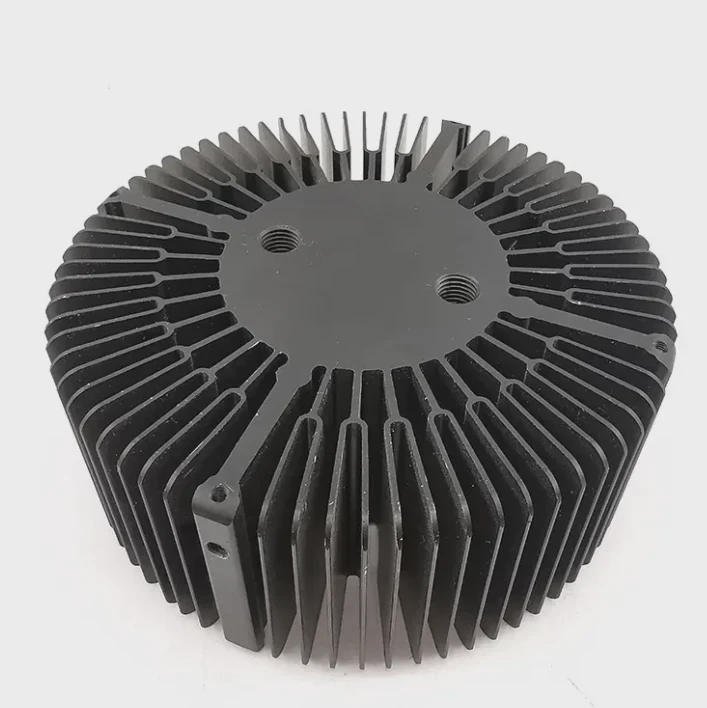
Many people assume that “sealed” means “permanent.” But when it comes to AIO (All-In-One) liquid coolers, that’s not completely true.
Yes, AIO coolers can gradually lose liquid over time due to evaporation through seals and micro-leaks, even though they are designed as closed-loop systems.
This process is slow and often takes years, but it can affect performance. Understanding what’s inside and why evaporation happens helps users prevent premature cooler failure.
What is inside an AIO cooler?
At first glance, an AIO cooler looks simple: a pump, tubes, and a radiator. But inside, it’s a small liquid circulation system carefully engineered to manage heat.
An AIO cooler contains a mixture of water and glycol-based coolant, a pump to circulate it, and a radiator to dissipate heat from the CPU or GPU.
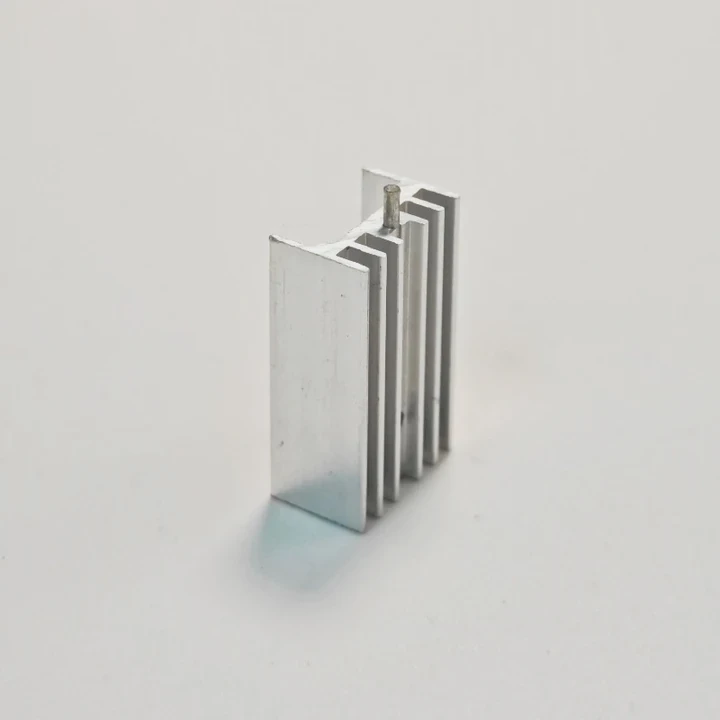
The coolant is not pure water. Manufacturers use a special formula that includes corrosion inhibitors, anti-fungal agents, and glycol. This mixture prevents algae growth and corrosion inside the metal parts. The pump pushes the coolant through a closed loop, carrying heat from the cold plate to the radiator, where fans blow air to remove it.
Components of an AIO cooler
| Part | Function |
|---|---|
| Pump | Moves coolant through the loop |
| Cold Plate | Absorbs heat from CPU or GPU |
| Tubes | Transfers coolant between components |
| Radiator | Releases heat into the air |
| Coolant | Circulates heat through the system |
Each component must be sealed perfectly. Even tiny leaks can cause air bubbles or reduce pressure, leading to higher temperatures and pump noise.
What causes liquid evaporation?
Many users believe sealed AIOs never lose liquid. But no seal is truly perfect. Over time, materials age, and microscopic changes can let small amounts of vapor escape.
Liquid loss in AIO coolers happens because of microscopic permeation through rubber tubing and seals, accelerated by heat and pressure changes inside the loop.
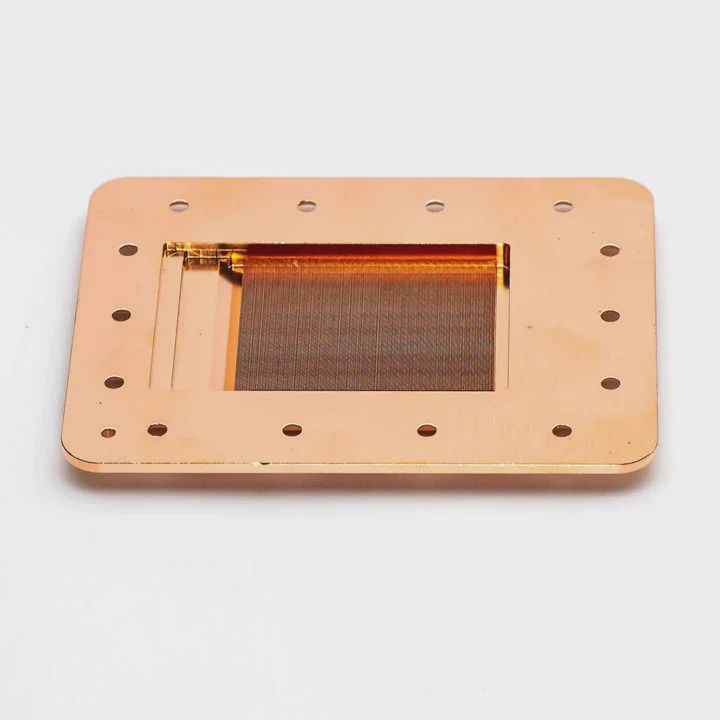
The rubber tubes used in AIO systems are semi-permeable. This means that very small molecules, especially water vapor, can slowly pass through. High temperature increases internal pressure, pushing more vapor out through these microscopic pores.
Factors that speed up evaporation
- High operating temperatures: More heat means higher vapor pressure.
- Poor seal materials: Lower-quality tubing allows faster diffusion.
- Long usage time: Older systems lose integrity after several years.
- Frequent on/off cycles: Thermal expansion and contraction stress seals.
- Storage in hot environments: Speeds up aging of rubber components.
Evaporation is slow — usually less than 1% per year in good designs. But after 3–5 years, it can reduce coolant volume enough to affect performance. Users may start hearing gurgling sounds or notice temperature spikes.
How to detect and fix low liquid levels?
Because AIO systems are sealed, it’s not easy to check liquid levels directly. But there are clear warning signs that indicate a problem.
You can detect low liquid in an AIO cooler through increased temperatures, unusual pump noise, or bubbling sounds, though most units cannot be refilled easily.
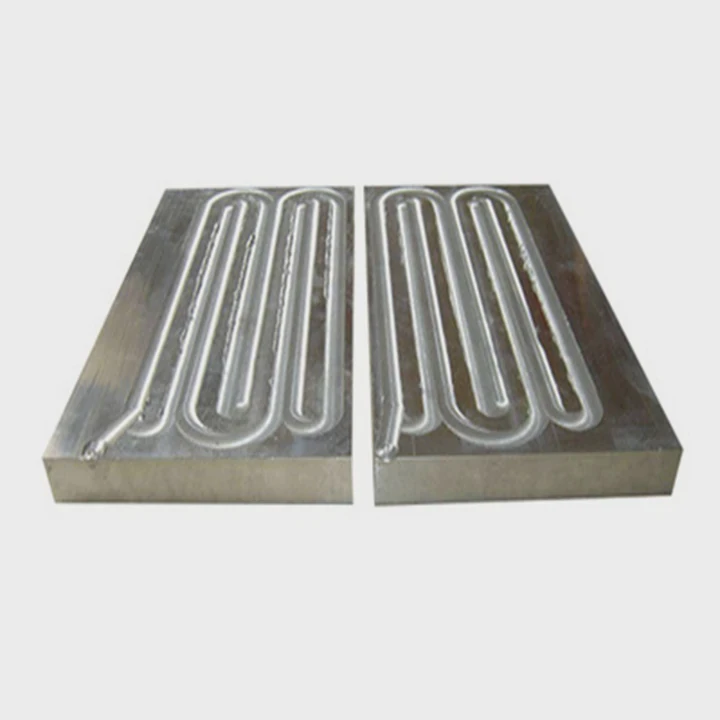
Signs your AIO cooler may be losing liquid
| Symptom | Possible Cause | Action |
|---|---|---|
| Higher CPU temperatures | Low coolant volume | Check pump and airflow |
| Bubbling or gurgling noise | Air in the loop | Reorient cooler or tilt case slightly |
| Loud pump or vibration | Dry pump chamber | Stop using to prevent damage |
| One tube feels much hotter | Partial flow blockage | Check mounting or replace unit |
If your AIO cooler has been running for several years and shows these symptoms, it’s likely losing coolant. Unfortunately, most AIO coolers are not designed for refilling. Some enthusiasts attempt to refill them by modifying the system, but this voids the warranty and can cause leaks.
The best and safest option is to replace the cooler. Modern AIOs are designed to last around 5 to 7 years under normal conditions. Keeping your PC in a cool and dust-free environment also helps extend the lifespan of seals and tubes.
Preventive maintenance tips
- Keep your radiator clean for better airflow.
- Avoid extreme overclocking that generates excess heat.
- Store your PC in a temperature-controlled space.
- Check for noise changes every few months.
- Replace your AIO every 5 years to ensure reliable cooling.
Proper care doesn’t stop evaporation, but it delays its effects and keeps your system stable longer.
What are the trends in sealed cooling design?
Cooling technology is advancing quickly as CPUs and GPUs become more power-hungry. Manufacturers are developing new materials and designs to make AIO systems more reliable and longer-lasting.
The latest AIO designs use low-permeation tubing, advanced coolants, and smart monitoring sensors to reduce evaporation and improve long-term performance.
New developments in AIO design
| Innovation | Description | Benefit |
|---|---|---|
| Low-Permeation Tubes | Made of multi-layer fluoropolymer | Minimizes coolant loss |
| Metal Pump Housings | Replace plastic with aluminum | Improves durability |
| Smart Temperature Sensors | Integrated into pump head | Real-time monitoring |
| Nano-Additive Coolants | Contain heat-enhancing particles | Better thermal conductivity |
| Self-Healing Seals | Use elastic polymers | Extend lifespan under heat cycles |
Modern AIOs now use multi-layer tubes that include a fluoropolymer barrier layer. This greatly reduces the diffusion of vapor molecules, extending the cooler’s effective life beyond 8 years. Some designs even include a small reservoir inside the pump housing to handle minor fluid loss automatically.
Manufacturers are also working on smart AIO coolers that use embedded sensors to track coolant temperature, pump speed, and flow rate. These systems can warn users of abnormal conditions long before they cause overheating.
In the future, we may see hybrid sealed loops with adaptive phase-change fluids. These fluids can change density or flow rate depending on system load, improving both efficiency and reliability. Such innovations are already being tested in industrial cooling systems and are likely to appear in consumer models soon.
Sealed designs are evolving from simple “fit-and-forget” units to intelligent cooling modules that can communicate with the motherboard, self-regulate flow, and maintain performance even after years of operation. This marks a major step toward long-term, maintenance-free thermal management.
Conclusion
AIO coolers can lose small amounts of liquid over time due to evaporation, but modern materials and sealed designs reduce this issue. Understanding how they work helps users spot problems early and choose better long-lasting systems.
TAGS
Latest Articles

Volume discount levels for heat sink orders?
Buyers often ask when heat sink prices start to drop with volume. Many worry they’re overpaying for small orders. This guide explains how B2B volume pricing works for thermal components. Heat sink
21 Dec,2025
Heat sink long-term supply contract options?
Many buyers want stable pricing and reliable delivery for heat sinks. But without a clear contract, risks grow over time. This article explores how to secure better long-term supply deals. Long-term
21 Dec,2025
Tooling cost for new heat sink profiles?
Many engineers struggle to understand why tooling for custom heat sinks costs so much. They worry about budgeting and production timelines. This article breaks down the cost drivers behind tooling.
21 Dec,2025
Heat sink custom sample process steps?
Sometimes, starting a custom heat sink project feels overwhelming—too many steps, too many unknowns, and too many risks. You want a sample, but not endless delays. The process for requesting and
20 Dec,2025
Standard B2B terms for heat sink payments?
When buyers and sellers in B2B heat sink markets talk about payment, many don’t fully understand what’s standard. This can lead to delayed orders, miscommunication, and even lost business
20 Dec,2025
Heat sink pricing factors for large orders?
Heat sinks are vital for many systems. When prices rise, projects stall and budgets break. This problem can hit teams hard without warning. Large order heat sink pricing depends on many factors. You
20 Dec,2025Related Articles
- How does liquid cooling CPU work?
- How to make an air-cooled engine liquid-cooled?
- Where to buy liquid cooling parts?
- How to set up a liquid cooling system?
- Is Liquid Cooling Worth It for PC?
- How much better is liquid cooling vs air cooling?
- Why does evaporation lead to cooling of the liquid?
- Does 9800X3D need liquid cooling?
- Heat Sink Manufacturers in Singapore
- Heat Sink Manufacturers in Hong Kong
- Heat Sink Manufacturers in Colombia
- Heat Sink Manufacturers in Denmark
Author
Dr. Emily Chen
Chief AI Researcher
Leading expert in thermal dynamics and AI optimization with over 15 years of experience in data center efficiency research.
Categories
Latest Products






Recommend Categories
- Liquid cooling plate Manufacturer
- Industrial Heat Sink Manufacturer
- Standard Heat Sink Manufacturer
- Aluminum Heat Sink Manufacturer
- Copper Heat Sink Manufacturer
- Anodized Heatsink Manufacturer
- Stamping heat sink Manufacturer
- Die Casting Heatsink Manufacturer
- Soldering heat sink Manufacturer
- CNC Parts Manufacturer
Latest Products
- Wholesale Aluminum Radiator
- Water Cooling Plate Kit
- Water Cooling Heat Sink
- Water Cooling Heat Sink Kit
- Stainless Steel Water Distributor
- Server Water Cooling Plate Kit
- Server Liquid Cooling System
- Server Aluminum Cooling Kit
- S19 Full Cover Cooling Plate
- S19 Cooling Plate Kit
- S19 Aluminum Cooling Plate
Contact Expert
Have questions about this article? Reach out to our experts directly.