Where to buy liquid cooling parts?
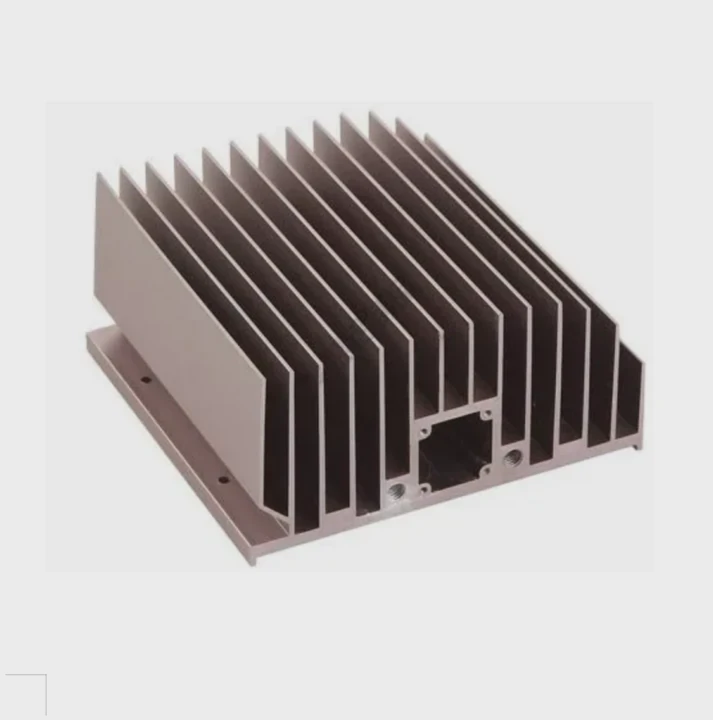
When I first tried to build a liquid cooling system, finding reliable parts was harder than the assembly itself. Many sites sold cheap imitations that leaked or failed quickly.
The best way to buy liquid cooling parts is to choose certified suppliers and trusted online stores that focus on PC cooling systems.
Once you know where to buy and what to look for, the process becomes much easier. In this guide, I’ll share how to find the right components, how to pick reliable suppliers, and what trends shape the cooling parts market today.
What components make up a liquid cooling system?
Most people imagine liquid cooling as just a bunch of tubes and a radiator. But in truth, every part plays a role in moving heat safely out of your system.
A complete liquid cooling setup includes a water block, pump, radiator, reservoir, tubing, fittings, and coolant.
Each component connects in one continuous loop that transfers heat away from the CPU or GPU.
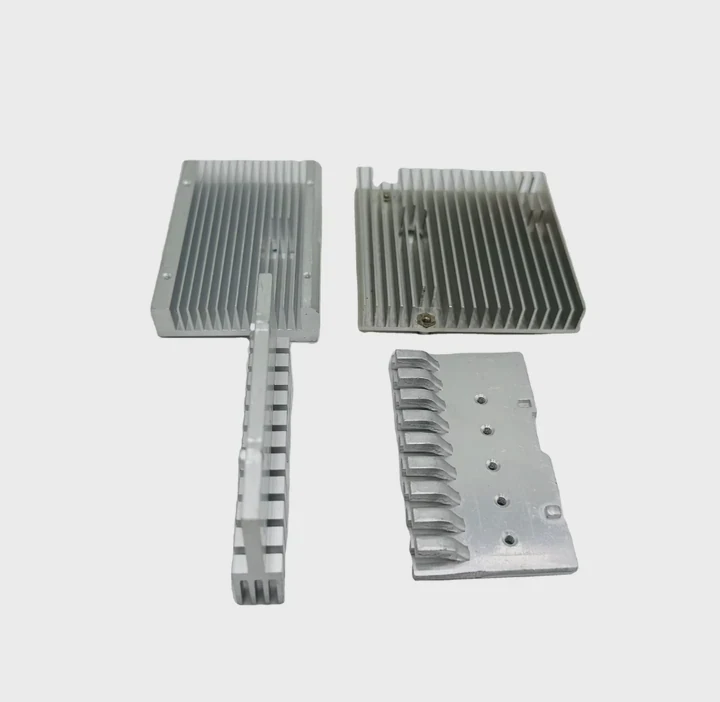
Main components and their roles
| Component | Function | Common Materials |
|---|---|---|
| Water Block | Transfers heat from CPU or GPU | Copper, Nickel |
| Pump | Circulates coolant through the loop | Plastic, Metal |
| Radiator | Dissipates heat into air | Aluminum, Copper |
| Reservoir | Stores and stabilizes coolant | Acrylic, Glass |
| Tubes | Connects components | PVC, PETG, Acrylic |
| Fittings | Seals and links tubes | Brass, Steel |
| Coolant | Carries and releases heat | Distilled Water, Glycol Mixture |
Key notes when choosing
- Water blocks: Always match them to your CPU socket or GPU model.
- Pumps: D5 pumps are quiet and long-lasting, while DDC pumps are compact for small builds.
- Radiators: Thicker or dual radiators improve cooling efficiency but require more space.
- Fittings: Compression fittings are safer for beginners; barbs are cheaper but less secure.
- Coolant: Clear or pastel coolants look great, but non-conductive ones offer safety if a leak occurs.
Every part works together like organs in a body. If one part is low quality, the entire system suffers. I learned this when a cheap radiator corroded in six months, causing pressure loss. That experience made me prioritize quality and certifications.
What are the benefits of high-quality parts?
When it comes to liquid cooling, cutting costs can be expensive in the long run. Cheap fittings leak, weak pumps fail, and poor radiators corrode.
High-quality liquid cooling parts deliver better performance, longer lifespan, and higher safety.
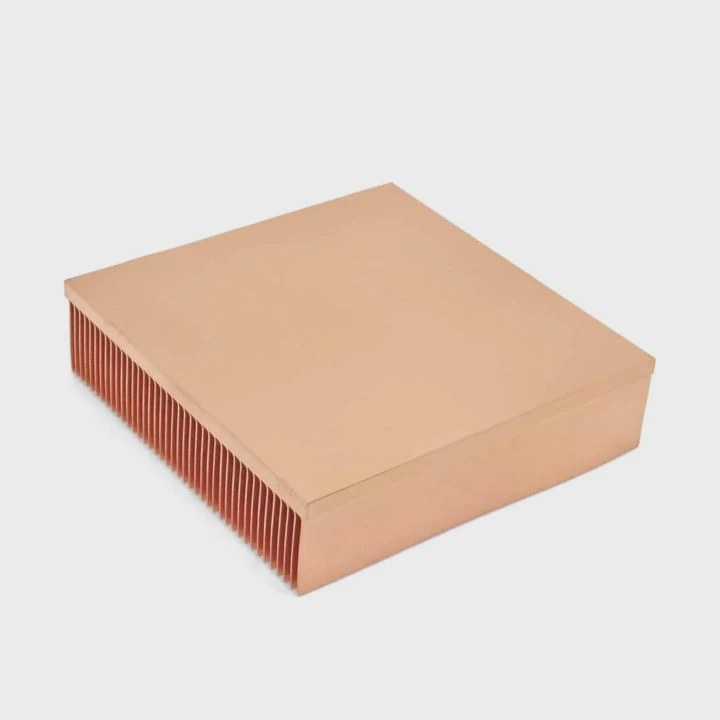
Advantages of premium components
| Benefit | Description |
|---|---|
| Reliability | Reduced risk of leaks and part failure |
| Efficiency | Better heat transfer for stable performance |
| Durability | Corrosion-resistant materials last longer |
| Noise Reduction | High-end pumps and fans run quietly |
| Aesthetic Quality | Clean design, uniform color, and better fit |
Real-world differences
The biggest difference I noticed after switching to premium parts was temperature stability.
My CPU stayed below 60°C under heavy rendering, compared to 75°C before. The pump noise dropped almost to silence.
Another hidden benefit is maintenance. Premium radiators and blocks use anti-corrosion coatings, so cleaning becomes rare.
Good fittings seal tighter and prevent small leaks that often cause oxidation or residue.
High-quality parts also look better. Brands like EKWB, Corsair Hydro X, and Alphacool focus on sleek finishes and uniform color schemes. That gives your build a professional look instead of a messy DIY project.
For anyone who wants long-term performance, the investment is worth it. You buy once, and it lasts through multiple PC upgrades.
How to choose the best suppliers?
Finding the right supplier is just as important as picking the right parts. A bad supplier can delay orders, send wrong items, or offer poor after-sales service.
To choose the best suppliers, look for companies with certification, technical support, and positive user reviews.
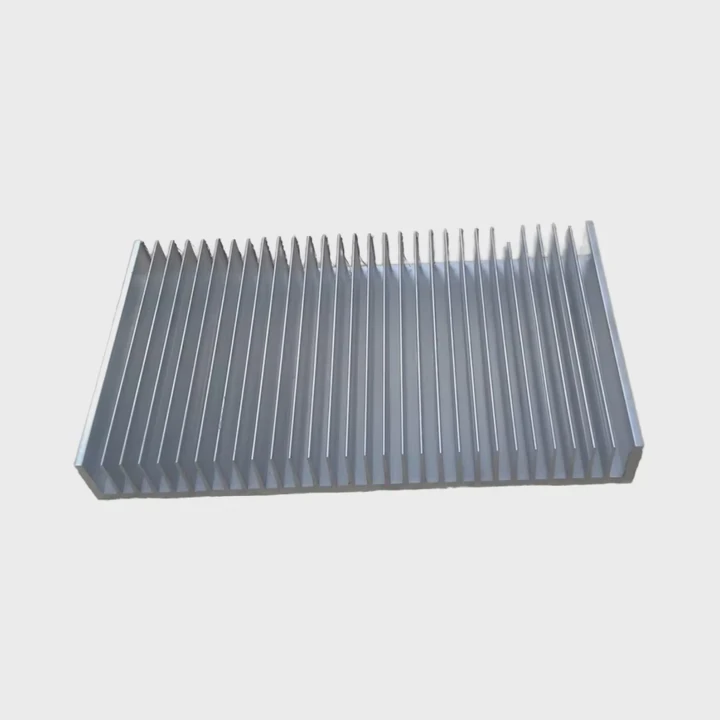
Criteria for reliable suppliers
| Criteria | What to Check |
|---|---|
| Product Range | Offers full sets of blocks, pumps, radiators |
| Certifications | ISO or CE quality control compliance |
| Customer Reviews | Real photos and feedback from buyers |
| Technical Support | Manuals, tutorials, and return policy |
| Availability | Stable stock and clear shipping options |
| Warranty | 1–2 years minimum for main parts |
How I select my suppliers
I usually start by checking manufacturer websites directly. For example, EKWB, Corsair, and Thermaltake list authorized resellers by region. This helps avoid counterfeit parts.
I also look at community forums like Reddit’s r/watercooling or Overclock.net. Builders often share their supplier experiences there.
When buying from marketplaces like Amazon or Newegg, I always verify that the seller is the official brand store or an approved distributor.
For industrial-grade components, I sometimes contact OEM manufacturers directly through Alibaba or specialized B2B platforms. These suppliers often offer custom sizes for pumps and radiators, perfect for unique builds.
In short, I trust suppliers that communicate clearly, provide product data sheets, and show testing certificates.
What are the trends in cooling component markets?
Like all technology, the cooling industry evolves quickly. A few years ago, custom loops were rare. Now, modular systems and eco-friendly coolants are setting new standards.
Current market trends in liquid cooling include modular kits, integrated smart control, eco-safe fluids, and aluminum-based radiators.
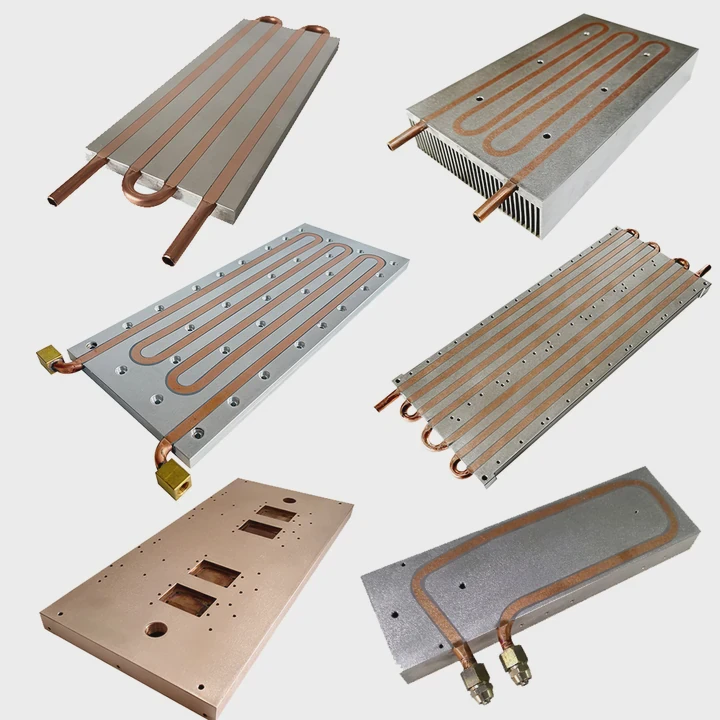
Trend 1: Modular and expandable kits
Manufacturers now offer modular kits that allow beginners to expand step by step.
You can start with a CPU-only loop and later add GPU cooling without replacing everything.
This makes liquid cooling more accessible to newcomers and small businesses.
Trend 2: Smart control and monitoring
New cooling systems integrate digital monitoring chips that track coolant temperature, flow rate, and pump RPM.
Software connects these sensors to your PC dashboard or mobile app.
Some even adjust cooling automatically based on system load.
Trend 3: Eco-friendly and non-toxic coolants
The shift to green chemistry has become strong. Modern coolants are biodegradable, less corrosive, and safe to handle.
This trend follows global environmental standards and reduces waste from frequent coolant replacement.
Trend 4: Aluminum and hybrid radiators
Copper has long been the favorite for thermal conductivity, but aluminum radiators now dominate mid-range builds.
They are lighter, cheaper, and more sustainable.
Some brands combine copper cores with aluminum fins to balance cost and performance.
Trend 5: Aesthetic customization
Design has become as important as performance.
Builders now demand transparent reservoirs, RGB lighting, and frosted acrylic blocks.
This drives growth in decorative fittings, colored fluids, and modular panels.
Trend 6: Growth of B2B and OEM partnerships
Companies that build workstations or gaming rigs often partner directly with cooling manufacturers.
This B2B trend shortens supply chains and ensures better compatibility.
It also pushes innovation in high-capacity radiators and industrial-grade pumps.
Where to buy liquid cooling parts safely?
Now that we know what to buy and how to choose, let’s look at trusted buying channels.
There are three main options: brand websites, online retailers, and local PC stores.
1. Brand websites
Buying from official brand stores guarantees authenticity and warranty.
Popular brands include:
- EKWB (Slovenia) – known for premium quality
- Corsair Hydro X (USA) – offers stylish modular systems
- Alphacool (Germany) – strong in industrial and custom loops
- Thermaltake (Taiwan) – provides ready-made kits
- Bykski and Barrow (China) – affordable and reliable for budget builds
2. Online retailers
Global retailers offer wide selections and fast delivery.
Trusted platforms include:
- Amazon
- Newegg
- Performance-PCs
- Aquatuning
- B&H
I recommend checking shipping regions, since liquid coolants are sometimes restricted for international delivery.
3. Local PC stores
If you prefer personal advice or quick exchanges, local stores can help.
They often provide installation services or leak testing.
Many now carry popular brands and can order special parts on request.
Buying tips
- Compare prices across at least three sources.
- Avoid listings without clear product specifications.
- Look for user reviews with photos.
- Always check compatibility with your case and CPU/GPU.
Conclusion
Buying liquid cooling parts is not just about getting hardware—it’s about trust and performance.
Choose certified suppliers, pick quality components, and stay updated with market trends to build a system that lasts and performs beautifully.
TAGS
Latest Articles

Volume discount levels for heat sink orders?
Buyers often ask when heat sink prices start to drop with volume. Many worry they’re overpaying for small orders. This guide explains how B2B volume pricing works for thermal components. Heat sink
21 Dec,2025
Heat sink long-term supply contract options?
Many buyers want stable pricing and reliable delivery for heat sinks. But without a clear contract, risks grow over time. This article explores how to secure better long-term supply deals. Long-term
21 Dec,2025
Tooling cost for new heat sink profiles?
Many engineers struggle to understand why tooling for custom heat sinks costs so much. They worry about budgeting and production timelines. This article breaks down the cost drivers behind tooling.
21 Dec,2025
Heat sink custom sample process steps?
Sometimes, starting a custom heat sink project feels overwhelming—too many steps, too many unknowns, and too many risks. You want a sample, but not endless delays. The process for requesting and
20 Dec,2025
Standard B2B terms for heat sink payments?
When buyers and sellers in B2B heat sink markets talk about payment, many don’t fully understand what’s standard. This can lead to delayed orders, miscommunication, and even lost business
20 Dec,2025
Heat sink pricing factors for large orders?
Heat sinks are vital for many systems. When prices rise, projects stall and budgets break. This problem can hit teams hard without warning. Large order heat sink pricing depends on many factors. You
20 Dec,2025Related Articles
- How to set up a liquid cooling system?
- Is Liquid Cooling Worth It for PC?
- How much better is liquid cooling vs air cooling?
- Do You Need Liquid Cooling to Overclock?
- How to install Cooler Master liquid cooler?
- How to check liquid cooling?
- How to make an air-cooled engine liquid-cooled?
- How does liquid cooling CPU work?
- Do AIO coolers ever run out of liquid?
- Why does evaporation lead to cooling of the liquid?
- Does 9800X3D need liquid cooling?
- Heat Sink Manufacturers in Singapore
Author
Dr. Emily Chen
Chief AI Researcher
Leading expert in thermal dynamics and AI optimization with over 15 years of experience in data center efficiency research.
Categories
Latest Products






Recommend Categories
- Liquid cooling plate Manufacturer
- Industrial Heat Sink Manufacturer
- Standard Heat Sink Manufacturer
- Aluminum Heat Sink Manufacturer
- Copper Heat Sink Manufacturer
- Anodized Heatsink Manufacturer
- Stamping heat sink Manufacturer
- Die Casting Heatsink Manufacturer
- Soldering heat sink Manufacturer
- CNC Parts Manufacturer
Latest Products
- Wholesale Aluminum Radiator
- Water Cooling Plate Kit
- Water Cooling Heat Sink
- Water Cooling Heat Sink Kit
- Stainless Steel Water Distributor
- Server Water Cooling Plate Kit
- Server Liquid Cooling System
- Server Aluminum Cooling Kit
- S19 Full Cover Cooling Plate
- S19 Cooling Plate Kit
- S19 Aluminum Cooling Plate
Contact Expert
Have questions about this article? Reach out to our experts directly.