How to make an air-cooled engine liquid-cooled?
Many people who love restoring old vehicles ask this question: can an air-cooled engine be converted to a liquid-cooled system? The answer is yes—but it’s not simple. It requires engineering care and an understanding of both systems.
Converting an air-cooled engine to liquid cooling involves installing a water jacket around the cylinders, adding a radiator, pump, and hoses, and creating a closed-loop system to manage engine heat effectively.
This process can transform how your engine behaves, improving efficiency, reliability, and performance. But before attempting it, you must understand the principles behind both cooling methods and what the conversion means for your engine design.
What are air- and liquid-cooled engines?
Many older motorcycles, aircraft engines, and classic cars used air cooling because it was simple and cheap. However, as engines became more powerful, heat management became a real challenge.
Air-cooled engines rely on airflow and fins to remove heat, while liquid-cooled engines use coolant circulating through a closed system with a radiator, pump, and water jacket.
Air-Cooled Engine Basics
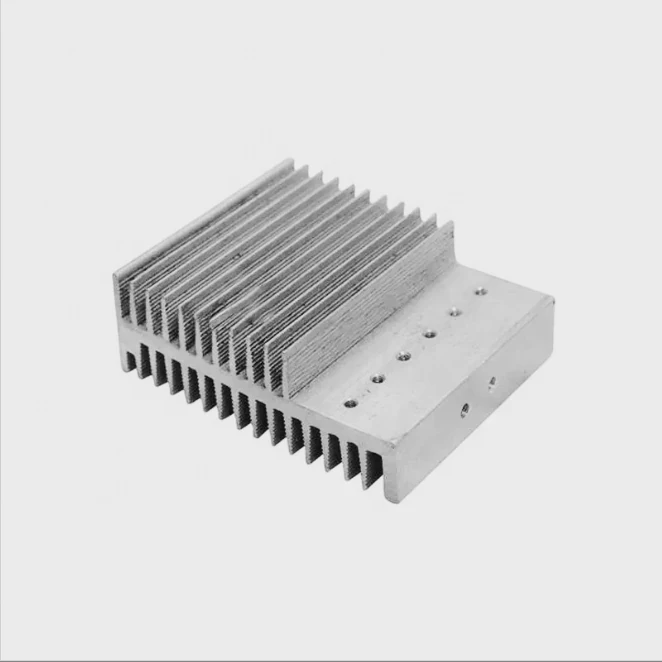
Air-cooled engines have external fins on the cylinder head and block. When the vehicle moves, air passes over these fins and carries heat away. They are simple, light, and reliable, but their cooling efficiency depends on air movement and ambient temperature.
Advantages of air cooling:
- Fewer parts and simpler maintenance
- Lightweight and compact
- No coolant leaks or pump failures
Disadvantages of air cooling:
- Uneven temperature distribution
- Sensitive to ambient heat and speed
- Lower thermal efficiency at high loads
Liquid-Cooled Engine Basics
In a liquid-cooled system, a mixture of water and antifreeze circulates through passages in the engine (water jackets). The heated liquid flows to a radiator, where it cools before returning. This allows precise control of engine temperature and better fuel efficiency.
Advantages of liquid cooling:
- Consistent operating temperature
- Higher compression ratios possible
- Quieter engine operation
Disadvantages of liquid cooling:
- More complex system
- Added weight and maintenance
- Risk of leaks and pump failure
| System Type | Cooling Medium | Key Parts | Typical Use |
|---|---|---|---|
| Air-Cooled | Air | Fins, fan shroud | Small engines, motorcycles |
| Liquid-Cooled | Coolant mixture | Radiator, pump, hoses | Cars, heavy machinery |
What benefits come from conversion?
Many enthusiasts convert old air-cooled engines for improved reliability and performance. However, it’s important to understand exactly what benefits you gain before making the switch.
Converting to liquid cooling improves heat stability, allows higher power output, and extends engine life by maintaining uniform temperature distribution.
Better Heat Management
Liquid cooling keeps temperatures stable even under load. For example, in high-performance or turbocharged engines, air cooling may cause overheating or detonation. A liquid system maintains a steady 85–95°C operating range, allowing smoother combustion and improved efficiency.
Increased Engine Life
When metal expands unevenly due to poor heat control, it causes wear, cracks, or warping. Liquid cooling minimizes these risks by maintaining consistent thermal balance between cylinders, reducing stress on pistons, rings, and valves.
Performance and Tuning Potential
Liquid-cooled engines can safely handle higher compression and timing advance, which means better power and torque. They also work better with fuel injection and modern electronics because the engine stays within predictable temperature limits.
| Benefit | Description | Impact |
|---|---|---|
| Thermal Stability | Keeps heat even across components | Reduces wear and warping |
| Power Potential | Supports higher compression | Improves performance |
| Noise Reduction | Damps vibration and sound | Quieter operation |
| Durability | Extends engine lifespan | Fewer failures over time |
Improved Comfort and Efficiency
Air-cooled engines can become noisy and harsh during long drives or idle periods. A liquid-cooled conversion reduces mechanical noise and stabilizes idle behavior, making driving more comfortable—especially in hot or crowded environments.
How to safely perform the conversion?
Turning an air-cooled engine into a liquid-cooled one is a technical challenge. It requires precision machining, planning, and understanding of thermodynamics.
To safely perform the conversion, add a water jacket to the engine block, install a radiator and pump, use appropriate seals, and ensure correct coolant flow direction and temperature control.
Step 1: Design the Water Jacket
The most critical part of the conversion is creating a water jacket around the cylinders. This can be done by welding or casting an aluminum or steel sleeve around the cylinder block, leaving a gap for coolant circulation. It must seal perfectly to prevent leaks.
Step 2: Add Coolant Passages and Hoses
Drill and connect coolant inlets and outlets in the new jacket. Attach silicone hoses to route coolant between the engine, pump, and radiator. Use high-quality clamps and ensure smooth bends to prevent air pockets.
Step 3: Install the Radiator and Pump
Mount the radiator in front of the airflow (such as behind a grille or fan). The pump should push coolant from the radiator into the engine. Electric water pumps are common in custom builds because they are compact and easier to control.
Step 4: Add a Thermostat and Expansion Tank
The thermostat regulates coolant flow based on temperature. The expansion tank allows the coolant to expand safely without pressure buildup. These parts are essential to prevent overheating or coolant loss.
Step 5: Test and Monitor
Before running the engine, fill the system with coolant and bleed all air. Start the engine at idle, and check for leaks or abnormal sounds. Use a temperature gauge to confirm stable readings under various loads.
Important Tips:
- Avoid mixing different coolant types.
- Use corrosion inhibitors if aluminum is part of the system.
- Recheck torque on fittings after the first few heat cycles.
Example Layout of a Converted System
| Component | Function | Placement |
|---|---|---|
| Radiator | Cools hot coolant | Front of engine bay |
| Water Pump | Circulates coolant | Driven by belt or electric motor |
| Thermostat | Controls flow | Between engine and radiator |
| Expansion Tank | Balances pressure | Higher than radiator |
| Hoses | Coolant routing | Connects all components |
By following these steps, a reliable conversion can be achieved without compromising safety or performance. However, note that such a modification may require re-certification in some regions due to emission and safety regulations.
What are the automotive cooling innovations?
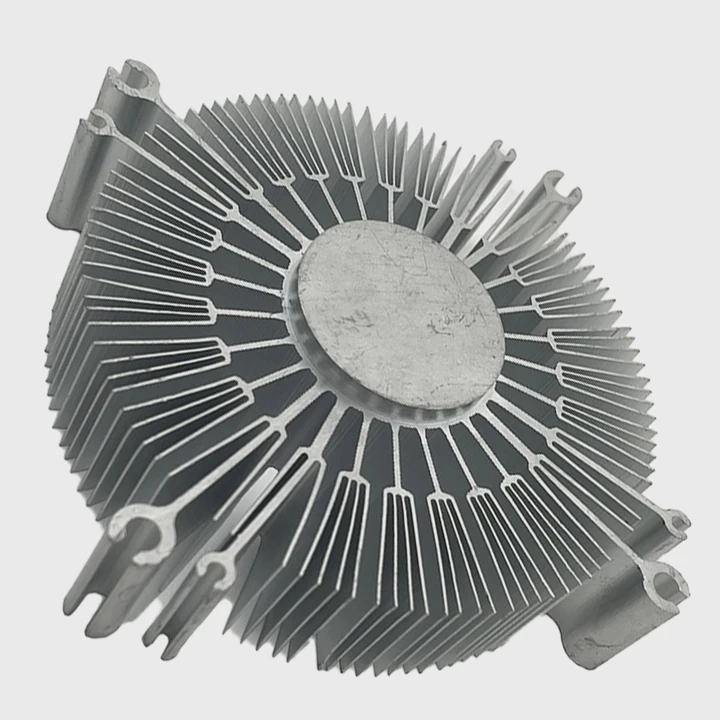
Over the last decade, automotive cooling technology has changed dramatically. Many modern vehicles use hybrid systems that combine air and liquid cooling, especially for electric and hybrid powertrains.
Recent innovations include integrated thermal management systems, phase-change materials, and active grille shutters that adjust airflow dynamically for better energy efficiency.
Integrated Thermal Management
Modern vehicles combine cooling loops for the engine, transmission, and battery into one intelligent control system. Electronic valves manage coolant direction, sending flow where it’s needed most. This reduces warm-up time and improves fuel economy.
Phase-Change Cooling
Some experimental systems use phase-change materials that absorb heat during high-load operation and release it later when cooling demand drops. This helps regulate temperature spikes in high-performance or electric vehicles.
Active Grille Shutters and Smart Fans
Active grille shutters open or close based on temperature and speed, balancing aerodynamics and cooling. Combined with variable-speed fans, they provide precise airflow control while reducing drag at high speeds.
Electric and Hybrid Cooling Loops
Electric vehicles (EVs) require separate loops for batteries, motors, and power electronics. These systems use liquid cooling to maintain safe operating temperatures across all components while maximizing efficiency and range.
| Innovation | Description | Application |
|---|---|---|
| Integrated Thermal System | Manages multiple cooling loops | Hybrid & EV platforms |
| Phase-Change Material | Stores and releases heat | High-performance cars |
| Active Grille Shutters | Controls airflow dynamically | Modern sedans & SUVs |
| Electric Water Pumps | Controlled by ECU | Turbo & EV systems |
Future Trends
As vehicle technology advances, cooling systems will become even more intelligent. AI-driven thermal management will predict driving conditions and adjust coolant flow before overheating occurs. Lightweight aluminum radiators and 3D-printed water jackets are already entering development.
These technologies not only improve efficiency but also open new paths for sustainability—reducing energy waste while keeping engines (and batteries) cool.
Conclusion
Converting an air-cooled engine to liquid cooling is both an art and a science. It offers better temperature control, longer engine life, and higher power potential—but demands precise engineering and attention to detail. With proper planning, components, and testing, it’s possible to bring classic engines into the modern era of thermal performance.
TAGS
Latest Articles

Volume discount levels for heat sink orders?
Buyers often ask when heat sink prices start to drop with volume. Many worry they’re overpaying for small orders. This guide explains how B2B volume pricing works for thermal components. Heat sink
21 Dec,2025
Heat sink long-term supply contract options?
Many buyers want stable pricing and reliable delivery for heat sinks. But without a clear contract, risks grow over time. This article explores how to secure better long-term supply deals. Long-term
21 Dec,2025
Tooling cost for new heat sink profiles?
Many engineers struggle to understand why tooling for custom heat sinks costs so much. They worry about budgeting and production timelines. This article breaks down the cost drivers behind tooling.
21 Dec,2025
Heat sink custom sample process steps?
Sometimes, starting a custom heat sink project feels overwhelming—too many steps, too many unknowns, and too many risks. You want a sample, but not endless delays. The process for requesting and
20 Dec,2025
Standard B2B terms for heat sink payments?
When buyers and sellers in B2B heat sink markets talk about payment, many don’t fully understand what’s standard. This can lead to delayed orders, miscommunication, and even lost business
20 Dec,2025
Heat sink pricing factors for large orders?
Heat sinks are vital for many systems. When prices rise, projects stall and budgets break. This problem can hit teams hard without warning. Large order heat sink pricing depends on many factors. You
20 Dec,2025Related Articles
- Where to buy liquid cooling parts?
- How to set up a liquid cooling system?
- Is Liquid Cooling Worth It for PC?
- How much better is liquid cooling vs air cooling?
- Do You Need Liquid Cooling to Overclock?
- How to install Cooler Master liquid cooler?
- How does liquid cooling CPU work?
- Do AIO coolers ever run out of liquid?
- Why does evaporation lead to cooling of the liquid?
- Does 9800X3D need liquid cooling?
- Heat Sink Manufacturers in Singapore
- Heat Sink Manufacturers in Hong Kong
Author
Dr. Emily Chen
Chief AI Researcher
Leading expert in thermal dynamics and AI optimization with over 15 years of experience in data center efficiency research.
Categories
Latest Products






Recommend Categories
- Liquid cooling plate Manufacturer
- Industrial Heat Sink Manufacturer
- Standard Heat Sink Manufacturer
- Aluminum Heat Sink Manufacturer
- Copper Heat Sink Manufacturer
- Anodized Heatsink Manufacturer
- Stamping heat sink Manufacturer
- Die Casting Heatsink Manufacturer
- Soldering heat sink Manufacturer
- CNC Parts Manufacturer
Latest Products
- Wholesale Aluminum Radiator
- Water Cooling Plate Kit
- Water Cooling Heat Sink
- Water Cooling Heat Sink Kit
- Stainless Steel Water Distributor
- Server Water Cooling Plate Kit
- Server Liquid Cooling System
- Server Aluminum Cooling Kit
- S19 Full Cover Cooling Plate
- S19 Cooling Plate Kit
- S19 Aluminum Cooling Plate
Contact Expert
Have questions about this article? Reach out to our experts directly.