How to set up a liquid cooling system?
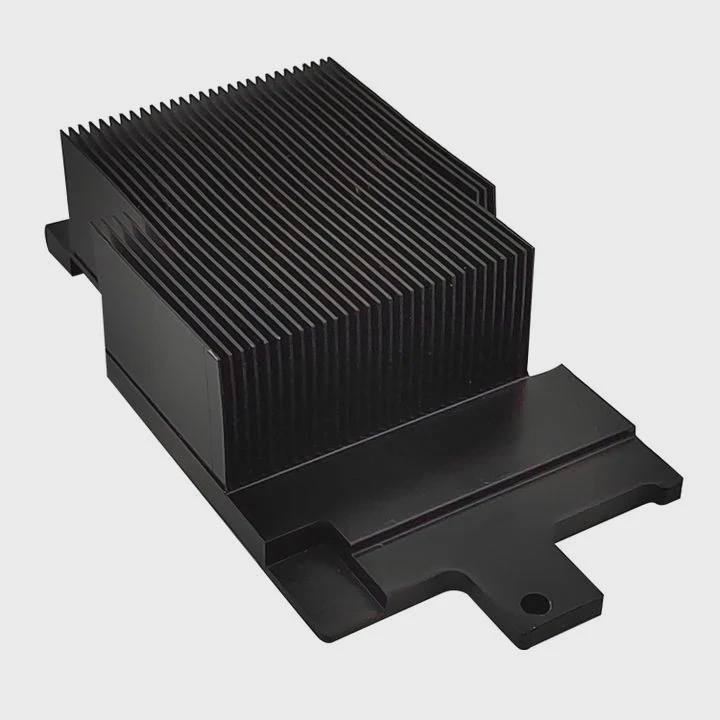
When I first set up a liquid cooling system, it felt complicated—like assembling a small machine inside another machine. But once I understood the logic, it became a fascinating process of controlling heat flow.
Setting up a liquid cooling system involves planning the loop, selecting proper components, and assembling them to transfer heat away from the source efficiently.
Every part has a purpose—pumps circulate coolant, radiators remove heat, and blocks capture it from hot components. With precision, you can turn heat into harmony.
Liquid cooling is not just for enthusiasts. It is now standard in industries like energy storage, electric vehicles, and semiconductor manufacturing, where thermal stability defines performance.
What are the components needed?
When I design cooling systems for industrial or electronic applications, I start with one question: where is the heat coming from, and how can we move it efficiently?
A liquid cooling system requires a pump, radiator, reservoir, cooling blocks, tubes, fittings, and coolant to create a continuous closed loop for heat transfer.
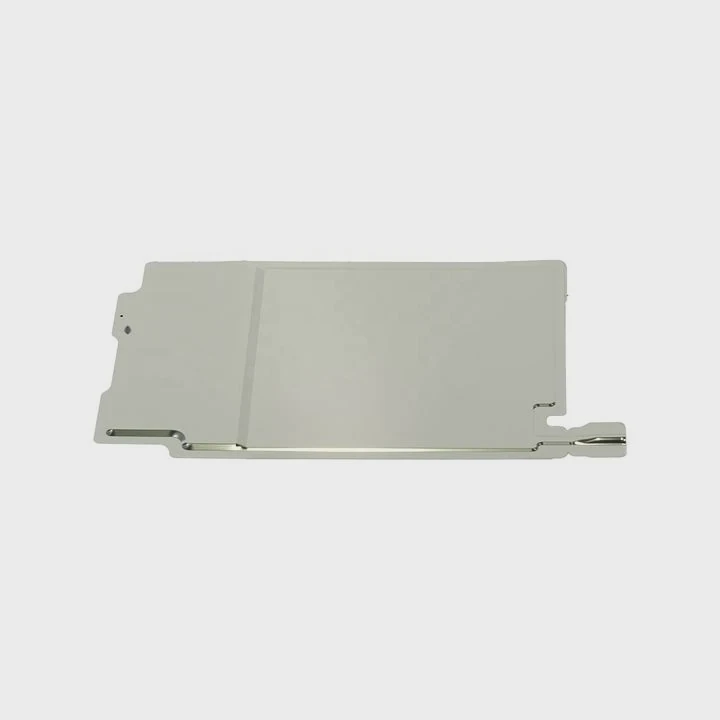
Each component performs a specific role. The secret lies in how they connect and balance flow, resistance, and surface contact.
Major Components and Functions
| Component | Function | Key Consideration |
|---|---|---|
| Pump | Circulates coolant through the loop | Flow rate and reliability |
| Radiator | Releases absorbed heat to air | Surface area and airflow |
| Cooling Block | Transfers heat from device to coolant | Material and microchannel design |
| Reservoir | Stores and deaerates coolant | Volume and leak prevention |
| Tubing | Connects system parts | Diameter, material, and length |
| Fittings | Secures tubing joints | Tightness and compatibility |
| Coolant | Medium that carries heat | Thermal stability and corrosion resistance |
In high-power systems—like battery packs or CPUs—heat density can exceed what air cooling can handle. Liquid, with its higher heat capacity, carries energy more effectively.
Material and Design Notes
I always choose copper or aluminum blocks because they offer good thermal conductivity. Radiators with finned surfaces improve air-to-liquid exchange. For tubing, EPDM or silicone works best in industrial conditions, while PVC or PETG suits general environments.
The coolant can be distilled water with corrosion inhibitors, or a glycol-based mixture in colder or industrial systems. Always ensure materials are compatible—mixing copper and aluminum without inhibitors causes galvanic corrosion.
What are the benefits of correct setup?
I once observed two identical cooling systems—one set up properly and one with poor flow routing. The performance difference was over 20°C, proving that design precision matters.
A correctly set up liquid cooling system improves heat dissipation, reduces noise, extends equipment lifespan, and increases overall energy efficiency.
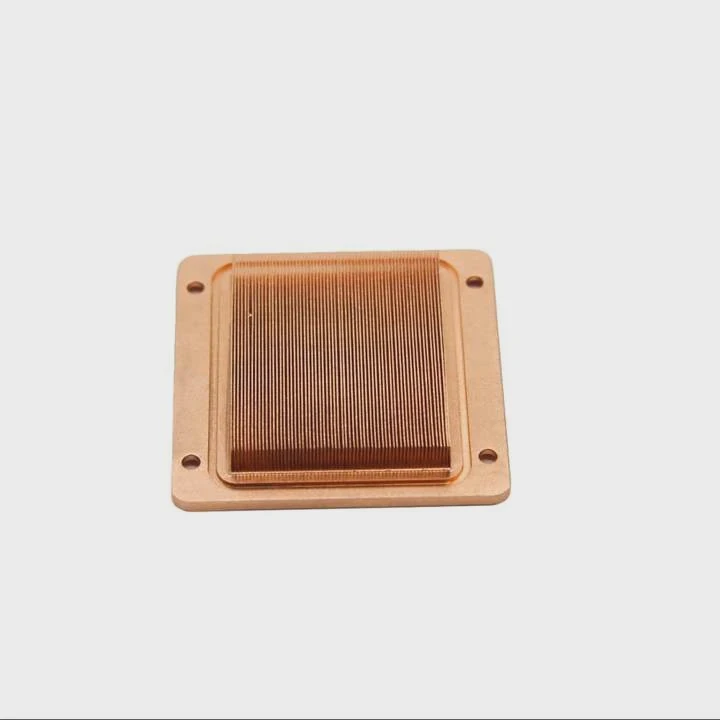
When the flow is optimized and components match, coolant circulates smoothly, ensuring consistent temperatures. That stability leads to reliable operation and reduced maintenance.
Main Benefits
| Benefit | Explanation |
|---|---|
| Better thermal efficiency | Faster removal of heat from critical parts |
| Longer component life | Lower temperature slows material degradation |
| Reduced noise | Liquid absorbs and transports heat quietly |
| Compact design | Smaller radiators replace large air coolers |
| Stable performance | Constant thermal balance under variable loads |
For industrial clients, we measure this advantage in real-time. Lower operating temperature can double component lifetime, especially in electronics and power systems.
In data centers, for example, liquid cooling can reduce total energy use by up to 30%. This directly translates into savings and sustainability gains.
Additional Performance Factors
A good setup maintains balanced pressure between inlet and outlet. Uneven flow leads to hotspots or pump strain. The system should also minimize bubbles, as trapped air disrupts circulation. Using a reservoir with an air separator helps maintain constant flow.
Thermal grease or paste between the cooling block and heat source improves heat conduction. I recommend checking it every few months, especially in high-load systems.
When a system runs quietly and stays cool under heavy work, that’s when you know the setup is done right.
How to set it up efficiently?
When I build a system, I follow a simple rule: start from the heat source, and let the coolant find its way logically back to the radiator.
To set up a liquid cooling system efficiently, plan the layout, minimize tubing length, ensure airtight connections, bleed air from the loop, and test for leaks before full operation.
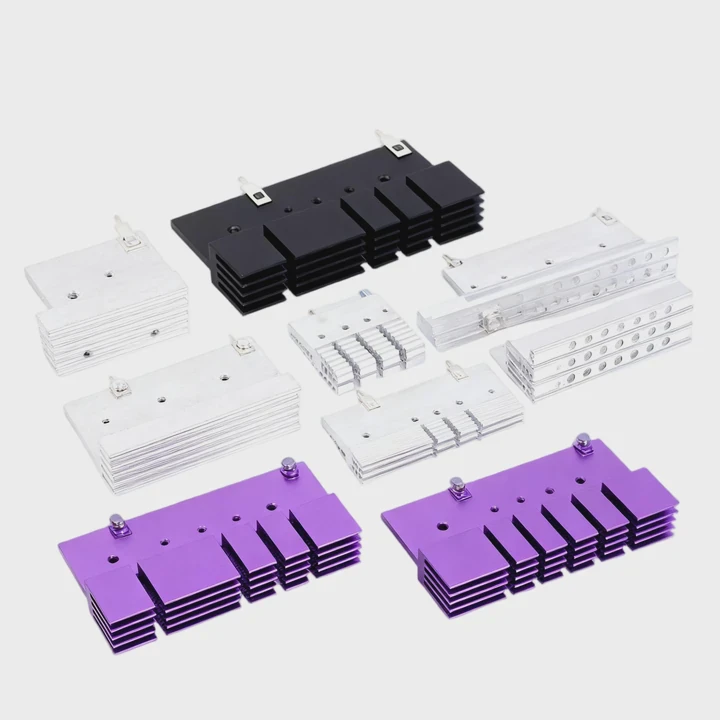
Efficiency means doing more with less—less resistance, fewer joints, and minimum temperature drop. The system should circulate heat seamlessly, like water flowing down a clean stream.
Step-by-Step Setup Guide
| Step | Action | Purpose |
|---|---|---|
| 1 | Design loop order | Plan path from heat source → block → radiator → pump → reservoir |
| 2 | Mount components | Secure pump, radiator, and blocks to chassis or fixture |
| 3 | Connect tubing | Cut precisely and attach with compression fittings |
| 4 | Fill coolant | Use funnel and fill slowly to avoid air traps |
| 5 | Leak test | Run pump for 30 minutes before powering electronics |
| 6 | Bleed air | Tilt system and release trapped bubbles |
| 7 | Check temperature | Ensure steady cooling under test load |
Efficiency Tips
- Keep tubing as short and direct as possible.
- Position radiator fans for push–pull airflow to increase cooling capacity.
- Maintain pump below reservoir to ensure constant liquid feed.
- Use thermal paste evenly when attaching the cooling block.
- Test under partial load before full use to identify potential flow issues.
In high-power systems like electric vehicles or industrial drives, this process becomes more complex. Sensors and controllers are added to monitor flow rate, pressure, and temperature in real time. Using digital monitoring ensures the system adjusts automatically to thermal changes.
Troubleshooting Guide
If temperatures rise unexpectedly:
- Check for air bubbles in the loop.
- Verify pump speed and power.
- Inspect tubing for kinks or blockages.
- Clean radiator fins for dust buildup.
- Confirm coolant quality and volume.
An efficient setup not only saves energy but also builds reliability. Once the loop runs silently and stably, it feels like the system breathes naturally.
What are the user-friendly trends in cooling setup?
Over the last few years, I’ve seen liquid cooling evolve from technical DIY projects into accessible, plug-and-play systems. This shift has made thermal control easier for engineers and hobbyists alike.
Modern trends in liquid cooling focus on modular design, smart monitoring, eco-friendly materials, and easy maintenance systems that simplify setup and operation.
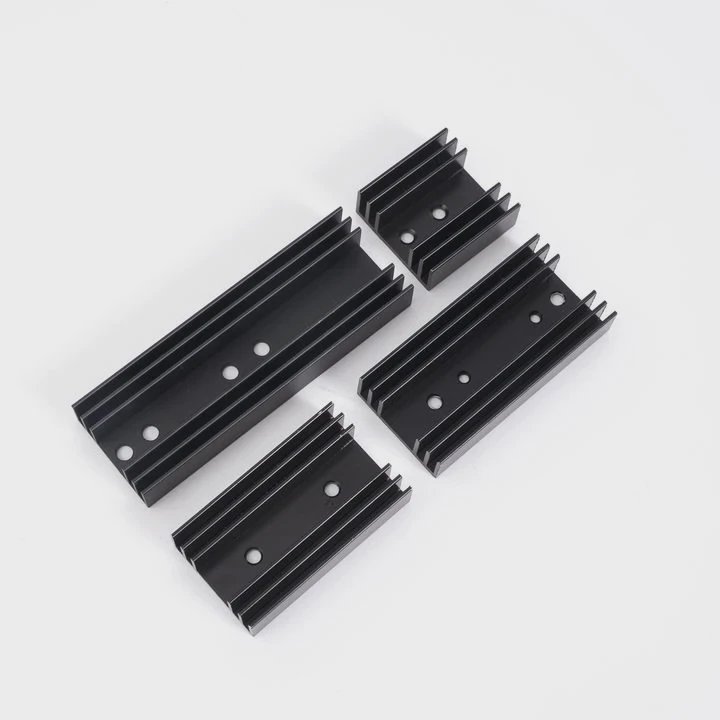
These innovations are not just about convenience—they redefine how we interact with heat management. Setting up a cooling loop used to mean manual tuning, but now systems think and adapt automatically.
1. Modular and Pre-filled Systems
Manufacturers now offer modular cooling kits that connect with quick-release fittings. The coolant comes pre-filled, eliminating air bleeding and leak testing. Users can add or remove components without draining the entire system.
2. Smart Sensors and Control Units
With IoT integration, sensors now measure temperature, flow, and pressure continuously. Software dashboards visualize performance and even send alerts when maintenance is needed. These tools make thermal management predictive rather than reactive.
3. Eco-Friendly Coolants
Environmental safety has driven the rise of non-toxic, biodegradable coolants. They resist algae growth, reduce corrosion, and require less disposal care. Many new systems use water-based nanofluids that improve thermal conductivity by 10–15%.
4. Compact Radiator Designs
Advances in material science have allowed for thin, high-density radiators with improved airflow patterns. These designs make systems smaller and lighter, ideal for portable devices or tight enclosures.
5. Aesthetic and Visual Feedback
Many consumer systems now include RGB lighting and transparent tubing, allowing users to see coolant flow visually. This not only improves aesthetics but also provides feedback—if bubbles or color changes occur, it indicates maintenance is needed.
6. AI-Driven Flow Optimization
Emerging AI algorithms analyze temperature patterns and adjust pump speeds dynamically. This keeps temperatures stable with minimal energy consumption. In industrial applications, such adaptive systems help prevent overheating or sudden shutdowns.
Example of modern setup trend comparison
| Trend | Description | Benefit |
|---|---|---|
| Modular kits | Preassembled parts | Faster installation |
| Smart monitoring | Real-time data and alerts | Predictive maintenance |
| Green coolants | Non-toxic, biodegradable liquids | Environmental safety |
| Compact radiators | Thinner, efficient fins | Space-saving |
| AI optimization | Automatic flow control | Energy efficiency |
These user-friendly trends are reshaping both industrial and consumer markets. They make liquid cooling accessible while improving safety, performance, and reliability.
In my experience, when users trust the system to manage heat automatically, they focus more on productivity and less on troubleshooting. That’s the ultimate goal of user-friendly design—to make technology invisible but dependable.
Conclusion
Setting up a liquid cooling system is both art and engineering. When done correctly, it creates a perfect balance of temperature, performance, and silence. Understanding each component, following a logical flow, and embracing modern tools lead to systems that are efficient, reliable, and ready for the future.
TAGS
Latest Articles

Volume discount levels for heat sink orders?
Buyers often ask when heat sink prices start to drop with volume. Many worry they’re overpaying for small orders. This guide explains how B2B volume pricing works for thermal components. Heat sink
21 Dec,2025
Heat sink long-term supply contract options?
Many buyers want stable pricing and reliable delivery for heat sinks. But without a clear contract, risks grow over time. This article explores how to secure better long-term supply deals. Long-term
21 Dec,2025
Tooling cost for new heat sink profiles?
Many engineers struggle to understand why tooling for custom heat sinks costs so much. They worry about budgeting and production timelines. This article breaks down the cost drivers behind tooling.
21 Dec,2025
Heat sink custom sample process steps?
Sometimes, starting a custom heat sink project feels overwhelming—too many steps, too many unknowns, and too many risks. You want a sample, but not endless delays. The process for requesting and
20 Dec,2025
Standard B2B terms for heat sink payments?
When buyers and sellers in B2B heat sink markets talk about payment, many don’t fully understand what’s standard. This can lead to delayed orders, miscommunication, and even lost business
20 Dec,2025
Heat sink pricing factors for large orders?
Heat sinks are vital for many systems. When prices rise, projects stall and budgets break. This problem can hit teams hard without warning. Large order heat sink pricing depends on many factors. You
20 Dec,2025Related Articles
- Is Liquid Cooling Worth It for PC?
- How much better is liquid cooling vs air cooling?
- Do You Need Liquid Cooling to Overclock?
- How to install Cooler Master liquid cooler?
- How to check liquid cooling?
- Do you need thermal paste for liquid cooling CPU?
- Where to buy liquid cooling parts?
- How to make an air-cooled engine liquid-cooled?
- How does liquid cooling CPU work?
- Do AIO coolers ever run out of liquid?
- Why does evaporation lead to cooling of the liquid?
- Does 9800X3D need liquid cooling?
Author
Dr. Emily Chen
Chief AI Researcher
Leading expert in thermal dynamics and AI optimization with over 15 years of experience in data center efficiency research.
Categories
Latest Products






Recommend Categories
- Liquid cooling plate Manufacturer
- Industrial Heat Sink Manufacturer
- Standard Heat Sink Manufacturer
- Aluminum Heat Sink Manufacturer
- Copper Heat Sink Manufacturer
- Anodized Heatsink Manufacturer
- Stamping heat sink Manufacturer
- Die Casting Heatsink Manufacturer
- Soldering heat sink Manufacturer
- CNC Parts Manufacturer
Latest Products
- Wholesale Aluminum Radiator
- Water Cooling Plate Kit
- Water Cooling Heat Sink
- Water Cooling Heat Sink Kit
- Stainless Steel Water Distributor
- Server Water Cooling Plate Kit
- Server Liquid Cooling System
- Server Aluminum Cooling Kit
- S19 Full Cover Cooling Plate
- S19 Cooling Plate Kit
- S19 Aluminum Cooling Plate
Contact Expert
Have questions about this article? Reach out to our experts directly.