How to pack Vapor Chamber for sea freight?
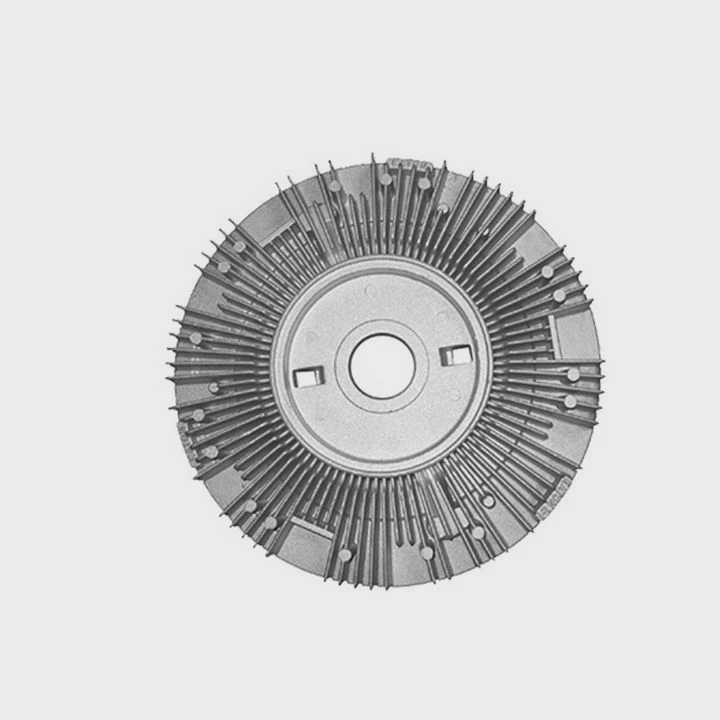
Incorrect packaging during ocean shipping may damage your vapor chambers before they reach the customer.
Yes, vapor chambers must be packed carefully for sea freight to prevent moisture, corrosion, and mechanical damage.
Let’s review the right packaging materials, crate types, and corrosion protection steps.
What is the recommended packaging for sea freight?
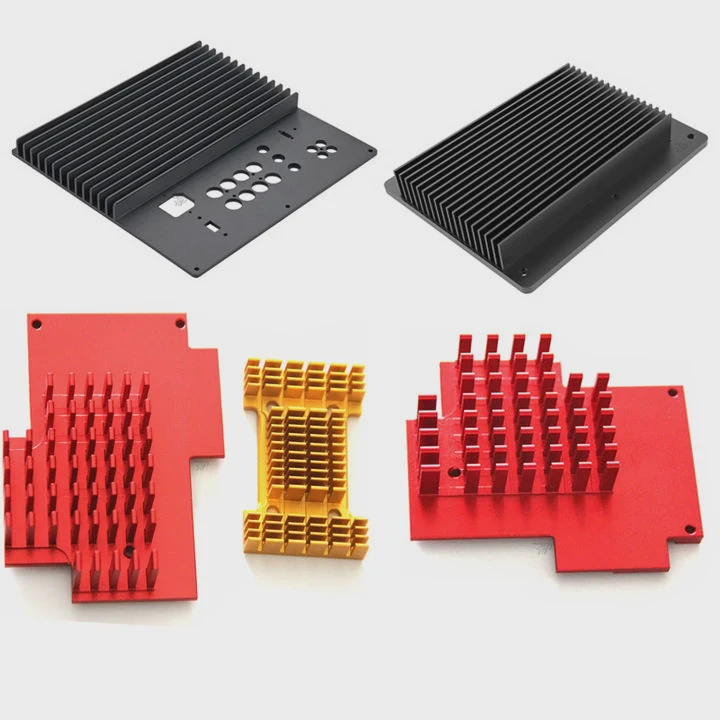
Sea freight is harsh. Long transit times, container stacking, moisture, and rough handling can damage delicate components like vapor chambers. That’s why packaging must offer both mechanical strength and environmental protection.
Vapor chambers should be packed using multi-layer protection including foam inserts, sealed inner boxes, and durable outer cartons or crates.
Recommended Packaging Structure
| Layer Type | Function | Material Example |
|---|---|---|
| Primary Protection | Direct contact layer, prevents scratching | ESD foam tray, PE bubble bag |
| Secondary Layer | Holds items, prevents collision | Corrugated inner box, honeycomb board |
| Tertiary Layer | Outer packaging, resists compression & impact | Plywood crate, triple-wall carton |
| Moisture Barrier | Blocks sea humidity and condensation | Vacuum bag, VCI film, desiccants |
| Load Stability | Prevents shifting during container movement | Pallet strapping, stretch wrap, corner guards |
Best Practices
- Use double-walled or triple-walled cartons for bulk shipments.
- Add foam or molded trays for vapor chamber shape.
- Separate each unit to avoid contact or vibration during transit.
- Use wooden crates only if pallets require added protection or if customer specifies it.
Don’t rely on regular retail-style packaging. Sea freight demands industrial-grade solutions.
Should Vapor Chambers be sealed in anti-moisture bags?

Yes, moisture is one of the biggest threats to vapor chambers during sea transit. Changes in temperature and humidity inside shipping containers cause condensation, which leads to oxidation or corrosion on exposed metal surfaces.
Yes, sealing vapor chambers in anti-moisture or vacuum bags with desiccants is strongly recommended for ocean shipments.
Types of Moisture Protection
| Protection Type | Description | Use for Vapor Chambers? |
|---|---|---|
| Vacuum bag | Removes air and seals unit | Yes |
| VCI (Volatile Corrosion Inhibitor) film | Releases anti-corrosion vapor | Yes |
| Aluminum foil bag | Moisture barrier with heat seal | Yes |
| Desiccant packs | Absorbs moisture inside sealed bag | Yes |
| Humidity indicator card | Shows moisture levels during transit | Optional but helpful |
Steps for Anti-Moisture Packing
- Clean the vapor chamber surface to remove any fingerprints or oil.
- Place desiccant sachet next to the chamber (1 per unit or per small group).
- Insert chamber into vacuum bag or VCI bag and seal it.
- Place the sealed unit into foam cut-out or padded tray.
- Place humidity indicator inside outer box or on bag.
This keeps the product protected for 30+ days at sea—even in tropical environments.
Are wooden crates required for Vapor Chamber shipping?
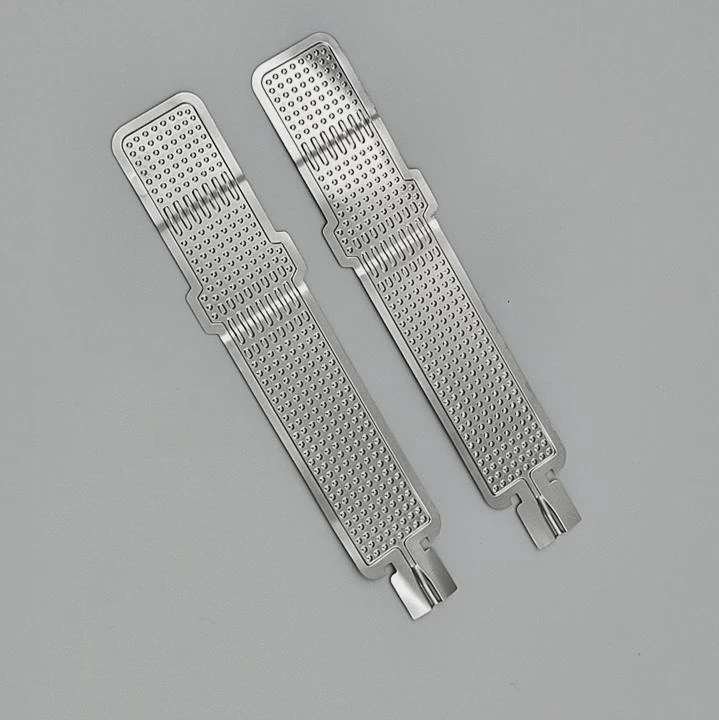
Wooden crates are often used in sea freight for heavy or fragile industrial goods. But they are not always necessary for vapor chambers, especially if the shipment is well-padded and not too heavy.
No, wooden crates are not mandatory, but they are recommended for bulk shipments or fragile designs needing extra impact resistance.
When to Use Wooden Crates
| Shipment Type | Crate Required? | Reason |
|---|---|---|
| Small sample orders | No | Use double-box and foam instead |
| Medium-sized bulk orders | Optional | Depends on stacking and fragility |
| Large batch (100+ pcs) | Yes | Protects against forklift damage |
| High-end precision vapor chambers | Yes | Enhances shock resistance and branding |
Wooden Crate Tips
- Use ISPM 15-compliant fumigated wood for international shipping.
- Line interior with plastic sheet or foam to prevent rubbing.
- Secure vapor chambers in fixed positions using EPE or PE foam.
- Include crate labels like “FRAGILE,” “DO NOT STACK,” and handling arrows.
Crates add cost and weight, but they reduce risk during container loading/unloading and forklift movement.
How to protect Vapor Chambers from salt corrosion?
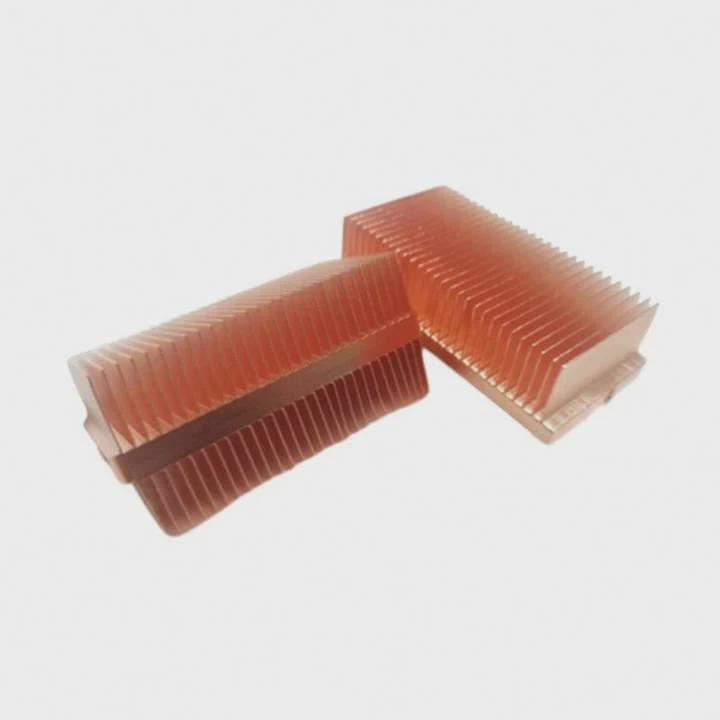
Salt air and humidity from ocean transport are highly corrosive to copper and aluminum. Even sealed vapor chambers can suffer surface oxidation or pitting if exposed to salty air during transit or storage.
To prevent salt corrosion, vapor chambers should be packed in sealed anti-corrosion bags, use VCI materials, and avoid direct air exposure during transit.
Key Anti-Corrosion Measures
Apply Surface Treatment
- Use anti-corrosion oil or clear passivation coating on exposed surfaces.
- Avoid direct contact between metals and cardboard.
Use VCI Packaging
- Wrap the vapor chamber in volatile corrosion inhibitor film.
- Place in sealed outer plastic bag or foil pouch.
Desiccant + Vacuum Sealing
- Add silica gel or calcium chloride packs inside the vacuum-sealed pouch.
- Include a humidity indicator card for monitoring.
Avoid Long Storage at Ports
- Ship promptly after packing.
- Avoid storing in coastal open-air warehouses.
Container Loading Strategy
- Keep palletized vapor chambers off the container floor.
- Use plastic slip-sheets to reduce water vapor exposure.
Packaging Material Table
| Material | Anti-Corrosion Benefit | Recommended? |
|---|---|---|
| VCI film wrap | Excellent | Yes |
| Aluminum-laminated vacuum bags | Excellent barrier | Yes |
| PE shrink wrap only | Poor moisture barrier | No |
| Kraft paper wrap | Absorbs moisture | No |
| Bubble wrap + VCI combo | Good with dual function | Yes |
Protecting against salt damage is critical if your vapor chambers are shipped via ports in high-humidity regions like Southeast Asia, South America, or coastal China.
Conclusion
Packing vapor chambers for sea freight requires layered protection against shock, moisture, and corrosion. Always use vacuum or VCI packaging with desiccants inside sealed bags. Wooden crates are helpful but not mandatory unless bulk shipping. And to avoid salt corrosion, limit exposure to humid air, especially near ports or container yards. Careful packaging ensures your product arrives intact and performance-ready.
TAGS
Latest Articles

Volume discount levels for heat sink orders?
Buyers often ask when heat sink prices start to drop with volume. Many worry they’re overpaying for small orders. This guide explains how B2B volume pricing works for thermal components. Heat sink
21 Dec,2025
Heat sink long-term supply contract options?
Many buyers want stable pricing and reliable delivery for heat sinks. But without a clear contract, risks grow over time. This article explores how to secure better long-term supply deals. Long-term
21 Dec,2025
Tooling cost for new heat sink profiles?
Many engineers struggle to understand why tooling for custom heat sinks costs so much. They worry about budgeting and production timelines. This article breaks down the cost drivers behind tooling.
21 Dec,2025
Heat sink custom sample process steps?
Sometimes, starting a custom heat sink project feels overwhelming—too many steps, too many unknowns, and too many risks. You want a sample, but not endless delays. The process for requesting and
20 Dec,2025
Standard B2B terms for heat sink payments?
When buyers and sellers in B2B heat sink markets talk about payment, many don’t fully understand what’s standard. This can lead to delayed orders, miscommunication, and even lost business
20 Dec,2025
Heat sink pricing factors for large orders?
Heat sinks are vital for many systems. When prices rise, projects stall and budgets break. This problem can hit teams hard without warning. Large order heat sink pricing depends on many factors. You
20 Dec,2025Related Articles
- Vapor Chamber shipping restrictions?
- CE marking rules for Vapor Chamber?
- Vapor Chamber REACH SVHC requirements?
- Vapor Chamber RoHS documentation sample?
- Vapor Chamber Quality Traceability System?
- Vapor Chamber recommended brazing method?
- Lead time for mass Vapor Chamber production?
- Best country to source Vapor Chamber?
- What affects Vapor Chamber unit price?
- Can Vapor Chamber be fully customized?
- MOQ for Vapor Chamber with CNC machining?
- Vapor Chamber design approval process?
Author
Dr. Emily Chen
Chief AI Researcher
Leading expert in thermal dynamics and AI optimization with over 15 years of experience in data center efficiency research.
Categories
Latest Products






Recommend Categories
- Liquid cooling plate Manufacturer
- Industrial Heat Sink Manufacturer
- Standard Heat Sink Manufacturer
- Aluminum Heat Sink Manufacturer
- Copper Heat Sink Manufacturer
- Anodized Heatsink Manufacturer
- Stamping heat sink Manufacturer
- Die Casting Heatsink Manufacturer
- Soldering heat sink Manufacturer
- CNC Parts Manufacturer
Latest Products
- Wholesale Aluminum Radiator
- Water Cooling Plate Kit
- Water Cooling Heat Sink
- Water Cooling Heat Sink Kit
- Stainless Steel Water Distributor
- Server Water Cooling Plate Kit
- Server Liquid Cooling System
- Server Aluminum Cooling Kit
- S19 Full Cover Cooling Plate
- S19 Cooling Plate Kit
- S19 Aluminum Cooling Plate
Contact Expert
Have questions about this article? Reach out to our experts directly.