What affects Vapor Chamber unit price?
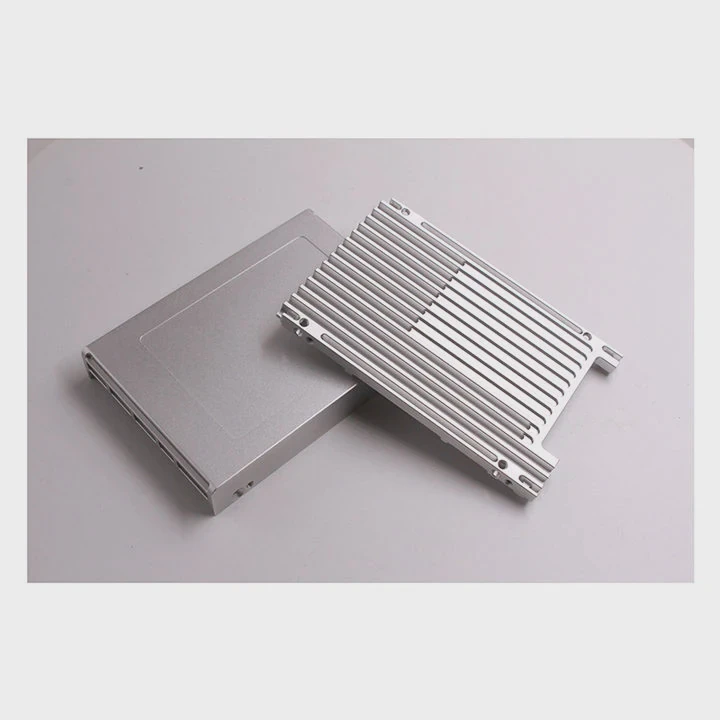
Unexpected cost spikes often surprise buyers of thermal components like vapor chambers.
Yes, unit prices of vapor chambers vary significantly depending on materials, structure, order size, and finish requirements.
Let’s break down each factor so you can budget and negotiate more effectively.
What factors influence Vapor Chamber unit pricing?
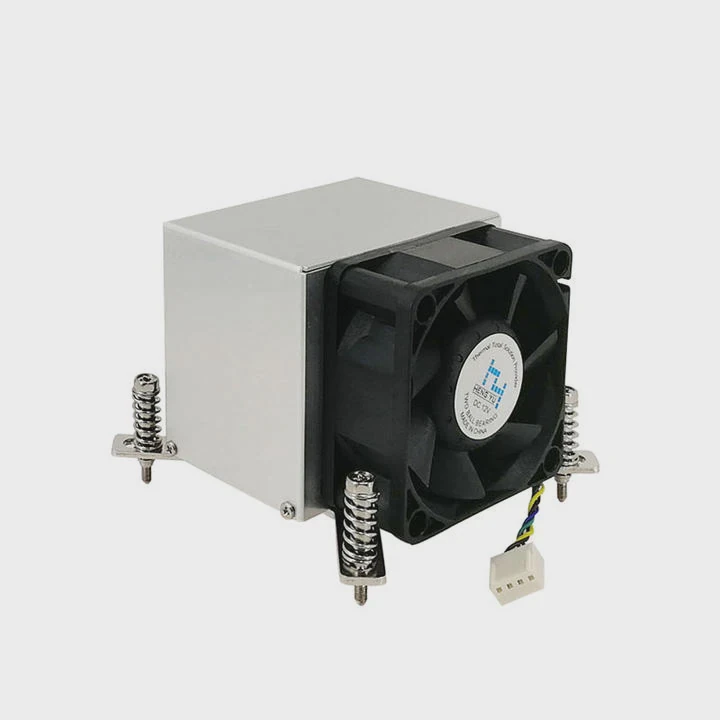
Vapor chamber pricing is not just about size or volume. Several variables come into play, from the design phase to packaging. Each element adds cost or saves it depending on how it’s specified.
Key factors influencing vapor chamber price include material type, internal structure complexity, tooling needs, quantity, and inspection level.
Main Pricing Drivers Overview
| Cost Factor | Description | Cost Impact |
|---|---|---|
| Material (copper, alloys) | Raw material prices fluctuate globally | High |
| Chamber dimensions | Larger = more material + longer forming time | Medium |
| Internal structure | Wick type (sintered vs. grooved) affects price | High |
| Tooling and dies | One-time or amortized over large orders | Medium to High |
| Custom shapes or cuts | Increases CNC or laser time | Medium |
| Quality inspection level | 100% testing vs. sampling adds labor | Medium |
| Surface finish/treatment | Coating, plating, polishing | Medium to High |
| Packaging | Industrial vs. ESD foam vs. retail | Low to Medium |
| Documentation required | RoHS, REACH, PPAP, 3D data | Low to Medium |
A vapor chamber that looks simple on the outside may hide complex internal networks or require advanced testing, making it more costly than expected.
Does material thickness impact the final price?
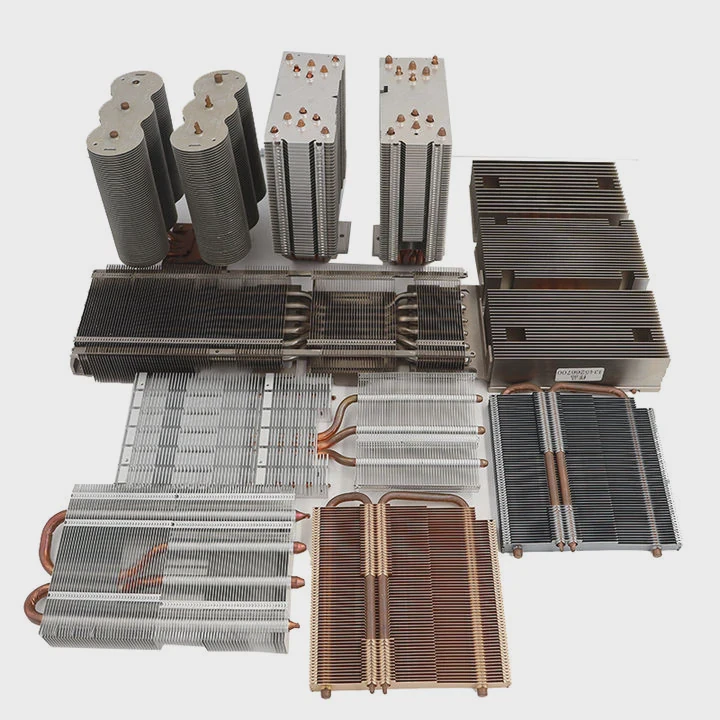
Yes. The thickness of the copper or other base material used in a vapor chamber directly affects both the cost of raw materials and the manufacturing process.
Thicker materials increase unit cost due to higher material consumption, longer forming time, and more heat input during welding or brazing.
Common Material Thickness Ranges
| Thickness (mm) | Application Use | Cost Implication |
|---|---|---|
| 0.2–0.3 mm | Mobile, ultra-thin devices | Lower material cost, high forming precision needed |
| 0.4–0.6 mm | Laptops, tablets | Balanced cost and strength |
| 0.7–1.0 mm | Servers, industrial PCs | Higher cost, better durability |
| >1.0 mm | EVs, telecom base stations | Highest cost, harder to form |
Cost Drivers with Thickness
- Copper Price Volatility: Copper prices change monthly, impacting total raw cost.
- Forming Pressure: Thicker copper needs higher pressure forming, reducing tool life.
- Sintering Efficiency: Thick walls absorb more heat, raising cycle time.
- Vacuum Sealing Complexity: Thicker chambers require longer sealing time and temperature control.
Reducing thickness saves cost, but risks performance and strength. Always balance performance with price in your specification.
How do order quantity and customization affect cost?
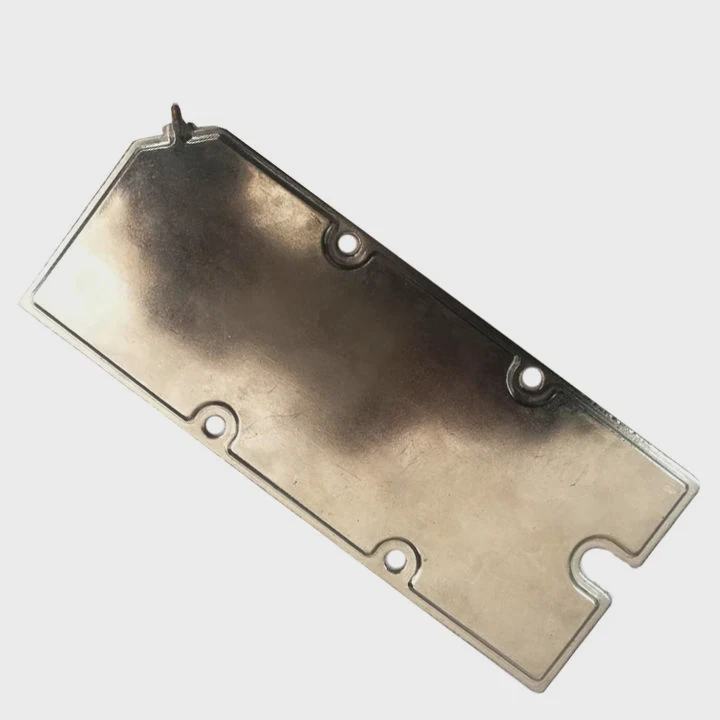
Order size is one of the biggest levers in vapor chamber pricing. Similarly, customization—whether in shape, structure, or finish—adds cost by disrupting standard flow or requiring extra tooling.
Larger quantities reduce unit cost via scale, while customizations increase cost due to setup time, low-yield risks, and tool changes.
Quantity vs. Unit Price
| Order Size (pcs) | Typical Unit Price Impact |
|---|---|
| <100 | Highest price, setup costs spread across few units |
| 100–500 | Moderate price, possible tooling amortization |
| 500–2,000 | Economies of scale begin |
| >2,000 | Lowest cost per unit |
Even a standard chamber design becomes cheaper when ordered in high volumes, as manufacturers can batch process and optimize labor.
Customization Cost Examples
| Custom Feature | Added Cost Reason |
|---|---|
| Special shape or profile | Requires CNC instead of stamping |
| Multi-zone vapor structure | Complex inner wick layout |
| Secondary assembly steps | Added parts or fixtures (e.g., flanges) |
| Tighter tolerances | More QC rejections and tool wear |
| Mixed material assembly | Different thermal expansion rates need special joining |
If your project allows, consider modifying your design to fit a semi-standard form factor already used by your supplier. It lowers price and shortens lead time.
Is finish treatment a major cost driver?
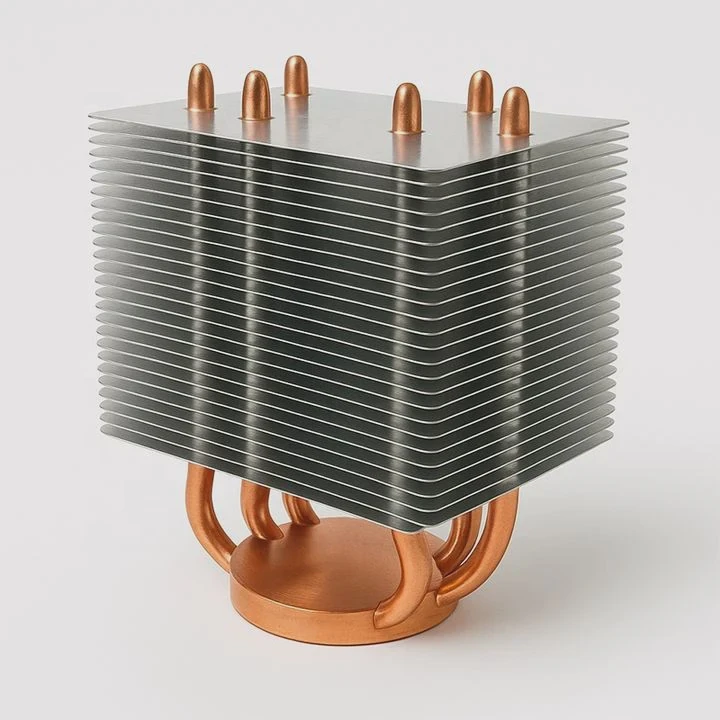
Yes, surface treatment can significantly impact price depending on the type and precision required. These finishes are often not just cosmetic—they serve thermal, corrosion, or assembly functions.
Yes, treatments like nickel plating, black anodizing, or polishing increase cost due to added processing, labor, and quality control.
Common Surface Treatments
| Treatment Type | Purpose | Cost Impact |
|---|---|---|
| Nickel Plating | Corrosion resistance, solderability | Medium |
| Electropolishing | Smooth surface for interface mounting | High |
| Anodizing | Aesthetic or insulation function | Medium |
| Black Coating | Infrared absorption or visual finish | Medium |
| Raw Finish | Cheapest, no treatment | Low |
Each surface finish involves additional process steps, such as cleaning, masking, dipping, or baking.
Things That Add Cost in Finishing
- Thickness Control: Tight coating tolerance requires slower lines and more inspection.
- Surface Pre-Treatment: Oxidation or burrs must be removed beforehand.
- Batch Uniformity: Cosmetic parts require visual consistency.
If cost is a concern, always ask the supplier whether raw finish is acceptable or if less expensive coatings can be used without performance loss.
Conclusion
Vapor chamber unit pricing is shaped by many factors—from raw copper thickness to design complexity and finish. While bulk orders and standard shapes reduce cost, custom specs, thick material, or high-end finishes drive it up. Smart sourcing means understanding each of these drivers and working with your supplier to find the right balance of cost and performance.
TAGS
Latest Articles

Volume discount levels for heat sink orders?
Buyers often ask when heat sink prices start to drop with volume. Many worry they’re overpaying for small orders. This guide explains how B2B volume pricing works for thermal components. Heat sink
21 Dec,2025
Heat sink long-term supply contract options?
Many buyers want stable pricing and reliable delivery for heat sinks. But without a clear contract, risks grow over time. This article explores how to secure better long-term supply deals. Long-term
21 Dec,2025
Tooling cost for new heat sink profiles?
Many engineers struggle to understand why tooling for custom heat sinks costs so much. They worry about budgeting and production timelines. This article breaks down the cost drivers behind tooling.
21 Dec,2025
Heat sink custom sample process steps?
Sometimes, starting a custom heat sink project feels overwhelming—too many steps, too many unknowns, and too many risks. You want a sample, but not endless delays. The process for requesting and
20 Dec,2025
Standard B2B terms for heat sink payments?
When buyers and sellers in B2B heat sink markets talk about payment, many don’t fully understand what’s standard. This can lead to delayed orders, miscommunication, and even lost business
20 Dec,2025
Heat sink pricing factors for large orders?
Heat sinks are vital for many systems. When prices rise, projects stall and budgets break. This problem can hit teams hard without warning. Large order heat sink pricing depends on many factors. You
20 Dec,2025Related Articles
- Best country to source Vapor Chamber?
- Lead time for mass Vapor Chamber production?
- How to pack Vapor Chamber for sea freight?
- Vapor Chamber shipping restrictions?
- CE marking rules for Vapor Chamber?
- Vapor Chamber REACH SVHC requirements?
- Can Vapor Chamber be fully customized?
- MOQ for Vapor Chamber with CNC machining?
- Vapor Chamber design approval process?
- Testing equipment needed for Vapor Chamber?
- Does Vapor Chamber need UL certification?
- How to evaluate Vapor Chamber supplier reliability?
Author
Dr. Emily Chen
Chief AI Researcher
Leading expert in thermal dynamics and AI optimization with over 15 years of experience in data center efficiency research.
Categories
Latest Products






Recommend Categories
- Liquid cooling plate Manufacturer
- Industrial Heat Sink Manufacturer
- Standard Heat Sink Manufacturer
- Aluminum Heat Sink Manufacturer
- Copper Heat Sink Manufacturer
- Anodized Heatsink Manufacturer
- Stamping heat sink Manufacturer
- Die Casting Heatsink Manufacturer
- Soldering heat sink Manufacturer
- CNC Parts Manufacturer
Latest Products
- Wholesale Aluminum Radiator
- Water Cooling Plate Kit
- Water Cooling Heat Sink
- Water Cooling Heat Sink Kit
- Stainless Steel Water Distributor
- Server Water Cooling Plate Kit
- Server Liquid Cooling System
- Server Aluminum Cooling Kit
- S19 Full Cover Cooling Plate
- S19 Cooling Plate Kit
- S19 Aluminum Cooling Plate
Contact Expert
Have questions about this article? Reach out to our experts directly.