Vapor Chamber design approval process?
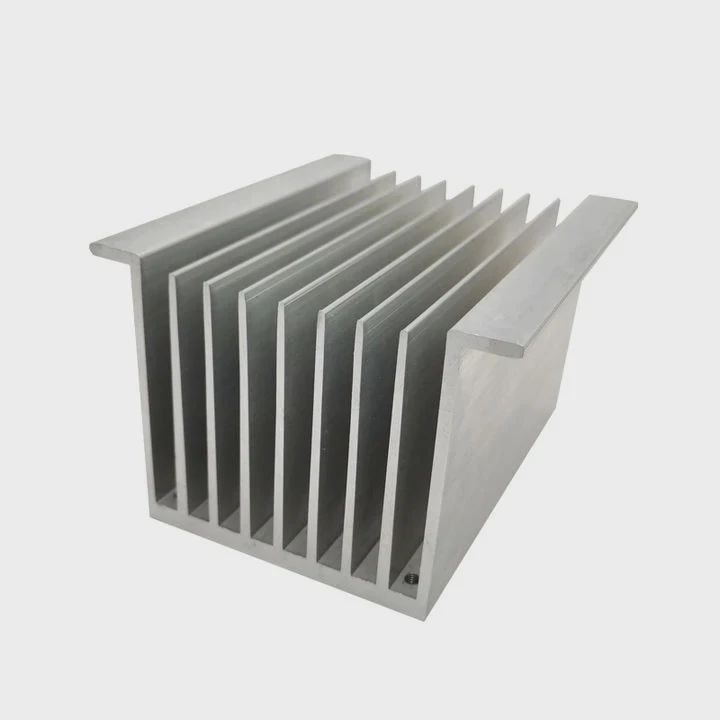
Skipping design approval can lead to performance issues, costly delays, or failed thermal targets.
Yes, vapor chamber designs go through a multi-step approval process involving drawing review, thermal simulation, prototype validation, and final documentation sign-off.
Let’s break down the full process so you can prepare for smoother production.
What steps are involved in design approval?
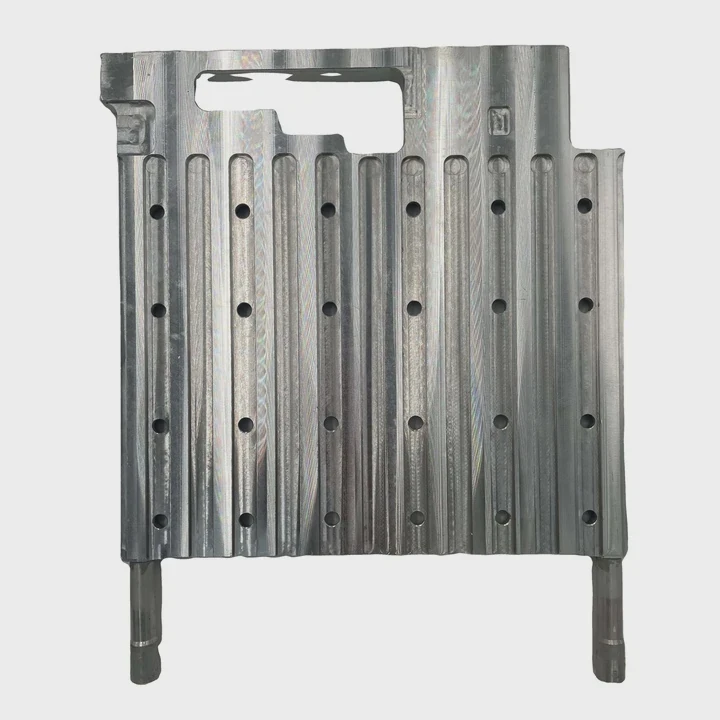
Designing a vapor chamber is not just about drawing a shape—it involves balancing mechanical, thermal, and manufacturability requirements. Each stage needs input from both the customer and supplier.
The vapor chamber design approval process includes drawing submission, feasibility analysis, prototype validation, and customer confirmation before mass production.
Design Approval Flow
| Step | Description |
|---|---|
| 1. Design Requirement Input | Customer shares thermal targets, layout, specs |
| 2. Preliminary Drawing Review | Supplier reviews 2D/3D drawings for feasibility |
| 3. DFM (Design for Manufacturing) Feedback | Adjustments for process compatibility |
| 4. Thermal Simulation | Simulate heat flow and thermal resistance |
| 5. 3D Modeling Confirmation | Finalize form and mounting details |
| 6. Prototype Sample Build | Physical vapor chamber sample made |
| 7. Performance Validation | Thermal and pressure testing |
| 8. Customer Approval Document | Sign-off with spec confirmation |
| 9. Golden Sample Archiving | Final model saved as reference for production |
Each of these stages helps align both sides—engineering teams and production—to avoid miscommunication and rework later on.
Is 3D modeling required before approval?
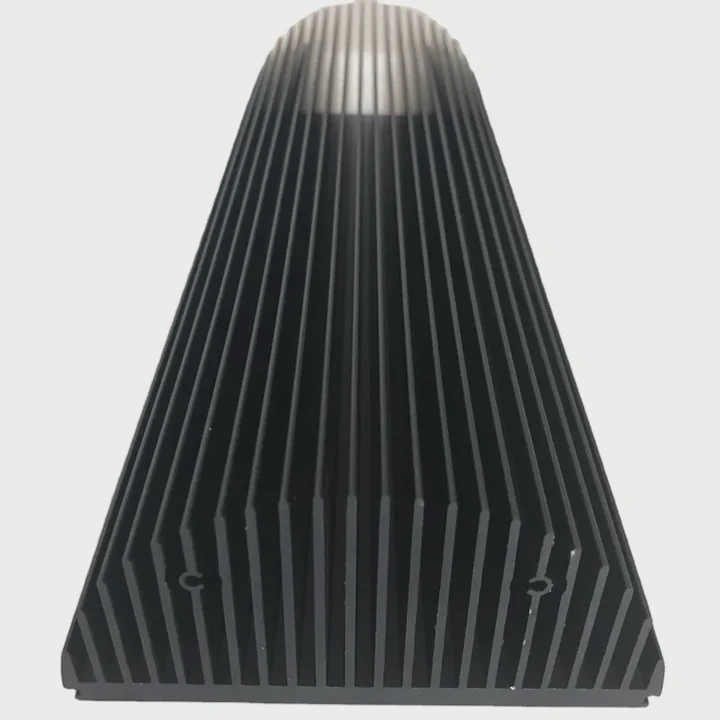
Yes, while 2D drawings are essential, a 3D model helps all parties visualize the chamber, check interface fit, and confirm mechanical compatibility with the target device.
Yes, 3D modeling is often required before final vapor chamber approval to ensure mechanical integration and clarify design intent.
Benefits of 3D Modeling
| Benefit | Application Example |
|---|---|
| Mounting hole confirmation | Aligns with screw or bracket points |
| Component clearance check | Avoids interference with other components |
| Flatness and thickness mapping | Helps with heat spreader contact zone |
| Edge radius & tolerance review | Ensures manufacturability |
| Assembly visualization | Improves communication with customer team |
Most suppliers work with formats like STEP, IGES, or native CAD files (SolidWorks, Pro/E). These allow seamless DFM reviews and internal process simulations.
If you’re reusing an existing vapor chamber format, 3D may not be strictly required. But for any new or modified design, it dramatically reduces approval errors.
How is thermal simulation used in review?
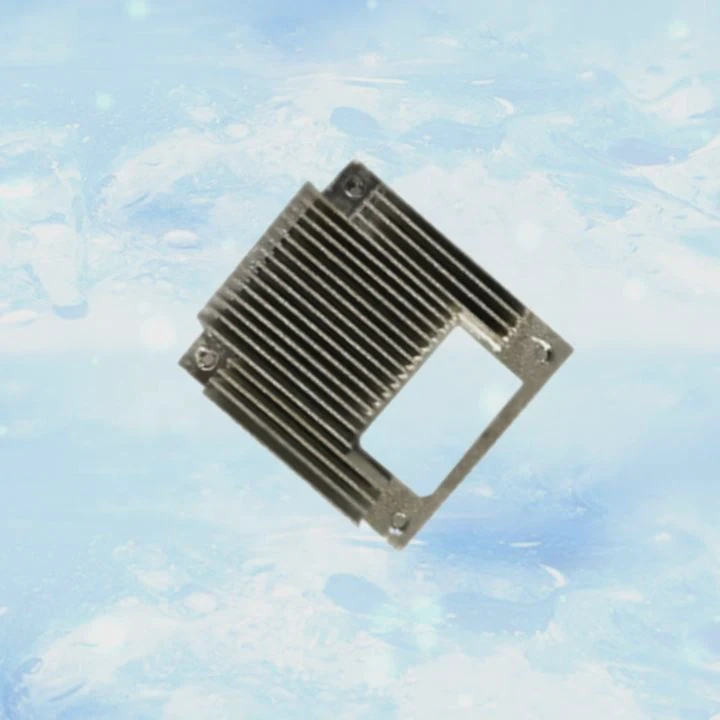
Thermal simulation is a crucial tool in the approval process. It predicts how well the vapor chamber will perform under real-world conditions—before a physical sample is built.
Yes, thermal simulation helps validate vapor chamber design by modeling heat flow, temperature gradient, and thermal resistance.
Common Simulation Outputs
| Output Metric | Purpose |
|---|---|
| Surface temperature map | Visualizes heat spread over chamber area |
| Thermal resistance (Rth) | Measured in °C/W, shows cooling efficiency |
| Heat flux density | Checks for local overheating zones |
| Vapor flow path | Confirms internal wick design performance |
| Evaporator/condenser balance | Ensures optimal heat input/output ratio |
Suppliers use CFD tools like ANSYS, FloTHERM, or in-house solvers for this purpose. Input parameters include:
- Heat source power and size
- Mounting surface area
- Chamber thickness
- Orientation
- Ambient conditions
Why Simulation Matters
- Reduces risk of underperforming samples
- Speeds up prototyping by catching issues early
- Helps justify material choices and thickness
- Validates multi-source or multi-zone layouts
Thermal simulation often leads to iterative design changes before samples are approved.
What documents confirm design approval?
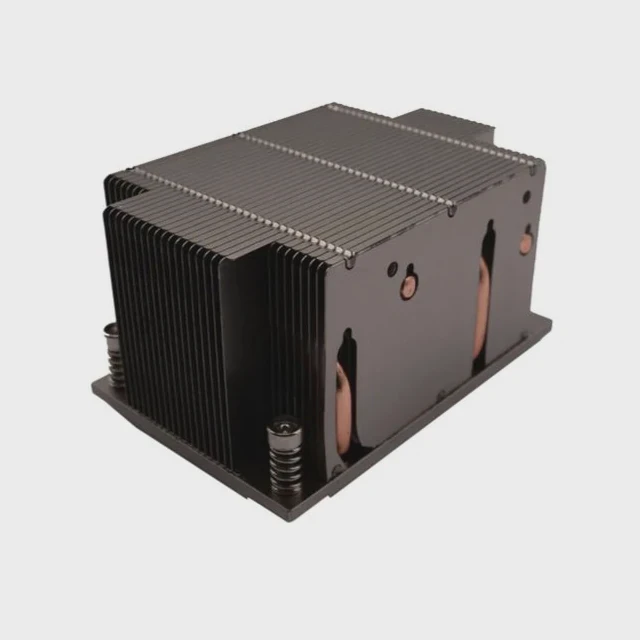
Once all reviews are complete, the supplier and customer both sign off on a design approval package. This formal confirmation locks in the chamber specs for production.
Design approval is confirmed through signed spec sheets, drawing releases, and golden sample validation reports.
Standard Design Approval Documents
| Document Type | Purpose |
|---|---|
| Approved 2D Drawing | Final dimensions, tolerances, hole placement |
| 3D Model Confirmation File | STEP or IGES file matched to final design |
| Design Specification Sheet | Materials, thermal target, fluid type |
| Simulation Report | Thermal performance verification |
| Golden Sample Inspection Report | Confirms size, flatness, and visual condition |
| Customer Approval Form | Signed confirmation of all above |
Some customers also request:
- RoHS or REACH declarations
- Surface treatment certificates
- Functional test results (temperature, pressure)
- BOM traceability (for critical applications)
Once these documents are signed, the vapor chamber enters production. Any change afterward may require a new approval cycle.
Conclusion
Vapor chamber design approval is a structured process involving drawing reviews, thermal simulation, 3D modeling, and customer sign-off. Clear documentation and validation at each stage ensure the final product meets performance and fit expectations. By following this process, both suppliers and customers reduce risk and improve production efficiency.
TAGS
Latest Articles

Volume discount levels for heat sink orders?
Buyers often ask when heat sink prices start to drop with volume. Many worry they’re overpaying for small orders. This guide explains how B2B volume pricing works for thermal components. Heat sink
21 Dec,2025
Heat sink long-term supply contract options?
Many buyers want stable pricing and reliable delivery for heat sinks. But without a clear contract, risks grow over time. This article explores how to secure better long-term supply deals. Long-term
21 Dec,2025
Tooling cost for new heat sink profiles?
Many engineers struggle to understand why tooling for custom heat sinks costs so much. They worry about budgeting and production timelines. This article breaks down the cost drivers behind tooling.
21 Dec,2025
Heat sink custom sample process steps?
Sometimes, starting a custom heat sink project feels overwhelming—too many steps, too many unknowns, and too many risks. You want a sample, but not endless delays. The process for requesting and
20 Dec,2025
Standard B2B terms for heat sink payments?
When buyers and sellers in B2B heat sink markets talk about payment, many don’t fully understand what’s standard. This can lead to delayed orders, miscommunication, and even lost business
20 Dec,2025
Heat sink pricing factors for large orders?
Heat sinks are vital for many systems. When prices rise, projects stall and budgets break. This problem can hit teams hard without warning. Large order heat sink pricing depends on many factors. You
20 Dec,2025Related Articles
- MOQ for Vapor Chamber with CNC machining?
- Can Vapor Chamber be fully customized?
- What affects Vapor Chamber unit price?
- Best country to source Vapor Chamber?
- Lead time for mass Vapor Chamber production?
- How to pack Vapor Chamber for sea freight?
- Testing equipment needed for Vapor Chamber?
- Does Vapor Chamber need UL certification?
- How to evaluate Vapor Chamber supplier reliability?
- Vapor Chamber Installation in HVAC Systems?
- Common Vapor Chamber application industries?
- How efficient is Vapor Chamber cooling?
Author
Dr. Emily Chen
Chief AI Researcher
Leading expert in thermal dynamics and AI optimization with over 15 years of experience in data center efficiency research.
Categories
Latest Products






Recommend Categories
- Liquid cooling plate Manufacturer
- Industrial Heat Sink Manufacturer
- Standard Heat Sink Manufacturer
- Aluminum Heat Sink Manufacturer
- Copper Heat Sink Manufacturer
- Anodized Heatsink Manufacturer
- Stamping heat sink Manufacturer
- Die Casting Heatsink Manufacturer
- Soldering heat sink Manufacturer
- CNC Parts Manufacturer
Latest Products
- Wholesale Aluminum Radiator
- Water Cooling Plate Kit
- Water Cooling Heat Sink
- Water Cooling Heat Sink Kit
- Stainless Steel Water Distributor
- Server Water Cooling Plate Kit
- Server Liquid Cooling System
- Server Aluminum Cooling Kit
- S19 Full Cover Cooling Plate
- S19 Cooling Plate Kit
- S19 Aluminum Cooling Plate
Contact Expert
Have questions about this article? Reach out to our experts directly.