CE marking rules for Vapor Chamber?
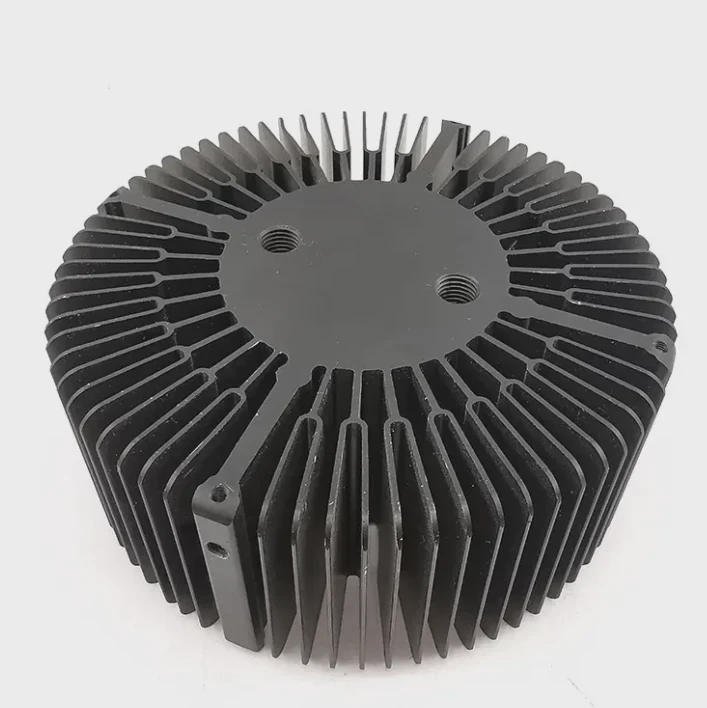
Many exporters wrongly assume every part needs CE marking—but that can lead to customs delays.
No, standalone vapor chambers usually do not require CE marking unless they are sold as part of an electrical or electronic product subject to EU directives.
Let’s break down how CE rules apply and what documentation is still needed.
Is CE marking required for standalone Vapor Chambers?
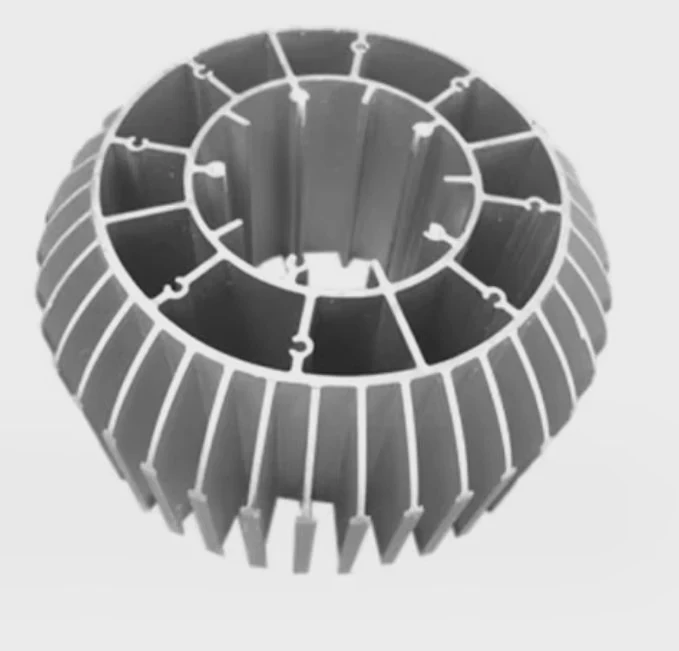
CE marking is only required for products that fall under one or more CE-relevant directives. A standalone vapor chamber, as a passive thermal component, usually does not meet that criteria.
No, vapor chambers sold on their own, without any electrical function or active component, do not require CE marking.
That’s because CE directives only apply to certain product categories. A vapor chamber does not emit radio signals, use electrical power, or involve pressure containment above limits.
Why most vapor chambers are excluded
| CE Directive | Does it apply to vapor chambers? | Reason |
|---|---|---|
| EMC Directive | No | Passive part—no electromagnetic interference |
| Low Voltage Directive | No | No electrical voltage present |
| RoHS (CE-linked labeling) | Indirect | Environmental compliance, not CE marking |
| Pressure Equipment Directive (PED) | Sometimes | Only applies if vapor pressure is high and volume significant |
| Machinery Directive | No | Not a machine or moving component |
| RED (Radio Equipment) | No | Vapor chamber does not transmit data |
Unless the vapor chamber is part of a system where those directives apply (e.g., thermal module in a CE-marked PCB assembly), it remains outside the CE scope.
However, documentation such as RoHS compliance, material traceability, and safety data is still required to support CE-marked assemblies where the vapor chamber is integrated.
What standards apply to CE for Vapor Chambers?
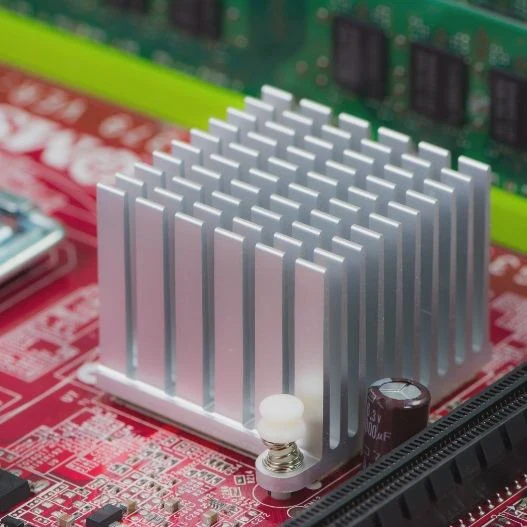
Even though CE marking itself may not apply directly, there are still EU standards and regulations you need to follow if vapor chambers are used in CE-compliant devices.
Vapor chambers must comply with component-level standards such as RoHS, REACH, and EN standards when integrated into CE-marked equipment.
This means your product must not contain restricted substances, and it must meet safety and documentation requirements so that final system manufacturers can meet CE rules.
Commonly Relevant Standards
| Standard / Regulation | Description | Applies to Vapor Chambers When… |
|---|---|---|
| RoHS Directive | Restricts hazardous substances | Chamber is used in electronic systems |
| REACH Regulation | Requires SVHC disclosure | Chamber contains or may contain listed chemicals |
| EN 50581 / EN IEC 63000 | Technical documentation for restricted substances | Needed for CE support files |
| EN 62321 | Testing standards for substance content | Used for RoHS verification |
| EN 60068 (environmental) | Tests for shock, vibration, heat | Applies if product is in harsh environment |
If your vapor chamber is part of a thermal module in a CE-certified product, you should ensure the entire bill of materials meets these standards.
Not CE, but CE-related
For example, a heat sink system with embedded vapor chambers in a power inverter sold in Europe will require CE marking. While the vapor chamber itself won’t carry the CE logo, its materials and design must meet standards that help the full system comply.
Manufacturers of such systems will demand from you:
- RoHS declarations
- EN 50581-style technical documentation
- REACH disclosures
- Material traceability and batch controls
So even without applying the CE mark to your chamber, you must align with CE-related compliance.
Can Vapor Chambers carry CE in assemblies only?
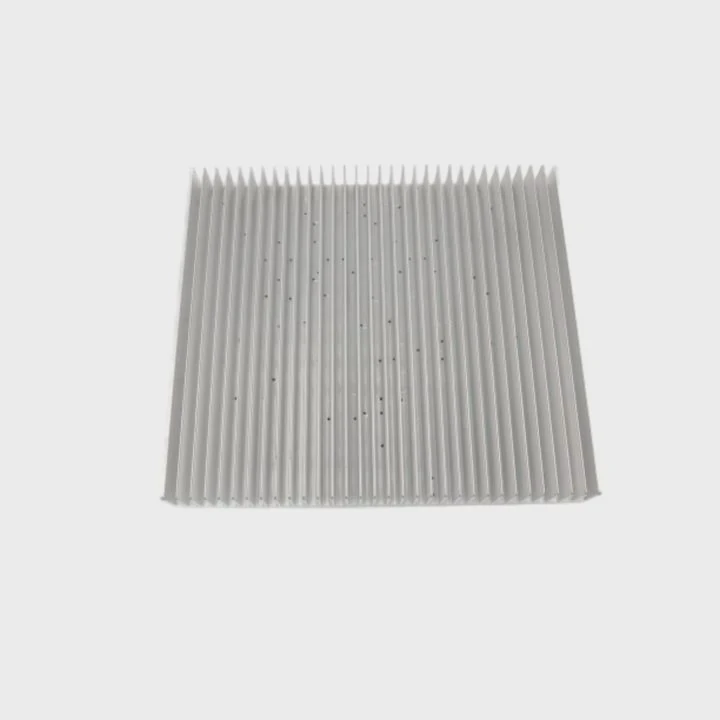
CE marking applies to finished products—not to raw parts or subassemblies. Therefore, vapor chambers do not carry CE on their own. But when installed inside a final product that must be CE marked, their compliance status contributes to the whole system’s certification.
Yes, vapor chambers can be part of CE-marked assemblies, but they themselves are not CE-marked as standalone components.
A CE-marked product such as a telecom base station or medical device may contain several vapor chambers for cooling. The system integrator will declare CE conformity based on a combination of all parts.
Your role as a vapor chamber supplier is to provide:
- Sub-component compliance documents (RoHS, REACH)
- Safety and materials declarations
- Manufacturing traceability and batch records
- Reliability or stress test data if requested
This supports the system-level conformity assessment by the final manufacturer.
Where confusion often occurs
Some buyers may ask for a CE certificate for the vapor chamber itself. This is technically incorrect unless the vapor chamber is integrated into a finished device that is being placed on the EU market with a CE mark.
You can respond by stating:
“As a passive component, the vapor chamber is not subject to CE marking under current EU directives. However, we provide full RoHS and REACH documentation, plus EN 63000-aligned technical files to support system-level CE compliance.”
That makes it clear you support CE requirements even if you’re not applying the logo yourself.
Summary Table
| Item | CE Mark on Product? | Supporting Documents Needed |
|---|---|---|
| Standalone vapor chamber | No | RoHS, REACH, material declaration |
| Thermal module with fan + chamber | Maybe | EMC, RoHS, system testing reports |
| CE-marked electronic device using chamber | Yes | Full CE conformity + supplier support docs |
Who issues CE declarations for Vapor Chambers?
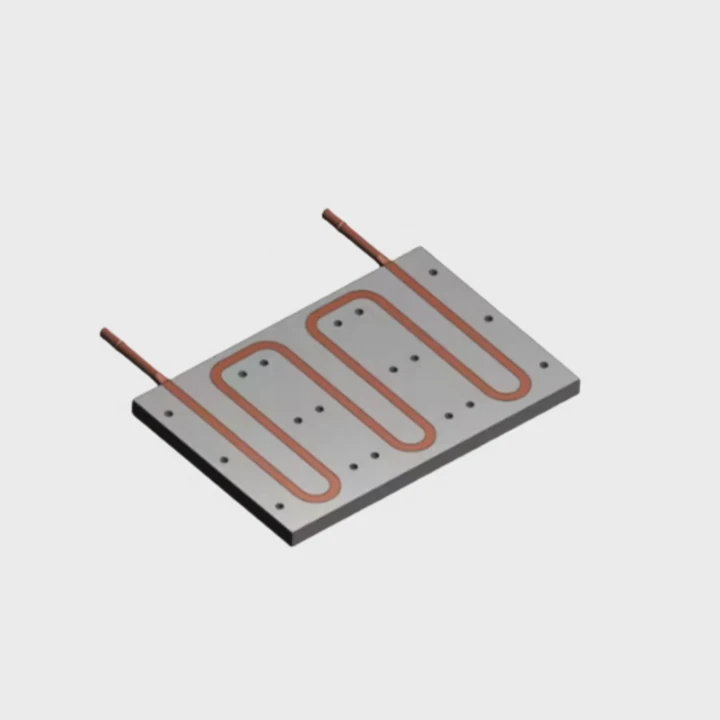
CE Declarations of Conformity (DoC) are issued by manufacturers or authorized representatives for products that fall under CE directives. Since most vapor chambers do not fall into that category, they don’t require a CE DoC.
Only the system manufacturer issues the CE Declaration when vapor chambers are part of a larger product. The vapor chamber supplier provides supporting compliance documentation.
You don’t need to issue a CE DoC unless your chamber becomes part of a complete product category requiring CE (like thermal assemblies with electronics).
What You Should Issue Instead
| Document | Purpose |
|---|---|
| RoHS Declaration | Confirms no restricted substances above thresholds |
| REACH Statement | Confirms no SVHCs above 0.1% w/w in any article |
| Technical File Summary | Describes materials, design, and risk assessments |
| Safety or reliability data | May be required for devices operating in harsh conditions |
| Batch traceability records | Ensures consistent material and process control |
If the vapor chamber is part of a system being certified, your customer will need these documents to compile their CE technical documentation.
Example Communication to Customers
“The vapor chamber is classified as a passive component not covered by CE-marking directives. While we do not issue a CE Declaration of Conformity for this item, we provide RoHS and REACH compliance documentation and full traceability records in support of CE-marked assemblies.”
This clarifies your role in the compliance chain and reassures the customer.
Conclusion
Vapor chambers do not require CE marking when sold as standalone parts. But if they are included in CE-marked assemblies, they must meet supporting standards like RoHS and REACH. Your job as a supplier is to provide accurate documentation that allows your customers to certify their systems. CE declarations are issued by final product manufacturers—not component suppliers. Focus on substance compliance, traceability, and test records to stay aligned with EU regulations.
TAGS
Latest Articles

Volume discount levels for heat sink orders?
Buyers often ask when heat sink prices start to drop with volume. Many worry they’re overpaying for small orders. This guide explains how B2B volume pricing works for thermal components. Heat sink
21 Dec,2025
Heat sink long-term supply contract options?
Many buyers want stable pricing and reliable delivery for heat sinks. But without a clear contract, risks grow over time. This article explores how to secure better long-term supply deals. Long-term
21 Dec,2025
Tooling cost for new heat sink profiles?
Many engineers struggle to understand why tooling for custom heat sinks costs so much. They worry about budgeting and production timelines. This article breaks down the cost drivers behind tooling.
21 Dec,2025
Heat sink custom sample process steps?
Sometimes, starting a custom heat sink project feels overwhelming—too many steps, too many unknowns, and too many risks. You want a sample, but not endless delays. The process for requesting and
20 Dec,2025
Standard B2B terms for heat sink payments?
When buyers and sellers in B2B heat sink markets talk about payment, many don’t fully understand what’s standard. This can lead to delayed orders, miscommunication, and even lost business
20 Dec,2025
Heat sink pricing factors for large orders?
Heat sinks are vital for many systems. When prices rise, projects stall and budgets break. This problem can hit teams hard without warning. Large order heat sink pricing depends on many factors. You
20 Dec,2025Related Articles
- Vapor Chamber REACH SVHC requirements?
- Vapor Chamber RoHS documentation sample?
- Vapor Chamber Quality Traceability System?
- Vapor Chamber recommended brazing method?
- Vapor Chamber for industrial robotics cooling?
- Vapor Chamber performance under vibration?
- Vapor Chamber shipping restrictions?
- How to pack Vapor Chamber for sea freight?
- Lead time for mass Vapor Chamber production?
- Best country to source Vapor Chamber?
- What affects Vapor Chamber unit price?
- Can Vapor Chamber be fully customized?
Author
Dr. Emily Chen
Chief AI Researcher
Leading expert in thermal dynamics and AI optimization with over 15 years of experience in data center efficiency research.
Categories
Latest Products






Recommend Categories
- Liquid cooling plate Manufacturer
- Industrial Heat Sink Manufacturer
- Standard Heat Sink Manufacturer
- Aluminum Heat Sink Manufacturer
- Copper Heat Sink Manufacturer
- Anodized Heatsink Manufacturer
- Stamping heat sink Manufacturer
- Die Casting Heatsink Manufacturer
- Soldering heat sink Manufacturer
- CNC Parts Manufacturer
Latest Products
- Wholesale Aluminum Radiator
- Water Cooling Plate Kit
- Water Cooling Heat Sink
- Water Cooling Heat Sink Kit
- Stainless Steel Water Distributor
- Server Water Cooling Plate Kit
- Server Liquid Cooling System
- Server Aluminum Cooling Kit
- S19 Full Cover Cooling Plate
- S19 Cooling Plate Kit
- S19 Aluminum Cooling Plate
Contact Expert
Have questions about this article? Reach out to our experts directly.