Vapor Chamber recommended brazing method?
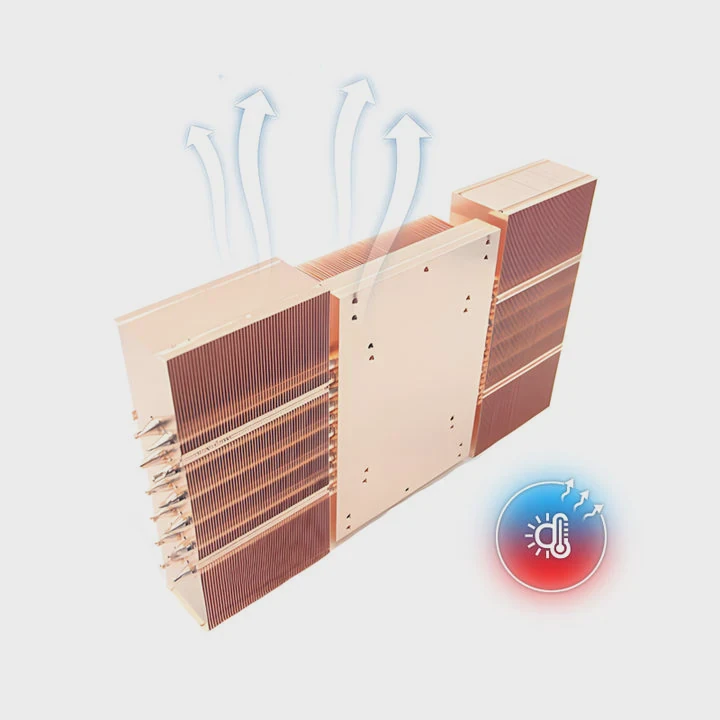
Creating a high-performance vapor chamber depends heavily on a reliable brazing process. If the brazed joints fail, the entire heat transfer system can lose vacuum or develop leaks. Good brazing ensures durability, heat flow efficiency, and vacuum seal integrity.
The most recommended method for vapor chamber brazing is vacuum furnace brazing, which delivers clean, flux-free, and leak-tight joints with excellent thermal and structural reliability.
Choosing the right brazing technique directly affects product performance, especially for high-power or high-precision thermal modules.
What brazing techniques are best for Vapor Chamber assembly?
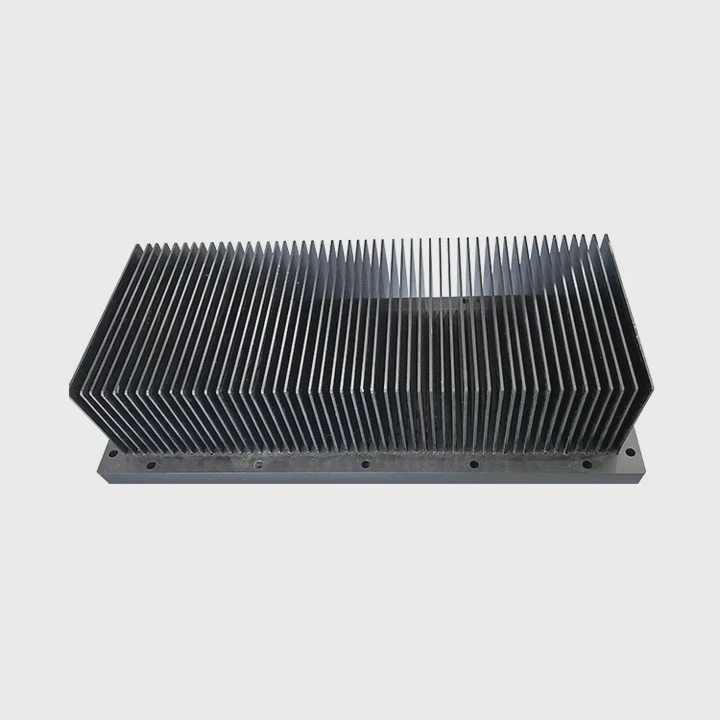
Vapor chambers require a brazing process that is not only strong and conductive but also airtight. The method must also be gentle enough to avoid damaging the internal wick structure or warping thin metal walls.
Vacuum brazing and inert gas furnace brazing are the most effective techniques for vapor chamber assembly due to their uniform heating, clean joints, and vacuum compatibility.
Comparison of brazing techniques:
| Brazing Technique | Suitable for Vapor Chambers | Notes |
|---|---|---|
| Vacuum Furnace Brazing | ✅ Best Option | Provides clean, oxidation-free, sealed joints |
| Inert Gas Furnace Brazing | ✅ Good Option | Lower cost, controlled atmosphere |
| Induction Brazing | ⚠️ Limited Use | Only for localized joints or secondary sealing |
| Manual Torch Brazing | ❌ Not Recommended | Risk of oxidation, flux residue, poor joint control |
For large flat surfaces or sealed chambers, full-surface vacuum brazing allows uniform heat distribution and consistent capillary filler flow. This reduces the chances of joint porosity, distortion, or residual contamination.
Fixtures used during brazing must maintain tight tolerances to preserve flatness and avoid mechanical stress. Proper joint gap design, surface cleaning, and filler selection are also essential to a successful bond.
Is vacuum brazing preferred for Vapor Chamber manufacturing?
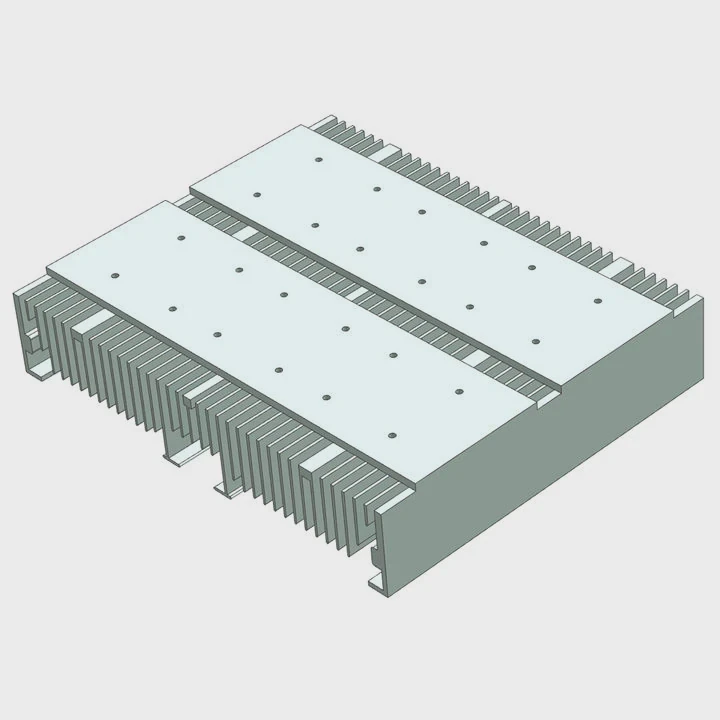
Vacuum brazing is often considered the gold standard in vapor chamber manufacturing. This method offers excellent control over joint quality and is especially well-suited for copper or aluminum vapor chambers used in high-end applications.
Yes — vacuum brazing is preferred because it produces flux-free, oxide-free, and highly reliable joints with minimal deformation and excellent vacuum sealing.
Benefits of vacuum brazing:
- Clean Joints: No flux means no residue inside the sealed chamber.
- High Vacuum Integrity: Reduces leak risks for internal working fluid.
- Uniform Heating: Ensures even filler flow and minimal thermal stress.
- Improved Thermal Performance: Clean joints improve heat transfer between components.
- Compatibility with Complex Shapes: Ideal for multi-layer or large-format chambers.
Despite higher equipment costs and process control demands, vacuum brazing provides unmatched reliability, especially in products exposed to thermal cycling, vibration, or long-term use.
In industries such as aerospace, semiconductors, and high-end computing, vapor chambers made via vacuum brazing consistently deliver superior results in both performance and lifespan.
How does brazing temperature affect Vapor Chamber quality?
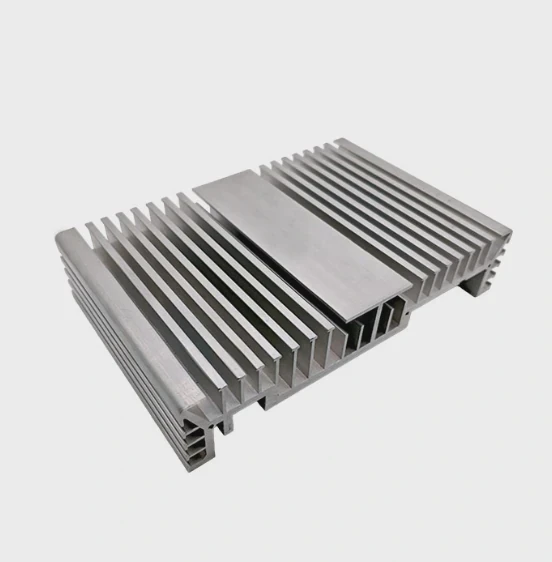
Brazing temperature needs to be carefully controlled. Too low, and the filler doesn’t flow properly. Too high, and the chamber structure or wick may be damaged.
Brazing temperature directly affects the joint strength, thermal conductivity, internal wick integrity, and flatness of the vapor chamber.
Key effects of brazing temperature:
- Joint Formation: Optimal temperature ensures full filler wetting and capillary flow. Poor filler flow leads to weak or leaky joints.
- Wick Protection: Excessive temperature may degrade or deform the internal wick, affecting capillary action and fluid cycling.
- Flatness: Overheating or uneven heating can warp the thin chamber plates, reducing contact area and increasing thermal resistance.
- Internal Pressure: If temperatures exceed design limits, residual pressure differences may cause deformation or stress inside the sealed body.
- Cooling Rate Impact: Too fast cooling may induce stress, while slow cooling helps avoid cracks or brittle zones.
Best practices for temperature control:
- Use precise thermal profiles matched to filler alloy melting range.
- Maintain consistent heating across the entire chamber to prevent warping.
- Avoid overheating which can cause grain growth in metals and degrade internal structures.
- Implement proper fixture design to constrain movement during brazing.
A well-controlled temperature cycle is essential to preserving chamber shape, maintaining internal vacuum tightness, and ensuring thermal performance over time.
Can poor brazing lead to Vapor Chamber leakage?
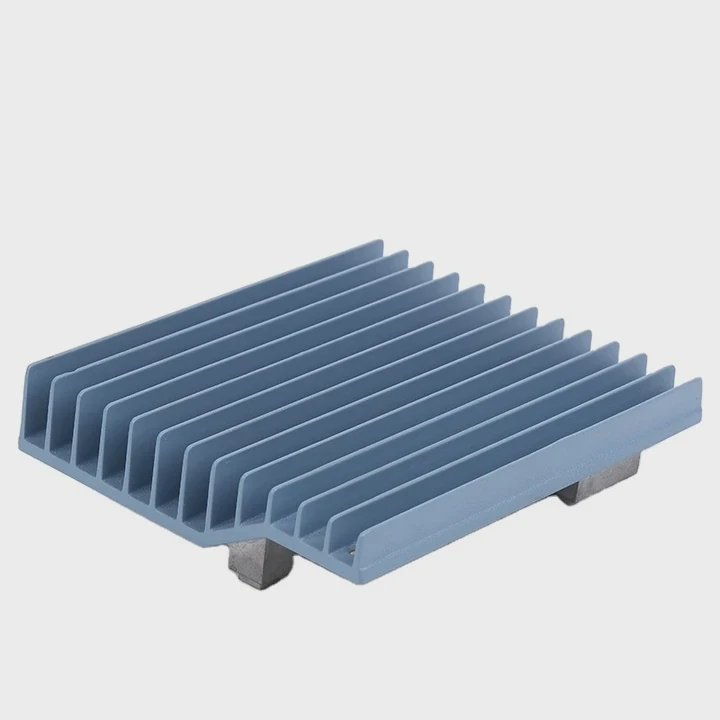
Leaks in a vapor chamber usually result from flawed brazing. A poor joint allows air or moisture in or lets working fluid escape. Even small defects can ruin performance.
Yes — poor brazing can cause vapor chamber leakage due to voids, cracks, incomplete filler coverage, or improper sealing of edges and seams.
Common brazing defects that lead to leaks:
- Porosity: Voids in the filler allow gas paths to form.
- Incomplete Wetting: Causes weak, dry joints that crack under stress.
- Undersized Joint Gap: Restricts filler flow, increasing the chance of leaks.
- Contaminated Surfaces: Dirt or oxide layers prevent bonding.
- Overheating: Warps plates and opens micro-gaps after cooling.
Consequences of leakage:
- Loss of internal vacuum breaks the thermal cycling process.
- Evaporated fluid escapes, leading to dry-out and overheating.
- Air and moisture inside the chamber promote internal corrosion.
- System performance drops due to increased thermal resistance.
Prevention tips:
- Clean all surfaces thoroughly before assembly.
- Use matched filler materials and design correct joint gaps.
- Monitor brazing cycles with calibrated equipment.
- Perform leak tests post-brazing using helium or vacuum decay methods.
In production, it’s essential to test every chamber after brazing for leaks. Visual inspection, pressure hold, or helium mass spectrometry are common methods used to catch hidden flaws before the product is filled or installed.
Conclusion
Brazing is a critical step in vapor chamber manufacturing. Vacuum brazing stands out as the preferred method due to its clean, consistent, and high-integrity joints. Temperature control, filler selection, and fixture design all contribute to successful chamber performance. Poor brazing can lead directly to leaks, loss of vacuum, and thermal failure. With precise processes and careful inspection, high-quality vapor chambers deliver long-lasting and efficient cooling in demanding environments.
TAGS
Latest Articles

Volume discount levels for heat sink orders?
Buyers often ask when heat sink prices start to drop with volume. Many worry they’re overpaying for small orders. This guide explains how B2B volume pricing works for thermal components. Heat sink
21 Dec,2025
Heat sink long-term supply contract options?
Many buyers want stable pricing and reliable delivery for heat sinks. But without a clear contract, risks grow over time. This article explores how to secure better long-term supply deals. Long-term
21 Dec,2025
Tooling cost for new heat sink profiles?
Many engineers struggle to understand why tooling for custom heat sinks costs so much. They worry about budgeting and production timelines. This article breaks down the cost drivers behind tooling.
21 Dec,2025
Heat sink custom sample process steps?
Sometimes, starting a custom heat sink project feels overwhelming—too many steps, too many unknowns, and too many risks. You want a sample, but not endless delays. The process for requesting and
20 Dec,2025
Standard B2B terms for heat sink payments?
When buyers and sellers in B2B heat sink markets talk about payment, many don’t fully understand what’s standard. This can lead to delayed orders, miscommunication, and even lost business
20 Dec,2025
Heat sink pricing factors for large orders?
Heat sinks are vital for many systems. When prices rise, projects stall and budgets break. This problem can hit teams hard without warning. Large order heat sink pricing depends on many factors. You
20 Dec,2025Related Articles
- Vapor Chamber for industrial robotics cooling?
- Vapor Chamber performance under vibration?
- Vapor Chamber pressure leak test method?
- Common defects in Vapor Chamber manufacturing?
- Vapor Chamber lifetime expectation?
- Should Vapor Chamber use pure copper?
- Vapor Chamber Quality Traceability System?
- Vapor Chamber RoHS documentation sample?
- Vapor Chamber REACH SVHC requirements?
- CE marking rules for Vapor Chamber?
- Vapor Chamber shipping restrictions?
- How to pack Vapor Chamber for sea freight?
Author
Dr. Emily Chen
Chief AI Researcher
Leading expert in thermal dynamics and AI optimization with over 15 years of experience in data center efficiency research.
Categories
Latest Products






Recommend Categories
- Liquid cooling plate Manufacturer
- Industrial Heat Sink Manufacturer
- Standard Heat Sink Manufacturer
- Aluminum Heat Sink Manufacturer
- Copper Heat Sink Manufacturer
- Anodized Heatsink Manufacturer
- Stamping heat sink Manufacturer
- Die Casting Heatsink Manufacturer
- Soldering heat sink Manufacturer
- CNC Parts Manufacturer
Latest Products
- Wholesale Aluminum Radiator
- Water Cooling Plate Kit
- Water Cooling Heat Sink
- Water Cooling Heat Sink Kit
- Stainless Steel Water Distributor
- Server Water Cooling Plate Kit
- Server Liquid Cooling System
- Server Aluminum Cooling Kit
- S19 Full Cover Cooling Plate
- S19 Cooling Plate Kit
- S19 Aluminum Cooling Plate
Contact Expert
Have questions about this article? Reach out to our experts directly.