Vapor Chamber REACH SVHC requirements?
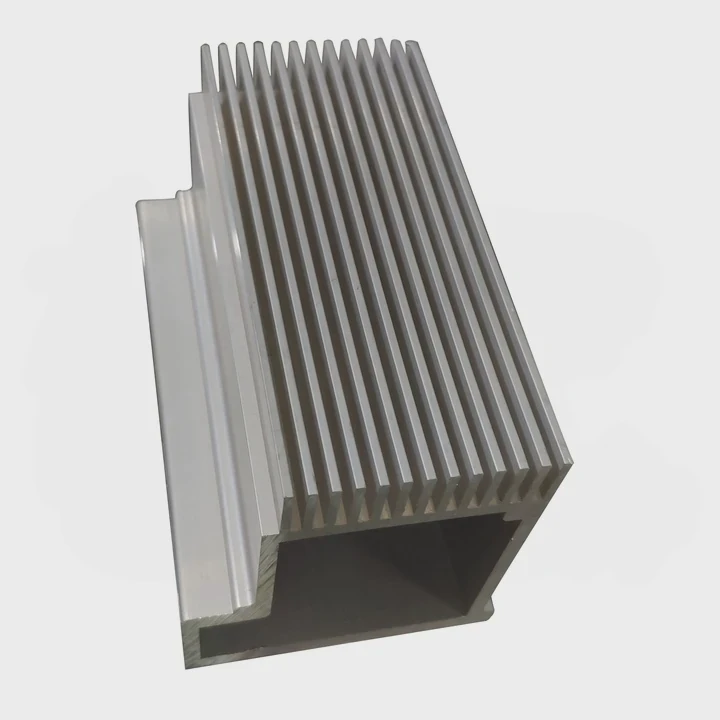
Failure to address REACH SVHC requirements could lead to product bans or customer rejection.
Yes, vapor chambers used in electronic devices must comply with REACH regulations, especially regarding substances of very high concern (SVHCs).
Let’s explore what’s required, how to check compliance, and what your suppliers must disclose.
What are REACH SVHC rules for Vapor Chambers?
REACH is the European Union’s regulation on chemicals—Registration, Evaluation, Authorisation, and Restriction of Chemicals. SVHCs are specific chemicals identified under REACH that may pose risks to human health or the environment. Even components like vapor chambers must follow these rules if sold into the EU.
SVHC rules require companies to identify and disclose if any listed SVHC is present above 0.1% weight by weight in any article, such as a vapor chamber.
If a vapor chamber contains any SVHC in that amount, you must inform recipients and possibly notify the European Chemicals Agency (ECHA).
Key Requirements for Vapor Chambers
| Requirement Type | Description |
|---|---|
| SVHC Threshold | 0.1% w/w (weight by weight) per article |
| Notification to Customers | Mandatory if SVHCs exceed threshold |
| ECHA Notification (Article 7.2) | Required if >1 tonne/year is imported and SVHC >0.1% in any component |
| SCIP Database Submission | Mandatory for EU market articles with SVHCs above threshold |
| Ongoing Monitoring | SVHC list updates every 6 months—currently over 240 substances |
What counts as an “article”?
A vapor chamber is an “article” under REACH. It has a defined shape, function, and is not a fluid or powder. This means each vapor chamber unit is evaluated independently for SVHC content.
If a chamber is integrated into another product (like a cooling module), SVHC content is still assessed at the article level.
Do Vapor Chambers contain substances of concern?
Yes, vapor chambers might contain SVHCs depending on the materials used—especially in solder, coatings, brazing agents, or manufacturing processes. Common SVHC risks include heavy metals, flame retardants, or plasticizers used in seals or adhesives.
Typical SVHC risks in vapor chambers include lead (Pb), cadmium (Cd), chromium(VI), and certain phthalates.
These substances are often used in:
- Solder alloys (e.g., PbSn solder)
- Nickel or chromium surface coatings
- Epoxy or polymer adhesives used in sealing
- Plastic parts such as gaskets or thermal pads
High-Risk Materials Table
| Component | Possible SVHC Risk | Risk Factor |
|---|---|---|
| Solder | Lead (Pb), Cadmium (Cd) | Often in older or low-cost units |
| Metal coatings | Chromium (VI), Nickel | Plating or corrosion protection |
| Sealing adhesives | DEHP, DBP, BBP (phthalates) | Used in bonding non-metal parts |
| Thermal pads/foams | Halogenated flame retardants | Used in high-performance designs |
| Insulation layers | SVHC-class polymers | Depends on exact formulation |
Why this matters
Even small amounts of SVHCs can require reporting. If a single coating or solder joint contains 0.1% or more of a listed SVHC by weight, the whole vapor chamber becomes subject to REACH obligations.
This is especially true if you manufacture or import more than 1 tonne of vapor chambers per year into the EU. You then must submit data to the SCIP database and notify downstream users.
For exporters, it’s critical to screen for these materials and confirm with suppliers whether any SVHCs are present.
How to verify REACH compliance for Vapor Chambers?
To confirm that your vapor chamber is REACH compliant, you need detailed documentation from your suppliers and possibly testing. It’s not enough to simply “declare” compliance—you need proof.
REACH verification starts with full material declarations, backed by lab testing or chemical screening if needed.
Verification Steps
Request Full Material Declaration (FMD) Ask suppliers to provide an FMD listing all substances present in each component, including CAS numbers and concentrations.
Compare Against Latest SVHC List The ECHA publishes the updated SVHC candidate list every 6 months. Cross-check substances in the FMD with this list.
Ask for Supplier’s REACH Declaration The supplier should state whether SVHCs are present, their concentrations, and compliance with Article 33 and Article 7.
Conduct Lab Screening (if needed) If the supplier cannot confirm compliance, conduct chemical screening using methods like XRF, GC-MS, or ICP-OES.
Check Weight by Weight Threshold Determine if any SVHC exceeds 0.1% in the entire vapor chamber. This triggers disclosure and possibly SCIP reporting.
Maintain Compliance Records Store declarations, test reports, and communications for each vapor chamber model and batch. Update them regularly.
What a Good REACH Declaration Should Contain
| Field | What to Look For |
|---|---|
| Product Model and Batch | Matches your item exactly |
| Supplier Contact | Clear name, address, and responsible person |
| SVHC Status | “No SVHCs above 0.1%” or details of present ones |
| SVHC Details | Substance name, CAS number, concentration |
| Date and Validity | Should be current within 12 months |
| Signature or Confirmation | Signed by an authorized quality officer |
These documents form the basis of your compliance file. Without them, your product may face border holds or rejection by EU buyers.
Is supplier disclosure enough for REACH reporting?
Supplier declarations are an important part of your REACH compliance, but relying on them blindly is risky—especially for SVHCs, where changes in material sources may go unnoticed.
No, supplier disclosure alone is not always enough. You need supporting evidence, traceability, and an internal validation system.
Common Issues with Supplier Declarations
| Problem | Risk Created |
|---|---|
| Outdated declarations | SVHC list updates may make them invalid |
| No batch-specific info | General statement doesn’t cover your product |
| Missing CAS numbers | Cannot verify against ECHA’s SVHC list |
| No test data | Declaration not backed by lab screening |
| Unverified supply chain | Upstream changes may introduce SVHCs unknowingly |
To manage these risks, many companies implement a material compliance program:
Suggested REACH Compliance Program
Supplier Qualification
- Only approve suppliers who can provide full substance disclosures
- Audit periodically to confirm consistency
Material Database
- Track substances per part, per batch, with CAS numbers
- Use REACH software or spreadsheets
Incoming Quality Check
- Randomly sample parts for lab screening (e.g., XRF or ICP)
- Especially important for new suppliers or low-cost regions
SCIP Database Readiness
- If SVHCs >0.1%, prepare article-level data for submission
- Include material type, function, and concentration
Customer Communication
- Prepare REACH Article 33 disclosure templates
- Respond within 45 days to any SVHC inquiry
Supplier Management Table
| Best Practice | Benefit |
|---|---|
| Signed declarations | Legal accountability |
| Batch tracking | Links material to compliance |
| Lab reports (if available) | Extra assurance of accuracy |
| Annual updates | Keeps compliance data current |
| Testing triggers defined | Ensures high-risk parts are screened |
A complete REACH system goes beyond paperwork. It ensures you know what’s inside your product and can prove it if asked. That level of control builds trust with customers and regulators alike.
Conclusion
REACH SVHC compliance for vapor chambers means checking every material, confirming it’s below threshold, and collecting solid proof. You need full material declarations, lab testing when needed, and careful record keeping. Don’t just trust a single document—build a compliance system that tracks substances, batch changes, and supplier risks. That’s how you protect your business in the global market.
TAGS
Latest Articles

Volume discount levels for heat sink orders?
Buyers often ask when heat sink prices start to drop with volume. Many worry they’re overpaying for small orders. This guide explains how B2B volume pricing works for thermal components. Heat sink
21 Dec,2025
Heat sink long-term supply contract options?
Many buyers want stable pricing and reliable delivery for heat sinks. But without a clear contract, risks grow over time. This article explores how to secure better long-term supply deals. Long-term
21 Dec,2025
Tooling cost for new heat sink profiles?
Many engineers struggle to understand why tooling for custom heat sinks costs so much. They worry about budgeting and production timelines. This article breaks down the cost drivers behind tooling.
21 Dec,2025
Heat sink custom sample process steps?
Sometimes, starting a custom heat sink project feels overwhelming—too many steps, too many unknowns, and too many risks. You want a sample, but not endless delays. The process for requesting and
20 Dec,2025
Standard B2B terms for heat sink payments?
When buyers and sellers in B2B heat sink markets talk about payment, many don’t fully understand what’s standard. This can lead to delayed orders, miscommunication, and even lost business
20 Dec,2025
Heat sink pricing factors for large orders?
Heat sinks are vital for many systems. When prices rise, projects stall and budgets break. This problem can hit teams hard without warning. Large order heat sink pricing depends on many factors. You
20 Dec,2025Related Articles
- Vapor Chamber RoHS documentation sample?
- Vapor Chamber Quality Traceability System?
- Vapor Chamber recommended brazing method?
- Vapor Chamber for industrial robotics cooling?
- Vapor Chamber performance under vibration?
- Vapor Chamber pressure leak test method?
- CE marking rules for Vapor Chamber?
- Vapor Chamber shipping restrictions?
- How to pack Vapor Chamber for sea freight?
- Lead time for mass Vapor Chamber production?
- Best country to source Vapor Chamber?
- What affects Vapor Chamber unit price?
Author
Dr. Emily Chen
Chief AI Researcher
Leading expert in thermal dynamics and AI optimization with over 15 years of experience in data center efficiency research.
Categories
Latest Products






Recommend Categories
- Liquid cooling plate Manufacturer
- Industrial Heat Sink Manufacturer
- Standard Heat Sink Manufacturer
- Aluminum Heat Sink Manufacturer
- Copper Heat Sink Manufacturer
- Anodized Heatsink Manufacturer
- Stamping heat sink Manufacturer
- Die Casting Heatsink Manufacturer
- Soldering heat sink Manufacturer
- CNC Parts Manufacturer
Latest Products
- Wholesale Aluminum Radiator
- Water Cooling Plate Kit
- Water Cooling Heat Sink
- Water Cooling Heat Sink Kit
- Stainless Steel Water Distributor
- Server Water Cooling Plate Kit
- Server Liquid Cooling System
- Server Aluminum Cooling Kit
- S19 Full Cover Cooling Plate
- S19 Cooling Plate Kit
- S19 Aluminum Cooling Plate
Contact Expert
Have questions about this article? Reach out to our experts directly.