Lead time for mass Vapor Chamber production?
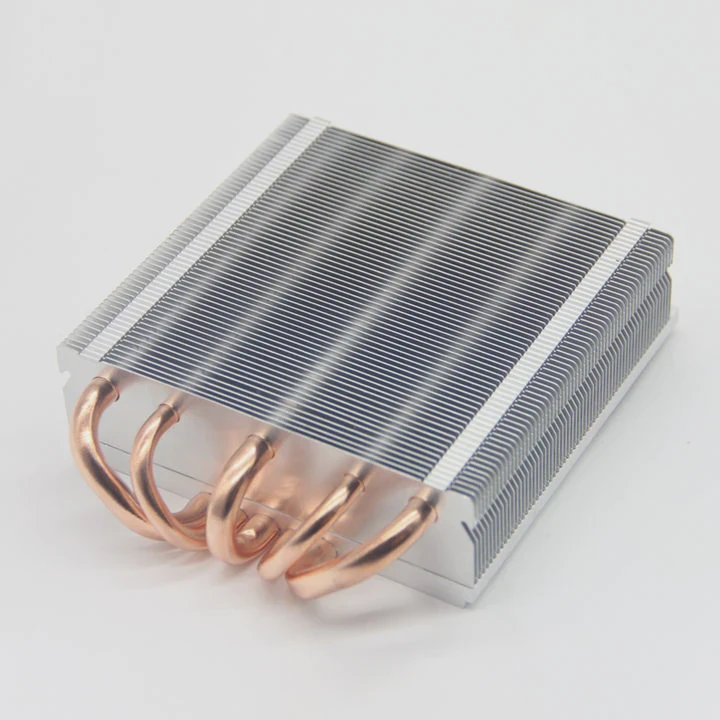
Customers often underestimate the time needed for vapor chamber manufacturing, risking missed deadlines.
Yes, vapor chamber production lead times vary, but standard mass production usually takes 4–8 weeks depending on tooling, order size, and customization.
Let’s break down the real-world timelines and what factors extend or shorten delivery.
What is the standard lead time for bulk Vapor Chambers?
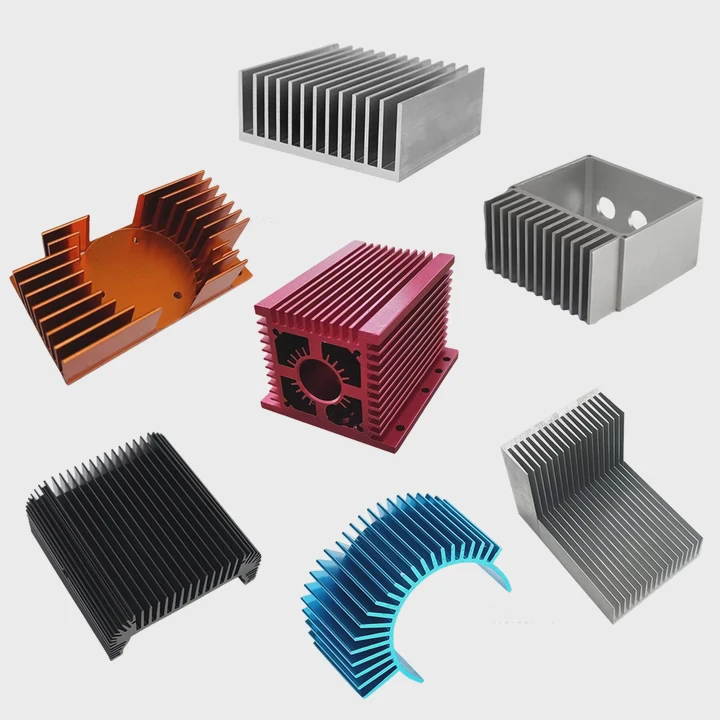
Lead time refers to the full duration from confirmed order to shipment readiness. For bulk vapor chamber production, this can differ depending on design complexity and production line availability.
The standard lead time for bulk vapor chamber orders ranges from 4 to 8 weeks, excluding shipping time.
Typical Production Timeline Breakdown
| Production Phase | Time Required |
|---|---|
| Drawing finalization & BOM | 3–5 working days |
| Material procurement | 5–10 working days |
| Tooling setup (if required) | 10–20 working days |
| Chamber forming & brazing | 7–10 working days |
| Vacuum sealing & filling | 3–5 working days |
| Reliability testing & QC | 5–7 working days |
| Packing & outbound logistics | 2–3 working days |
This total time is shorter if tooling already exists, materials are in stock, and chamber designs are standardized.
For new or complex designs, including custom shapes, multi-zone evaporation, or hybrid materials, timelines can extend beyond 10 weeks, especially if qualification testing is involved.
How do order size and specs affect production time?
Both the volume and technical specification of a vapor chamber order heavily influence the manufacturing timeline. Bulk orders require additional capacity planning, while complex specs may introduce extra steps.
Larger orders and more technical requirements increase production time due to extended fabrication, testing, and batch handling.
Impact of Order Volume
| Order Quantity (pcs) | Impact on Lead Time |
|---|---|
| <500 pcs | Minimal, 4–6 weeks typical |
| 500–2,000 pcs | May need line scheduling, +1 week |
| 2,000–5,000 pcs | Often split into batches, +2 weeks |
| >5,000 pcs | Full-scale planning, may require phased delivery over 8–12 weeks |
Impact of Technical Specs
| Specification Complexity | Example | Lead Time Effect |
|---|---|---|
| Simple single-layer design | Standard copper-water chamber | No delay |
| Multi-zone vapor core | Dual-heat zone designs | +3–5 days for forming & QC |
| Uncommon dimensions | Ultra-thin, long aspect ratio | +1 week for tooling precision |
| Advanced material combo | Copper-stainless or exotic seals | +2–3 weeks (custom brazing) |
| Special surface treatments | Nickel plating, anodizing | +3–5 days depending on process |
As complexity increases, manufacturers may need more time for setup, quality assurance, and process validation.
To optimize lead time, try to:
Finalize drawings early
Avoid mid-order changes
Use known, validated designs when possible
Can suppliers expedite large Vapor Chamber orders?
Yes, many vapor chamber manufacturers offer expedited production for urgent orders. But this requires line reallocation, material pre-booking, and often, a premium cost.
Suppliers can fast-track large vapor chamber orders by compressing non-critical steps and running parallel processes—but only within capacity limits.
Typical Ways to Expedite Orders
Pre-stocked Materials
- If copper sheets, sintering powder, or fluids are already stocked, it removes the wait for procurement.
Parallel Processing
- Chamber forming, welding, and testing done in overlapping batches.
Dedicated Production Slot
- Temporarily assigns your order to exclusive lines or shifts.
Outsourced Sub-processes
- Some tasks like cleaning or plating may be outsourced to speed up timelines.
Express Quality Review
- Accelerated test cycles with pre-approved test plans.
Limitations
- Expedited production typically adds cost.
- Supplier needs firm order commitment and clear specs.
- Very large or complex orders may still take 6+ weeks even on fast track.
Expediting Lead Time Examples
| Order Type | Standard Lead Time | Expedited Time (approx.) |
|---|---|---|
| 1,000 pcs, standard design | 5 weeks | 3–3.5 weeks |
| 3,000 pcs, plated + thin profile | 7–8 weeks | 5 weeks |
| 5,000 pcs, mixed size batch | 10–12 weeks | 7–8 weeks (partial batch) |
Always confirm expedited capacity early, especially during Q4 or pre-CNY when factory loads are high.
Is tooling included in the production lead time?
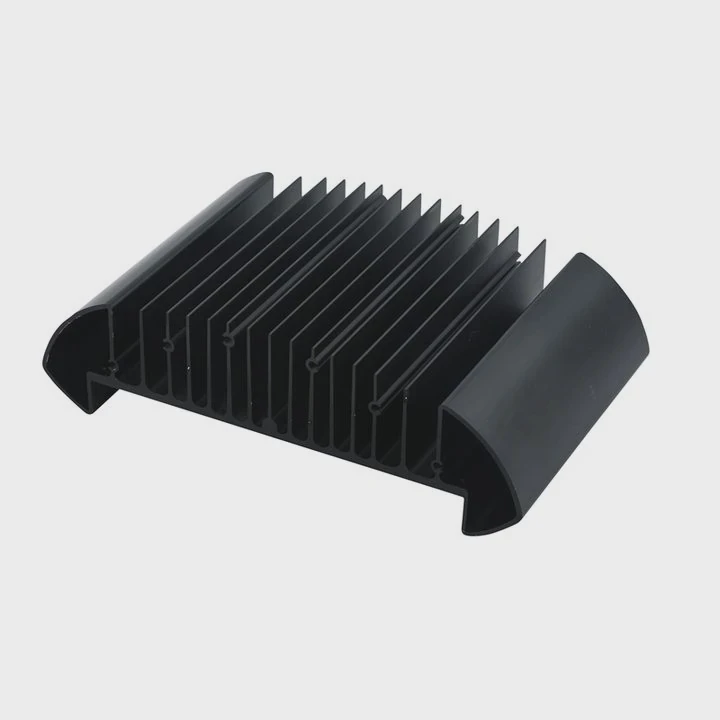
Tooling refers to the dies, molds, or fixtures required to form vapor chamber shells and sealing patterns. If a chamber design is new, tooling development becomes a critical path item.
Yes, tooling is typically part of the overall production lead time and may add 2–4 weeks depending on complexity.
Tooling Timeline Breakdown
| Tooling Task | Typical Time Required |
|---|---|
| CAD → CAM file conversion | 2–3 days |
| CNC toolpath setup | 3–5 days |
| Mold or die fabrication | 7–10 working days |
| First Article Validation | 3–5 working days |
| Tool polishing & tuning | 2–3 days |
When Tooling Is Needed
- New chamber shapes (non-rectangular, thin profiles)
- Multi-chamber units or unique evaporation zones
- New material (e.g., copper-stainless assemblies)
- Custom surface design or stamped features
How to Avoid Tooling Delays
- Re-use existing standard designs when possible
- Pre-approve drawing and dimensions early
- Discuss minimum tolerance needs—tighter tolerances slow tool tuning
- Request digital simulation to validate design before cutting tools
In some cases, rapid tooling or 3D-forming methods can reduce lead time, but may raise unit cost or affect yield.
Conclusion
Standard vapor chamber mass production takes 4–8 weeks, but timelines vary based on order volume, complexity, and tooling. While suppliers can expedite some projects, tight deadlines require early planning, confirmed drawings, and material readiness. Tooling time is part of lead time for new designs, so build that into your project schedule.
TAGS
Latest Articles

Volume discount levels for heat sink orders?
Buyers often ask when heat sink prices start to drop with volume. Many worry they’re overpaying for small orders. This guide explains how B2B volume pricing works for thermal components. Heat sink
21 Dec,2025
Heat sink long-term supply contract options?
Many buyers want stable pricing and reliable delivery for heat sinks. But without a clear contract, risks grow over time. This article explores how to secure better long-term supply deals. Long-term
21 Dec,2025
Tooling cost for new heat sink profiles?
Many engineers struggle to understand why tooling for custom heat sinks costs so much. They worry about budgeting and production timelines. This article breaks down the cost drivers behind tooling.
21 Dec,2025
Heat sink custom sample process steps?
Sometimes, starting a custom heat sink project feels overwhelming—too many steps, too many unknowns, and too many risks. You want a sample, but not endless delays. The process for requesting and
20 Dec,2025
Standard B2B terms for heat sink payments?
When buyers and sellers in B2B heat sink markets talk about payment, many don’t fully understand what’s standard. This can lead to delayed orders, miscommunication, and even lost business
20 Dec,2025
Heat sink pricing factors for large orders?
Heat sinks are vital for many systems. When prices rise, projects stall and budgets break. This problem can hit teams hard without warning. Large order heat sink pricing depends on many factors. You
20 Dec,2025Related Articles
- How to pack Vapor Chamber for sea freight?
- Vapor Chamber shipping restrictions?
- CE marking rules for Vapor Chamber?
- Vapor Chamber REACH SVHC requirements?
- Vapor Chamber RoHS documentation sample?
- Vapor Chamber Quality Traceability System?
- Best country to source Vapor Chamber?
- What affects Vapor Chamber unit price?
- Can Vapor Chamber be fully customized?
- MOQ for Vapor Chamber with CNC machining?
- Vapor Chamber design approval process?
- Testing equipment needed for Vapor Chamber?
Author
Dr. Emily Chen
Chief AI Researcher
Leading expert in thermal dynamics and AI optimization with over 15 years of experience in data center efficiency research.
Categories
Latest Products






Recommend Categories
- Liquid cooling plate Manufacturer
- Industrial Heat Sink Manufacturer
- Standard Heat Sink Manufacturer
- Aluminum Heat Sink Manufacturer
- Copper Heat Sink Manufacturer
- Anodized Heatsink Manufacturer
- Stamping heat sink Manufacturer
- Die Casting Heatsink Manufacturer
- Soldering heat sink Manufacturer
- CNC Parts Manufacturer
Latest Products
- Wholesale Aluminum Radiator
- Water Cooling Plate Kit
- Water Cooling Heat Sink
- Water Cooling Heat Sink Kit
- Stainless Steel Water Distributor
- Server Water Cooling Plate Kit
- Server Liquid Cooling System
- Server Aluminum Cooling Kit
- S19 Full Cover Cooling Plate
- S19 Cooling Plate Kit
- S19 Aluminum Cooling Plate
Contact Expert
Have questions about this article? Reach out to our experts directly.