Heat sink coating durability testing methods?
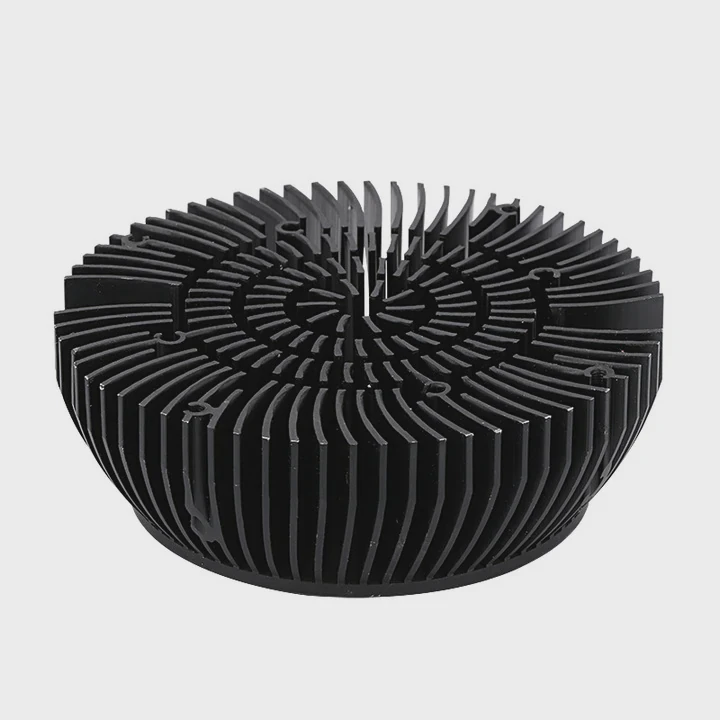
Coating failures on heat sinks cause real problems like corrosion, delamination and performance loss in service.
Durability testing shows how well a coating will hold up over time under real stresses. This helps engineers pick coatings that last in real use.
In this article, we look at key testing methods and metrics that matter most for coating durability.
What tests simulate long-term coating wear?
Many people think a short test tells the whole story, but long-term wear relates to many combined stressors.
Simulating long-term wear means exposing coated samples to repeated stress cycles that mimic real environments. Common tests include thermal cycling, abrasion, humidity and combined stress tests.
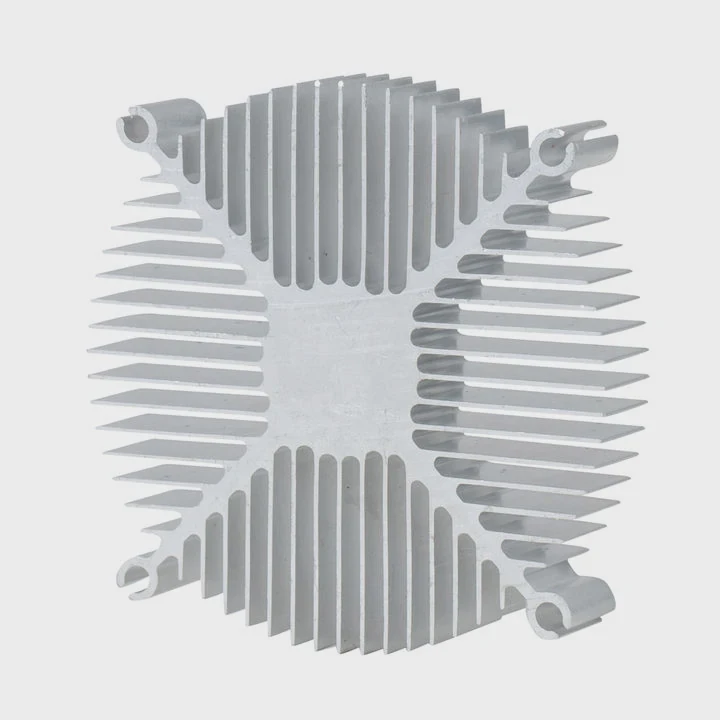
We use different tests because coatings face many forces in service. Wear is not from a single factor. It comes from heat, moisture, mechanical abrasion and sometimes chemicals. A test plan should mix these stresses to see how coatings age over time.
Thermal cycling tests
Thermal cycling tests change temperature up and down over many cycles. Coatings expand and contract with temperature change. This can cause:
- Cracks
- Delamination
- Loss of adhesion
When a coating peels or cracks, moisture and contaminants get underneath. This speeds up corrosion of substrate and reduces heat sink efficiency.
Thermal cycling is simple. It moves samples between hot and cold chambers. The number of cycles depends on expected service life. More cycles simulate more years of use.
Abrasion and wear tests
In many environments, heat sinks face physical wear. Vibration and movement rub coatings. Dust particles abrade surfaces. Special abrasion testers use:
- Brushes
- Sandpaper
- Falling particles
These simulate repeated motion and particle impact. Each cycle removes a bit of coating. Measuring thickness loss after repeated cycles shows durability.
Humidity and moisture tests
High humidity causes coatings to soften or allow moisture under film. Humidity tests hold samples at high temperature and high relative humidity for long periods. This reveals:
- Softening
- Blistering
- Corrosion underneath coating
Humidity tests often last 1000 hours or more to mimic years of service in humid climates.
Salt fog and corrosion tests
Salt fog tests expose coated samples to a fine mist of saltwater. This simulates coastal or industrial environments where salt accelerates corrosion. We cover how salt fog tests are applied in detail later.
Combined stress tests
Coating systems may face combined stresses at once. For example:
- Thermal cycling + humidity
- Abrasion + UV exposure
These combined tests push coatings harder and reveal weaknesses earlier than single stress tests.
Test summary table
| Test Type | Stress Applied | What It Reveals |
|---|---|---|
| Thermal Cycling | Hot/cold cycles | Cracks, adhesion loss |
| Abrasion | Mechanical wear | Surface abrasion resistance |
| Humidity | Moist heat | Blistering, softening |
| Salt Fog | Corrosive mist | Corrosion resistance |
| UV Exposure | Light and heat | Photo‑degradation |
Tests should reflect real service conditions as much as possible. Testing just one stress type may miss real durability issues.
How many cycles or hours?
Test duration depends on expected life and environment. For consumer electronics, shorter durations may suffice. For automotive or outdoor use, longer tests mimic years of exposure. Standards often guide minimum test durations.
Why multiple methods matter
One test alone may give a false sense of security. For example, a coating may resist humidity well but crack under thermal cycling. Combining tests gives a fuller understanding of coating durability.
How is salt spray testing applied to heat sinks?
Salt spray testing is one of the oldest methods to check corrosion resistance. It is widely used in industries from automotive to electronics.
Salt spray testing exposes coated heat sink samples to a fine mist of saltwater solution over many hours to see how coatings resist corrosion. The test helps us understand how coatings perform in salty or corrosive environments.
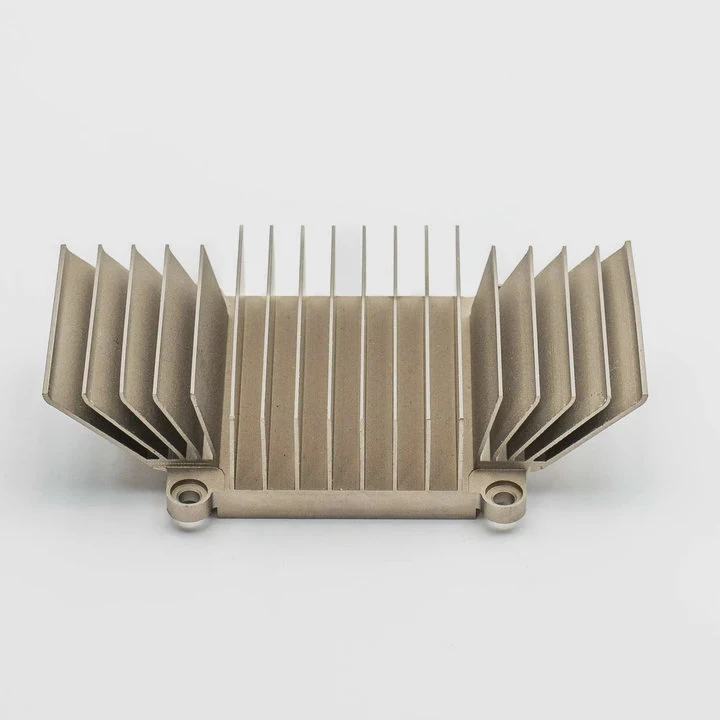
Salt spray tests use chambers that hold a saltwater solution. Inside the chamber, pumps spray a mist that settles on all exposed surfaces. The mist speeds up corrosion processes that would take months or years in real life.
Types of salt spray tests
There are several versions of salt spray testing:
- Neutral Salt Spray (NSS): Standard salt mist at neutral pH
- Acetic Acid Salt Spray (AASS): Adds acidity to accelerate corrosion
- Copper Accelerated Acetic Acid Salt Spray (CASS): Uses copper ions for very aggressive corrosion
Each type stresses coatings differently. For electronics and mild environments, NSS may be enough. For marine or highly corrosive conditions, AASS or CASS shows how coatings hold up under more severe conditions.
How to prepare samples
To run a salt spray test:
- Clean and prepare samples
- Apply coatings as per process
- Cure coatings fully
- Mount samples in the chamber at specific angles
Mounting angle matters. Horizontal surfaces collect more mist, so orientation should match real service conditions.
Running the test
Once samples are in the chamber:
- The salt solution pumps at set intervals
- Air and solution temperatures are controlled
- Mist falls on samples continuously
Duration depends on expected environment. Common durations range from 24 hours to 1000+ hours. Higher durations simulate longer service life.
Evaluating results
After testing, samples are inspected for:
- Corrosion on coating surface
- Rust at cut edges
- Underfilm corrosion
- Blistering
Test metrics used in salt fog testing
| Metric | Meaning | Acceptable Range |
|---|---|---|
| Time to first corrosion | Hours before corrosion appears | Depends on environment |
| Blister rating | Coating blister size and amount | 0 (none) best |
| Rust grade | Degree of rust | Lower number better |
| Underfilm corrosion | Spread under coating | Minimal is good |
The table above shows common metrics. Acceptable ranges depend on industry standards. Automotive and outdoor electronics often require longer time to first corrosion and minimal blistering.
Interpreting results
If corrosion appears quickly, coating may not suit corrosive environments. If blistering is heavy, adhesion issues may exist. Underfilm corrosion means moisture got under coatings, a serious concern.
Limitations of salt spray testing
Salt spray does not mimic all real conditions. It represents a constant corrosive atmosphere, which is rare in real service. Real environments may have cycles of wet and dry conditions. Still, salt spray testing gives a comparative measure of corrosion resistance that helps in coating selection.
Can UV exposure degrade heat sink coatings?
UV exposure is a major concern for outdoor applications. Sunlight includes UV light that can break down many coating materials.
UV exposure tests show how coatings degrade when exposed to sunlight or artificial UV sources. Some coatings lose color, crack or chalk under prolonged UV exposure.
UV light is high‑energy radiation. It breaks chemical bonds in many polymer‑based coatings. Over time, this causes:
- Fading of color
- Loss of gloss
- Surface cracking
- Chalky residue All of these change surface condition and can lead to failure.
How UV tests are done
UV tests use special chambers with:
- UV lamps that mimic sunlight
- Controlled heat
- Optional moisture or rain simulation
Samples sit in the chamber for hours or days. The amount of UV energy delivered is measured in standardized units so results can compare to years of outdoor exposure.
UV test conditions
UV tests vary:
- UV‑A lamps for long wavelength UV
- UV‑B lamps for shorter wavelength and more aggressive exposure
- Cycle tests with condensation to simulate dew and rain
UV alone checks light damage. UV + condensation cycles mimic outdoor wet/dry cycles.
What happens during UV exposure
When a coating absorbs UV energy:
- Binders in paint break down
- Pigments fade
- Surface becomes brittle These changes reduce coating life and may expose metal underneath to corrosion.
Measuring UV damage
After UV tests, specimens are inspected for:
- Gloss change
- Color change
- Cracks or flaking
- Chalk residue
In some standards, instruments measure changes in reflectance or color values numerically.
Example effects of UV on coatings
| Damage Type | What It Means |
|---|---|
| Fading | Loss of pigment or binder breakdown |
| Chalk | Surface binder erosion |
| Cracking | Loss of flexibility, early failure |
| Loss of adhesion | Risk of peeling |
The table above shows common UV damage. Acceptable levels vary by application.
Why UV matters for heat sinks
Heat sinks on outdoor electronics, lighting, automotive and telecom towers see sunlight. Coatings that resist UV prolong life and keep appearance and performance. UV resistance is less critical indoors, but still should be considered in high‑intensity lighting areas.
Combining UV with other tests
UV tests alone show light damage. But combining with humidity or thermal cycling shows how coatings perform under multiple stresses. For example, UV makes coatings brittle, and humidity then gets under cracks and accelerates corrosion.
Which metrics define acceptable coating failure?
After testing, we need clear criteria to decide if coating performance is acceptable.
Acceptable coating performance is defined by measurable criteria like adhesion strength, corrosion resistance, change in visual quality, and mechanical wear limits. These metrics help engineers decide if a coating meets service requirements.
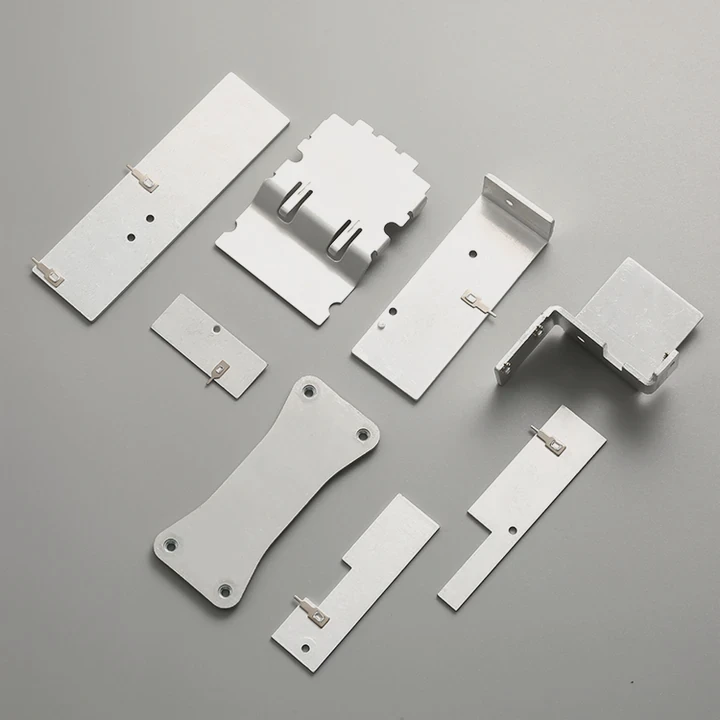
Metrics differ by industry and application. What is acceptable for indoor electronics may not be enough for marine or outdoor equipment.
Common acceptance criteria
| Metric | What It Measures | Typical Goal |
|---|---|---|
| Adhesion rating | How well coating sticks | 5B (best) in many standards |
| Corrosion resistance | Time/area before rust | Longer is better |
| Visual change | Color/texture change | Minimal change |
| Wear loss | Material lost in abrasion | Lower is better |
| Crack formation | Surface cracking | None acceptable |
Adhesion testing
Adhesion measures how tightly the coating sticks to substrate. Common tests use tape pull tests or crosshatch tests. A high adhesion rating means coating is less likely to peel or flake.
Visual appearance change
This metric looks at how much the coating changes visually after testing. Large changes mean coating may fail to protect or may look unacceptable in product.
Visual changes include:
- Discoloration
- Loss of gloss
- Surface roughness
Corrosion resistance time
How long until corrosion appears is a key metric. Longer times suggest better protection. Standards often set minimum hours in salt spray tests.
Wear resistance
Wear tests measure how much coating material is lost after abrasive cycles. Less loss means higher durability.
Combined criteria
Often tests pass only if multiple criteria are met. For example:
- No cracks after thermal and UV tests
- Corrosion free after 500 hours of salt fog
- Adhesion remains at high grade
Combined criteria give a full picture of performance.
Setting acceptance levels
Acceptable limits depend on service conditions. Outdoor or harsh environments require higher performance levels. In lab environments, standards like ASTM or ISO guide acceptable limits.
Reporting results
Reports usually include:
- Test conditions
- Measured values
- Pass/fail decisions based on criteria
Hard numbers make decisions objective and repeatable.
Conclusion
Durability testing of heat sink coatings uses many methods to simulate real wear. Thermal cycling, abrasion, humidity and salt spray tests reveal how coatings age. UV exposure shows light‑driven degradation. Defining clear metrics like adhesion, corrosion time and visual change helps engineers choose coatings that will last in real use.
TAGS
Latest Articles

Volume discount levels for heat sink orders?
Buyers often ask when heat sink prices start to drop with volume. Many worry they’re overpaying for small orders. This guide explains how B2B volume pricing works for thermal components. Heat sink
21 Dec,2025
Heat sink long-term supply contract options?
Many buyers want stable pricing and reliable delivery for heat sinks. But without a clear contract, risks grow over time. This article explores how to secure better long-term supply deals. Long-term
21 Dec,2025
Tooling cost for new heat sink profiles?
Many engineers struggle to understand why tooling for custom heat sinks costs so much. They worry about budgeting and production timelines. This article breaks down the cost drivers behind tooling.
21 Dec,2025
Heat sink custom sample process steps?
Sometimes, starting a custom heat sink project feels overwhelming—too many steps, too many unknowns, and too many risks. You want a sample, but not endless delays. The process for requesting and
20 Dec,2025
Standard B2B terms for heat sink payments?
When buyers and sellers in B2B heat sink markets talk about payment, many don’t fully understand what’s standard. This can lead to delayed orders, miscommunication, and even lost business
20 Dec,2025
Heat sink pricing factors for large orders?
Heat sinks are vital for many systems. When prices rise, projects stall and budgets break. This problem can hit teams hard without warning. Large order heat sink pricing depends on many factors. You
20 Dec,2025Related Articles
- Requirements for custom heat sink extrusion dies?
- Heat sink export packaging requirements?
- Dimensional inspection methods for heat sink?
- Bonding methods to improve heat sink transfer?
- Heat sink machining standards for precision parts?
- what is the best CNC plasma cutter?
- Mechanical strength standards for heat sink?
- Heat sink RoHS compliance details?
- REACH document needs for heat sink?
- UL Certification Options for Heat Sink Products?
- Heat Sink Environmental Compliance for EU Markets?
- International Safety Standards for Heat Sink?
Author
Dr. Emily Chen
Chief AI Researcher
Leading expert in thermal dynamics and AI optimization with over 15 years of experience in data center efficiency research.
Categories
Latest Products






Recommend Categories
- Liquid cooling plate Manufacturer
- Industrial Heat Sink Manufacturer
- Standard Heat Sink Manufacturer
- Aluminum Heat Sink Manufacturer
- Copper Heat Sink Manufacturer
- Anodized Heatsink Manufacturer
- Stamping heat sink Manufacturer
- Die Casting Heatsink Manufacturer
- Soldering heat sink Manufacturer
- CNC Parts Manufacturer
Latest Products
- Wholesale Aluminum Radiator
- Water Cooling Plate Kit
- Water Cooling Heat Sink
- Water Cooling Heat Sink Kit
- Stainless Steel Water Distributor
- Server Water Cooling Plate Kit
- Server Liquid Cooling System
- Server Aluminum Cooling Kit
- S19 Full Cover Cooling Plate
- S19 Cooling Plate Kit
- S19 Aluminum Cooling Plate
Contact Expert
Have questions about this article? Reach out to our experts directly.