Heat sink RoHS compliance details?

Is your heat sink RoHS compliant? In today’s fast-paced electronics industry, ensuring compliance with regulations like RoHS is essential. This guide will break down everything you need to know.
RoHS compliance ensures that electronic components like heat sinks are free from harmful materials like lead and mercury. It’s crucial for manufacturers to understand the restrictions and ensure their products meet these standards.
As the demand for environmentally-friendly electronics increases, RoHS compliance is becoming a top priority for manufacturers. Let’s dive deeper into the materials restricted under RoHS and how you can ensure your heat sink meets these standards.
What materials are restricted under RoHS?
RoHS restricts the use of hazardous materials, but do you know what exactly is banned? This section will outline the restricted materials and their implications for heat sinks.
RoHS limits the use of substances such as lead, mercury, and cadmium in electronic products, including heat sinks. Manufacturers must avoid these materials or use them in safe quantities to comply.
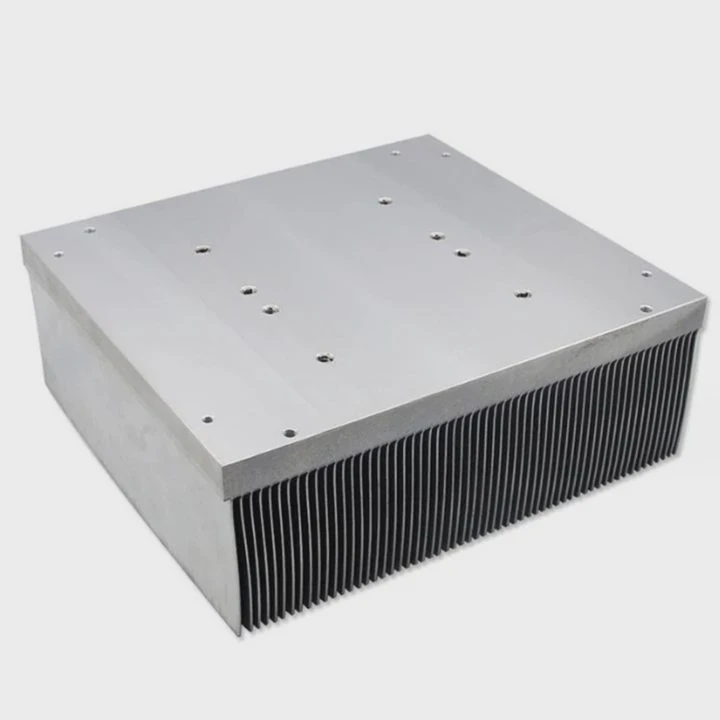
RoHS (Restriction of Hazardous Substances) applies strict limitations on certain materials used in electronics. For heat sinks, compliance is a must. Here are the materials restricted under RoHS:
| Material | Common Use | Impact on Heat Sink Design |
|---|---|---|
| Lead (Pb) | Solder, glass, and some alloys | Can be replaced by safer alternatives like tin or silver. |
| Mercury (Hg) | Lighting, switches | Rarely found in heat sinks, but important to verify any potential mercury-containing parts. |
| Cadmium (Cd) | Batteries, pigments, and certain alloys | Can be replaced with cadmium-free metals. |
| Hexavalent chromium (Cr6+) | Metal coatings, corrosion-resistant materials | Often found in chrome-plated parts, which must be substituted with non-toxic alternatives. |
| Polybrominated biphenyls (PBB) | Flame retardants in plastics | Avoid plastic components containing these substances. |
| Polybrominated diphenyl ethers (PBDE) | Flame retardants in plastics | Similar to PBB, these chemicals must be excluded from heat sink materials. |
| Bis(2-ethylhexyl) phthalate (DEHP) | Plasticizers in flexible plastics | This is often found in softer materials, but RoHS-compliant alternatives exist. |
These materials are harmful to human health and the environment, which is why RoHS seeks to eliminate them from products. Manufacturers must use alternative materials that do not contain these substances in harmful amounts.
For heat sinks, lead, mercury, and cadmium are the primary concerns. The good news is that replacing these substances with safer alternatives is straightforward. For example, lead-free solders and aluminum alloys are commonly used in heat sink designs today. While some heat sinks may require special coatings or treatments, avoiding restricted materials is typically manageable.
Compliance is not just about replacing dangerous substances; it’s about making sure these replacements don’t compromise performance. The design and material choices made by manufacturers must ensure that the heat sink can still effectively dissipate heat while adhering to safety standards.
How are components tested for RoHS compliance?
How can you verify that your heat sink is truly RoHS compliant? Testing plays a critical role in confirming compliance. Let’s explore the various testing methods used.
Testing is essential for verifying that a heat sink is RoHS-compliant. Methods like X-ray fluorescence (XRF) and chemical analysis are used to detect restricted substances.
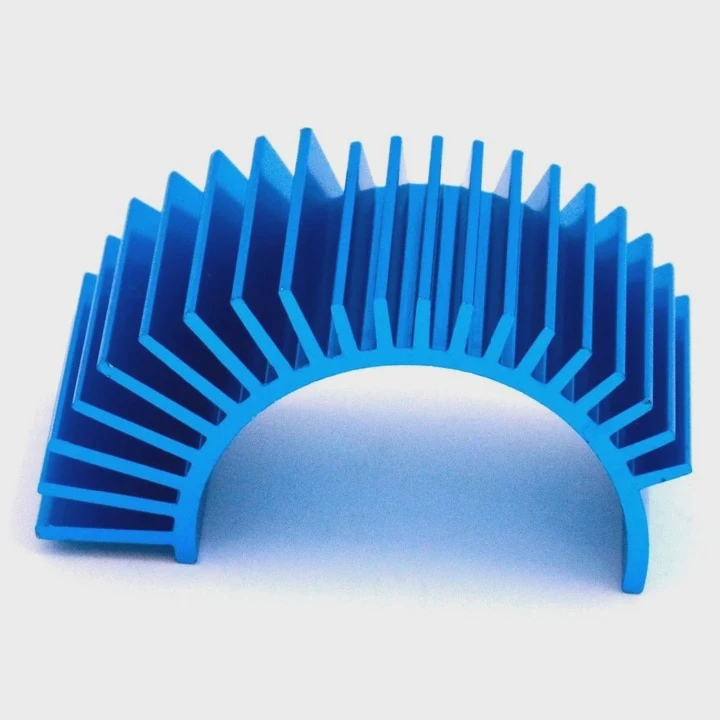
Once a heat sink is manufactured, it must undergo testing to ensure it meets RoHS compliance. There are various testing methods available to check the material composition, each with its advantages and limitations. Below are some of the most commonly used testing methods:
X-ray Fluorescence (XRF) Testing
XRF testing is the most widely used non-destructive method for detecting hazardous substances in metals and alloys. It works by exposing the material to high-energy X-rays, which cause the atoms in the material to emit secondary (fluorescent) X-rays. These secondary X-rays are then analyzed to determine the elemental composition of the material. XRF testing is fast and non-destructive, making it ideal for quick assessments of heat sinks.
Inductively Coupled Plasma Optical Emission Spectroscopy (ICP-OES)
ICP-OES is an analytical technique that can identify and measure metals at very low concentrations. The material sample is vaporized in a plasma, and the emitted light is analyzed to determine the metal content. This method is highly precise and can detect elements such as lead, mercury, and cadmium in small quantities, making it a good choice for verifying compliance with RoHS standards.
Fourier Transform Infrared Spectroscopy (FTIR)
FTIR is used to analyze plastics and polymers in heat sinks. Since RoHS also restricts certain flame retardants and plasticizers, FTIR can help manufacturers ensure that their heat sinks do not contain banned substances like PBB and PBDE. This method works by analyzing the infrared light absorbed by the material, providing detailed information about the chemical composition.
Wet Chemical Analysis
For certain applications, a more traditional chemical analysis might be required. This method involves dissolving a sample of the material and using chemical reactions to detect specific elements. Though it is more time-consuming and potentially destructive, wet chemistry can provide highly accurate results.
Testing ensures that all components are in compliance with the restrictions outlined by RoHS. Manufacturers should carefully select the testing method based on their product’s material composition and ensure that the tests are conducted by certified laboratories.
Can suppliers provide RoHS declarations?
Are RoHS compliance declarations necessary? Can suppliers provide proof that their products meet these standards? Here’s how to ensure you’re working with compliant suppliers.
Yes, suppliers can provide RoHS declarations, which serve as proof that their products comply with the directive. This document outlines the materials used and confirms that they meet all RoHS requirements.
When purchasing heat sinks, it’s essential to obtain a RoHS compliance declaration from the supplier. This is a formal document stating that the product meets RoHS requirements. A compliance declaration is particularly important for companies that need to demonstrate adherence to environmental regulations or for those exporting products to regions with strict RoHS laws.
Here’s what a typical RoHS declaration includes:
| Information | Description |
|---|---|
| Product Details | The name and description of the product, such as the specific type of heat sink. |
| List of Restricted Substances | A list of the restricted materials and the concentration levels found in the product. |
| Supplier Information | The name, address, and contact details of the supplier or manufacturer. |
| Testing Methods Used | The methods and standards used to verify compliance, such as XRF or ICP-OES. |
| Certification Statement | A formal statement confirming that the product complies with RoHS. |
The RoHS declaration provides the buyer with peace of mind, knowing that the supplier has followed the correct procedures to ensure compliance. It also protects the supplier by legally affirming that their product meets the required standards.
Manufacturers and suppliers must keep their RoHS declarations up to date and ready for inspection. It’s a critical part of the compliance process and is necessary for international trade and selling to customers who prioritize environmental safety.
Which exemptions apply to heat sink metals?
Are there any exemptions for heat sink materials under RoHS? Understanding the exceptions can help clarify when certain substances might still be used in heat sink manufacturing.
Yes, there are some exemptions under RoHS for specific uses of restricted materials in heat sinks, such as lead in solders used in certain high-reliability applications.
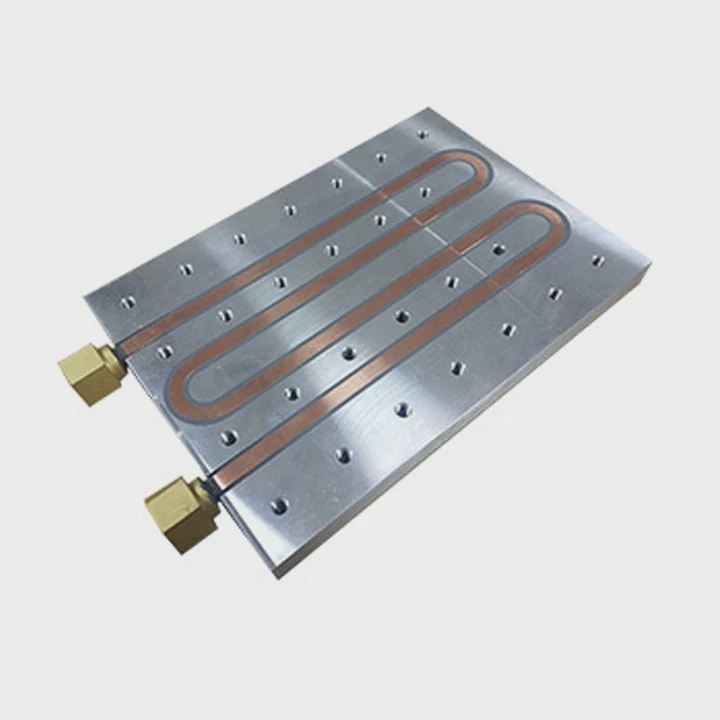
While RoHS generally restricts the use of certain hazardous materials, there are some key exemptions that apply to heat sinks, especially those used in high-performance or mission-critical applications. These exemptions allow manufacturers to use restricted substances under specific conditions. Let’s take a closer look at these exemptions:
Lead in Solders for High-Reliability Applications
Lead is commonly used in soldering materials for its excellent thermal and electrical properties. However, in certain high-reliability applications, such as military, aerospace, and medical devices, lead-containing solders are often allowed. This is because the performance and reliability of the solder joints are critical, and lead-free alternatives may not provide the same level of reliability. Heat sinks used in such devices may be exempt from the lead restriction under these specific circumstances.
Lead in Alloys for Heat Dissipation
Some heat sinks are made from alloys that contain small amounts of lead, which improves the heat dissipation properties. In certain high-performance heat sinks, especially those used in sensitive electronic equipment, these lead-containing alloys may be exempt from the RoHS ban, provided that the levels of lead do not exceed the allowed threshold.
Other Exemptions
Other exemptions under RoHS can apply to specific parts or materials used in heat sink manufacturing. For example, cadmium may still be used in certain applications where there is no alternative material that can achieve the required performance. It’s important for manufacturers to stay updated on these exemptions and ensure they comply with the regulations.
Exemptions are not unlimited, and they must be carefully documented to ensure compliance. If a heat sink manufacturer plans to use a restricted material under exemption, they should keep detailed records and be prepared to justify the exemption if needed.
Conclusion
Ensuring RoHS compliance for heat sinks is critical to meeting environmental standards and protecting human health. Manufacturers must use compliant materials, test their products, and keep accurate records to confirm their adherence to RoHS regulations.
TAGS
Latest Articles

Volume discount levels for heat sink orders?
Buyers often ask when heat sink prices start to drop with volume. Many worry they’re overpaying for small orders. This guide explains how B2B volume pricing works for thermal components. Heat sink
21 Dec,2025
Heat sink long-term supply contract options?
Many buyers want stable pricing and reliable delivery for heat sinks. But without a clear contract, risks grow over time. This article explores how to secure better long-term supply deals. Long-term
21 Dec,2025
Tooling cost for new heat sink profiles?
Many engineers struggle to understand why tooling for custom heat sinks costs so much. They worry about budgeting and production timelines. This article breaks down the cost drivers behind tooling.
21 Dec,2025
Heat sink custom sample process steps?
Sometimes, starting a custom heat sink project feels overwhelming—too many steps, too many unknowns, and too many risks. You want a sample, but not endless delays. The process for requesting and
20 Dec,2025
Standard B2B terms for heat sink payments?
When buyers and sellers in B2B heat sink markets talk about payment, many don’t fully understand what’s standard. This can lead to delayed orders, miscommunication, and even lost business
20 Dec,2025
Heat sink pricing factors for large orders?
Heat sinks are vital for many systems. When prices rise, projects stall and budgets break. This problem can hit teams hard without warning. Large order heat sink pricing depends on many factors. You
20 Dec,2025Related Articles
- Mechanical strength standards for heat sink?
- Heat sink coating durability testing methods?
- Requirements for custom heat sink extrusion dies?
- Heat sink export packaging requirements?
- Dimensional inspection methods for heat sink?
- Bonding methods to improve heat sink transfer?
- REACH document needs for heat sink?
- UL Certification Options for Heat Sink Products?
- Heat Sink Environmental Compliance for EU Markets?
- International Safety Standards for Heat Sink?
- Conflict-mineral declarations for heat sink metals?
- Heat sink MOQ for custom extrusion orders?
Author
Dr. Emily Chen
Chief AI Researcher
Leading expert in thermal dynamics and AI optimization with over 15 years of experience in data center efficiency research.
Categories
Latest Products






Recommend Categories
- Liquid cooling plate Manufacturer
- Industrial Heat Sink Manufacturer
- Standard Heat Sink Manufacturer
- Aluminum Heat Sink Manufacturer
- Copper Heat Sink Manufacturer
- Anodized Heatsink Manufacturer
- Stamping heat sink Manufacturer
- Die Casting Heatsink Manufacturer
- Soldering heat sink Manufacturer
- CNC Parts Manufacturer
Latest Products
- Wholesale Aluminum Radiator
- Water Cooling Plate Kit
- Water Cooling Heat Sink
- Water Cooling Heat Sink Kit
- Stainless Steel Water Distributor
- Server Water Cooling Plate Kit
- Server Liquid Cooling System
- Server Aluminum Cooling Kit
- S19 Full Cover Cooling Plate
- S19 Cooling Plate Kit
- S19 Aluminum Cooling Plate
Contact Expert
Have questions about this article? Reach out to our experts directly.