Mechanical strength standards for heat sink?
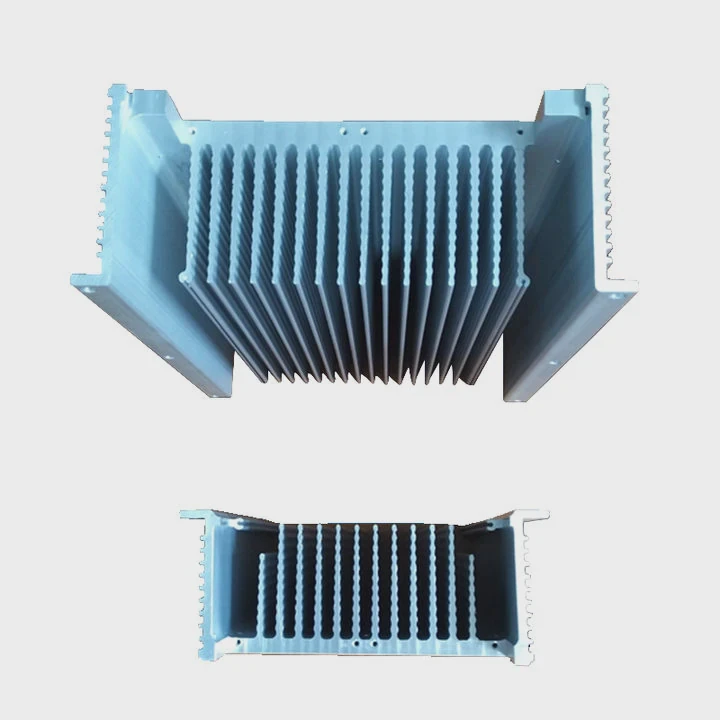
Mechanical failures in heat sinks cause product breakdowns and field returns.
Mechanical strength standards ensure heat sinks survive forces in handling, operation, and service life without cracking, bending or losing thermal contact.
This article shows what forces are tested, how design changes resilience, if mounting stress can cause damage, and which load tests validate integrity.
What forces are tested in mechanical strength checks?
Mechanical strength tests apply forces that represent real world stress on heat sinks.
Common forces tested include compression, bending, impact, vibration, and shear to see if the heat sink structure holds up without failure.
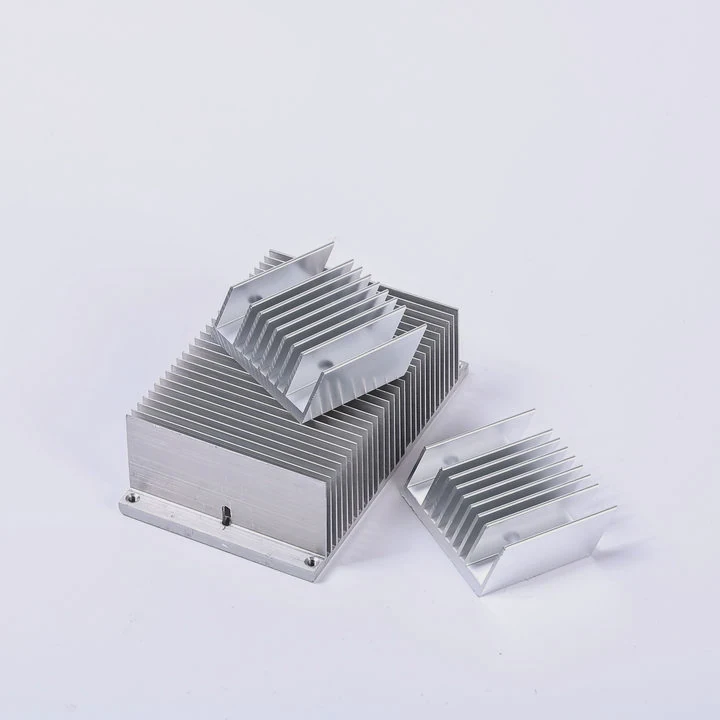
Heat sinks must handle a range of forces from everyday handling, shipping, assembly, and service lifetime. Mechanical tests check if the heat sink keeps its shape and attachment points under these forces.
Compression and bending forces
Compression tests push the heat sink from opposite sides to see if it crushes. Bending tests hold the heat sink at two points and apply force in the middle. These simulate heavy loads or accidental drops.
Bending tests are important for:
- Long fin arrays
- Large base plates
- Thin structures
If fins bend easily under small load, the profile may lose contact with components or block airflow.
Shear and tension forces
Shear forces act parallel to a surface. For example, if a heat sink is pushed sideways on a board, shear tests check if it slides or breaks. Tension tests pull parts apart to see if joints or fasteners hold.
These forces matter when heat sinks are secured with clips, screws, or adhesives.
Impact forces
Impact tests simulate drops or knocks that happen in shipping or installation. A sudden impact can crack fins or base. Impact tests use weighted hammers or drop testers to deliver controlled shock.
Vibration forces
Many products experience vibration in use, like automotive, industrial, or aerospace. Vibration tests shake heat sinks at different frequencies to see if:
- Fins crack
- Attachments loosen
- Structure fatigues
Force test examples table
| Force Type | What It Simulates | What It Reveals |
|---|---|---|
| Compression | Heavy load stacking | Base or fin collapse |
| Bending | Sideways load | Structural rigidity |
| Shear | Side slip | Joint or attachment strength |
| Impact | Drops or knocks | Brittle failure points |
| Vibration | Operational vibration | Fatigue and loosening |
Mechanical tests must reflect realistic use cases. If a product is handheld, its tests differ from automotive applications. Standards often guide force magnitudes and durations.
Why these forces matter
Heat sinks are not just thermal devices. They must be robust mechanically. A cracked fin loses thermal contact and airflow. A broken mounting structure stops the heat sink from touching a chip. Mechanical strength tests prevent such failures.
How does design affect mechanical resilience?
The design of a heat sink decides how well it resists forces.
Design elements like fin thickness, base thickness, geometry, and rib support change stiffness and strength of heat sinks under mechanical loads.
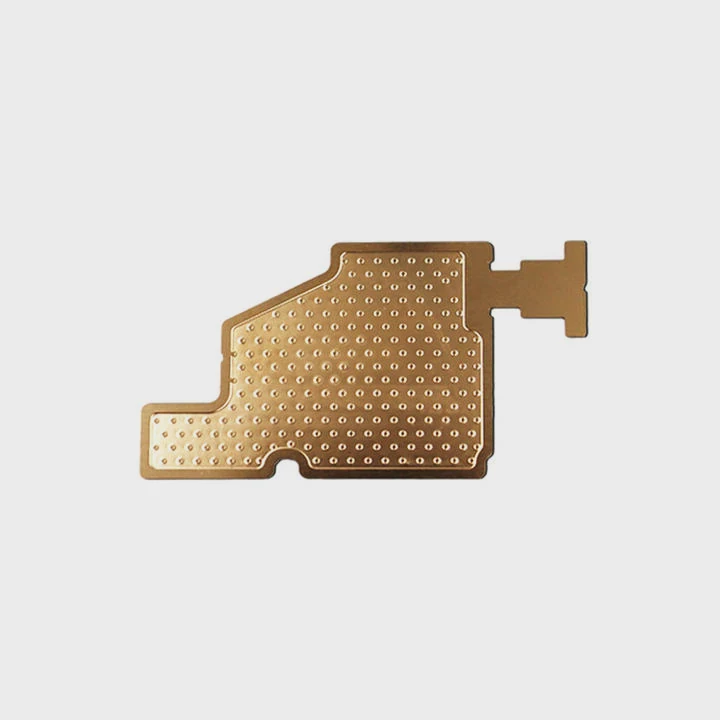
Mechanical resilience comes from how loads distribute across structures. A poorly designed heat sink may concentrate stress in weak points. Good design spreads forces and resists deformation.
Fin thickness and spacing
Thicker fins are stronger but heavier and may reduce airflow. Thinner fins improve airflow but may bend under load. Finding a balance is key.
Fin spacing and height also affect strength. Tall, narrow fins act like slender columns and can buckle under load. Shorter fins with some support ribs resist bending better.
Base thickness and profile
The base of a heat sink serves as the main load path for forces. Thin bases bend easily. Thick bases resist bending but add weight and cost.
Base design must also consider thermal performance. A thicker base improves mechanical strength but may slow heat transfer from chip to fins.
Geometry and rib supports
Adding ribs or bridges between fins increases stiffness. These ribs act like cross supports in bridges. They help resist bending and vibration.
Complex geometries like pinned or wavy fins also affect strength. Pins give more surface area and spacing, but if pins are slender, they may break under impact.
Material choice
Material influences strength and stiffness. Aluminum alloys are common due to high thermal conductivity and low weight. Some aluminum alloys have higher tensile strength, improving mechanical resilience. Other materials like copper are stronger but heavier and cost more.
Design tradeoffs
Designers juggle:
- Thermal performance
- Mechanical strength
- Weight
- Cost
- Manufacturability
Often simulation tools help predict how a design handles forces. Finite element analysis (FEA) shows stress distribution under load and points out weak areas before physical prototypes.
Example strength factors table
| Design Feature | Strength Impact | Thermal Impact |
|---|---|---|
| Thicker fins | Higher strength | Lower airflow |
| Thicker base | Higher strength | Slight thermal lag |
| Ribs/bridges | Higher strength | Slight weight add |
| Tall fins | Lower strength | Higher surface area |
| High strength alloy | Higher strength | Similar conductivity |
Design choices change performance in more than one dimension. Good designers balance mechanical resilience with thermal needs and product cost.
Manufacturing influences strength
Manufacturing accuracy matters too. Defects like porosity, uneven extrusion, or improper machining weaken structure. Post‑processing like heat treatment can relieve residual stress and improve strength.
Real case
In a telecom rack heat sink, designers increased fin thickness and added support ribs. This improved vibration endurance without hurting cooling. In a thin laptop heat sink, ribs added weight so designers compromised with a stronger alloy instead.
Can mounting stress cause long-term damage?
Mounting stress can indeed damage heat sinks over time.
Heat sinks that are too tightly mounted, misaligned, or stressed by uneven fasteners may warp, crack or lose contact with components over time.
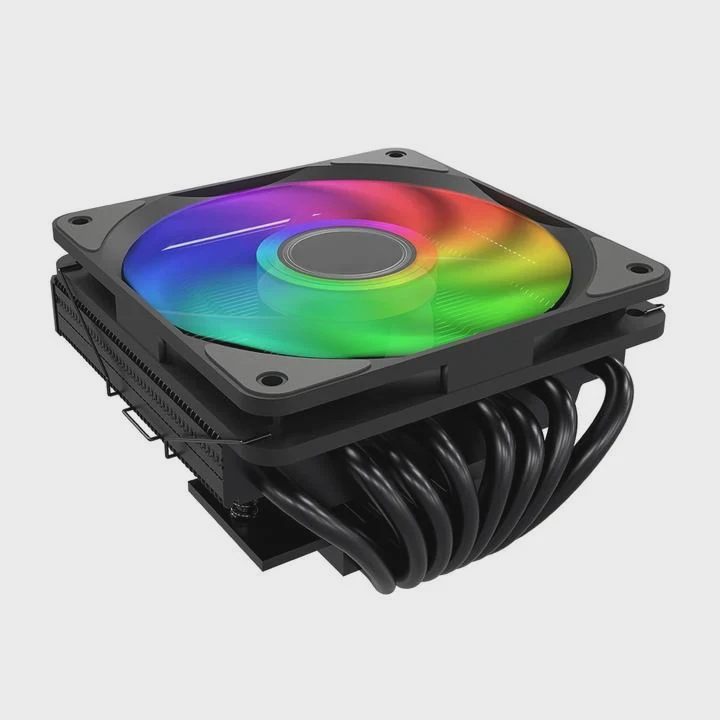
Mounting creates forces that stay on the heat sink during service. These static stresses can cause slow deformation, fatigue, or loss of contact between heat sink and chip.
Types of mounting stress
Mounting stress comes from:
- Over‑tightened screws
- Uneven mounting pressure
- Misalignment on chip surface
- Thermal expansion mismatch
Each of these issues leads to stress that slowly changes the heat sink shape.
Over‑tightened screws
When screws are tightened too much, the heat sink base may bend. Bent bases do not sit flat on the chip. This reduces thermal contact and increases thermal resistance.
Over time, bent heat sinks may creep further and eventually break.
Uneven mounting pressure
If one side of the heat sink is tighter than the other, pressure is uneven. This creates twist stress. Under vibration or thermal cycling, this stress causes fatigue cracking.
Misalignment
When mounting pads or boards are misaligned, the heat sink may sit at an angle. This creates stress at mounting clips or screws. Over time, stress can lead to bending or joint failure.
Thermal expansion mismatch
Different materials expand at different rates when heated. If mounting hardware, PCB, and heat sink expand differently, repeated thermal cycles add stress.
These repeated expansions and contractions cause fatigue, loosening bolts, or cracking bases.
Long‑term effects
Mounting stress does not always show immediate failure. Often the heat sink works at first. But over time:
- Base warps
- Thermal interface degrades
- Stress cracks form
- Fasteners loosen
This leads to higher junction temperature of chip and eventual failure.
Best mounting practices
To reduce mounting stress:
- Use torque‑controlled drivers to avoid over‑tightening
- Ensure even pressure across mounting points
- Use compliant pads or springs to distribute load
- Design clips that hold without excessive pressure
- Allow expansion with slots or flexible mounts
Inspection and maintenance
Products in service should be inspected for:
- Loose screws
- Base flatness
- Clip tension
- Signs of stress cracks
Early detection prevents downtime.
Example mounting stress scenario
In an industrial controller, heat sinks were mounted with rigid clips. Over months of thermal cycling, clips loosened and fins cracked near base. Redesign with spring clips reduced stress and prevented cracks.
Which load tests validate structural integrity?
Load tests validate that the heat sink structure meets required standards before going into production.
Structural integrity tests confirm the heat sink resists realistic mechanical loads without failure, deformation, or loss of function. These include static load tests, fatigue tests, drop tests, and vibration tests.
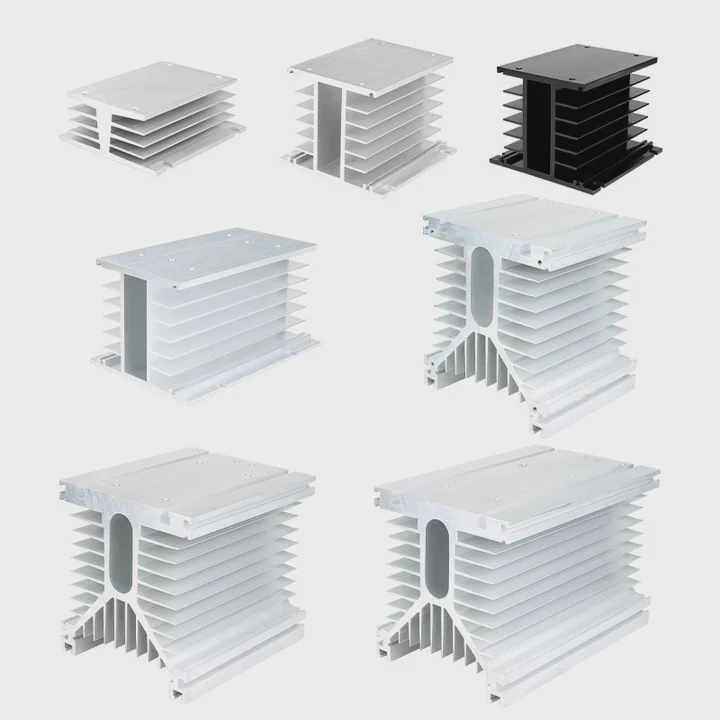
Each test targets a different kind of mechanical stress. Together, they show if a design is tough enough.
Static load tests
Static load tests apply a constant force and measure deformation. A common test is placing a known weight on top of the heat sink and measuring how much it bends.
Criteria include:
- Maximum deflection limit
- No cracking
- Return to original shape after load removal
Static tests check basic stiffness of the heat sink.
Fatigue tests
Fatigue tests apply repeated loads to simulate long‑term use. These mimic:
- Vibration
- Thermal cycling forces
- Repeated handling
Fatigue tests often run thousands of cycles to simulate life of product. If structure breaks prematurely under repeated stress, design or material needs change.
Drop tests
Drop tests simulate accidental drops during handling or shipping. Samples are dropped from fixed heights onto hard surfaces. Observations include:
- Broken fins
- Base cracks
- Bent structures
Drop standards often specify height and orientation for drops.
Vibration tests
As covered earlier, vibration tests shake heat sinks at different frequencies and axes. A heat sink that resists vibration shows good long‑term structural integrity, especially in automotive or industrial products.
Load test standards table
| Test Type | What It Checks | Typical Pass Criteria |
|---|---|---|
| Static load | Stiffness under load | Acceptable deflection, no cracks |
| Fatigue | Repeated stress life | No failure after cycles |
| Drop | Impact durability | No structural damage |
| Vibration | Resistance to shaking | No loosening or breakage |
Standards often give limits and procedures. For example, JEDEC and MIL‑STD may define how many cycles or drop heights.
Certification and reporting
Testing labs measure:
- Load values
- Deformation amounts
- Failure points
- Pass/fail per standard
Reports include diagrams, numbers, and conformity statements. These help engineers make design decisions.
Importance of independent testing
Independent labs provide unbiased results. Many industries require third‑party certifications for mechanical performance before product launch.
Design iteration based on tests
If a heat sink fails a test:
- Redesign geometry
- Change materials
- Add supports
- Improve mounting
Test, redesign, test again until performance meets requirements.
Conclusion
Mechanical strength standards for heat sinks focus on forces like compression, bending, impact, shear, and vibration. Design choices such as fin thickness, base strength, geometry, and material shape how strong a heat sink is. Mounting stress can cause long‑term damage if not managed with proper torque and flexible methods. Load tests such as static, fatigue, drop, and vibration confirm structural integrity and ensure the heat sink will survive real use without failure.
TAGS
Latest Articles

Volume discount levels for heat sink orders?
Buyers often ask when heat sink prices start to drop with volume. Many worry they’re overpaying for small orders. This guide explains how B2B volume pricing works for thermal components. Heat sink
21 Dec,2025
Heat sink long-term supply contract options?
Many buyers want stable pricing and reliable delivery for heat sinks. But without a clear contract, risks grow over time. This article explores how to secure better long-term supply deals. Long-term
21 Dec,2025
Tooling cost for new heat sink profiles?
Many engineers struggle to understand why tooling for custom heat sinks costs so much. They worry about budgeting and production timelines. This article breaks down the cost drivers behind tooling.
21 Dec,2025
Heat sink custom sample process steps?
Sometimes, starting a custom heat sink project feels overwhelming—too many steps, too many unknowns, and too many risks. You want a sample, but not endless delays. The process for requesting and
20 Dec,2025
Standard B2B terms for heat sink payments?
When buyers and sellers in B2B heat sink markets talk about payment, many don’t fully understand what’s standard. This can lead to delayed orders, miscommunication, and even lost business
20 Dec,2025
Heat sink pricing factors for large orders?
Heat sinks are vital for many systems. When prices rise, projects stall and budgets break. This problem can hit teams hard without warning. Large order heat sink pricing depends on many factors. You
20 Dec,2025Related Articles
- Heat sink coating durability testing methods?
- Requirements for custom heat sink extrusion dies?
- Heat sink export packaging requirements?
- Dimensional inspection methods for heat sink?
- Bonding methods to improve heat sink transfer?
- Heat sink machining standards for precision parts?
- Heat sink RoHS compliance details?
- REACH document needs for heat sink?
- UL Certification Options for Heat Sink Products?
- Heat Sink Environmental Compliance for EU Markets?
- International Safety Standards for Heat Sink?
- Conflict-mineral declarations for heat sink metals?
Author
Dr. Emily Chen
Chief AI Researcher
Leading expert in thermal dynamics and AI optimization with over 15 years of experience in data center efficiency research.
Categories
Latest Products






Recommend Categories
- Liquid cooling plate Manufacturer
- Industrial Heat Sink Manufacturer
- Standard Heat Sink Manufacturer
- Aluminum Heat Sink Manufacturer
- Copper Heat Sink Manufacturer
- Anodized Heatsink Manufacturer
- Stamping heat sink Manufacturer
- Die Casting Heatsink Manufacturer
- Soldering heat sink Manufacturer
- CNC Parts Manufacturer
Latest Products
- Wholesale Aluminum Radiator
- Water Cooling Plate Kit
- Water Cooling Heat Sink
- Water Cooling Heat Sink Kit
- Stainless Steel Water Distributor
- Server Water Cooling Plate Kit
- Server Liquid Cooling System
- Server Aluminum Cooling Kit
- S19 Full Cover Cooling Plate
- S19 Cooling Plate Kit
- S19 Aluminum Cooling Plate
Contact Expert
Have questions about this article? Reach out to our experts directly.