Is Super Meteor 650 liquid cooled?
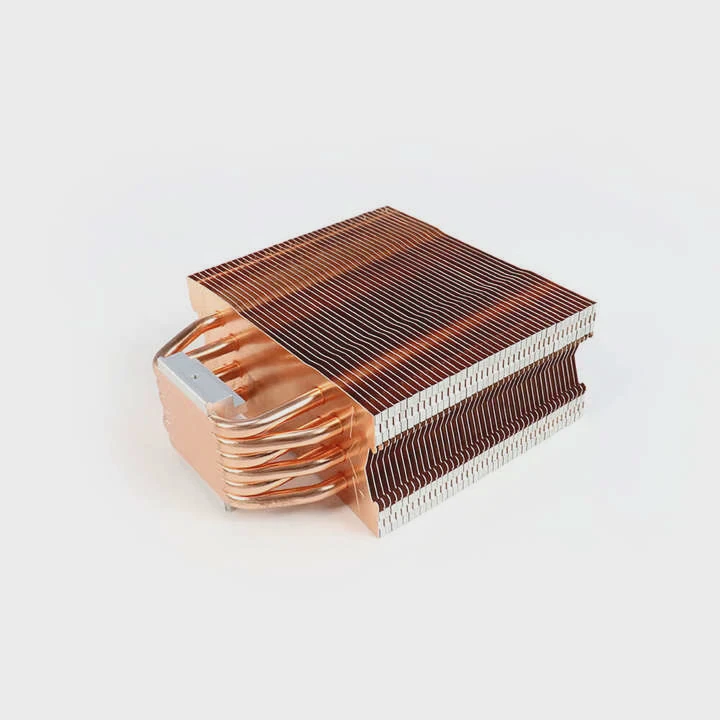
Many riders wonder if the Royal Enfield Super Meteor 650 uses a liquid-cooled engine. This question often comes from people comparing it to modern bikes with advanced cooling systems. The answer reveals much about the design philosophy of Royal Enfield.
The Royal Enfield Super Meteor 650 is not liquid-cooled; it uses an air-and-oil cooling system to maintain engine temperature.
The bike’s cooling setup plays a big role in its performance, comfort, and longevity. Let’s dive deeper into how it works and what makes it suitable for long cruising rides.
What type of cooling system does the Super Meteor 650 use?
Motorcycle enthusiasts often associate “cruiser” with “relaxing rides,” but engine heat can ruin that comfort. When it comes to the Super Meteor 650, cooling efficiency is crucial to keeping the ride smooth and the engine healthy.
The Super Meteor 650 uses an air-and-oil cooling system, combining air fins and an oil cooler to manage heat effectively.
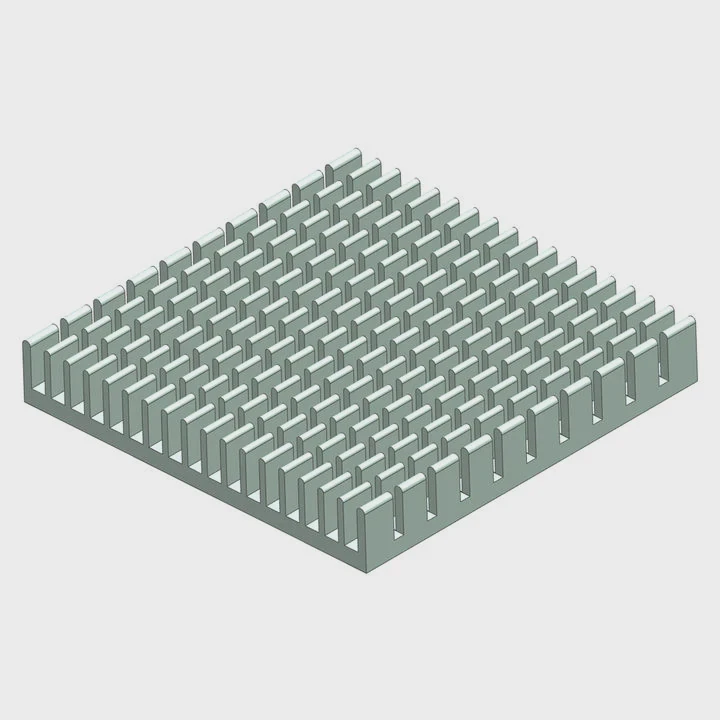
This design is a hybrid between traditional air cooling and modern liquid cooling. Air fins on the cylinder head dissipate heat directly into the air, while an external oil cooler circulates engine oil through cooling fins. The oil not only lubricates but also absorbs heat from critical areas like the piston and valves.
How the system works
Air is the first cooling layer. As the motorcycle moves, air flows across the fins, helping the metal release heat. At the same time, oil inside the engine carries heat away from the core components and passes through the oil cooler, where it cools before circulating back. This dual approach maintains consistent temperature without needing a bulky radiator or coolant fluid.
Advantages of this hybrid system
| Feature | Description |
|---|---|
| Simplicity | Fewer moving parts make it easier to maintain. |
| Reliability | No coolant leaks or water pump failures. |
| Lightweight | Less weight compared to liquid cooling systems. |
| Classic design | Keeps the retro styling consistent with Enfield’s heritage. |
Limitations
| Limitation | Impact |
|---|---|
| Less efficient in traffic | Airflow is reduced when the bike is stationary. |
| Temperature sensitivity | Performance may vary in extremely hot climates. |
| Less precise thermal control | Not ideal for high-performance engines. |
Still, for a mid-powered cruiser like the Super Meteor 650, this system strikes a smart balance between tradition and functionality. It fits perfectly with the brand’s philosophy of offering a reliable and easy-to-maintain ride.
What are the benefits of liquid cooling in motorcycles?
Every motorcyclist knows that heat is both an engine’s byproduct and its enemy. When engineers design cooling systems, they must decide how to balance power, weight, and durability. That’s why many high-performance bikes use liquid cooling instead of air or oil cooling.
Liquid cooling improves performance, efficiency, and consistency by maintaining stable engine temperatures across all conditions.
Why liquid cooling matters
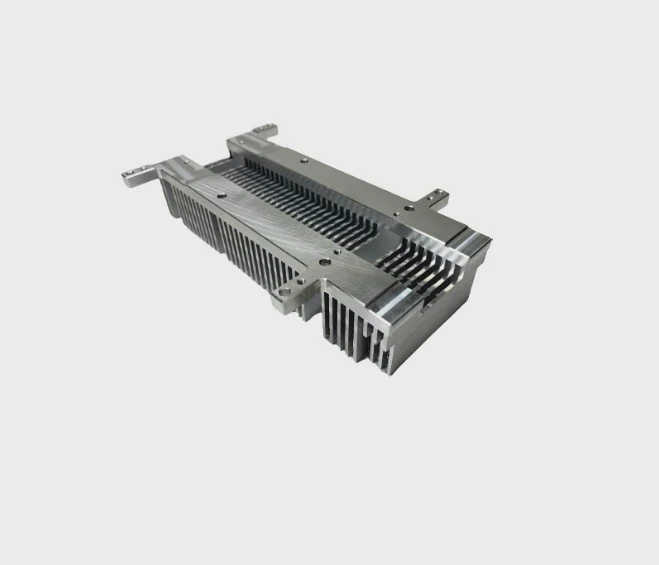
In a liquid-cooled engine, coolant circulates around the cylinders and heads, absorbing heat and passing it through a radiator. A fan and thermostat control the flow and temperature, ensuring the engine operates within its ideal range.
Key advantages
- Better temperature control: Liquid cooling maintains a more stable temperature, which reduces engine stress and extends component life.
- Higher performance potential: Engines can run at tighter tolerances and higher compression ratios.
- Quieter operation: Water jackets around the cylinders dampen noise.
- Longer lifespan: Components wear less when temperature remains consistent.
Example comparison
| Feature | Air/Oil Cooling | Liquid Cooling |
|---|---|---|
| Heat control | Moderate | Excellent |
| Maintenance | Low | Medium |
| Performance | Good for touring | Best for sport bikes |
| Weight | Light | Heavier |
| Noise level | Louder | Quieter |
When liquid cooling makes sense
If a motorcycle is designed for racing, high-speed touring, or performance-focused riding, liquid cooling is essential. It allows for higher power output without overheating. For cruisers like the Super Meteor 650, which focus on comfort and simplicity, air-and-oil cooling provides enough stability without extra complexity.
How does the cooling system affect the performance of Super Meteor 650?
Engine cooling isn’t just about comfort; it directly affects performance. Riders can feel it when the bike runs too hot—power drops, fuel efficiency decreases, and the engine sounds rough. So, how does the Super Meteor 650’s cooling system influence its behavior on the road?
The air-and-oil cooling system of the Super Meteor 650 supports steady power delivery, smooth cruising, and reduced mechanical stress over long rides.
Real-world performance
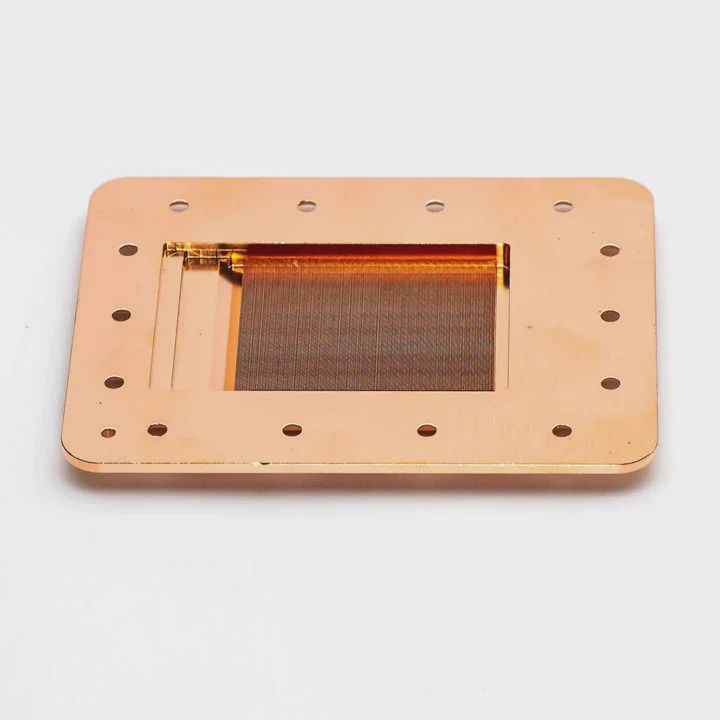
In real riding conditions, the system performs well. The bike’s 648cc parallel-twin engine produces around 47 horsepower and 52 Nm of torque, and it remains stable during long highway rides. The oil cooler helps prevent overheating even during summer cruising.
Impact on rider experience
The biggest advantage is predictability. The Super Meteor 650 maintains consistent throttle response and smooth vibration control, especially at mid-range RPMs. The engine doesn’t get too hot even after hours of riding, which keeps the seat area and rider legs comfortable.
Efficiency and durability
This design also enhances fuel efficiency because the engine runs closer to its optimal combustion temperature. Components like pistons and valves face less thermal expansion, improving long-term reliability.
When the system reaches its limits
However, in slow city traffic or high ambient temperatures above 40°C, the air-and-oil setup can feel stretched. Riders may notice a bit more engine heat around their legs. That’s normal and expected for this kind of cooling design.
Summary of performance effects
| Factor | Cooling System Impact |
|---|---|
| Power Output | Stable and smooth delivery |
| Fuel Efficiency | Improved consistency |
| Comfort | Better at cruising speeds |
| Reliability | Strong under typical loads |
| Heat Management | Adequate but not ideal for traffic |
This balance between performance and simplicity is what makes the Super Meteor 650 appealing to traditional riders who prefer a low-maintenance cruiser.
What are the future trends in motorcycle cooling systems?
Motorcycle engineering is evolving fast. As emission norms tighten and power demands increase, cooling systems are becoming more sophisticated. The industry is moving beyond just air or liquid cooling; hybrid and intelligent systems are already under development.
Future motorcycle cooling systems will combine liquid cooling, electronic controls, and new materials for better heat management and efficiency.
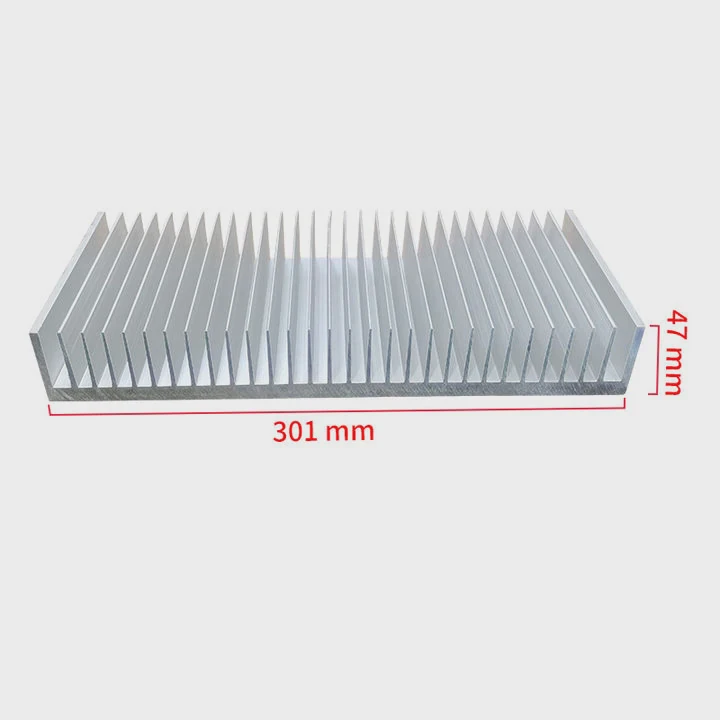
Key innovation trends
- Hybrid cooling: Combining liquid and phase-change materials for adaptive heat absorption.
- Smart cooling systems: Sensors and ECUs that adjust fan speed and coolant flow based on riding conditions.
- Advanced materials: Using graphene or aluminum composites with higher thermal conductivity.
- Compact radiators: Smaller and lighter cooling modules to fit electric and hybrid motorcycles.
- Thermal storage systems: Capturing and reusing heat energy for improved efficiency in EVs.
Example: phase-change cooling
Some researchers are exploring phase-change materials (PCMs) that store heat when the engine runs hot and release it later when temperatures drop. This allows for consistent operation even without continuous airflow—ideal for electric or urban motorcycles.
The shift toward electrification
Electric motorcycles also face heat management challenges, especially for batteries and controllers. Cooling technologies used in high-end electric vehicles are now being scaled down for two-wheelers. This shift demands new types of cooling plates, liquid channels, and modular thermal systems.
Materials and manufacturing impact
Manufacturers are moving toward lightweight aluminum cooling plates and liquid-cooled modules that can be customized for each model. As someone involved in thermal design, I see how innovations in aluminum extrusion and brazing make these systems lighter, cheaper, and more effective.
Industry direction summary
| Trend | Description | Benefit |
|---|---|---|
| Smart Cooling | ECU-controlled fans and valves | Real-time optimization |
| Hybrid Cooling | Liquid + air + PCM | Wider temperature range |
| Aluminum Systems | Lightweight, modular design | Better efficiency |
| Electric Integration | Cooling for batteries and motors | Stability for EVs |
These future systems will redefine how motorcycles manage heat. Riders can expect engines that perform consistently, last longer, and adapt intelligently to any climate.
Conclusion
The Royal Enfield Super Meteor 650 is not liquid-cooled, but its air-and-oil system serves its purpose perfectly. It balances simplicity, performance, and reliability. While liquid cooling dominates high-performance bikes, the Super Meteor stays true to its cruiser roots—stable, smooth, and easy to maintain. As technology evolves, we can expect future motorcycles to adopt smarter and lighter cooling systems that merge tradition with innovation.
TAGS
Latest Articles

Volume discount levels for heat sink orders?
Buyers often ask when heat sink prices start to drop with volume. Many worry they’re overpaying for small orders. This guide explains how B2B volume pricing works for thermal components. Heat sink
21 Dec,2025
Heat sink long-term supply contract options?
Many buyers want stable pricing and reliable delivery for heat sinks. But without a clear contract, risks grow over time. This article explores how to secure better long-term supply deals. Long-term
21 Dec,2025
Tooling cost for new heat sink profiles?
Many engineers struggle to understand why tooling for custom heat sinks costs so much. They worry about budgeting and production timelines. This article breaks down the cost drivers behind tooling.
21 Dec,2025
Heat sink custom sample process steps?
Sometimes, starting a custom heat sink project feels overwhelming—too many steps, too many unknowns, and too many risks. You want a sample, but not endless delays. The process for requesting and
20 Dec,2025
Standard B2B terms for heat sink payments?
When buyers and sellers in B2B heat sink markets talk about payment, many don’t fully understand what’s standard. This can lead to delayed orders, miscommunication, and even lost business
20 Dec,2025
Heat sink pricing factors for large orders?
Heat sinks are vital for many systems. When prices rise, projects stall and budgets break. This problem can hit teams hard without warning. Large order heat sink pricing depends on many factors. You
20 Dec,2025Related Articles
- Heat Sink Manufacturer in Dominican Republic
- Heat Sink Manufacturer in Dominica
- Heat Sink Manufacturer in Djibouti
- Heat Sink Manufacturer in Cyprus
- Heat Sink Manufacturer in Cuba
- Heat Sink Manufacturer in Croatia
- Is air cooled or liquid cooled better?
- Is air cooled better than liquid?
- How to take care of liquid cooling?
- How to set up liquid cooling for your CPU?
- How to screw in processor liquid cooler?
- How to replace liquid cooling system?
Author
Dr. Emily Chen
Chief AI Researcher
Leading expert in thermal dynamics and AI optimization with over 15 years of experience in data center efficiency research.
Categories
Latest Products






Recommend Categories
- Liquid cooling plate Manufacturer
- Industrial Heat Sink Manufacturer
- Standard Heat Sink Manufacturer
- Aluminum Heat Sink Manufacturer
- Copper Heat Sink Manufacturer
- Anodized Heatsink Manufacturer
- Stamping heat sink Manufacturer
- Die Casting Heatsink Manufacturer
- Soldering heat sink Manufacturer
- CNC Parts Manufacturer
Latest Products
- Wholesale Aluminum Radiator
- Water Cooling Plate Kit
- Water Cooling Heat Sink
- Water Cooling Heat Sink Kit
- Stainless Steel Water Distributor
- Server Water Cooling Plate Kit
- Server Liquid Cooling System
- Server Aluminum Cooling Kit
- S19 Full Cover Cooling Plate
- S19 Cooling Plate Kit
- S19 Aluminum Cooling Plate
Contact Expert
Have questions about this article? Reach out to our experts directly.