How to take care of liquid cooling?
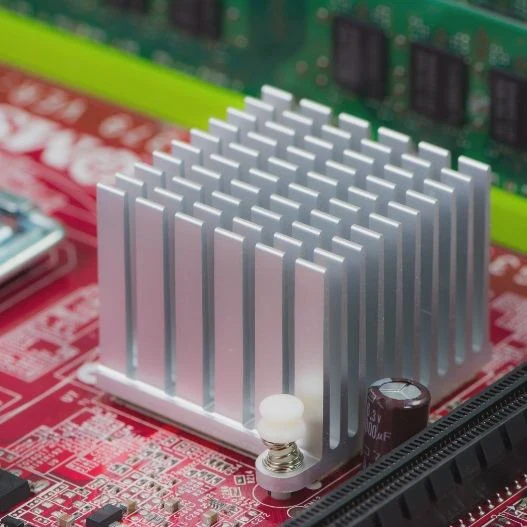
Liquid cooling systems can fail silently if you ignore them. Overheating, corrosion, or leaks often start small but quickly damage components.
Proper maintenance ensures stable performance, extends lifespan, and prevents costly failures in high-performance systems.
If you use liquid cooling for industrial or computing systems, routine checks and preventive maintenance are essential. Once you understand the basics, keeping the system efficient becomes easy.
What maintenance is required for a liquid cooling system?
Regular maintenance is the key to consistent temperature control and reliable operation.
A liquid cooling system needs cleaning, fluid replacement, leak inspection, and pump performance checks to maintain efficiency and avoid overheating.
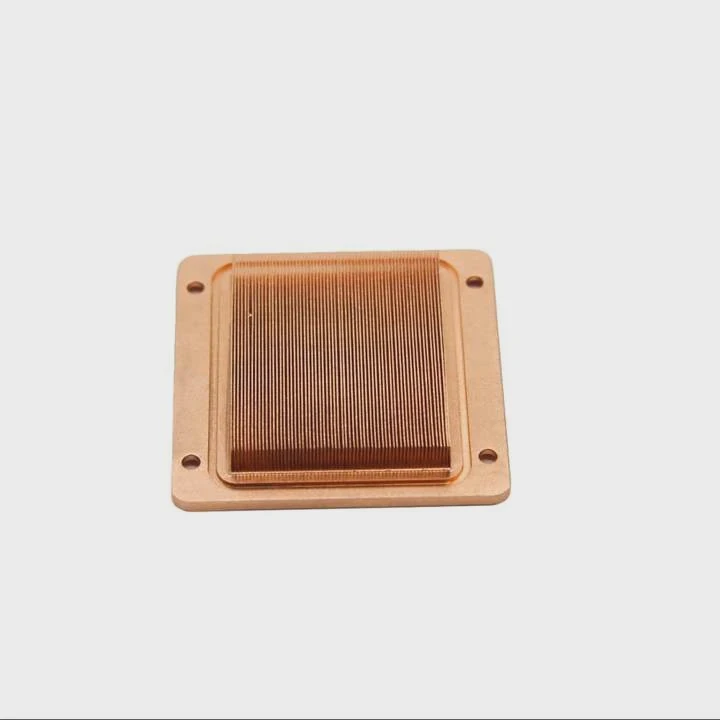
To keep a liquid cooling system running smoothly, I follow a simple schedule. Every few months, I inspect the tubing, fittings, and reservoir. I also check the coolant color and clarity. If it looks cloudy or discolored, I flush and refill it. This prevents algae growth and blockages that affect heat transfer.
Step-by-step maintenance guide
| Task | Frequency | Purpose |
|---|---|---|
| Inspect coolant color and level | Monthly | Detect early contamination |
| Clean radiator fins | Every 2 months | Maintain airflow efficiency |
| Replace coolant | Every 6-12 months | Avoid corrosion and buildup |
| Check for leaks | Every month | Prevent fluid loss and system damage |
| Test pump operation | Every 3 months | Ensure constant circulation |
These steps prevent the most common issues before they become expensive problems. Many users skip cleaning or delay fluid replacement, which often leads to corrosion inside the channels.
Keeping the system clean also helps maintain thermal efficiency. A small layer of dirt or scale can significantly reduce heat transfer. I always use distilled water or manufacturer-approved coolants to avoid mineral buildup.
How do I ensure my liquid cooling system lasts longer?
Even a high-quality system can degrade quickly without proper care.
To make a liquid cooling system last longer, use quality coolant, maintain correct pressure, and clean radiators and pumps regularly.
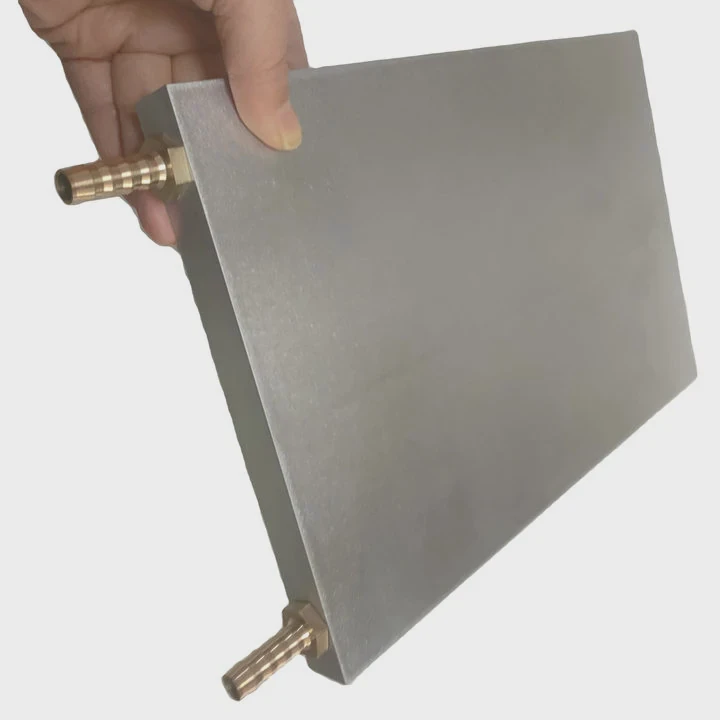
When I first started working with liquid cooling, I underestimated how sensitive these systems are to small details. The key to longevity is consistency. You do not need to over-maintain it, but you must never ignore small signs of trouble.
Tips to extend lifespan
| Component | Action | Benefit |
|---|---|---|
| Radiator | Clean fins and remove dust | Improves heat dissipation |
| Coolant | Replace regularly | Prevents oxidation and scale |
| Tubing | Inspect for cracks | Avoids leaks |
| Pump | Run periodically even during downtime | Prevents seal drying |
| Fittings | Tighten carefully | Maintains pressure balance |
Another good habit is to monitor system temperature trends. A small rise in temperature often signals a blockage or air bubble inside. Bleeding air from the system helps restore flow and prevents cavitation damage in the pump.
Best practices for long-term performance
Always run the system within its designed temperature and flow limits. Overclocking or operating under extreme heat shortens lifespan. I also recommend keeping an external log of fluid changes and component checks. It helps identify performance patterns and detect early issues.
Quality also matters. I always choose components with corrosion-resistant materials like nickel-plated brass or stainless steel. Using mixed metals like copper and aluminum in the same loop can cause galvanic corrosion if coolant additives are weak.
What common issues do liquid cooling systems face?
Even with proper care, liquid cooling systems can face recurring issues.
Common problems include leaks, air bubbles, pump failures, corrosion, and algae growth that reduce cooling performance.
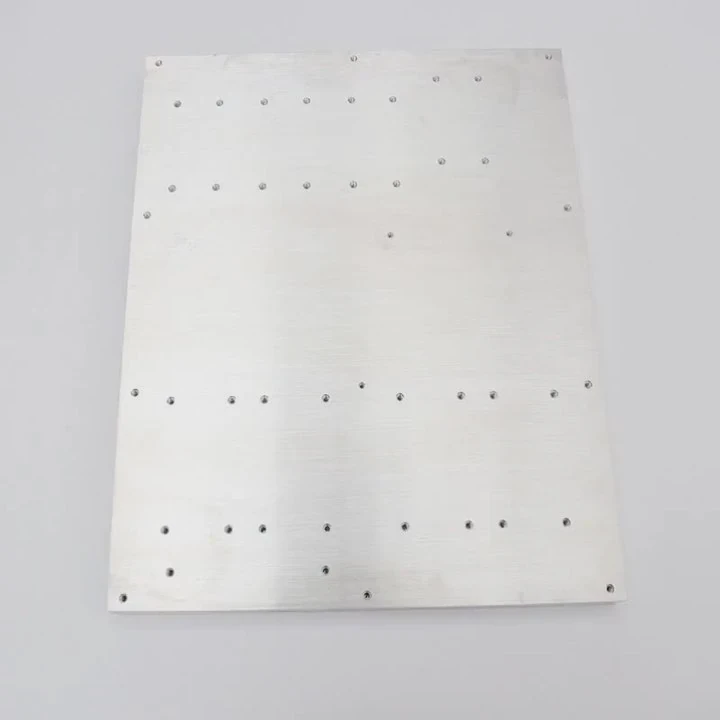
I have seen several systems fail because of small leaks that went unnoticed for weeks. The most common reason is poor sealing or using incompatible fittings. Air bubbles are another frequent issue. They block coolant flow and create hotspots.
Common problems and solutions
| Problem | Cause | Solution |
|---|---|---|
| Leaks | Loose fittings or cracked tubing | Tighten or replace components |
| Air bubbles | Improper filling | Bleed the system properly |
| Pump noise or failure | Dry running or blockage | Clean and refill coolant |
| Corrosion | Poor coolant or mixed metals | Use corrosion inhibitors |
| Algae growth | Contaminated or old coolant | Replace coolant and clean system |
Diagnosing issues effectively
When diagnosing a system, I always start by listening. A gurgling or whining sound usually means trapped air or pump stress. Next, I check the coolant flow visually in the reservoir or tubing. Slow or irregular flow often indicates partial blockage or pump failure.
Temperature sensors also help. If one side of the system is significantly hotter, the coolant may not be circulating evenly. Cleaning or replacing clogged radiators usually solves the problem.
Preventive mindset
The best way to handle issues is to prevent them. Keeping coolant fresh, sealing all joints tightly, and using the right additives protect the system. I also prefer transparent tubing for easy inspection. If you can see the flow, you can spot bubbles or discoloration early.
What are the future trends in liquid cooling maintenance?
Technology and sustainability are reshaping how we care for liquid cooling systems.
Future liquid cooling maintenance will use smart sensors, AI monitoring, and self-cleaning fluids for predictive maintenance and higher reliability.
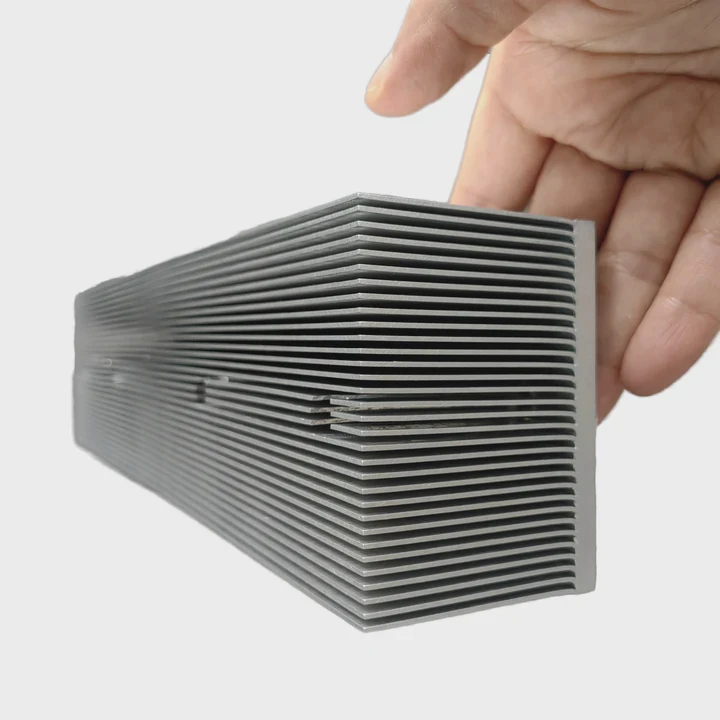
When I visit modern facilities, I see more automation in thermal management. Traditional manual inspections are being replaced by connected systems that analyze coolant condition and flow in real time.
Smart maintenance technologies
Smart sensors now track coolant temperature, flow rate, and contamination levels. These sensors send data to monitoring software that predicts when maintenance is needed. Instead of waiting for a leak or pump failure, the system alerts the operator early.
Here’s what the new generation of systems includes:
| Feature | Function | Benefit |
|---|---|---|
| Smart sensors | Detect fluid quality and flow | Reduce human error |
| AI prediction | Analyze patterns and forecast issues | Enable preventive maintenance |
| Self-cleaning additives | Break down deposits automatically | Extend maintenance intervals |
| Modular design | Simplify replacement | Reduce downtime |
| Eco-friendly coolants | Lower toxicity and waste | Improve sustainability |
Sustainable coolants
The shift to green manufacturing also affects coolant formulation. New biodegradable fluids are replacing glycol-based types. They reduce environmental impact and improve material compatibility. I believe this will become standard in industrial systems within a few years.
Digital maintenance platforms
Another trend is the use of digital twins for liquid cooling systems. These virtual models simulate performance under different conditions. Engineers can test new configurations or maintenance cycles without risking real hardware. This approach saves time and improves reliability.
Long-term outlook
In the near future, predictive maintenance will dominate the industry. Systems will monitor themselves, schedule maintenance automatically, and even adjust flow based on heat load. This reduces manual labor and ensures consistent efficiency. It’s a step toward self-managing thermal systems.
Conclusion
Regular maintenance, smart monitoring, and using quality materials are the keys to keeping liquid cooling systems efficient and durable. By combining basic care with emerging technologies, anyone can extend system life and avoid costly breakdowns.
TAGS
Latest Articles

Volume discount levels for heat sink orders?
Buyers often ask when heat sink prices start to drop with volume. Many worry they’re overpaying for small orders. This guide explains how B2B volume pricing works for thermal components. Heat sink
21 Dec,2025
Heat sink long-term supply contract options?
Many buyers want stable pricing and reliable delivery for heat sinks. But without a clear contract, risks grow over time. This article explores how to secure better long-term supply deals. Long-term
21 Dec,2025
Tooling cost for new heat sink profiles?
Many engineers struggle to understand why tooling for custom heat sinks costs so much. They worry about budgeting and production timelines. This article breaks down the cost drivers behind tooling.
21 Dec,2025
Heat sink custom sample process steps?
Sometimes, starting a custom heat sink project feels overwhelming—too many steps, too many unknowns, and too many risks. You want a sample, but not endless delays. The process for requesting and
20 Dec,2025
Standard B2B terms for heat sink payments?
When buyers and sellers in B2B heat sink markets talk about payment, many don’t fully understand what’s standard. This can lead to delayed orders, miscommunication, and even lost business
20 Dec,2025
Heat sink pricing factors for large orders?
Heat sinks are vital for many systems. When prices rise, projects stall and budgets break. This problem can hit teams hard without warning. Large order heat sink pricing depends on many factors. You
20 Dec,2025Related Articles
- Is air cooled better than liquid?
- Is air cooled or liquid cooled better?
- Is Super Meteor 650 liquid cooled?
- Heat Sink Manufacturer in Dominican Republic
- Heat Sink Manufacturer in Dominica
- Heat Sink Manufacturer in Djibouti
- How to set up liquid cooling for your CPU?
- How to screw in processor liquid cooler?
- How to replace liquid cooling system?
- How to make an air cooled engine liquid cooled?
- How to liquid cool GPU?
- How does a liquid cooled computer work?
Author
Dr. Emily Chen
Chief AI Researcher
Leading expert in thermal dynamics and AI optimization with over 15 years of experience in data center efficiency research.
Categories
Latest Products






Recommend Categories
- Liquid cooling plate Manufacturer
- Industrial Heat Sink Manufacturer
- Standard Heat Sink Manufacturer
- Aluminum Heat Sink Manufacturer
- Copper Heat Sink Manufacturer
- Anodized Heatsink Manufacturer
- Stamping heat sink Manufacturer
- Die Casting Heatsink Manufacturer
- Soldering heat sink Manufacturer
- CNC Parts Manufacturer
Latest Products
- Wholesale Aluminum Radiator
- Water Cooling Plate Kit
- Water Cooling Heat Sink
- Water Cooling Heat Sink Kit
- Stainless Steel Water Distributor
- Server Water Cooling Plate Kit
- Server Liquid Cooling System
- Server Aluminum Cooling Kit
- S19 Full Cover Cooling Plate
- S19 Cooling Plate Kit
- S19 Aluminum Cooling Plate
Contact Expert
Have questions about this article? Reach out to our experts directly.