Standard moisture protection for Vapor Chamber
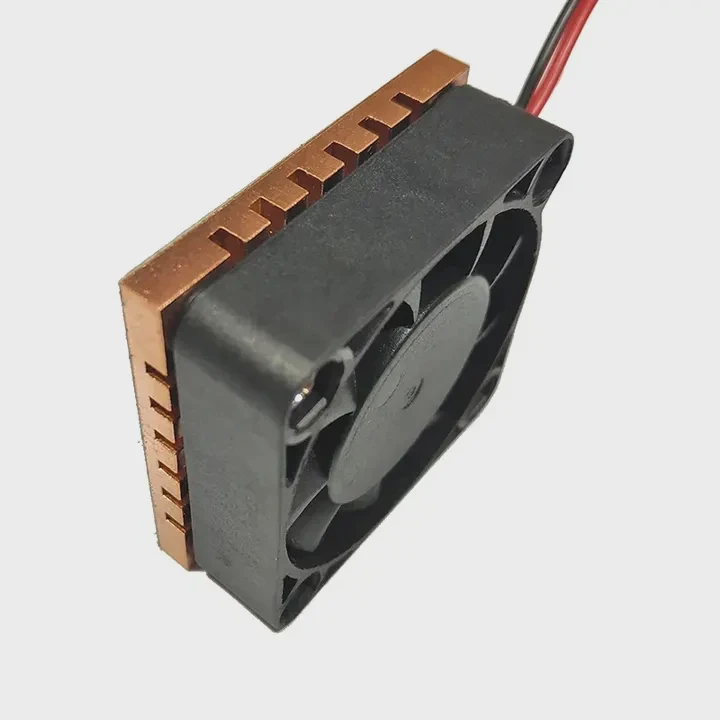
Keeping vapor chambers dry during transport and storage is not just a good idea — it’s essential. Without proper moisture protection, even a perfectly built vapor chamber can suffer corrosion, oxidation, or seal degradation. Over time that can degrade thermal performance or cause outright failure.
Good moisture protection combines barrier packaging, humidity control, and smart monitoring. With the right methods, vapor chambers stay safe across shipping, storage, and long idle periods — ensuring they remain ready for assembly and use.
Below I describe standard methods manufacturers and suppliers use, why they matter, when to use which method, and how to build a solid packaging and receiving process.
What moisture protection methods are standard for Vapor Chambers?
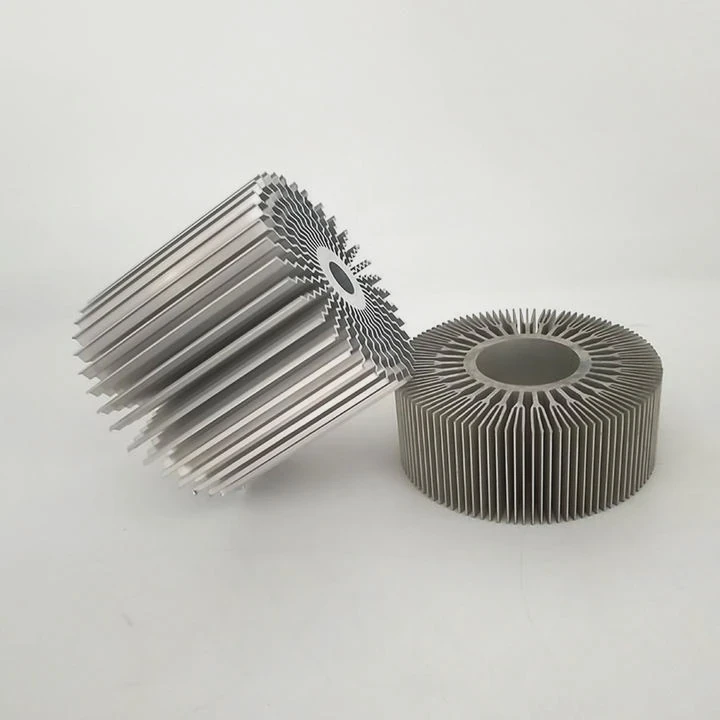
Vapor chambers are usually metal assemblies (copper, aluminum, or similar materials), sometimes with internal wick structures and a sealed working fluid. Even though the internal fluid is sealed, the external surfaces and metal body are vulnerable to oxidation, especially during long shipments, storage in humid climates, or when containers sit in damp warehouses.
To prevent moisture damage, some standard protection methods are commonly used:
- Moisture‑barrier packaging (foil or multi‑layer barrier bags)
- Desiccant packets to absorb residual or trapped moisture
- Vacuum sealing or inert‑gas purging before sealing for long-term storage
- Humidity indicator cards (HICs) inside the packaging to monitor internal humidity
- Rust/inhibitor coatings or passivation on exposed metal surfaces (optional, depending on alloy and finish)
Below is a table summarizing these methods and their roles:
| Protection Method | What It Does / Why Important |
|---|---|
| Moisture‑Barrier Bags | Block external water vapor, prevent condensation and leaks |
| Desiccant Packets (e.g. silica gel) | Absorb residual moisture inside sealed package |
| Vacuum Seal or Inert‑Gas Purge | Remove air/moisture before sealing — avoids oxidation over time |
| Humidity Indicator Cards | Show if humidity inside exceeds safety threshold — user visible |
| Surface Rust Inhibitor / Passivation | Add extra protection for metal surfaces against corrosion |
Why this layered approach works:
- Barrier bags block external moisture and water ingress.
- Desiccants control internal humidity if any moisture entered or was trapped before sealing.
- Vacuum sealing removes air (and moisture), ensuring a dry internal environment — ideal for long storage.
- Humidity cards give a simple, visual check that packaging still protects inside.
- If the metal has no protective finish, passivation or inhibitor helps guard against corrosion even if some moisture appears.
In real‑world supply chains (especially long overseas shipments or storage before use), most vapor chamber producers adopt at least barrier bags + desiccant combination. For high‑value or long‑lead stock, vacuum sealing or inert‑gas packing is common.
Are desiccants included in packaging?
Yes — including desiccants (like silica gel) is almost universally accepted as a best practice. Desiccants are inexpensive, simple to use, and very effective at preventing condensation or moisture accumulation inside sealed packaging.
When desiccants are used
- For sea freight shipments — container humidity and condensation risk is high.
- For long storage, especially in humid climates (tropical, coastal).
- When vapor chambers are stored before assembly — some may sit weeks or months in warehouses.
- When precise thermal performance is critical and any corrosion risk must be mitigated.
How to choose and use desiccants
- Use silica gel or clay desiccants, in sufficient quantity proportional to package volume. A small sealed bag may need 2–4 small packets; large cartons or trays may need one per chamber slot or layer.
- Use sealed, moisture-resistant desiccant pouches to avoid dust contamination. Avoid loose granules.
- Combine with barrier bags so desiccants absorb only internal moisture, not external humidity that seeps in continuously.
Additionally, for returns or internal storage (e.g. after partial shipment use), it’s wise to refresh silica gel (by heating or replacing) — otherwise it can saturate and lose effectiveness.
Is vacuum sealing required for long-term storage?
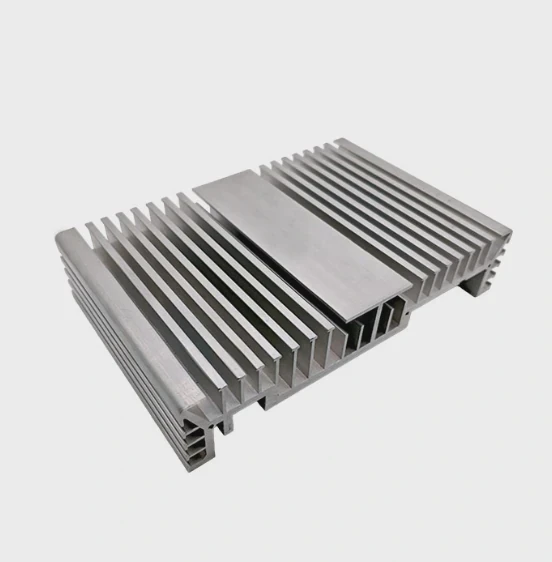
Vacuum sealing is a stronger level of protection. It removes internal air (and with it, moisture and oxygen) before sealing the package — creating a dry, inert micro‑environment around the vapor chamber. This greatly reduces risk of oxidation, corrosion, or moisture-driven degradation over time.
When vacuum sealing is recommended
- For long-term storage (months to years) before use.
- For shipments across multiple climates (cold / hot / humid) or long travel times.
- For high-value or mission‑critical parts where even minor corrosion is unacceptable (e.g. aerospace, medical, high‑reliability industrial equipment).
- For bulk inventory held as stock before order fulfillment.
Pros and cons of vacuum sealing
| Advantage | Limitation / Consideration |
|---|---|
| Minimizes oxygen and moisture — protects metal | Requires sealing equipment and controlled process |
| Extends shelf life, allows safe long-term storage | Slightly more packaging cost and prep time |
| Good for shipments crossing varying environments | If bag tears, inner parts may be vulnerable |
| Works well with desiccants and barrier bags | Re-opening requires care to avoid contamination |
Note: instead of full vacuum, inert‑gas purge (e.g. nitrogen) before sealing can also help, especially when vacuum seal equipment is not available. This reduces oxygen and moisture level without full evacuation.
For vapor chambers destined to sit in warehouse, vacuum sealing plus desiccant plus barrier bag is a strong best practice. Many suppliers use this combo for long‑term stock or export to humid areas.
Can humidity indicators be added to cartons?
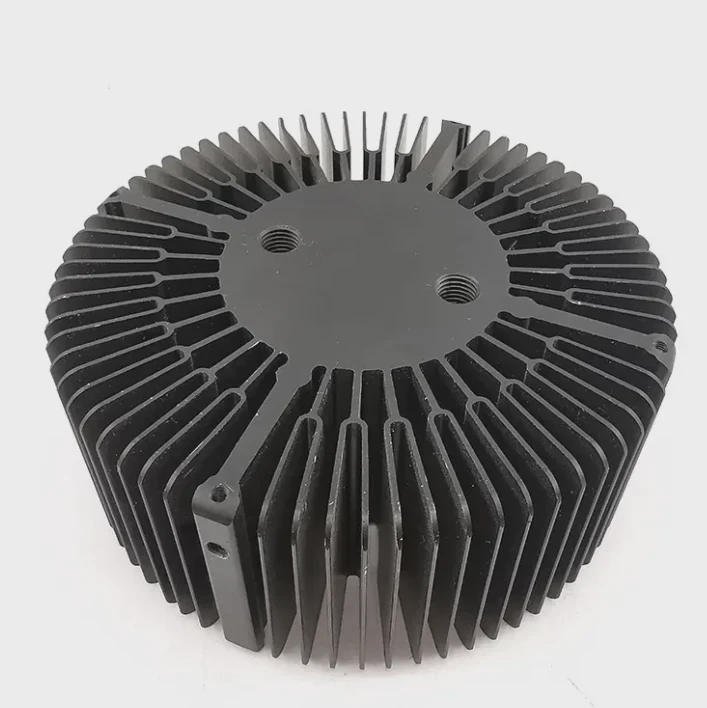
Yes — adding a humidity indicator card (HIC) inside the packaging is a simple, low‑cost measure that provides visible proof of internal humidity levels. HICs change color when relative humidity inside the package exceeds a threshold (often 30–60% RH).
Why use HICs
- Immediate visual alert: upon opening the carton, you immediately know if moisture protection failed.
- Useful for quality control and traceability — if oxidation or corrosion appears later, you have record of internal humidity during shipping.
- Helps for claims or supplier feedback — proof that moisture ingress occurred in transit or storage.
- Low cost and easy to include even in large shipments.
Recommended practice
- Place one HIC per sealed bag or per layer of cartons — depending on packaging scheme.
- Choose multi‑color or multi‑level indicators to detect different humidity thresholds.
- Combine with desiccants and barrier bags for maximum protection — HIC is detection, not a prevention by itself.
In many electronics and thermal‑component supply chains, barrier bag + desiccant + HIC is a standard “dry pack” approach. For vapor chambers shipped to humid coastal or tropical areas, this is strongly recommended to avoid rust or corrosion risk.
Putting it all together: Recommended packaging workflow
Here is a recommended packaging and moisture‑control workflow for vapor chambers, covering from factory to warehouse and all the way to end‑use.
- Clean and dry vapor chamber surfaces; remove fingerprints, oils, or surface contaminants.
- (Optional) Apply light protective passivation or anti‑corrosion coating if chamber material is prone to oxidation.
- Place each chamber inside a moisture‑barrier foil bag.
- Insert one or more desiccant packets inside the bag.
- Optionally insert a humidity indicator card.
- Seal bag by heat‑sealing or vacuum sealing or inert‑gas purge + sealing.
- Place sealed units into foam‑padded trays or dividers; avoid direct metal-to-metal contact.
- Stack trays into corrugated export cartons, adding inner bubble cushioning or paper interleaves as needed.
- Add external labeling: “Dry Pack – Do Not Open Until Ready”, origin, part number, handling instructions.
- Ship via controlled freight (air, sea, courier), preferably with tracking and insurance.
- On receipt, inspect HIC, confirm dryness, then move to dry storage until use.
This layered approach guards against moisture, oxygen, mechanical damage, and handling risks — providing robust protection from factory to final assembly.
Why moisture protection matters for vapor chambers
Metal parts may seem tough, but vapor chambers have critical internal structures — wick, working fluid, and precise flat surfaces — that must remain pristine for thermal performance. Moisture or oxidation can lead to:
- Poor thermal contact due to corrosion or pitting
- Loss of surface flatness due to stress corrosion or moisture‑driven warping
- Leaks if seals or welds are affected over time
- Reduced reliability or premature failure under thermal cycling
For industries like aerospace, telecom, data center cooling, or high‑end electronics, the cost of a single failed vapor chamber can be huge. In these cases, moisture protection is not an optional “extra” — it’s a must.
Even for standard industrial or consumer-grade equipment, a rusted copper plate or oxidized surface will degrade thermal conductivity significantly. So moisture protection helps preserve value, performance, and lifespan.
Conclusion
Moisture is a hidden but serious threat for vapor chambers. Shipping and storing these parts without proper protection invites oxidation, corrosion, or seal degradation — all of which hurt thermal performance and reliability.
Standard moisture protection for vapor chambers should include: barrier packaging, desiccant packets, vacuum or inert‑gas sealing for long-term storage, and humidity indicator cards for quality verification. When combined with good external cushioning and proper handling, this forms a robust defense against moisture, transport stress, and time.
If you source or own vapor chambers, insist on “dry‑pack” packaging and storage protocols. This small upfront care protects the parts — and ensures you get the thermal performance and reliability you expect when the chamber finally goes into service.
TAGS
Latest Articles

Volume discount levels for heat sink orders?
Buyers often ask when heat sink prices start to drop with volume. Many worry they’re overpaying for small orders. This guide explains how B2B volume pricing works for thermal components. Heat sink
21 Dec,2025
Heat sink long-term supply contract options?
Many buyers want stable pricing and reliable delivery for heat sinks. But without a clear contract, risks grow over time. This article explores how to secure better long-term supply deals. Long-term
21 Dec,2025
Tooling cost for new heat sink profiles?
Many engineers struggle to understand why tooling for custom heat sinks costs so much. They worry about budgeting and production timelines. This article breaks down the cost drivers behind tooling.
21 Dec,2025
Heat sink custom sample process steps?
Sometimes, starting a custom heat sink project feels overwhelming—too many steps, too many unknowns, and too many risks. You want a sample, but not endless delays. The process for requesting and
20 Dec,2025
Standard B2B terms for heat sink payments?
When buyers and sellers in B2B heat sink markets talk about payment, many don’t fully understand what’s standard. This can lead to delayed orders, miscommunication, and even lost business
20 Dec,2025
Heat sink pricing factors for large orders?
Heat sinks are vital for many systems. When prices rise, projects stall and budgets break. This problem can hit teams hard without warning. Large order heat sink pricing depends on many factors. You
20 Dec,2025Related Articles
- How to inspect delivered Vapor Chamber batch?
- Vapor Chamber DDP shipping availability
- Vapor Chamber customs clearance process
- Can Vapor Chamber be shipped by courier?
- Minimum lead time for Vapor Chamber prototype?
- Vapor Chamber export insurance requirements?
- Installation tools needed for Vapor Chamber
- Can Vapor Chamber be disassembled?
- Maintenance tools for Vapor Chamber systems
- How long does a Vapor Chamber last?
- Warranty claim process for Vapor Chamber
- Typical after sales support for Vapor Chamber
Author
Dr. Emily Chen
Chief AI Researcher
Leading expert in thermal dynamics and AI optimization with over 15 years of experience in data center efficiency research.
Categories
Latest Products






Recommend Categories
- Liquid cooling plate Manufacturer
- Industrial Heat Sink Manufacturer
- Standard Heat Sink Manufacturer
- Aluminum Heat Sink Manufacturer
- Copper Heat Sink Manufacturer
- Anodized Heatsink Manufacturer
- Stamping heat sink Manufacturer
- Die Casting Heatsink Manufacturer
- Soldering heat sink Manufacturer
- CNC Parts Manufacturer
Latest Products
- Wholesale Aluminum Radiator
- Water Cooling Plate Kit
- Water Cooling Heat Sink
- Water Cooling Heat Sink Kit
- Stainless Steel Water Distributor
- Server Water Cooling Plate Kit
- Server Liquid Cooling System
- Server Aluminum Cooling Kit
- S19 Full Cover Cooling Plate
- S19 Cooling Plate Kit
- S19 Aluminum Cooling Plate
Contact Expert
Have questions about this article? Reach out to our experts directly.