Vapor Chamber DDP shipping availability
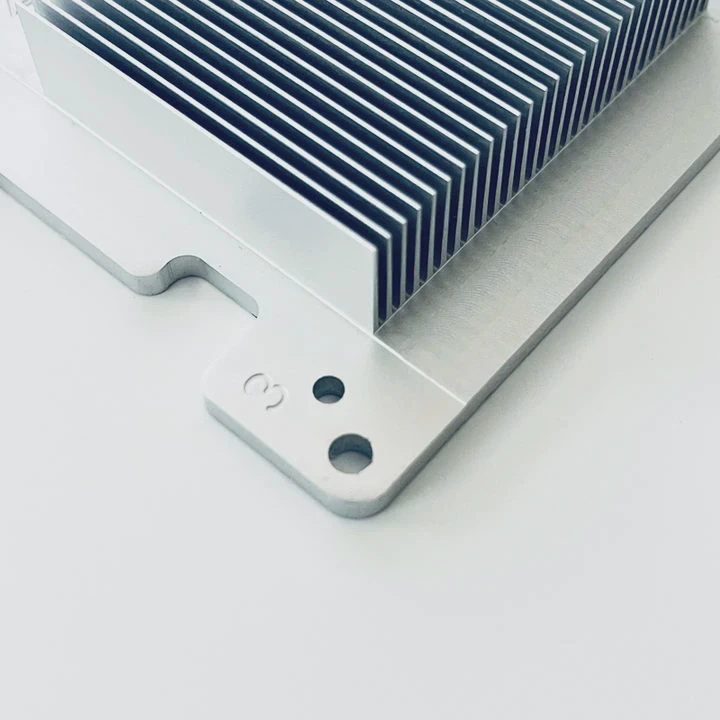
Shipping hardware internationally can be tricky. For specialized parts like vapor chambers, customers often wonder whether full‑service shipping under Delivered Duty Paid (DDP) is possible. That means the supplier handles everything: export, freight, import, duties, taxes, and final delivery. The good news is: under the right conditions, DDP works well — even for vapor chambers.
Yes. DDP shipping is feasible for vapor chamber orders, provided the supplier or their logistics partner can manage import clearance and duties in the destination country. This article explains how DDP applies to vapor chambers, what to check, which countries commonly support it, and practical limits or risks involved.
Is DDP shipping available for Vapor Chambers?
DDP is one of the official Incoterms rules. It doesn’t depend on product type — rather on agreement between buyer and seller, and logistics capability. Vapor chambers are no different from many other industrial components.
Vapor chambers themselves pose no special hazard. They are usually sealed metal parts (copper or aluminum shells, perhaps with internal working fluid sealed inside). With proper packaging, they are treated as standard mechanical goods. Thus, they qualify under DDP shipping just like other hardware.
Under DDP, the seller/exporter accepts responsibility for almost every step: customs export, freight transport, customs import, payment of duties/taxes, and delivery to buyer’s specified address. For the buyer, this means one full landed‑cost offer. Many buyers prefer DDP precisely because it transfers logistics burden and risk to the supplier or their freight team.
That said, DDP arrangement depends on supply‑chain maturity: the supplier must be able to operate or partner locally as importer‑of‑record. When that works, vapor chamber orders can be shipped DDP smoothly.
Do suppliers handle duties and final delivery?
If you agree on DDP terms with a supplier, yes — the supplier (or their freight forwarder) handles everything up to delivery at your location. This includes:
- Export packaging, labeling, and boxing
- Export customs clearance at origin
- International freight: sea freight, air freight, courier, or multimodal
- Import customs clearance in your country — including paperwork, classification, duties/taxes, and handling
- Payment of import duties, VAT/GST, or any import fees required by your country
- Inland transport from port/airport to your warehouse or site (if part of agreement)
From your perspective, you receive the shipment delivered duty‑paid. The risk transfers to you only at the final delivery point. Suppliers handle all export/import red tape, customs brokerage, and inland delivery if agreed.
Because vapor chambers are metal hardware without hazardous materials, many established thermal‑system suppliers already have logistics networks and partners to support DDP shipments. Especially for corporate or industrial clients, DDP reduces uncertainty and simplifies procurement.
However, to carry out DDP successfully, suppliers must have access to: legal import services, customs broker licensing (or partner), and financial capacity to advance duties/taxes on behalf of buyer (if duties apply). Without these, DDP might not be viable.
What countries support DDP for heat dissipation parts?
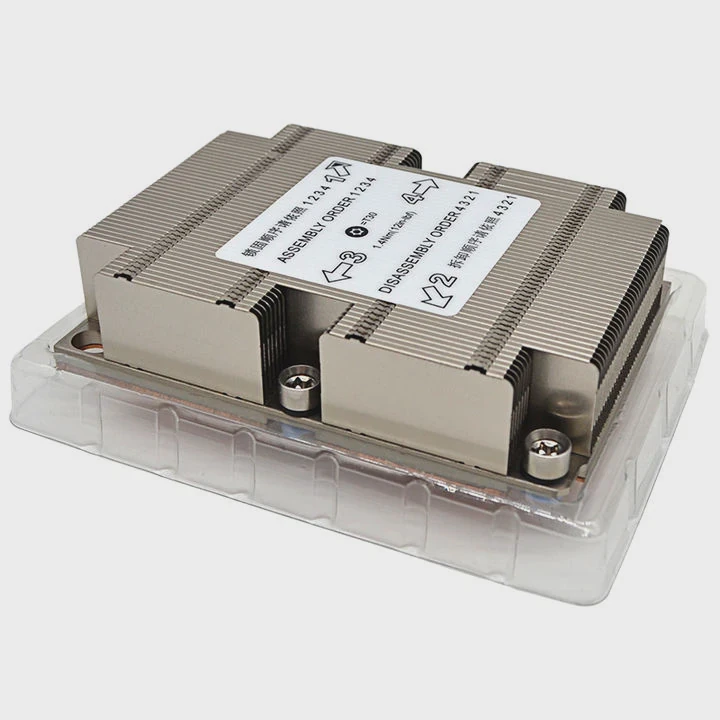
In principle, DDP works worldwide. Incoterms are globally recognized, and any country that imports industrial goods can process DDP shipments — provided the importer‑of‑record or broker is valid under local law.
Practically, DDP is most convenient when importing to countries with:
- Clear customs procedures
- Transparent duty & tax system
- No special licensing requirements for metal parts
- Reliable logistics infrastructure
For example, countries in Europe (EU member states, UK, Norway), North America (USA, Canada), parts of Asia (Japan, South Korea, Singapore), Australia and many others routinely accept DDP shipments for electronic/industrial components.
For vapor chambers (metal parts, not electronics), there’s rarely regulatory barrier. That means industrial customers in these countries often request DDP when placing orders: they want one‑stop ordering, transparent landed costs, and minimal customs hassle.
However, in a few countries with strict import rules — requiring local registration before you can be importer of record, mandatory import licenses or complex documentation — DDP becomes harder. Some suppliers avoid offering DDP to such destinations. In those cases, buyers may be asked to accept other Incoterms (CIF, FOB, etc.).
Thus, before finalizing DDP, important to confirm with supplier:
- Can they act as importer-of-record in your country?
- Are there local regulations or license requirements for imported metal parts?
- Are duties/taxes predictable and handleable by supplier?
If answers are yes, DDP remains globally viable.
Are there limits on value for DDP shipping?
Legally speaking, Incoterms and commercial law impose no fixed value limit on DDP shipments. A purchase of 10 units or 10,000 units can both be DDP — as long as both parties agree.
But in practice, there are some practical and financial considerations depending on shipment value and volume:
For small or low‑value shipments (samples, small orders):
- DDP is easy: duties/taxes and shipping costs are manageable.
- Freight forwarders or couriers can prepay taxes/duties easily.
- Insurance costs low — risk manageable.
For large, high‑value or bulk orders:
- Supplier bears greater upfront cost: high duties, taxes, customs fees, inland transport, possible compliance cost.
- Supplier needs financial liquidity to advance duties/taxes until cleared.
- Some destination countries require importer to be a local legal entity — complicating paperwork or requiring local partner.
- Import duties or VAT may be substantial, raising cost load for supplier to manage.
Because of these, some suppliers introduce internal limits: for example, DDP only for orders under certain value or total shipment weight; above that, use alternative shipping/incoterm arrangements.
Depending on destination, some countries may restrict DDP for large consignments or high‑value items if the importer is foreign without local registration. For parts like vapor chambers, this is uncommon — but for high‑value industrial assemblies, worth checking local import law.
Many suppliers mitigate risks by:
- Requesting partial prepayment of duties or taxes
- Working with established logistics partners or local import agents
- Using trade‑finance tools (letters of credit, escrow accounts)
- Bundling shipping insurance to cover value
If you expect a bulk order, discuss upfront with supplier whether DDP remains feasible, or whether split terms (e.g. CIF + buyer clears import) make more sense.
Benefits and Challenges of DDP for Vapor Chamber Shipping
✅ Key Benefits
- Predictable landed cost: Buyer receives a single all‑in price — hardware + freight + duties/taxes + delivery
- Simplified procurement: No need for buyer to manage customs, import licenses, or payments abroad
- Less administrative burden: Supplier handles every step — export to door
- Reduced risk of delays: Suppliers or their brokers manage clearance and paperwork, minimizing errors or customs hold‑ups
- Better service for small orders or prototypes: Fast samples, clear cost, no surprise taxes
⚠️ Potential Challenges for Supplier
- Financial burden: Must pay duties/taxes upfront — cash flow pressure
- Importer liabilities: Supplier becomes importer‑of‑record — must comply with local regulations, tax law, import license, VAT registration, compliance requirements
- Risk management: For high‑value shipments, customs assessments may vary, duties might be high, insurance/warranty or damage during transport might require supplier liability
- Administrative complexity: For some countries, custom documentation, clearance process, local taxes may change — supplier must stay updated
For vapor chamber buyers, these challenges may not matter — but good to know, as they affect whether supplier accepts DDP, and may influence price or delivery timeline.
Practical tips for requesting DDP shipping for Vapor Chambers
If you want to use DDP shipping for your vapor chamber order, here are practical steps to make it smoother:
- Confirm supplier’s import capabilities — ask if they have local partners or customs broker service for your country.
- Agree clear Incoterm details — use official “DDP [destination address]” term. Confirm who pays what, and which services are included (freight, import clearance, taxes, delivery).
- Provide accurate destination address & contact info — ensures correct customs clearance and delivery scheduling.
- Declare correct HS code, value, and description — helps avoid customs mis‑classification or unexpected duties.
- Decide on packaging and labeling for international shipment, especially if part is fragile (vapor chamber): sturdy crates or padded cartons help avoid damage.
- Clarify responsibilities upon delivery — who inspects parts, handles rejection, or deals with damage or customs issues.
- Consider insurance — for high‑value or fragile shipments, adding cargo insurance mitigates risk of loss, damage, or customs hold‑ups.
- Ask for a full landed‑cost quote — including everything (price, freight, duties, insurance, delivery) so you know the total cost upfront.
With these items agreed, DDP becomes a low‑hassle, turnkey shipping solution.
Example Scenario: Order from China to Germany under DDP
Suppose a European company orders 200 vapor chamber units from a Chinese supplier and wants door‑delivery in Germany. Under DDP:
| Step | Supplier handles | Buyer receives |
|---|---|---|
| Export documentation & packaging | ✔ | — |
| Sea freight to Hamburg port | ✔ | — |
| Import customs clearance & duties/VAT | ✔ | — |
| Inland trucking to buyer’s warehouse | ✔ | ✔ (delivered) |
| Final invoice: landed cost (units + shipping + duty + VAT) | ✔ | ✔ |
The buyer receives the units ready for use, with no further customs obligations — simplifying accounting and supply‑chain management.
Conclusion
Delivered Duty Paid (DDP) shipping is absolutely applicable to vapor chamber orders. Because these parts are standard metal components without regulatory hazards, suppliers can treat them like other industrial hardware under DDP terms.
For buyers, DDP offers convenience: a single full landed‑cost price, no customs headaches, and direct delivery. For suppliers, DDP requires capability to act as importer‑of‑record or cooperate with agents abroad and manage duties and compliance — which many established thermal‑component manufacturers already do.
Whether for samples, small orders, or bulk shipments, DDP delivers clear benefits. Before placing an order, check that supplier supports import clearance to your country, verify HS code and packaging, and get a full landed‑cost quote. When done right, DDP ensures smooth, predictable delivery of vapor chambers — from factory to your door.
TAGS
Latest Articles

Volume discount levels for heat sink orders?
Buyers often ask when heat sink prices start to drop with volume. Many worry they’re overpaying for small orders. This guide explains how B2B volume pricing works for thermal components. Heat sink
21 Dec,2025
Heat sink long-term supply contract options?
Many buyers want stable pricing and reliable delivery for heat sinks. But without a clear contract, risks grow over time. This article explores how to secure better long-term supply deals. Long-term
21 Dec,2025
Tooling cost for new heat sink profiles?
Many engineers struggle to understand why tooling for custom heat sinks costs so much. They worry about budgeting and production timelines. This article breaks down the cost drivers behind tooling.
21 Dec,2025
Heat sink custom sample process steps?
Sometimes, starting a custom heat sink project feels overwhelming—too many steps, too many unknowns, and too many risks. You want a sample, but not endless delays. The process for requesting and
20 Dec,2025
Standard B2B terms for heat sink payments?
When buyers and sellers in B2B heat sink markets talk about payment, many don’t fully understand what’s standard. This can lead to delayed orders, miscommunication, and even lost business
20 Dec,2025
Heat sink pricing factors for large orders?
Heat sinks are vital for many systems. When prices rise, projects stall and budgets break. This problem can hit teams hard without warning. Large order heat sink pricing depends on many factors. You
20 Dec,2025Related Articles
- Vapor Chamber customs clearance process
- Can Vapor Chamber be shipped by courier?
- Minimum lead time for Vapor Chamber prototype?
- Vapor Chamber export insurance requirements?
- Best FSC packaging for Vapor Chamber?
- Required labels for Vapor Chamber export?
- How to inspect delivered Vapor Chamber batch?
- Standard moisture protection for Vapor Chamber
- Installation tools needed for Vapor Chamber
- Can Vapor Chamber be disassembled?
- Maintenance tools for Vapor Chamber systems
- How long does a Vapor Chamber last?
Author
Dr. Emily Chen
Chief AI Researcher
Leading expert in thermal dynamics and AI optimization with over 15 years of experience in data center efficiency research.
Categories
Latest Products






Recommend Categories
- Liquid cooling plate Manufacturer
- Industrial Heat Sink Manufacturer
- Standard Heat Sink Manufacturer
- Aluminum Heat Sink Manufacturer
- Copper Heat Sink Manufacturer
- Anodized Heatsink Manufacturer
- Stamping heat sink Manufacturer
- Die Casting Heatsink Manufacturer
- Soldering heat sink Manufacturer
- CNC Parts Manufacturer
Latest Products
- Wholesale Aluminum Radiator
- Water Cooling Plate Kit
- Water Cooling Heat Sink
- Water Cooling Heat Sink Kit
- Stainless Steel Water Distributor
- Server Water Cooling Plate Kit
- Server Liquid Cooling System
- Server Aluminum Cooling Kit
- S19 Full Cover Cooling Plate
- S19 Cooling Plate Kit
- S19 Aluminum Cooling Plate
Contact Expert
Have questions about this article? Reach out to our experts directly.