What liquid is in a liquid cooling system?
I remember the first time I opened a PC liquid cooling loop. I expected thick coolant like in a car, but what I saw looked almost like clear water. This made me wonder what liquid was actually inside and why it worked so well.
Most liquid cooling systems use distilled water mixed with corrosion inhibitors, biocides, and sometimes glycol-based additives to improve heat transfer, stability, and long-term reliability.
I want to explain what each part of the coolant does and how the mixture affects your cooling results.
How does coolant composition affect performance?
I once tested two coolants side by side. One was a simple mix, the other had heavy additives. The temperature difference surprised me, and it helped me understand why coolant composition matters for both speed and stability.
Coolant composition affects performance by changing heat transfer speed, coolant flow resistance, long-term stability, corrosion prevention, and the ability to avoid microbial growth.
Why coolant makeup matters
Coolant performance depends on how well the liquid can absorb heat and how smoothly it can move through the loop. Small changes in the formula can improve or weaken cooling strength.
Coolant Composition Comparison
| Coolant Type | Heat Transfer Ability | Stability | Best Use |
|---|---|---|---|
| Distilled water mix | Very high | Medium | Normal loops |
| Water + glycol | High | High | Warm climates |
| Premixed coolants | Medium | Very high | Long-term builds |
| Colored coolants | Medium | Medium | Aesthetic builds |
Deep Explanation
Coolant must do three things at once:
- Absorb heat fast
- Move through the pump without resistance
- Avoid damage to metal parts
Distilled water has excellent thermal performance. Additives help with corrosion, foam, and microbial growth. Glycol helps stabilize the coolant in wide temperature changes.
How composition changes behavior
- More water = better heat transfer
- More glycol = better stability but slightly worse cooling
- More additives = better protection but higher resistance
- Too many dyes = higher risk of residue
I saw this clearly while testing custom loops. A simple water-based mix cooled faster. A glycol-heavy mix cooled slower but survived temperature swings.
Why different systems need different mixes
- High-power GPUs need strong heat transfer
- Long-running servers need stable coolant
- Decorative builds need colored coolants
- Cold climates need freeze protection
My personal test results
I once ran a loop with a heavy additive mixture. After hours of load, the coolant held temperature well but the peak was slightly higher. When I switched to a lighter mix, the temperatures dropped but I needed more frequent maintenance. This showed me that every mix has trade-offs.
Why is distilled water often preferred?
Many people think coolant must be complex, but distilled water is still the foundation of most mixes. When I first learned this, I wondered why such a simple liquid was so effective.
Distilled water is often preferred because it has excellent heat transfer ability, low electrical conductivity when fresh, and no minerals that can damage the cooling loop.
Why distilled water performs so well
Distilled water has no minerals or impurities. This makes it great at absorbing heat. It also reduces the chance of build-up inside the loop.
Distilled Water Advantages
| Advantage | Why It Matters |
|---|---|
| High heat capacity | Pulls heat away fast |
| No minerals | Prevents scale and deposits |
| Low conductivity | Reduces electrical risks |
| Cheap and accessible | Easy for DIY loops |
Deep Explanation
Distilled water has strong thermal performance. It absorbs heat better than most additives. This is why many premixed coolants use water as the main ingredient.
Why distilled water is safe
- It does not form limescale
- It does not react strongly with metals
- It does not leave residue
- It flows smoothly through pumps
But distilled water cannot be used alone for long. It needs additives to prevent corrosion and microbial growth.
When distilled water works best
- Closed loops
- Simple custom loops
- High-performance cooling blocks
- Systems cleaned often
My repair story
I once opened a liquid cooler that used tap water. The loop was full of white scale. The pump struggled because the scale blocked the flow. After flushing and switching to distilled water with proper additives, the cooler ran smoothly again. That taught me why distilled water is always the safer base.
Where do additives prevent corrosion?
Many people see “corrosion inhibitor” on coolant labels but do not know which parts they protect. I learned this during a teardown when I saw small corrosion spots near metal seams.
Additives prevent corrosion by coating metal surfaces inside the loop and stopping chemical reactions between the coolant and metals like copper, aluminum, and nickel.
Why corrosion happens in loops
Coolant touches several metals:
- Copper blocks
- Aluminum radiators
- Nickel-plated cold plates
- Brass fittings
These metals can react with oxygen or impurities, especially in mixed-metal loops.
Additive Protection Table
| Additive Type | What It Protects | How It Works |
|---|---|---|
| Corrosion inhibitors | Copper, nickel, aluminum | Forms a protective barrier |
| Biocides | Whole loop | Prevents algae and bacteria |
| Anti-foam agents | Pump chamber | Reduces bubbles |
| pH stabilizers | Coolant mix | Maintains safe acidity level |
Deep Explanation
Corrosion inhibitors create a thin protective layer on metal surfaces. This layer stops chemical reactions between the metal and the coolant. It also slows oxidation.
Without inhibitors, the loop can develop:
- Pitting
- Surface corrosion
- Metal flakes
- Blocked fins
I once saw a loop with mixed metals and no inhibitors. The copper block had a green layer, and the aluminum radiator had small pits. Coolant flow slowed because corrosion particles gathered in the microfins.
Key areas where inhibitors help
Inside microchannels
These tiny channels clog easily.
Pump housing
Metal particles damage the pump.
Radiator fins
Thin surfaces corrode faster.
Fittings and threads
Corrosion weakens seals.
Story from a maintenance check
After a long stress test on a workstation, I drained the coolant and found a slight metallic tint. The user had skipped corrosion inhibitors. After a full clean and a new inhibitor mix, the problem did not return. This reminded me how small additives can prevent large damage.
Can improper coolant cause blockages?
This is one of the most common problems I have seen in custom loops. Many users choose colored coolants without knowing the risks. The build looks great at first, then cooling performance drops suddenly.
Yes, improper coolant can cause blockages by leaving residue, forming deposits, reacting with metals, or growing microbes that clog microchannels and reduce flow.
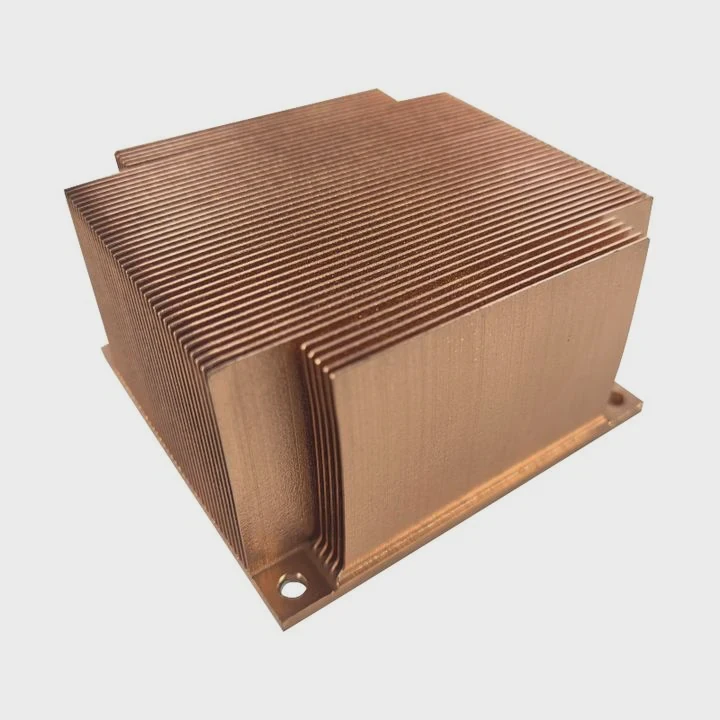
Why blockages form
Blockages happen when coolant breaks down or reacts with the loop. This usually happens with:
- Low-quality dyes
- Hard water
- Old coolant
- Wrong additives
- No biocide
Blockage Risk Factors
| Cause | Result | Impact |
|---|---|---|
| Minerals | Scale build-up | Reduced flow |
| Dyes | Sludge | Blocked microfins |
| Microbes | Growth film | Hot spots |
| Corrosion | Flakes | Pump strain |
Deep Explanation
Coolant must stay clean and stable. When it breaks down, it forms particles. These particles move through the loop until they reach the microchannels. These channels are very tiny, so even small particles can block them.
Where blockages appear
- Cold plate microfins
- Radiator tubes
- Pump impeller
- Narrow fittings
I saw a loop once where bright-colored coolant had thick residue. The GPU block was almost clogged. When the user switched to a clear coolant with proper additives, the system cooled much better.
Signs of Blocked Coolant Flow
- Sudden temperature spikes
- Pump noise changes
- Uneven radiator temperature
- Slow coolant flow patterns
- Fan speeds rising quickly
How improper coolant harms the system
Pump strain
Blocked coolant paths make the pump work harder.
Temperature instability
Heat stays near the component.
Microbial growth
Warm loops grow algae without biocides.
Corrosion acceleration
Residue traps moisture and oxygen.
My troubleshooting story
I once helped a user who thought his pump was dying. But the real problem was thick residue inside the CPU block. After flushing the loop and replacing the coolant with a proper mix, the temperature dropped by more than 15°C. The pump also became quiet again. This showed me how coolant issues can look like hardware failures.
Conclusion
Liquid cooling systems use distilled water mixed with inhibitors, biocides, and stabilizers. The coolant formula affects heat transfer, corrosion protection, noise, and long-term reliability. Using the right mixture prevents buildup, protects metal parts, and keeps the whole system running safely.
TAGS
Latest Articles

Volume discount levels for heat sink orders?
Buyers often ask when heat sink prices start to drop with volume. Many worry they’re overpaying for small orders. This guide explains how B2B volume pricing works for thermal components. Heat sink
21 Dec,2025
Heat sink long-term supply contract options?
Many buyers want stable pricing and reliable delivery for heat sinks. But without a clear contract, risks grow over time. This article explores how to secure better long-term supply deals. Long-term
21 Dec,2025
Tooling cost for new heat sink profiles?
Many engineers struggle to understand why tooling for custom heat sinks costs so much. They worry about budgeting and production timelines. This article breaks down the cost drivers behind tooling.
21 Dec,2025
Heat sink custom sample process steps?
Sometimes, starting a custom heat sink project feels overwhelming—too many steps, too many unknowns, and too many risks. You want a sample, but not endless delays. The process for requesting and
20 Dec,2025
Standard B2B terms for heat sink payments?
When buyers and sellers in B2B heat sink markets talk about payment, many don’t fully understand what’s standard. This can lead to delayed orders, miscommunication, and even lost business
20 Dec,2025
Heat sink pricing factors for large orders?
Heat sinks are vital for many systems. When prices rise, projects stall and budgets break. This problem can hit teams hard without warning. Large order heat sink pricing depends on many factors. You
20 Dec,2025Related Articles
- What’s better liquid cooled or air cooled?
- Is it worth liquid cooling GPU?
- How to check if liquid cooler is working?
- Which is better oil cooled or liquid cooled engine?
- What is better liquid cooling or air cooling?
- Heat Sink Manufacturer in Tajikistan
- Which is better air cooling or liquid cooling?
- What’s better liquid cooling or fan?
- Which is better oil cooled or liquid cooled?
- Why is a liquid cooling system pressurised?
- Where to install liquid cooler?
- Why evaporation leads to cooling of the liquid?
Author
Dr. Emily Chen
Chief AI Researcher
Leading expert in thermal dynamics and AI optimization with over 15 years of experience in data center efficiency research.
Categories
Latest Products






Recommend Categories
- Liquid cooling plate Manufacturer
- Industrial Heat Sink Manufacturer
- Standard Heat Sink Manufacturer
- Aluminum Heat Sink Manufacturer
- Copper Heat Sink Manufacturer
- Anodized Heatsink Manufacturer
- Stamping heat sink Manufacturer
- Die Casting Heatsink Manufacturer
- Soldering heat sink Manufacturer
- CNC Parts Manufacturer
Latest Products
- Wholesale Aluminum Radiator
- Water Cooling Plate Kit
- Water Cooling Heat Sink
- Water Cooling Heat Sink Kit
- Stainless Steel Water Distributor
- Server Water Cooling Plate Kit
- Server Liquid Cooling System
- Server Aluminum Cooling Kit
- S19 Full Cover Cooling Plate
- S19 Cooling Plate Kit
- S19 Aluminum Cooling Plate
Contact Expert
Have questions about this article? Reach out to our experts directly.