What is better, liquid cooling or air cooling?
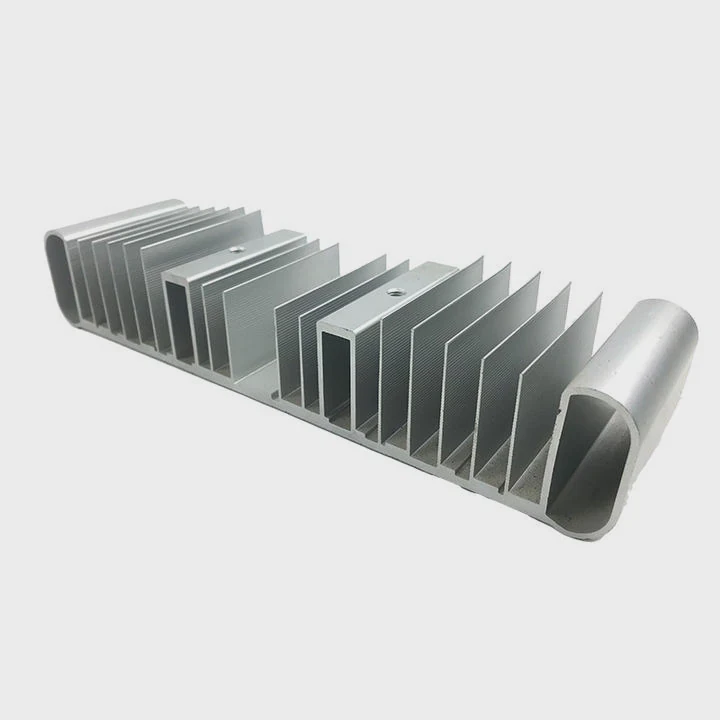
Every computer, from a gaming rig to an industrial server, needs to manage heat effectively. Overheating causes slow performance, noise, and hardware damage. The debate between liquid cooling and air cooling continues among enthusiasts and professionals alike.
Liquid cooling is generally better for high-performance systems because it removes heat faster, while air cooling is simpler, cheaper, and easier to maintain.
Both systems have their place, depending on performance demands, space, and budget. Let’s compare how each works, their pros and cons, and what the latest hybrid designs bring to the table.
What are liquid and air cooling systems?
Cooling systems keep computer components within safe temperature limits. Each method transfers heat away from the CPU or GPU differently.
Air cooling uses metal heatsinks and fans to move heat into the air, while liquid cooling uses coolant to absorb and transfer heat through a loop system.
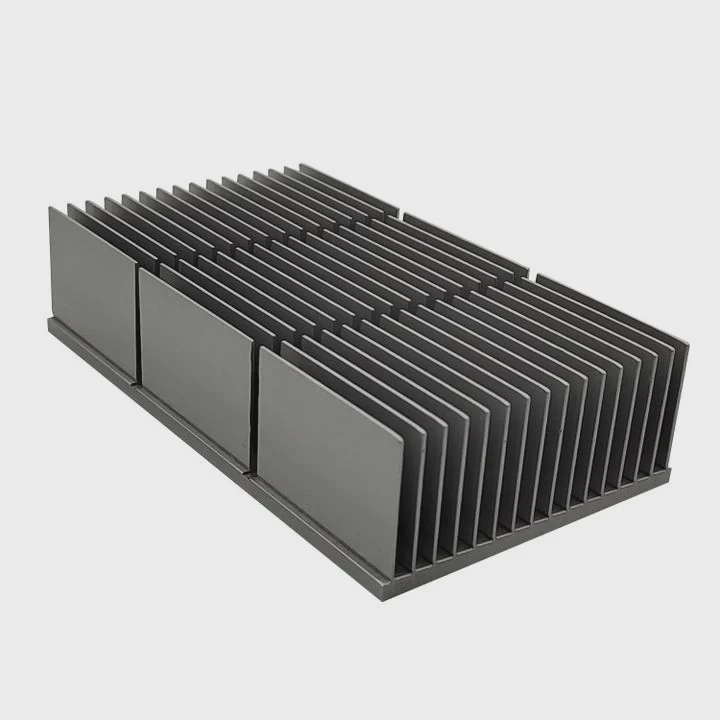
How each system works
| Cooling Type | How It Works | Key Components |
|---|---|---|
| Air Cooling | Uses airflow from fans to remove heat from a metal heatsink attached to the CPU or GPU. | Fan, Heatsink, Thermal Paste |
| Liquid Cooling | Circulates coolant through a water block that absorbs heat and moves it to a radiator for dissipation. | Pump, Water Block, Radiator, Tubing, Coolant |
In air cooling, the heatsink absorbs heat from the chip, and the fan pushes it away. It’s simple, reliable, and sufficient for most computers.
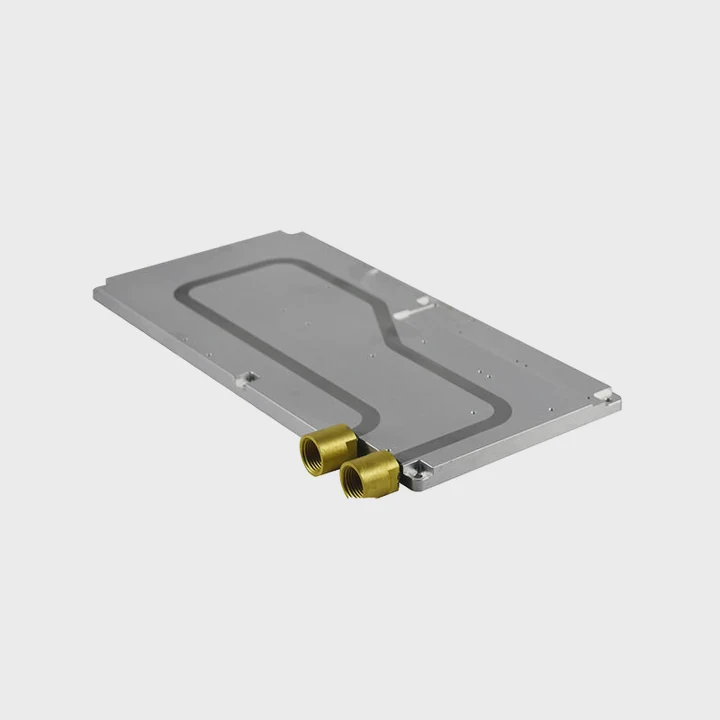
Liquid cooling works differently. Coolant flows through tubes connected to the processor. The liquid absorbs heat, moves it to the radiator, and the radiator fans blow it out. It’s more efficient for high heat loads but requires more maintenance.
I’ve used both in my builds — an air cooler for an office PC and a liquid cooler for a workstation. Each served its purpose well, but the liquid system handled heavy workloads more smoothly.
What are the advantages of each?
Each method has strengths depending on your system type, environment, and performance expectations.
Air cooling offers affordability, simplicity, and reliability, while liquid cooling provides higher efficiency, quieter operation, and better temperature control under load.
Advantages of air cooling
| Benefit | Description |
|---|---|
| Simple Setup | Easy to install and maintain. |
| Lower Cost | Usually cheaper than liquid systems. |
| Durability | Fewer moving parts, less risk of leaks. |
| Reliability | Proven over decades of use. |
Air cooling is ideal for mid-range systems, office setups, or budget gaming PCs. It requires minimal upkeep — just occasional dust cleaning. I’ve had air-cooled systems running for years with no performance loss.
Advantages of liquid cooling
| Benefit | Description |
|---|---|
| Superior Heat Transfer | Liquid absorbs and moves heat faster than air. |
| Quieter Operation | Fans run slower, reducing noise. |
| Better for Overclocking | Supports higher performance levels safely. |
| Sleek Appearance | Offers clean aesthetics, often with RGB and compact layouts. |
Liquid cooling shines in high-end gaming rigs, servers, and workstations. It maintains low temperatures even when CPUs or GPUs run near maximum power for hours. However, it requires more care — coolant may need replacement every 1–2 years, and installation can be more complex.
How to choose based on performance needs?
The choice between air and liquid cooling depends on how you use your system, your thermal environment, and how much noise or maintenance you can tolerate.
Choose air cooling for simplicity and cost-efficiency; choose liquid cooling for demanding workloads and temperature-sensitive tasks.
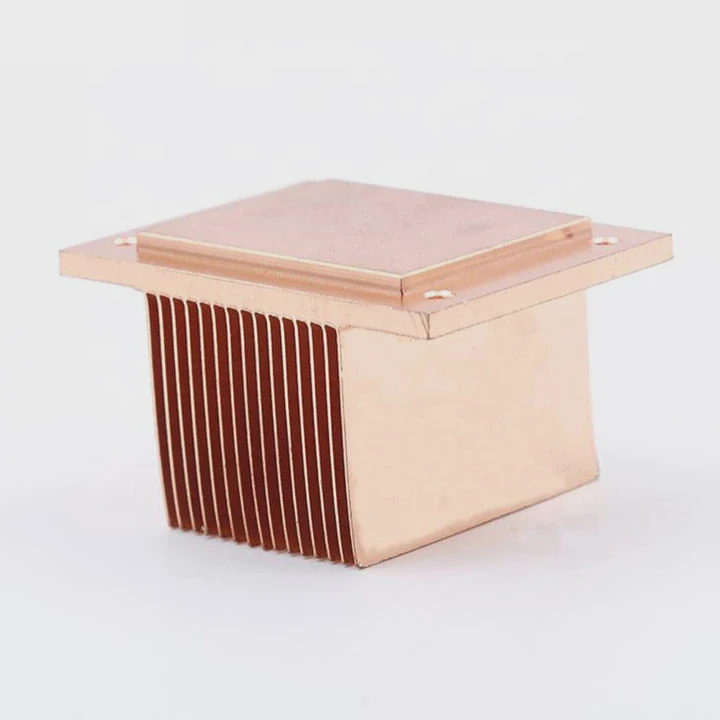
Choosing based on performance level
| Use Case | Recommended Cooling | Reason |
|---|---|---|
| Office / Home Use | Air Cooling | Low heat output and easy setup. |
| Gaming PCs | Liquid Cooling | Better performance under load. |
| Workstations / Servers | Liquid Cooling | Handles constant high power use. |
| Compact Builds | Air Cooling | Easier fit in small cases. |
| Silent Systems | Liquid Cooling | Quieter under load. |
My experience in selection
When I built my first gaming PC, I started with an air cooler. It worked fine, but when I upgraded to a more powerful GPU and overclocked the CPU, noise and heat became issues. Switching to a 240mm liquid cooler dropped temperatures by nearly 20°C and reduced fan noise drastically.
Still, not everyone needs that upgrade. If your system isn’t reaching high thermal limits, a well-designed air cooler will serve perfectly.
Key considerations
- Budget: Air cooling is cheaper.
- Performance: Liquid cooling offers better headroom.
- Noise: Liquid systems are generally quieter.
- Maintenance: Air requires less upkeep.
- Aesthetics: Liquid looks cleaner and more modern.
The best approach is to match your cooling to your actual workload. Overkill cooling doesn’t make sense if you never use the system to its limits.
What are the hybrid cooling trends?
With hardware getting more powerful, manufacturers are combining the best of both worlds — air and liquid systems — into hybrid cooling designs.
Hybrid cooling combines liquid cooling for major heat sources and air cooling for support components, offering balanced performance and efficiency.
Trend 1: All-in-one hybrid GPUs and CPUs
Modern GPUs, like NVIDIA’s high-end cards, often come with integrated hybrid systems — a liquid loop for the core and air fans for VRMs and memory. These setups deliver excellent thermal control with plug-and-play simplicity.
Trend 2: Integrated thermal modules
Manufacturers now build combined cooling loops that manage both the CPU and GPU through one radiator. This unified approach reduces noise, improves airflow, and saves internal space.
Trend 3: Smart cooling control
AI-driven fan and pump control systems are now common. They monitor real-time temperatures and adjust speeds dynamically for optimal efficiency. Smart algorithms help balance silence and performance without manual tuning.
Trend 4: Modular and compact systems
Small form factor PCs benefit from modular hybrid coolers that combine heat pipes with mini liquid chambers. These coolers provide near-liquid cooling efficiency in limited space.
Trend 5: Sustainability and eco-friendly coolants
Manufacturers are switching to biodegradable coolants and recyclable materials. This trend reduces environmental impact and aligns with new energy efficiency regulations.
The future of hybrid cooling
Hybrid cooling will likely dominate the next generation of performance PCs. These systems blend liquid efficiency with air simplicity, minimizing the drawbacks of both. Future designs may even use phase-change cooling — a system where the liquid evaporates and recondenses to absorb extreme heat without active pumps.
Conclusion
Neither cooling method is universally better — each fits specific needs. Air cooling is reliable and affordable, while liquid cooling offers top-tier performance and quiet operation. As technology advances, hybrid systems are becoming the best balance between power, efficiency, and simplicity for the next generation of computing.
TAGS
Latest Articles

Volume discount levels for heat sink orders?
Buyers often ask when heat sink prices start to drop with volume. Many worry they’re overpaying for small orders. This guide explains how B2B volume pricing works for thermal components. Heat sink
21 Dec,2025
Heat sink long-term supply contract options?
Many buyers want stable pricing and reliable delivery for heat sinks. But without a clear contract, risks grow over time. This article explores how to secure better long-term supply deals. Long-term
21 Dec,2025
Tooling cost for new heat sink profiles?
Many engineers struggle to understand why tooling for custom heat sinks costs so much. They worry about budgeting and production timelines. This article breaks down the cost drivers behind tooling.
21 Dec,2025
Heat sink custom sample process steps?
Sometimes, starting a custom heat sink project feels overwhelming—too many steps, too many unknowns, and too many risks. You want a sample, but not endless delays. The process for requesting and
20 Dec,2025
Standard B2B terms for heat sink payments?
When buyers and sellers in B2B heat sink markets talk about payment, many don’t fully understand what’s standard. This can lead to delayed orders, miscommunication, and even lost business
20 Dec,2025
Heat sink pricing factors for large orders?
Heat sinks are vital for many systems. When prices rise, projects stall and budgets break. This problem can hit teams hard without warning. Large order heat sink pricing depends on many factors. You
20 Dec,2025Related Articles
- How to mount a liquid cooler?
- What liquid is used for CPU cooling?
- Why is glass considered a super-cooled liquid?
- How to install NZXT liquid cooler?
- Does i7 need liquid cooling?
- How does AIO liquid cooling work?
- What CPUs need liquid cooling?
- What does liquid cooling do?
- Is the Milwaukee 8 liquid cooled?
- What should my CPU temp be with liquid cooling?
- What happens when you cool a liquid?
- What is liquid immersion cooling?
Author
Dr. Emily Chen
Chief AI Researcher
Leading expert in thermal dynamics and AI optimization with over 15 years of experience in data center efficiency research.
Categories
Latest Products






Recommend Categories
- Liquid cooling plate Manufacturer
- Industrial Heat Sink Manufacturer
- Standard Heat Sink Manufacturer
- Aluminum Heat Sink Manufacturer
- Copper Heat Sink Manufacturer
- Anodized Heatsink Manufacturer
- Stamping heat sink Manufacturer
- Die Casting Heatsink Manufacturer
- Soldering heat sink Manufacturer
- CNC Parts Manufacturer
Latest Products
- Wholesale Aluminum Radiator
- Water Cooling Plate Kit
- Water Cooling Heat Sink
- Water Cooling Heat Sink Kit
- Stainless Steel Water Distributor
- Server Water Cooling Plate Kit
- Server Liquid Cooling System
- Server Aluminum Cooling Kit
- S19 Full Cover Cooling Plate
- S19 Cooling Plate Kit
- S19 Aluminum Cooling Plate
Contact Expert
Have questions about this article? Reach out to our experts directly.