Which is better, oil-cooled or liquid-cooled?
Choosing between oil-cooled and liquid-cooled systems can feel confusing. Each has clear strengths but fits very different needs.
Oil-cooled systems offer high insulation and safety in harsh environments, while liquid-cooled systems provide better heat transfer and precision for performance equipment.
Both methods manage heat efficiently, but their applications depend on context, materials, and goals. Understanding their principles and differences helps in choosing the right one.
What defines oil and liquid cooling systems?
Oil and liquid cooling systems use fluids to remove excess heat from devices or components. The key difference lies in the type of fluid and how it interacts with heat sources.
Oil cooling uses dielectric oils that resist electricity and corrosion, while liquid cooling typically uses water or glycol-based solutions for faster heat conduction.
Core Concepts
Oil-cooled systems rely on specialized insulating oils that circulate around electronic parts or machinery. These oils absorb heat and then release it through radiators or heat exchangers. Oil is stable, non-conductive, and resistant to oxidation, making it ideal for high-voltage or dusty environments.
Liquid-cooled systems, on the other hand, use water or glycol mixtures that move through metal channels, usually copper or aluminum. The fluid carries heat away from the component to a radiator where fans or pumps dissipate it. Water conducts heat better than oil, but it must be carefully managed to prevent corrosion or leakage.
| Cooling Type | Cooling Medium | Conductivity | Electrical Safety | Typical Use |
|---|---|---|---|---|
| Oil-Cooled | Dielectric Oil | Moderate | High | Transformers, power systems |
| Liquid-Cooled | Water/Glycol | High | Low | Electronics, engines, data centers |
In short, oil cooling is safer in terms of electrical insulation, while liquid cooling excels in raw thermal performance. Each system serves distinct industrial roles.
What are their respective advantages?
When deciding between oil and liquid cooling, it helps to see where each shines most.
Oil-cooled systems are safer and require less maintenance, while liquid-cooled systems deliver better performance and tighter temperature control.
Advantages of Oil Cooling
Oil cooling offers high electrical insulation. This makes it perfect for transformers, high-voltage converters, and power electronics. Oil resists oxidation, reduces corrosion, and offers stable thermal performance over time. It also prevents condensation, which is useful in humid or unstable environments.
Another advantage is system durability. Oil has low volatility, meaning it evaporates slowly, ensuring long service life. Maintenance frequency is lower, and the system can run in sealed conditions without external contamination.
Advantages of Liquid Cooling
Liquid cooling offers faster heat transfer because water and glycol mixtures conduct heat efficiently. These systems maintain narrow temperature ranges, which helps extend the lifespan of electronic components. In performance settings—like CPUs, laser modules, and EV batteries—liquid cooling ensures stability under heavy loads.
Liquid-cooled designs are also flexible. Engineers can design compact systems that integrate with precision structures or aluminum cold plates. With sensors and flow control, modern systems can self-regulate temperature for improved energy efficiency.
| Advantage | Oil-Cooled | Liquid-Cooled |
|---|---|---|
| Electrical Safety | Excellent | Moderate |
| Heat Transfer Efficiency | Moderate | Excellent |
| Maintenance Needs | Low | Medium to High |
| Environmental Tolerance | High | Medium |
| Cost Efficiency | Medium | High for advanced systems |
How to decide which system suits your needs?
Choosing the right cooling method depends on your specific working environment, thermal load, and maintenance preferences.
For high-voltage, harsh, or sealed environments, oil cooling fits best. For precision and high thermal performance, liquid cooling is the better choice.
Step-by-Step Selection
- Identify your application – Are you cooling power converters or CPUs? Industrial or electronic?
- Check voltage and safety needs – Oil cooling is non-conductive; water is not.
- Evaluate thermal load – Liquid cooling handles higher heat flux effectively.
- Consider maintenance conditions – Oil systems require less upkeep but are heavier and harder to clean.
- Budget and lifecycle costs – Liquid cooling costs more upfront but can reduce temperature-induced failures.
Example Scenarios
In a power substation, oil cooling ensures stable insulation and reliability, even in outdoor conditions. For electric vehicle battery systems, liquid cooling controls thermal uniformity across battery modules, improving range and safety.
In data centers, liquid cooling enables denser racks and higher computing power while maintaining low noise and reduced air conditioning demand. Conversely, oil cooling is widely used in transformers where no water contamination risk is acceptable.
Deciding between them involves balancing insulation, cooling efficiency, and total system management.
What are the trends in industrial cooling systems?
Industrial cooling is moving toward smarter, greener, and more integrated solutions. Efficiency and adaptability drive innovation in both oil and liquid technologies.
Emerging trends include hybrid cooling, recyclable fluids, and smart monitoring systems that optimize thermal control automatically.
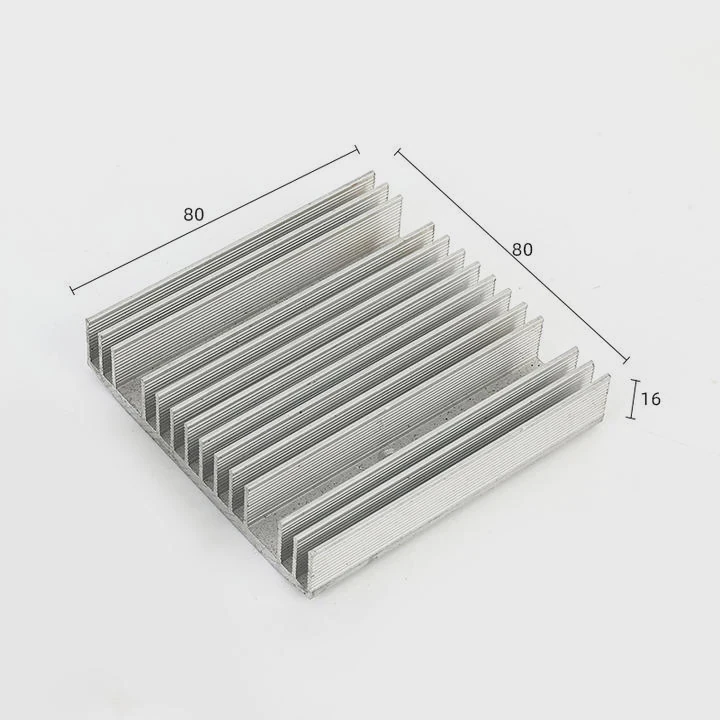
New Directions in Cooling
In recent years, industries have developed hybrid systems that combine oil and liquid advantages. These use dielectric fluids with enhanced heat transfer properties, bridging the safety of oil and the efficiency of water-based systems.
Smart thermal management is another trend. Sensors and IoT technologies now track temperature, flow, and pressure in real time. They adjust pump speed or flow direction automatically to save energy and prevent overheating.
Environmental impact also plays a major role. Manufacturers are shifting toward biodegradable coolants and low-carbon production methods. Water-based systems now often use closed-loop setups to minimize waste and contamination.
Industry Examples
- EVs and energy storage: Focus on modular, liquid-cooled battery packs for safety and fast charging.
- Power electronics: Oil-immersed systems are evolving with advanced synthetic fluids for longer lifespan.
- Semiconductors and lasers: Liquid microchannels with aluminum cold plates increase reliability under continuous load.
Table: Cooling System Innovation Trends
| Trend | Description | Impact |
|---|---|---|
| Hybrid Cooling | Combines oil safety and water efficiency | Reduces design limitations |
| Smart Monitoring | Uses sensors and AI for flow control | Improves energy efficiency |
| Eco-Friendly Fluids | Recyclable or biodegradable media | Lowers environmental footprint |
| Modular Design | Easier maintenance and integration | Enhances flexibility and scalability |
These innovations make modern cooling systems more precise, durable, and eco-friendly, meeting the needs of advanced industrial applications.
Conclusion
Oil and liquid cooling systems each have strong roles. Oil offers safety and durability, while liquid excels in efficiency and control. The right choice depends on your working environment, power level, and precision needs. Future trends show that hybrid and smart cooling will shape the next generation of heat management systems.
TAGS
Latest Articles

Volume discount levels for heat sink orders?
Buyers often ask when heat sink prices start to drop with volume. Many worry they’re overpaying for small orders. This guide explains how B2B volume pricing works for thermal components. Heat sink
21 Dec,2025
Heat sink long-term supply contract options?
Many buyers want stable pricing and reliable delivery for heat sinks. But without a clear contract, risks grow over time. This article explores how to secure better long-term supply deals. Long-term
21 Dec,2025
Tooling cost for new heat sink profiles?
Many engineers struggle to understand why tooling for custom heat sinks costs so much. They worry about budgeting and production timelines. This article breaks down the cost drivers behind tooling.
21 Dec,2025
Heat sink custom sample process steps?
Sometimes, starting a custom heat sink project feels overwhelming—too many steps, too many unknowns, and too many risks. You want a sample, but not endless delays. The process for requesting and
20 Dec,2025
Standard B2B terms for heat sink payments?
When buyers and sellers in B2B heat sink markets talk about payment, many don’t fully understand what’s standard. This can lead to delayed orders, miscommunication, and even lost business
20 Dec,2025
Heat sink pricing factors for large orders?
Heat sinks are vital for many systems. When prices rise, projects stall and budgets break. This problem can hit teams hard without warning. Large order heat sink pricing depends on many factors. You
20 Dec,2025Related Articles
- Does Liquid Cooling Work Better Than Fans?
- Does Ryzen 5 7600X need liquid cooling?
- How does a liquid cooling system work?
- Heat Sink Manufacturers in Malaysia
- Heat Sink Manufacturers in the Philippines
- Heat Sink Manufacturers in Bangladesh
- Why is a Liquid Cooling System Pressurized?
- When a gas is cooled to form a liquid?
- How to build a liquid cooling system for PC?
- Where to install liquid cooler for best performance?
- How to liquid cool your GPU?
- Do you need thermal paste for liquid cooling CPU?
Author
Dr. Emily Chen
Chief AI Researcher
Leading expert in thermal dynamics and AI optimization with over 15 years of experience in data center efficiency research.
Categories
Latest Products
Recommend Categories
- Liquid cooling plate Manufacturer
- Industrial Heat Sink Manufacturer
- Standard Heat Sink Manufacturer
- Aluminum Heat Sink Manufacturer
- Copper Heat Sink Manufacturer
- Anodized Heatsink Manufacturer
- Stamping heat sink Manufacturer
- Die Casting Heatsink Manufacturer
- Soldering heat sink Manufacturer
- CNC Parts Manufacturer
Latest Products
- Wholesale Aluminum Radiator
- Water Cooling Plate Kit
- Water Cooling Heat Sink
- Water Cooling Heat Sink Kit
- Stainless Steel Water Distributor
- Server Water Cooling Plate Kit
- Server Liquid Cooling System
- Server Aluminum Cooling Kit
- S19 Full Cover Cooling Plate
- S19 Cooling Plate Kit
- S19 Aluminum Cooling Plate
Contact Expert
Have questions about this article? Reach out to our experts directly.