Which is better, air cooling or liquid cooling?
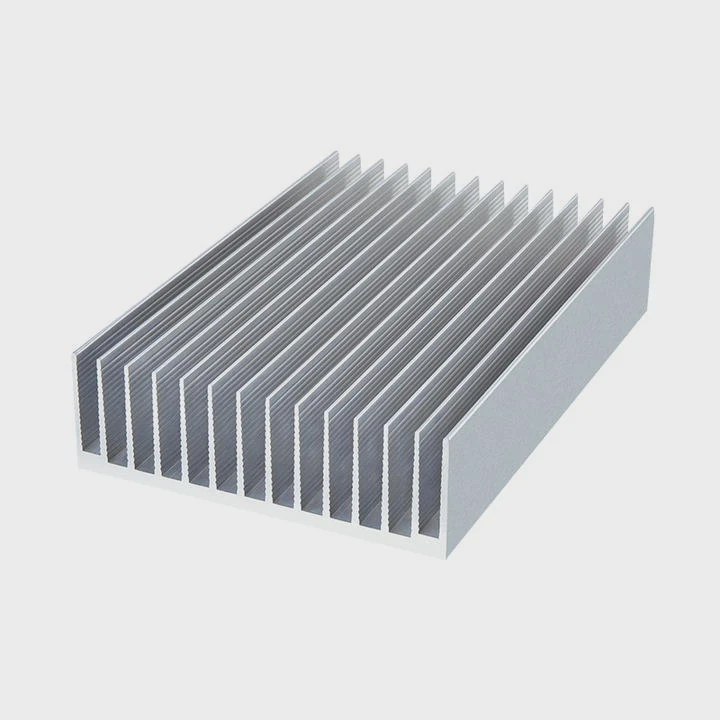
Choosing between air cooling and liquid cooling often feels like a tough choice. The heat problem is simple, but the answer depends on what kind of system you are running, how much you value silence, and how far you want to push your hardware.
Air cooling is simple and affordable, while liquid cooling gives higher efficiency and a cleaner look for powerful systems. Each method has its strengths depending on your use case.
If you are building a PC, server, or industrial device, heat management is always critical. Let’s look deeper into what these two systems are, how they differ, and what’s trending in 2025.
What are air and liquid cooling systems?
The heat from a CPU, GPU, or power module can rise fast and harm performance. That’s why every system needs a reliable cooling setup.
Air cooling uses fans and heat sinks to move heat away from components, while liquid cooling uses a coolant to carry heat through tubes to a radiator for dissipation.
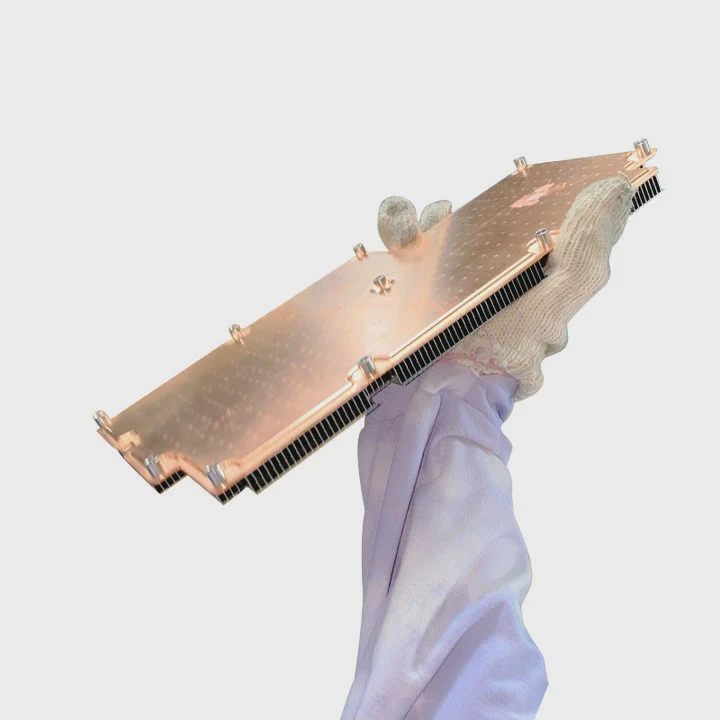
How air cooling works
An air cooler uses a metal heat sink (usually aluminum or copper) that sits on top of the chip. A thermal paste improves contact, allowing heat to move quickly from the chip to the fins. A fan then blows air through the fins, pushing hot air out of the system.
This method is direct, simple, and reliable. It’s easy to install and requires almost no maintenance. It’s common in both consumer and industrial setups.
How liquid cooling works
A liquid cooling system moves heat using a closed loop. The heat block sits on the CPU or GPU. Inside, a liquid coolant absorbs the heat and flows through tubes to a radiator. Fans attached to the radiator then cool the liquid before it returns to the block.
Liquid systems handle higher heat loads and can be customized with multiple blocks, pumps, and radiators. They are often used in gaming PCs, data centers, and high-performance industrial equipment.
| System Type | Main Cooling Medium | Components Involved | Maintenance Level | Typical Use |
|---|---|---|---|---|
| Air Cooling | Air (with heat sink) | Fan, Heat Sink, Thermal Paste | Low | PCs, servers, industrial units |
| Liquid Cooling | Coolant (water or glycol) | Pump, Tubes, Radiator, Water Block | Medium | Gaming PCs, HPC, power systems |
Air systems are great for simplicity, while liquid systems are built for efficiency and performance. Understanding how they work helps decide which one fits your needs.
What are their advantages?
Every cooling system comes with its own strengths. The right choice depends on what matters more—cost, noise, or performance.
Air cooling is affordable, durable, and easy to maintain; liquid cooling offers higher efficiency, quieter operation, and better control of heat for demanding systems.

Advantages of air cooling
Air cooling stands out for its simplicity. It has fewer moving parts, meaning fewer risks of failure. Here are some of its key benefits:
- Cost-effective: Air coolers are cheaper and available in many sizes.
- Easy installation: They don’t need special setup or maintenance.
- Long lifespan: With only fans as moving parts, they can last for years.
- Low risk: No coolant leaks or pump issues to worry about.
Air coolers are ideal for users who prefer a “set and forget” approach. For most CPUs and moderate loads, they provide more than enough cooling.
Advantages of liquid cooling
Liquid cooling excels when heat density becomes too high for air systems. The liquid conducts heat much better than air, making it more efficient in tight spaces.
Key advantages include:
- High efficiency: Great for overclocked CPUs, GPUs, or dense power modules.
- Quiet operation: Radiators with large fans spin slower and make less noise.
- Clean look: Tubes and water blocks give a modern appearance.
- Scalable design: Can handle multiple components in one loop.
Here’s a quick comparison:
| Advantage | Air Cooling | Liquid Cooling |
|---|---|---|
| Cost | ✅ Low | ❌ High |
| Installation | ✅ Simple | ⚠️ Moderate |
| Maintenance | ✅ Minimal | ⚠️ Occasional |
| Performance | ⚠️ Moderate | ✅ Excellent |
| Noise Level | ⚠️ Moderate | ✅ Quiet |
| Aesthetic | ⚠️ Average | ✅ Modern |
| Risk of Leaks | ✅ None | ❌ Possible |
Liquid cooling shines in systems that need consistent, high-performance heat control. However, it does require care, such as checking coolant levels and pump operation.
How to decide which suits your hardware?
It’s not just about budget or looks. It’s about matching your thermal design with the right cooling method.
For regular desktops and small servers, air cooling is enough; for high-power GPUs, CPUs, or multi-module systems, liquid cooling ensures better stability and temperature control.
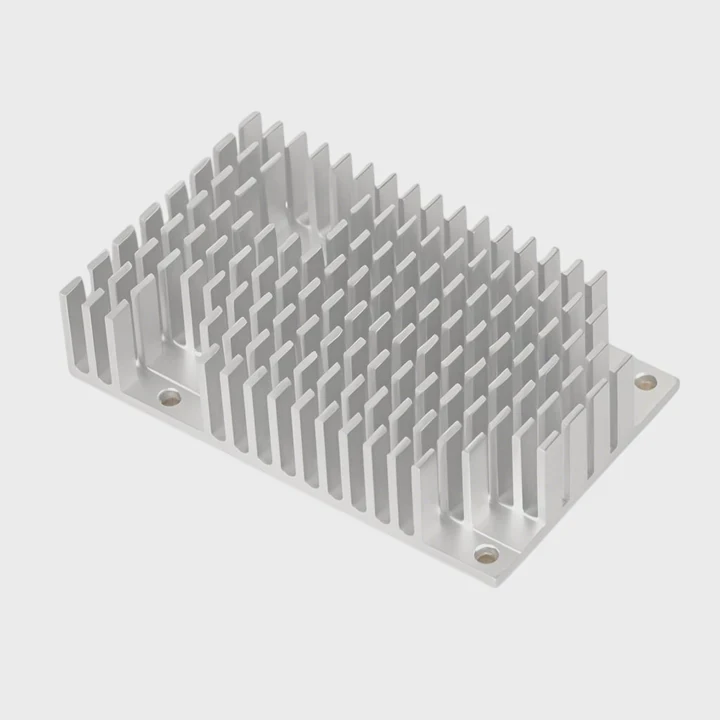
Assess your system’s heat load
Start with the Thermal Design Power (TDP) of your main components. CPUs and GPUs with higher TDPs (100W and above) often perform better with liquid cooling. Lower TDP systems (under 90W) can easily stay cool with air.
Think about your environment
If your system runs in a hot room or enclosed rack, liquid cooling may keep temperatures more consistent. Air coolers rely on ambient air temperature, which limits their efficiency when surrounding air is warm.
Space and design considerations
Large air coolers can block memory slots or tall components. Liquid coolers move the heat to radiators that can mount anywhere, giving more layout flexibility.
Maintenance and lifespan
If you prefer minimal maintenance, go with air cooling. Liquid systems need occasional checks—coolant may degrade, and pumps can fail after years of use.
Example guide
| Use Case | Recommended Cooling | Reason |
|---|---|---|
| Home or Office PC | Air Cooling | Simpler and cheaper |
| Gaming PC | Liquid Cooling | Better heat control and quiet |
| Data Center | Liquid Cooling | High heat density and efficiency |
| Industrial Controller | Air Cooling | Durability and easy replacement |
| High-end Workstation | Liquid Cooling | Stable thermal performance |
Choosing wisely ensures longer hardware life and better performance consistency. Remember, no one solution fits all—it’s about what your system demands most.
What are the cooling trends in 2025?
Technology evolves fast, and so do cooling solutions. With higher chip density, new materials, and smarter control systems, cooling in 2025 looks different from even a few years ago.
In 2025, cooling trends move toward hybrid systems, phase-change materials, and AI-based thermal control for higher efficiency and reliability.
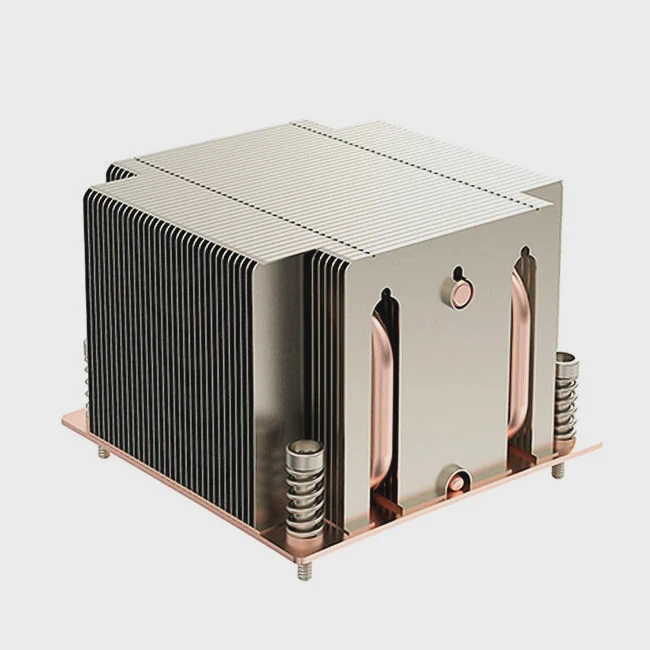
1. Hybrid air-liquid cooling
Manufacturers are blending the strengths of both methods. Hybrid systems use air-assisted liquid modules that balance cost and performance. These designs improve flexibility and reduce failure risks.
2. Phase-change materials (PCM)
PCMs are now used in aerospace, EV batteries, and data centers. They absorb and store heat when temperature rises, then release it slowly. This reduces the need for constant fan or pump operation.
3. AI-controlled cooling
Artificial intelligence systems now monitor temperature, fan speed, and power use in real-time. They adjust flow rates and fan curves to optimize both cooling and energy efficiency. This is especially useful for large server farms and smart factories.
4. Advanced materials
New alloys and nano-coated surfaces improve heat transfer. Aluminum vapor chambers and graphene-coated fins offer much higher conductivity while staying lightweight. This pushes the limits of passive cooling.
5. Sustainability and energy efficiency
In 2025, the focus is on reducing power consumption. Air coolers use eco-friendly motors, while liquid systems recycle heat for other processes, like warming buildings or pre-heating water in data centers.
6. Modular design
Cooling systems are now built as modules that can be swapped easily. This trend makes maintenance faster and supports scalable architectures for industrial equipment and cloud systems.
Example: next-generation cooling roadmap
| Year | Innovation | Key Benefit |
|---|---|---|
| 2023 | All-in-one liquid loops | Plug-and-play cooling |
| 2024 | PCM-integrated plates | Better temperature stability |
| 2025 | AI-based smart cooling | Self-learning optimization |
| 2026 | Full hybrid modules | Balance of air and liquid efficiency |
The line between air and liquid cooling continues to blur. Many new designs combine both to meet diverse system needs, making thermal management more adaptive and reliable.
Conclusion
Air and liquid cooling both serve vital roles. Air cooling wins for simplicity, reliability, and cost. Liquid cooling leads in performance, silence, and control. In 2025, hybrid and smart cooling solutions bring the best of both worlds, shaping a new era of efficient thermal management.
TAGS
Latest Articles

Volume discount levels for heat sink orders?
Buyers often ask when heat sink prices start to drop with volume. Many worry they’re overpaying for small orders. This guide explains how B2B volume pricing works for thermal components. Heat sink
21 Dec,2025
Heat sink long-term supply contract options?
Many buyers want stable pricing and reliable delivery for heat sinks. But without a clear contract, risks grow over time. This article explores how to secure better long-term supply deals. Long-term
21 Dec,2025
Tooling cost for new heat sink profiles?
Many engineers struggle to understand why tooling for custom heat sinks costs so much. They worry about budgeting and production timelines. This article breaks down the cost drivers behind tooling.
21 Dec,2025
Heat sink custom sample process steps?
Sometimes, starting a custom heat sink project feels overwhelming—too many steps, too many unknowns, and too many risks. You want a sample, but not endless delays. The process for requesting and
20 Dec,2025
Standard B2B terms for heat sink payments?
When buyers and sellers in B2B heat sink markets talk about payment, many don’t fully understand what’s standard. This can lead to delayed orders, miscommunication, and even lost business
20 Dec,2025
Heat sink pricing factors for large orders?
Heat sinks are vital for many systems. When prices rise, projects stall and budgets break. This problem can hit teams hard without warning. Large order heat sink pricing depends on many factors. You
20 Dec,2025Related Articles
- Is PC Liquid Cooling Worth It?
- How to Maintain Liquid CPU Cooler?
- What liquid is used in a liquid cooling system?
- What is liquid CPU cooler?
- Should liquid cooler fans be intake or exhaust?
- What is the best liquid cooler?
- Is liquid or air cooling better?
- Is liquid cooling better for CPU?
- How to change liquid cooling?
- How to use liquid cooling?
- Is liquid cooling high maintenance?
- How to know if liquid cooling is working?
Author
Dr. Emily Chen
Chief AI Researcher
Leading expert in thermal dynamics and AI optimization with over 15 years of experience in data center efficiency research.
Categories
Latest Products






Recommend Categories
- Liquid cooling plate Manufacturer
- Industrial Heat Sink Manufacturer
- Standard Heat Sink Manufacturer
- Aluminum Heat Sink Manufacturer
- Copper Heat Sink Manufacturer
- Anodized Heatsink Manufacturer
- Stamping heat sink Manufacturer
- Die Casting Heatsink Manufacturer
- Soldering heat sink Manufacturer
- CNC Parts Manufacturer
Latest Products
- Wholesale Aluminum Radiator
- Water Cooling Plate Kit
- Water Cooling Heat Sink
- Water Cooling Heat Sink Kit
- Stainless Steel Water Distributor
- Server Water Cooling Plate Kit
- Server Liquid Cooling System
- Server Aluminum Cooling Kit
- S19 Full Cover Cooling Plate
- S19 Cooling Plate Kit
- S19 Aluminum Cooling Plate
Contact Expert
Have questions about this article? Reach out to our experts directly.