Where to install liquid cooler?
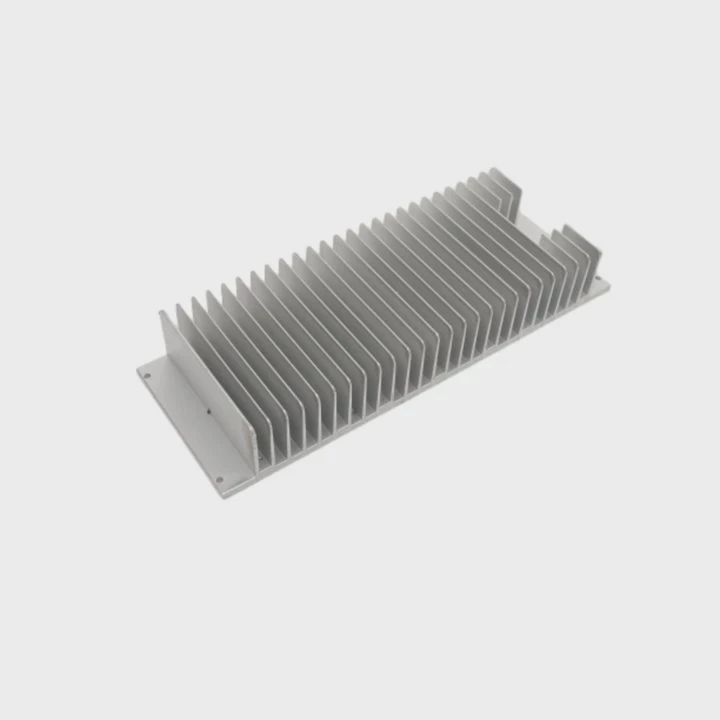
I remember the first time I installed a liquid cooler and struggled to decide where to place the radiator. The case layout confused me, and I worried about air bubbles, pump noise, and bad temperatures. After many builds, I learned that the mounting position changes everything.
A liquid cooler should be installed where the radiator gets strong airflow, the pump stays below the highest coolant point, and the tubes sit without stress.
I want to show you how to choose the right mounting spot based on your case layout and cooling goals.
How does case layout influence placement?
I learned very quickly that case layout is the most important factor. Different cases support different radiator sizes, airflow directions, and mounting points. This shapes where you can place the cooler without hurting performance.
Case layout influences cooler placement because airflow paths, radiator clearance, fan space, and tube routing must all match the available mounting points.
Why layout matters
Case design controls where you can place a radiator. Some cases only support top mounting. Some support front mounting. Some offer side or bottom mounting. Airflow direction changes with each layout.
Layout Impact Table
| Case Feature | Effect on Cooler Placement | Notes |
|---|---|---|
| Front panel airflow | Strong intake cooling | Good for front radiators |
| Top panel vents | Good exhaust path | Best for top radiators |
| Side mounts | Limited airflow | Extra caution needed |
| Rear clearance | Tube routing space | Helps pump alignment |
Deep Explanation
Air must enter and leave the case smoothly. When the case has strong front intake airflow, front-mounted radiators work well. They get cool air and push warm air through the radiator. When the case has open top vents, a top mount works better because hot air naturally rises.
But some cases do not support large radiators. I built a compact PC once where the top area could not fit a 240mm radiator. I had to switch to front mounting. Another build had a closed front panel with poor airflow. The radiator performance dropped because airflow was blocked.
Why layout changes performance
- Radiators need open vents
- Airflow must stay steady
- Tubes need clear routing
- Pump must sit lower than radiator top
My installation experience
I once installed a radiator in a case with a small top vent. The airflow was weak. Temperatures stayed higher than expected. When I changed to front mounting with strong airflow, temperatures dropped immediately. That showed me how much case layout shapes cooling results.
Why choose top or front mounting positions?
For most cases, the best radiator positions are top or front. Over years of testing, I learned each position changes airflow, pump stress, and temperature behavior.
Top and front mounting are preferred because they offer the best airflow paths, safer pump positioning, and more stable cooling performance.
Why top mounting works well
Top mounting uses natural upward airflow. Hot air rises. When you place the radiator on top, the fans pull warm air out. This avoids reheating the inside of the case.
Why front mounting is also strong
Front mounting gives the radiator cool intake air. Cool air entering the fins improves heat removal. This often results in lower CPU temperatures.
Mounting Comparison Table
| Mount Position | Strength | Weakness |
|---|---|---|
| Top mount | Good exhaust airflow | Intake air may be warmer |
| Front mount | Cool intake air | May warm GPU zone |
| Side mount | Limited airflow | Harder to optimize |
| Bottom mount | Rarely recommended | Air bubbles risk |
Deep Explanation
Top mounting is often the safest choice because the pump usually sits lower than the radiator top. This prevents air bubbles from reaching the pump. Air collects at the highest point in the radiator, not inside the pump chamber.
Front mounting works very well too, but the tube orientation matters. Tubes should be at the bottom if possible. This keeps air at the top of the radiator. I once saw a system with front tubes up. The pump made gurgling noise because air reached it.
Why these positions work best
- They support natural airflow
- They allow smooth tube routing
- They prevent pump strain
- They give strong temperature control
Testing experience
I ran temperature tests on identical systems. The top-mounted setup ran slightly warmer but stayed stable. The front-mounted setup ran cooler but needed correct tube orientation. Both beat side or bottom mounting in stability and noise.
Where can air bubbles accumulate incorrectly?
This is one of the biggest mistakes I see in liquid cooler installations. Air always rises. If the radiator or tubes sit in the wrong orientation, air reaches the pump. That causes noise, poor flow, and overheating.
Air bubbles accumulate incorrectly in the pump chamber, the upper tube bend, or the cold plate if the radiator sits lower than the pump or if tubes face upward.
Why air collects at the top
Air naturally floats to the highest point in the loop. A pressurised AIO has very little air, but there is always some. If the pump sits at the highest point, air will enter it.
Common Air Trap Areas
| Location | Cause | Effect |
|---|---|---|
| Pump block | Radiator lower than pump | Cavitation |
| Upper tube | Tubes angled upward | Air noise |
| Radiator corners | Poor orientation | Loss of efficiency |
| Pump inlet | Air pulled into pump | Overheating risk |
Deep Explanation
When the radiator is placed at the front with tubes up, the highest point becomes the tube inlet. Air gathers there and sometimes drifts down into the pump. Pump blades cannot compress air. When air enters the pump, it causes rattling or gurgling noises. It also reduces coolant flow.
I once worked on a system where the pump became loud after installation. The tubes were angled upward toward the pump. Air moved down the tubes and entered the pump chamber. After rotating the radiator so the tubes were at the bottom, the pump became silent and temperatures dropped.
Why air bubble placement matters
- Air reduces pump pressure
- Air creates noise
- Air blocks coolant flow
- Air causes temperature spikes
My diagnostic example
During a troubleshooting session, I found a radiator mounted sideways in a small case. Air pooled in one corner, blocking half the radiator. After repositioning, coolant flow improved and the overheating stopped. That case taught me how small air pockets can break the entire cooling chain.
Can side mounting affect pump longevity?
Side mounting became more popular as modern cases included side brackets. But side mounting must be handled with caution because it can shorten pump life if done incorrectly.
Side mounting can affect pump longevity when the pump sits higher than the radiator’s top edge, allowing air to collect inside the pump and causing long-term wear.
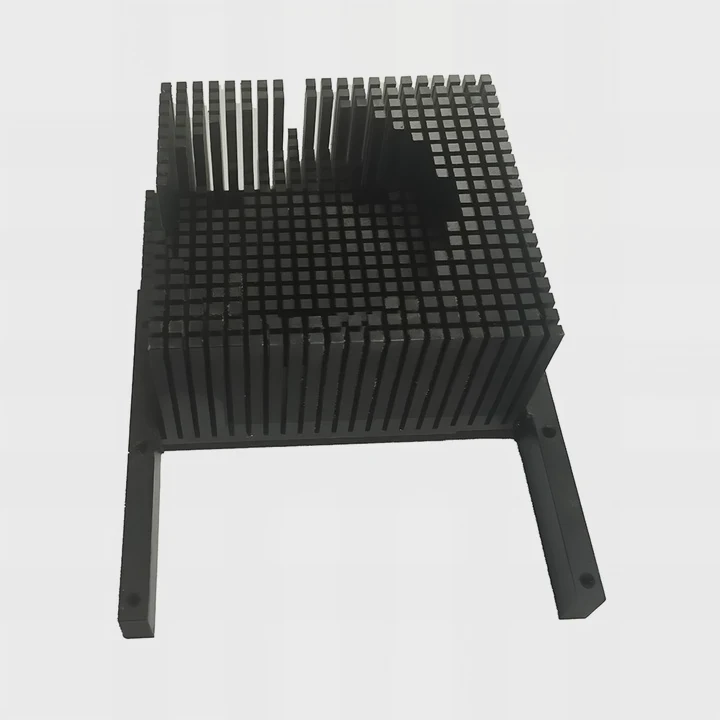
Why side mounting risks pump issues
Side mounts often place the radiator in a vertical position. If the pump block sits above the highest radiator point, air will move into the pump. Over time, this hurts the pump bearings.
Side Mount Risk Breakdown
| Mount Type | Risk Level | Reason |
|---|---|---|
| Side mount (radiator top higher than pump) | High | Air reaches pump |
| Side mount (radiator top lower than pump) | Low | Air stays in radiator |
| Side mount with poor airflow | Medium | Weak cooling |
Deep Explanation
Pump health depends on constant liquid flow. If air enters the pump, the liquid can no longer lubricate the impeller properly. The pump becomes noisy and wears out faster. I saw a system where a side-mounted radiator placed the tubes at the top. Air kept moving into the pump. The pump lasted less than a year.
Side mounting also depends on airflow. Many cases do not provide enough direct airflow for the side panel area. Without airflow, the radiator stays warm and cooling performance drops. This forces the pump to work harder, raising long-term stress.
Why pump longevity changes with mounting
- Air bubbles reduce lubrication
- Pump blades hit vapor instead of coolant
- Heat rises faster when airflow is weak
- Constant micro-cavitation accelerates wear
My long-term observation
In one workstation, the radiator was mounted vertically at the side. The pump sat higher than the top of the radiator. Over time, the user reported rattling noises. I inspected the pump and found clear signs of cavitation damage. After remounting the radiator to the top panel, the system stayed quiet and stable.
Conclusion
A liquid cooler works best when installed in a position that supports strong airflow, safe tube orientation, and proper pressure balance. Top and front mounting remain the safest choices. Air bubbles must stay inside the radiator, not the pump. Side mounting can work but requires careful alignment to avoid pump damage.
TAGS
Latest Articles

Volume discount levels for heat sink orders?
Buyers often ask when heat sink prices start to drop with volume. Many worry they’re overpaying for small orders. This guide explains how B2B volume pricing works for thermal components. Heat sink
21 Dec,2025
Heat sink long-term supply contract options?
Many buyers want stable pricing and reliable delivery for heat sinks. But without a clear contract, risks grow over time. This article explores how to secure better long-term supply deals. Long-term
21 Dec,2025
Tooling cost for new heat sink profiles?
Many engineers struggle to understand why tooling for custom heat sinks costs so much. They worry about budgeting and production timelines. This article breaks down the cost drivers behind tooling.
21 Dec,2025
Heat sink custom sample process steps?
Sometimes, starting a custom heat sink project feels overwhelming—too many steps, too many unknowns, and too many risks. You want a sample, but not endless delays. The process for requesting and
20 Dec,2025
Standard B2B terms for heat sink payments?
When buyers and sellers in B2B heat sink markets talk about payment, many don’t fully understand what’s standard. This can lead to delayed orders, miscommunication, and even lost business
20 Dec,2025
Heat sink pricing factors for large orders?
Heat sinks are vital for many systems. When prices rise, projects stall and budgets break. This problem can hit teams hard without warning. Large order heat sink pricing depends on many factors. You
20 Dec,2025Related Articles
- Why is a liquid cooling system pressurised?
- Which is better oil cooled or liquid cooled?
- What’s better liquid cooling or fan?
- Which is better air cooling or liquid cooling?
- What liquid is in a liquid cooling system?
- What’s better liquid cooled or air cooled?
- Why evaporation leads to cooling of the liquid?
- a gas changes to a liquid on cooling why?
- which is better liquid cooling or air?
- how to setup liquid cooling cpu?
- why liquid cooling is bad?
- does 3080 need liquid cooling?
Author
Dr. Emily Chen
Chief AI Researcher
Leading expert in thermal dynamics and AI optimization with over 15 years of experience in data center efficiency research.
Categories
Latest Products






Recommend Categories
- Liquid cooling plate Manufacturer
- Industrial Heat Sink Manufacturer
- Standard Heat Sink Manufacturer
- Aluminum Heat Sink Manufacturer
- Copper Heat Sink Manufacturer
- Anodized Heatsink Manufacturer
- Stamping heat sink Manufacturer
- Die Casting Heatsink Manufacturer
- Soldering heat sink Manufacturer
- CNC Parts Manufacturer
Latest Products
- Wholesale Aluminum Radiator
- Water Cooling Plate Kit
- Water Cooling Heat Sink
- Water Cooling Heat Sink Kit
- Stainless Steel Water Distributor
- Server Water Cooling Plate Kit
- Server Liquid Cooling System
- Server Aluminum Cooling Kit
- S19 Full Cover Cooling Plate
- S19 Cooling Plate Kit
- S19 Aluminum Cooling Plate
Contact Expert
Have questions about this article? Reach out to our experts directly.