Why is a liquid cooled system pressurised?
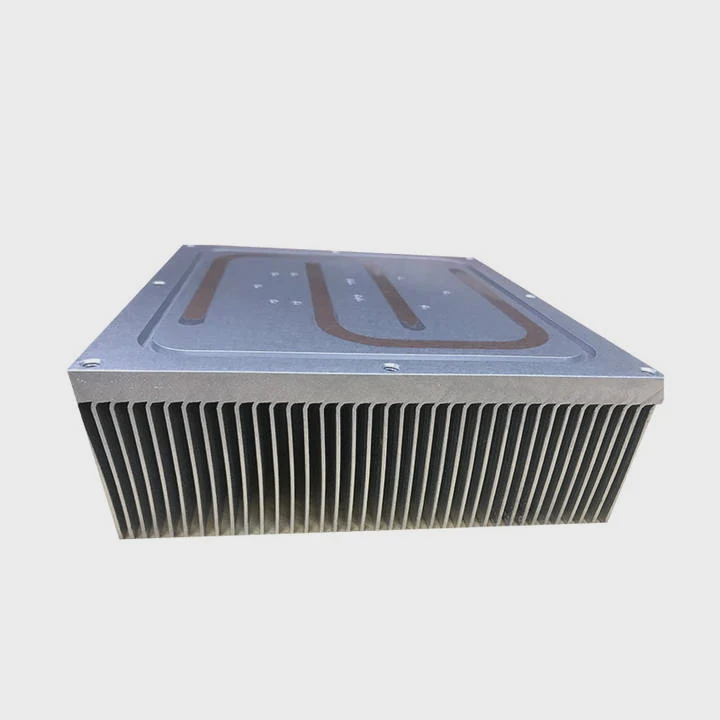
When I first learned that most liquid cooling systems are pressurized, it surprised me. Many assume cooling is only about moving liquid through tubes, but pressure plays a critical role in keeping the system efficient and safe.
A liquid cooling system is pressurized to raise the boiling point of the coolant, prevent cavitation, reduce bubble formation, and ensure stable, efficient heat transfer.
By pressurizing the system, we make it more reliable and capable of handling higher temperatures without boiling or leaking. Let’s explore how and why this works.
What is the purpose of pressurizing a liquid cooling system?
When liquid coolants operate under high temperatures, they can easily boil or form vapor bubbles. These bubbles disrupt the heat transfer process. That’s why engineers use pressure — it keeps the coolant in its liquid form, even under intense thermal load.
The purpose of pressurizing a liquid cooling system is to increase the coolant’s boiling point, maintain consistent heat transfer, and reduce the risk of vapor lock or cavitation inside the pump.
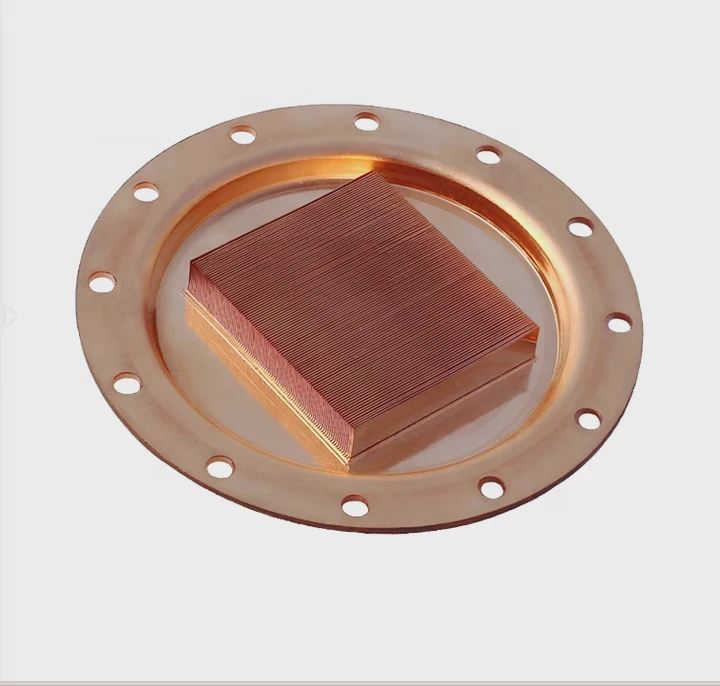
When pressure is applied, the boiling point of most coolants increases significantly. For instance, water at 1 bar boils at 100°C, but under 2 bars it can reach nearly 120°C before boiling. This margin gives engineers more control and flexibility in design.
How pressure improves boiling point
| Pressure Level (bar) | Boiling Point of Water (°C) |
|---|---|
| 1.0 | 100 |
| 1.5 | 111 |
| 2.0 | 120 |
| 3.0 | 133 |
This simple table shows why even modest pressure increases can greatly enhance performance. In high-performance systems — like data centers, electric vehicles, or aerospace devices — this control can mean the difference between stable operation and failure.
How does pressure affect the performance of a liquid cooling system?
At first glance, pressure seems like a mechanical detail, but it directly influences the cooling system’s thermal and mechanical performance. When I worked with prototype cooling plates, I saw how small pressure adjustments could change surface temperature stability and reduce system noise.
Pressure improves performance by preventing coolant boiling, minimizing cavitation, stabilizing flow, and ensuring more uniform heat removal across the system.
Thermal stability and efficiency
Under pressurized conditions, the coolant maintains a single liquid phase. This consistency means the thermal conductivity remains stable. In contrast, when boiling occurs, heat transfer becomes erratic because vapor bubbles act as insulators. By increasing pressure, we reduce the chance of this instability, allowing the coolant to absorb and carry away more heat efficiently.
Flow consistency and pump protection
Cavitation — the formation of vapor pockets within the pump — is another common issue in low-pressure systems. It causes noise, vibration, and even mechanical damage. When the system is pressurized, the coolant remains dense and stable, which protects the pump and extends its lifespan.
Pressure balance and leak control
In many designs, slight overpressure also helps prevent air from entering the system through microscopic leaks. Air bubbles can cause oxidation, corrosion, and uneven cooling. Maintaining positive pressure keeps the entire loop sealed, which is especially important for systems that run continuously for years, such as data center cooling loops or EV battery packs.
Example performance comparison
| Condition | Average Coolant Temp (°C) | Flow Stability | Cavitation Risk | Efficiency |
|---|---|---|---|---|
| Unpressurized | 95 | Low | High | Medium |
| Pressurized 1.5 bar | 95 | High | Low | High |
| Pressurized 2.0 bar | 100 | Very High | Very Low | Very High |
As this table suggests, the more stable the pressure, the smoother and more efficient the thermal transfer becomes.
What are the risks of a pressurized liquid cooling system?
While pressure helps improve efficiency, it also introduces certain engineering challenges. I’ve seen systems where excessive internal pressure caused seals to burst or fittings to leak. Understanding these risks is essential to ensure both performance and safety.
The main risks of a pressurized liquid cooling system include leaks, seal failure, material fatigue, and potential safety hazards from sudden pressure release.
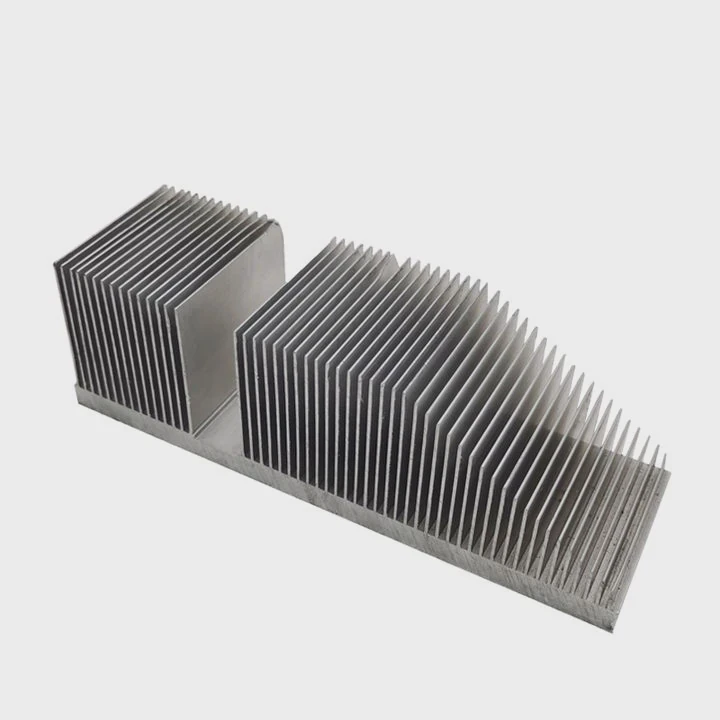
Mechanical stress and leakage
When the system is under pressure, every joint, hose, and weld is under constant stress. Over time, materials fatigue. Even small imperfections in sealing rings or weld seams can lead to micro-leaks. These leaks are not only messy but also dangerous when the coolant is hot or chemically reactive.
Thermal expansion and overpressure
As the coolant heats up, it expands. If the expansion is not compensated for, the pressure inside the loop can increase dramatically. That’s why most designs include an expansion tank or a pressure relief valve. Without these components, pressure spikes could damage sensitive components or cause sudden coolant ejection.
Maintenance and monitoring complexity
A pressurized system also requires stricter maintenance routines. Pressure gauges, valves, and sensors must be regularly calibrated. Any trapped air pockets must be removed carefully to prevent pressure imbalance. The more complex the system, the more careful monitoring it needs.
Safety and material compatibility
Not all materials can handle continuous pressure. Plastics may deform, and rubber seals can harden or crack over time. Engineers often choose materials like aluminum or stainless steel for critical parts because of their strength and corrosion resistance. Still, material fatigue remains a long-term risk that cannot be ignored.
Risk mitigation strategies
To manage these risks, engineers often follow these guidelines:
- Use reinforced hoses and precision-machined fittings.
- Design pressure relief systems to handle worst-case scenarios.
- Choose coolants with low vapor pressure and chemical stability.
- Regularly test pressure holding capacity under thermal cycles.
By following such measures, the benefits of pressurization can be enjoyed safely and reliably.
What are the future trends in pressurized liquid cooling systems?
As technology advances, so does the sophistication of thermal management. When I visit trade shows or read new research papers, I see how rapidly pressurized cooling systems are evolving — not just in automotive or data center industries but across aerospace, 5G, and renewable energy sectors.
The future trends in pressurized liquid cooling systems include smart pressure control, adaptive microchannels, eco-friendly coolants, and fully integrated thermal modules.
Smart and adaptive pressure control
In the future, pressure will no longer be fixed. Instead, systems will automatically adjust it based on temperature, flow rate, or component load. Using sensors and AI-based controllers, cooling loops will dynamically balance pressure to achieve optimal thermal efficiency while preventing mechanical stress.
For example, a system might increase pressure during heavy computing loads and lower it during standby to save energy and reduce wear. This kind of adaptive control can extend system lifespan and reduce maintenance costs.
Microchannel and two-phase innovations
Next-generation cooling plates and heat exchangers are moving toward microchannel structures, where coolant flows through tiny passages. To prevent boiling inside these channels, precise pressure control becomes even more critical. Some designs are exploring two-phase pressurized systems, where the coolant intentionally changes phase but remains controlled by pressure to enhance heat absorption.
Sustainable and low-toxicity coolants
Environmental concerns are driving the shift toward safer and more eco-friendly coolants. Many traditional coolants contain chemicals that are harmful or non-biodegradable. Modern research focuses on low-GWP (Global Warming Potential) liquids and water-based nanofluids. Pressurization helps stabilize these new fluids, allowing them to operate at higher temperatures without degradation.
Integration with electronic control modules
Another strong trend is integration. Rather than using separate cooling systems for CPUs, batteries, or power modules, engineers now design unified pressurized loops that serve multiple components. These “thermal modules” combine sensors, pumps, and heat exchangers into one intelligent system.
Example of emerging technologies
| Trend | Description | Expected Benefit |
|---|---|---|
| Smart pressure control | AI-controlled valves adjust pressure dynamically | Higher efficiency, longer lifespan |
| Microchannel heat exchangers | Fine channels improve surface contact | Compact size, better cooling density |
| Two-phase control | Controlled boiling under pressure | Increased heat absorption |
| Green coolants | Non-toxic, biodegradable liquids | Environmental safety |
| Integrated modules | Unified design for multiple heat sources | Lower cost and easier maintenance |
Real-world adoption
Major industries are already implementing these ideas. Electric vehicle manufacturers are experimenting with pressurized battery cooling loops that can maintain cell temperature within ±2°C. Data centers are adopting closed-loop liquid systems with smart pressure balancing to reduce energy consumption. Even aerospace systems are exploring pressurized lightweight cooling networks made from aluminum or composite materials.
The combination of smart sensors, predictive algorithms, and modular design will make the next generation of pressurized liquid cooling systems both safer and smarter.
Conclusion
Pressurizing a liquid cooling system is more than a technical choice — it’s a design philosophy. By controlling pressure, we unlock higher boiling points, more stable heat transfer, and longer system life. As technology advances, pressurized systems will evolve into intelligent, adaptive networks that balance safety, performance, and sustainability.
TAGS
Latest Articles

Volume discount levels for heat sink orders?
Buyers often ask when heat sink prices start to drop with volume. Many worry they’re overpaying for small orders. This guide explains how B2B volume pricing works for thermal components. Heat sink
21 Dec,2025
Heat sink long-term supply contract options?
Many buyers want stable pricing and reliable delivery for heat sinks. But without a clear contract, risks grow over time. This article explores how to secure better long-term supply deals. Long-term
21 Dec,2025
Tooling cost for new heat sink profiles?
Many engineers struggle to understand why tooling for custom heat sinks costs so much. They worry about budgeting and production timelines. This article breaks down the cost drivers behind tooling.
21 Dec,2025
Heat sink custom sample process steps?
Sometimes, starting a custom heat sink project feels overwhelming—too many steps, too many unknowns, and too many risks. You want a sample, but not endless delays. The process for requesting and
20 Dec,2025
Standard B2B terms for heat sink payments?
When buyers and sellers in B2B heat sink markets talk about payment, many don’t fully understand what’s standard. This can lead to delayed orders, miscommunication, and even lost business
20 Dec,2025
Heat sink pricing factors for large orders?
Heat sinks are vital for many systems. When prices rise, projects stall and budgets break. This problem can hit teams hard without warning. Large order heat sink pricing depends on many factors. You
20 Dec,2025Related Articles
- Why is glass considered a super cooled liquid?
- Heat Sink Manufacturer in Paraguay
- Heat Sink Manufacturer in Jordan
- Heat Sink Manufacturer in Lebanon
- Heat Sink Manufacturer in Estonia
- Heat Sink Manufacturer in Latvia
- Why is a Liquid Cooled System Pressurized?
- Which phone has liquid cooling system?
- When to replace liquid cooling?
- What’s the Difference Between Air Cooled and Liquid Cooled?
- What is VC liquid cooling?
- What is the difference between liquid cooled and air cooled?
Author
Dr. Emily Chen
Chief AI Researcher
Leading expert in thermal dynamics and AI optimization with over 15 years of experience in data center efficiency research.
Categories
Latest Products






Recommend Categories
- Liquid cooling plate Manufacturer
- Industrial Heat Sink Manufacturer
- Standard Heat Sink Manufacturer
- Aluminum Heat Sink Manufacturer
- Copper Heat Sink Manufacturer
- Anodized Heatsink Manufacturer
- Stamping heat sink Manufacturer
- Die Casting Heatsink Manufacturer
- Soldering heat sink Manufacturer
- CNC Parts Manufacturer
Latest Products
- Wholesale Aluminum Radiator
- Water Cooling Plate Kit
- Water Cooling Heat Sink
- Water Cooling Heat Sink Kit
- Stainless Steel Water Distributor
- Server Water Cooling Plate Kit
- Server Liquid Cooling System
- Server Aluminum Cooling Kit
- S19 Full Cover Cooling Plate
- S19 Cooling Plate Kit
- S19 Aluminum Cooling Plate
Contact Expert
Have questions about this article? Reach out to our experts directly.