Which phone has liquid cooling system?
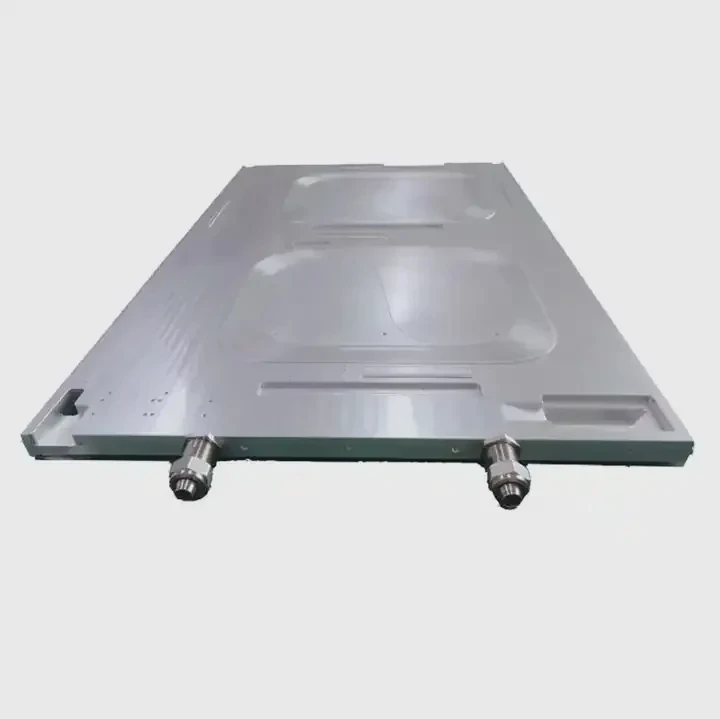
Smartphones today pack desktop-level performance in your pocket, and that means heat is a serious issue. Many users face overheating, lag, or battery drain during heavy use.
Phones with liquid cooling use vapor chambers or heat pipes to move heat away from the processor, keeping performance stable even during gaming or fast charging.
This technology is now standard in many flagship and gaming models. It helps devices run cooler, smoother, and last longer — something users demand as apps and graphics become more powerful.
What is liquid cooling in smartphones?
As mobile chips get faster, they also produce more heat. Without good cooling, phones slow down to protect themselves. That is where liquid cooling comes in.
Liquid cooling in smartphones uses a vapor chamber or heat pipe with liquid coolant to absorb, spread, and release heat efficiently from the CPU and GPU.
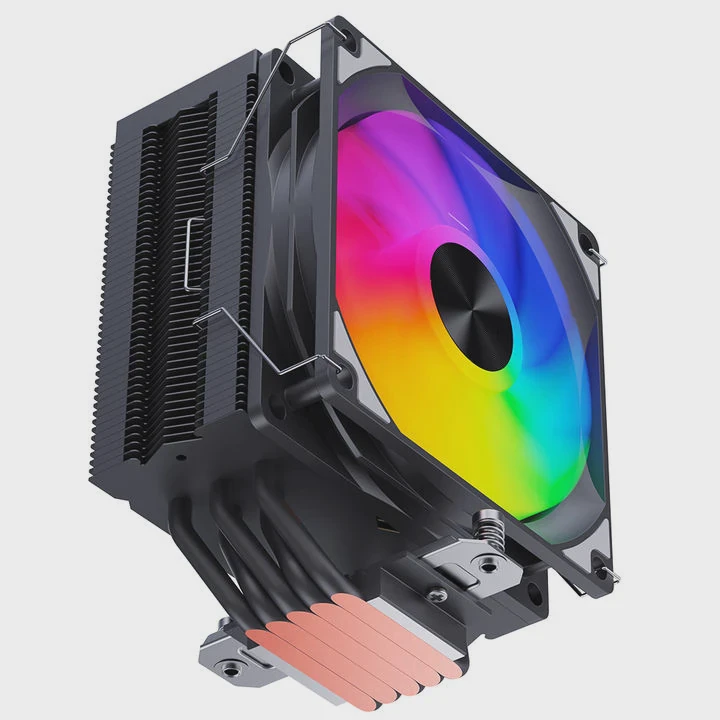
The idea is simple but effective. Inside the sealed pipe or chamber is a small amount of liquid, often water or special coolant. When the processor heats up, the liquid evaporates and moves to a cooler area. There, it condenses back into liquid, releasing heat through the phone’s body. This constant cycle keeps the temperature stable.
How it works step-by-step
| Step | Process | Purpose |
|---|---|---|
| 1 | CPU and GPU produce heat | Heat must be removed quickly |
| 2 | Liquid absorbs the heat | Turns into vapor to carry heat away |
| 3 | Vapor spreads through chamber | Distributes heat evenly |
| 4 | Vapor condenses back to liquid | Releases heat through the shell |
| 5 | Cycle repeats | Keeps phone cool during use |
This system can lower temperatures by several degrees compared to traditional graphite cooling sheets. It’s efficient, silent, and requires no moving parts — perfect for slim smartphones.
What are the benefits of liquid cooling for phones?
Overheating can cause apps to freeze, reduce performance, and even damage internal parts. That’s why proper cooling is more than a luxury; it’s essential.
Liquid cooling improves performance stability, extends battery life, and protects hardware by keeping the phone’s temperature low under load.
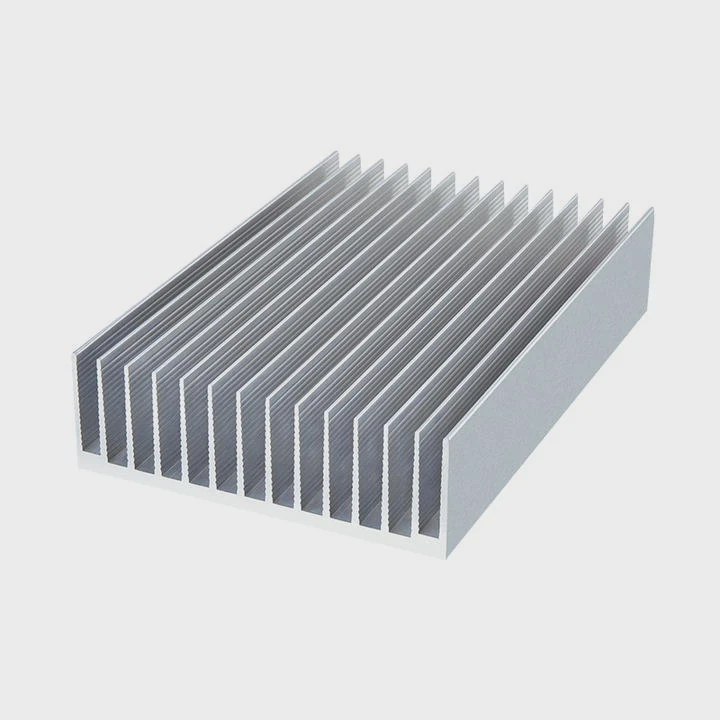
It’s not just for gamers. Anyone who records 4K videos, multitasks, or uses mobile editing apps will notice smoother operation and fewer slowdowns.
Key benefits
| Benefit | Explanation |
|---|---|
| Stable performance | Prevents CPU throttling and maintains high frame rates |
| Battery protection | Reduces heat damage to lithium cells |
| Comfort | Keeps the back of the phone cool to touch |
| Longevity | Extends hardware life by avoiding thermal stress |
| Energy efficiency | Optimizes power management for better endurance |
Real-world performance
I once compared two phones during a 45-minute gaming test: one with a vapor chamber, one without. The liquid-cooled phone stayed at 38°C, while the other reached over 46°C and began to stutter. The difference was not just in temperature — gameplay remained fluid and battery drain was slower.
Phones like the ASUS ROG series, Samsung Galaxy S24 Ultra, and Xiaomi 14 Ultra have all adopted advanced vapor chambers that cover larger internal areas. The goal is to spread heat faster so that no single component overheats.
How do you choose a phone with a liquid cooling system?
With many brands advertising “liquid cooling,” it’s easy to be misled. Some phones only have a small graphite pad and call it cooling technology.
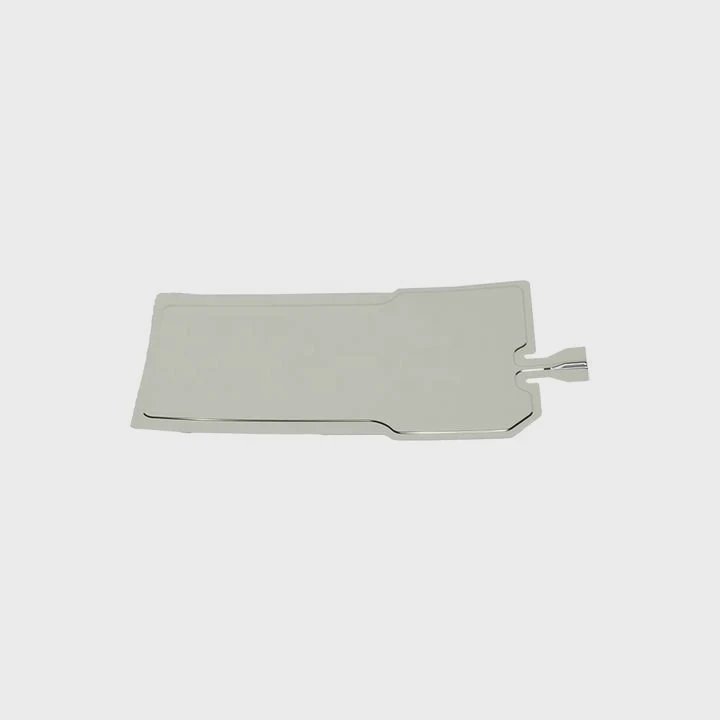
To choose a real liquid-cooled phone, look for a large vapor chamber, verified teardown images, and consistent thermal performance in independent tests.
Not all systems are equal. The size, material, and layout of the cooling hardware determine how effective it will be. The best phones use copper or aluminum vapor chambers with large surface areas.
Things to check before buying
| Feature | What to Look For | Why It Matters |
|---|---|---|
| Cooling method | Vapor chamber or multi-layer system | Spreads heat more efficiently |
| Material | Copper or aluminum | Better thermal conductivity |
| Chamber size | Larger than 3000 mm² | Keeps the phone cooler under load |
| Independent tests | Real benchmark data | Confirms manufacturer claims |
| System layout | Heat evenly spread | Prevents localized hot spots |
Recommended models
- ASUS ROG Phone 8 – Large vapor chamber and optional external fan
- Xiaomi 14 Ultra – Multi-layer cooling with high thermal coverage
- Samsung Galaxy S24 Ultra – Thin, efficient vapor chamber for sustained load
- OnePlus 12 – Dual vapor chambers with balanced temperature control
- RedMagic 9 Pro – Hybrid cooling with built-in micro fan
These phones don’t just rely on marketing terms — they use actual engineering solutions that you can see in teardown videos. Always look for proof, not promises.
My practical tips
I prefer to check teardown reviews on YouTube before buying. They show real photos of the cooling plate and its coverage area. If the vapor chamber covers only a small portion of the chip, it won’t make a big difference. But if it spans the whole logic board, you’ll feel the benefit in daily use.
Also, remember that software optimization matters. Some phones use AI to control CPU power and cooling balance. This helps maintain temperature while keeping performance high without manual tuning.
What are the future trends in smartphone cooling technologies?
Every year, mobile chips get more powerful — and hotter. Cooling systems must evolve faster than ever to keep up.
Future cooling systems will use hybrid designs combining vapor chambers, phase-change materials, and AI-based temperature control for smarter thermal management.
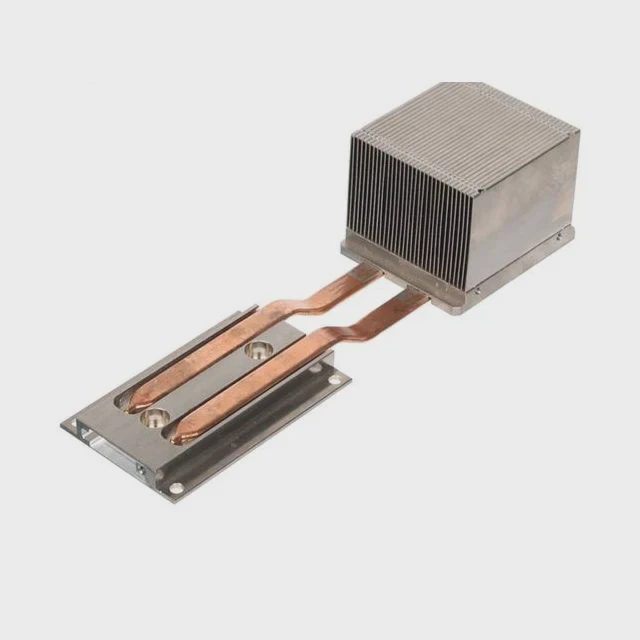
The direction is clear: thinner, smarter, and more efficient systems that adapt in real time. Instead of waiting for the phone to heat up, the system will predict and manage it before it happens.
What’s coming next
| Innovation | Function | Benefit |
|---|---|---|
| Phase-change materials | Absorb heat and release slowly | Smooth temperature changes |
| Graphene cooling layers | Conduct heat faster than copper | Reduce thickness |
| AI temperature control | Predict heat patterns | Adjust performance automatically |
| Micro liquid loops | Circulate coolant actively | Maintain stable temps under extreme load |
| Built-in fans | Active airflow in gaming phones | Extreme cooling for heavy users |
A closer look at hybrid systems
Modern smartphones are already experimenting with multi-layer cooling stacks that combine graphite sheets, vapor chambers, and copper foils. In some cases, they even include tiny phase-change capsules that store heat temporarily, then release it slowly as the device cools.
I believe the next major step will be AI-integrated cooling systems. These will monitor your usage pattern — gaming, charging, video — and adjust CPU power or fan speed automatically. This not only saves energy but also prevents overheating before it begins.
The rise of advanced materials
New materials are changing everything. Graphene, for example, is 200 times more thermally conductive than steel. It’s flexible and ultra-thin, making it ideal for foldable phones. Some manufacturers are already layering graphene sheets over vapor chambers to improve heat flow.
Another possibility is liquid metal cooling, which is already popular in gaming PCs. It transfers heat more efficiently than traditional coolant. Once safety and sealing issues are solved, we might see this technology appear in flagship smartphones.
Design evolution and integration
Cooling systems will soon influence how phones are built. Instead of adding cooling later, brands will design phones around the cooling module. This means lighter structures, new internal layouts, and even transparent backs to showcase the vapor chamber.
We can already see this trend in gaming phones with RGB lighting and visible cooling tubes. The future may bring devices where you can actually see the coolant flow — a perfect mix of function and style.
Conclusion
Liquid cooling is no longer just for gaming phones. It’s a core feature that defines performance, comfort, and reliability. As chips become more powerful, smarter cooling systems will keep our phones fast and stable. The future belongs to hybrid cooling — efficient, adaptive, and invisible to the user.
TAGS
Latest Articles

Volume discount levels for heat sink orders?
Buyers often ask when heat sink prices start to drop with volume. Many worry they’re overpaying for small orders. This guide explains how B2B volume pricing works for thermal components. Heat sink
21 Dec,2025
Heat sink long-term supply contract options?
Many buyers want stable pricing and reliable delivery for heat sinks. But without a clear contract, risks grow over time. This article explores how to secure better long-term supply deals. Long-term
21 Dec,2025
Tooling cost for new heat sink profiles?
Many engineers struggle to understand why tooling for custom heat sinks costs so much. They worry about budgeting and production timelines. This article breaks down the cost drivers behind tooling.
21 Dec,2025
Heat sink custom sample process steps?
Sometimes, starting a custom heat sink project feels overwhelming—too many steps, too many unknowns, and too many risks. You want a sample, but not endless delays. The process for requesting and
20 Dec,2025
Standard B2B terms for heat sink payments?
When buyers and sellers in B2B heat sink markets talk about payment, many don’t fully understand what’s standard. This can lead to delayed orders, miscommunication, and even lost business
20 Dec,2025
Heat sink pricing factors for large orders?
Heat sinks are vital for many systems. When prices rise, projects stall and budgets break. This problem can hit teams hard without warning. Large order heat sink pricing depends on many factors. You
20 Dec,2025Related Articles
- Why is a Liquid Cooled System Pressurized?
- Why is a liquid cooled system pressurised?
- Why is glass considered a super cooled liquid?
- Heat Sink Manufacturer in Paraguay
- Heat Sink Manufacturer in Jordan
- Heat Sink Manufacturer in Lebanon
- When to replace liquid cooling?
- What’s the Difference Between Air Cooled and Liquid Cooled?
- What is VC liquid cooling?
- What is the difference between liquid cooled and air cooled?
- What is super cooled liquid?
- What is liquid cooling system in mobile?
Author
Dr. Emily Chen
Chief AI Researcher
Leading expert in thermal dynamics and AI optimization with over 15 years of experience in data center efficiency research.
Categories
Latest Products






Recommend Categories
- Liquid cooling plate Manufacturer
- Industrial Heat Sink Manufacturer
- Standard Heat Sink Manufacturer
- Aluminum Heat Sink Manufacturer
- Copper Heat Sink Manufacturer
- Anodized Heatsink Manufacturer
- Stamping heat sink Manufacturer
- Die Casting Heatsink Manufacturer
- Soldering heat sink Manufacturer
- CNC Parts Manufacturer
Latest Products
- Wholesale Aluminum Radiator
- Water Cooling Plate Kit
- Water Cooling Heat Sink
- Water Cooling Heat Sink Kit
- Stainless Steel Water Distributor
- Server Water Cooling Plate Kit
- Server Liquid Cooling System
- Server Aluminum Cooling Kit
- S19 Full Cover Cooling Plate
- S19 Cooling Plate Kit
- S19 Aluminum Cooling Plate
Contact Expert
Have questions about this article? Reach out to our experts directly.