Why is a Liquid-Cooled System Pressurized?
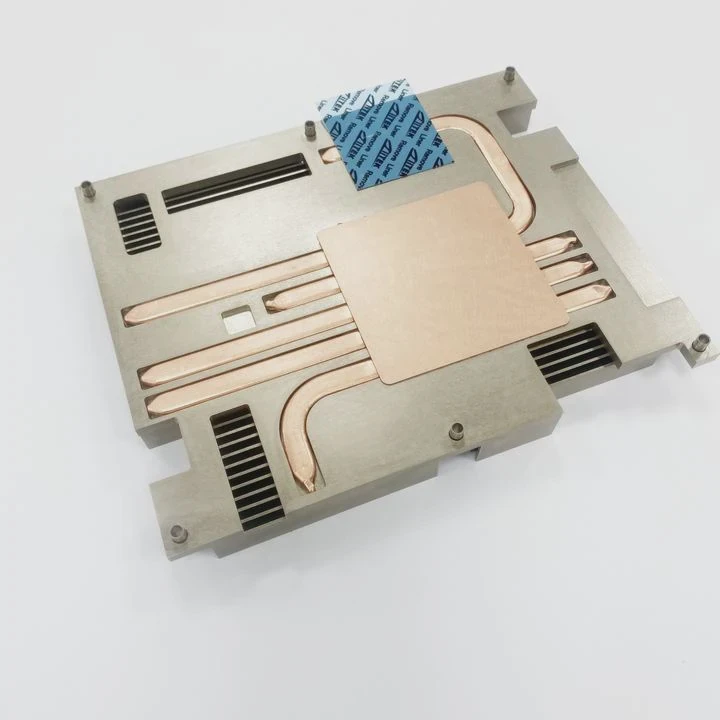
If you’ve ever wondered why liquid-cooled systems in motorcycles or vehicles are pressurized, you’re not alone. Let’s explore why this is a key feature in maintaining cooling performance.
A liquid-cooled system is pressurized to raise the boiling point of the coolant, ensuring efficient heat dissipation and preventing the system from overheating under high temperatures.
The pressurization of the system plays a critical role in its functionality. In this article, we’ll dive into the purpose of pressurization, the benefits it brings to cooling performance, and how to maintain the ideal system pressure.
What is the Purpose of Pressurization in a Liquid-Cooled System?
What makes pressurization so essential for the functionality of liquid-cooled systems, particularly in motorcycles and cars? Let’s uncover the reasoning behind it.
Pressurization raises the boiling point of the coolant, enabling the system to handle higher temperatures without the coolant boiling and causing system failure.
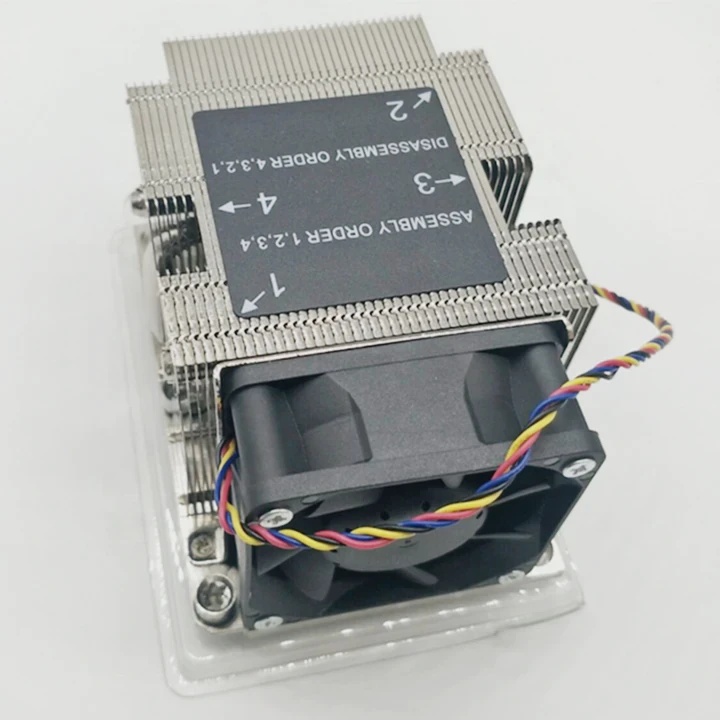
In a typical liquid-cooling system, coolant (usually a mixture of water and antifreeze) circulates through the engine, absorbing heat and transferring it to the radiator where it’s cooled down. However, coolant systems work more effectively when they can operate at higher temperatures. This is where pressurization comes in.
A pressurized cooling system allows the coolant to reach a higher boiling point, which means it can absorb more heat without turning into steam. If a system weren’t pressurized, the coolant would begin to boil at lower temperatures, reducing its ability to carry heat away from the engine. By keeping the system pressurized, the coolant remains in liquid form even at higher temperatures, allowing it to perform optimally and dissipate more heat effectively.
The pressure is typically maintained by a radiator cap that has a spring-loaded valve. This valve opens to release pressure when it exceeds the design limit, ensuring that the system doesn’t become over-pressurized. The pressurized environment is necessary to avoid overheating, engine knocking, or thermal damage to engine components.
What Are the Benefits of Pressurization for Cooling Performance?
Why is it so important to maintain proper pressure in the cooling system? Let’s dive deeper into the performance advantages of pressurization.
Pressurization increases the cooling system’s efficiency, allows for better heat transfer, and ensures that the engine operates at a more consistent and optimal temperature.
Pressurization brings a number of key benefits to a liquid-cooled system, especially when it comes to motorcycles and vehicles that deal with high engine temperatures:
Key Benefits of Pressurization
| Benefit | Explanation |
|---|---|
| Higher Boiling Point | Pressurization raises the boiling point of the coolant, allowing it to absorb more heat before turning into steam. |
| Improved Heat Transfer | With a higher boiling point, the coolant can remove more heat from the engine, ensuring it runs cooler. |
| More Efficient Cooling | The pressurized system keeps the coolant in liquid form, maximizing its cooling efficiency. |
| Better Performance Under Load | As the engine heats up during high-performance use, the pressurized system ensures consistent cooling and prevents overheating. |
By keeping the coolant in a liquid state even at high temperatures, pressurization ensures that the cooling system continues to perform effectively. This means that engines can work harder, last longer, and operate at optimal performance levels.
In motorcycles like the Royal Enfield Super Meteor 650, a pressurized system ensures that the engine remains within its optimal operating temperature range. This is especially important during long-distance rides or in high ambient temperatures where overheating could otherwise cause significant damage.
How to Maintain Proper Pressure in a Cooling System?
How can you ensure that the cooling system remains properly pressurized? Regular maintenance is key to keeping the system working efficiently.
Proper maintenance of the cooling system and components, such as the radiator cap, hoses, and coolant level, will help maintain the correct pressure and prevent system failure.
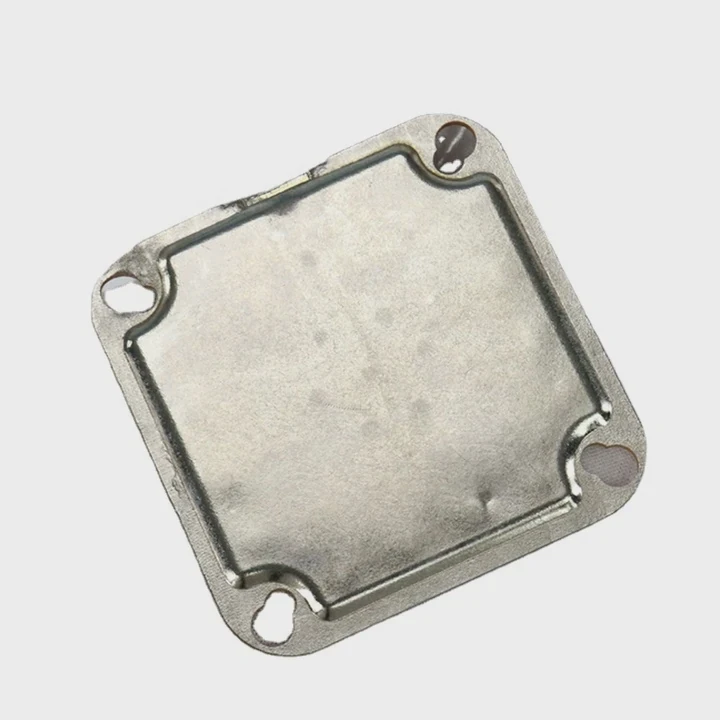
Maintaining proper pressure in the liquid-cooled system is essential to ensure it continues functioning at peak performance. Here are a few steps you can take to maintain proper pressure:
Check the Radiator Cap Regularly: The radiator cap plays a crucial role in maintaining system pressure. It seals the cooling system and keeps the coolant from boiling. If the cap is faulty, it can cause a drop in pressure, leading to potential overheating. Check for any signs of wear or cracks and replace the cap if necessary.
Inspect Coolant Levels: Low coolant levels can lead to decreased pressure, as there is less coolant to circulate through the system. Ensure the coolant level is adequate and top it off when necessary. Always use the type of coolant recommended by the manufacturer.
Examine Hoses and Connections: Check all hoses and connections for leaks or cracks. Even a small leak can cause a drop in pressure, leading to overheating. Replace any damaged hoses immediately to prevent loss of coolant.
Flush and Replace Coolant: Over time, coolant can degrade, lose its effectiveness, and even form sludge that can clog the cooling system. Flushing and replacing the coolant at regular intervals will help maintain the efficiency of the cooling system and preserve proper pressure.
Monitor the Temperature Gauge: Your bike’s temperature gauge is a great tool for monitoring whether the cooling system is functioning properly. If the temperature starts to climb above normal levels, it could be a sign of pressure issues or a malfunctioning cooling component.
By maintaining the cooling system’s pressure, you can avoid overheating, reduce engine wear, and extend the lifespan of your motorcycle.
What Are the Advancements in Sealed Cooling Systems?
Cooling systems have come a long way in terms of design and efficiency. Let’s explore some of the recent advancements in sealed cooling systems.
Sealed cooling systems provide more efficient thermal management, reduce coolant evaporation, and minimize the risk of system leaks, making them ideal for high-performance motorcycles and vehicles.
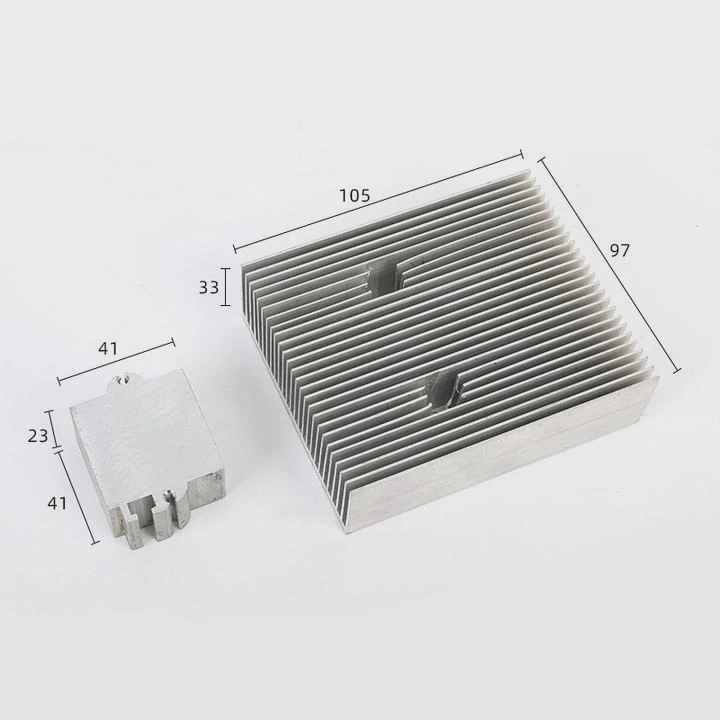
Recent advancements in sealed cooling systems have improved their efficiency, durability, and reliability. Here are some key advancements that have become more common in modern motorcycles:
Improved Seals and Gaskets: With the use of advanced sealing materials, modern cooling systems are better at retaining pressure and preventing coolant leaks. This ensures that the system can maintain the required pressure for longer periods of time.
Better Radiator Cap Design: Modern radiator caps feature improved designs that are more precise and can handle higher pressures. These caps also include pressure release valves that are more responsive, ensuring the system maintains pressure within optimal limits.
Integrated Coolant Recovery Systems: Newer cooling systems include coolant recovery tanks that prevent coolant loss. This reduces the chances of low coolant levels and helps maintain the pressurization necessary for proper cooling performance.
Synthetic Coolants: New synthetic coolants are more efficient than traditional ones and tend to have a higher boiling point. These coolants are also more stable and less likely to degrade over time, contributing to a more reliable cooling system.
Thermostatically Controlled Fans: Many modern motorcycles and vehicles now include fans that are activated by thermostats, ensuring that cooling is applied only when needed. This reduces unnecessary pressure buildup and optimizes coolant flow when the engine is at higher temperatures.
Advantages of Sealed Cooling Systems
| Advancement | Benefit |
|---|---|
| Improved Seals and Gaskets | Prevents coolant leaks and maintains system pressure for longer periods. |
| Better Radiator Cap Design | More efficient pressure regulation, preventing overheating. |
| Integrated Coolant Recovery Systems | Reduces coolant loss, helping to maintain optimal system pressure. |
| Synthetic Coolants | Higher boiling point, better heat retention, and longer lifespan. |
| Thermostatically Controlled Fans | Allows for more efficient use of cooling, reducing unnecessary pressure buildup. |
These advancements have significantly improved the reliability and performance of cooling systems, especially for high-performance engines that are more susceptible to overheating. By maintaining pressure and reducing the chance of coolant loss, sealed systems ensure that the engine remains within its optimal operating temperature for longer periods.
Conclusion
Pressurizing the cooling system is essential for improving heat transfer, maintaining consistent engine temperatures, and ensuring long-term engine health. Proper maintenance and utilizing advanced sealed cooling systems are key to maximizing performance and reliability.
TAGS
Latest Articles

Volume discount levels for heat sink orders?
Buyers often ask when heat sink prices start to drop with volume. Many worry they’re overpaying for small orders. This guide explains how B2B volume pricing works for thermal components. Heat sink
21 Dec,2025
Heat sink long-term supply contract options?
Many buyers want stable pricing and reliable delivery for heat sinks. But without a clear contract, risks grow over time. This article explores how to secure better long-term supply deals. Long-term
21 Dec,2025
Tooling cost for new heat sink profiles?
Many engineers struggle to understand why tooling for custom heat sinks costs so much. They worry about budgeting and production timelines. This article breaks down the cost drivers behind tooling.
21 Dec,2025
Heat sink custom sample process steps?
Sometimes, starting a custom heat sink project feels overwhelming—too many steps, too many unknowns, and too many risks. You want a sample, but not endless delays. The process for requesting and
20 Dec,2025
Standard B2B terms for heat sink payments?
When buyers and sellers in B2B heat sink markets talk about payment, many don’t fully understand what’s standard. This can lead to delayed orders, miscommunication, and even lost business
20 Dec,2025
Heat sink pricing factors for large orders?
Heat sinks are vital for many systems. When prices rise, projects stall and budgets break. This problem can hit teams hard without warning. Large order heat sink pricing depends on many factors. You
20 Dec,2025Related Articles
- What is Mobile Liquid Cooling?
- Are Liquid-Cooled Computers Better?
- What is Liquid Cooling System in Mobile Devices?
- Is the Royal Enfield Super Meteor 650 Liquid Cooled?
- What Is a Liquid Cooling System for a Computer?
- Does RTX 3090 need liquid cooling?
- How to Screw in a Processor Liquid Cooler?
- Is Alienware Liquid Cooling Worth It?
- Which Phone Has a Liquid Cooling System?
- How to Check a Liquid Cooling System?
- Which Liquid Cools the Fastest?
- How Does a Liquid-Cooled Engine Work?
Author
Dr. Emily Chen
Chief AI Researcher
Leading expert in thermal dynamics and AI optimization with over 15 years of experience in data center efficiency research.
Categories
Latest Products






Recommend Categories
- Liquid cooling plate Manufacturer
- Industrial Heat Sink Manufacturer
- Standard Heat Sink Manufacturer
- Aluminum Heat Sink Manufacturer
- Copper Heat Sink Manufacturer
- Anodized Heatsink Manufacturer
- Stamping heat sink Manufacturer
- Die Casting Heatsink Manufacturer
- Soldering heat sink Manufacturer
- CNC Parts Manufacturer
Latest Products
- Wholesale Aluminum Radiator
- Water Cooling Plate Kit
- Water Cooling Heat Sink
- Water Cooling Heat Sink Kit
- Stainless Steel Water Distributor
- Server Water Cooling Plate Kit
- Server Liquid Cooling System
- Server Aluminum Cooling Kit
- S19 Full Cover Cooling Plate
- S19 Cooling Plate Kit
- S19 Aluminum Cooling Plate
Contact Expert
Have questions about this article? Reach out to our experts directly.