When to replace liquid cooling?
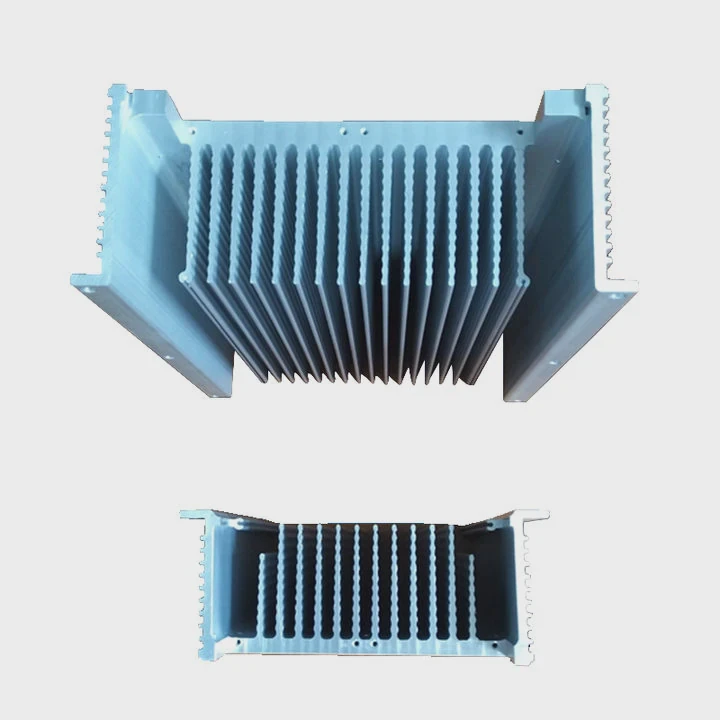
When performance drops and temperatures rise, it’s often a sign your liquid cooling system is aging or failing. Ignoring it can lead to overheating and permanent component damage.
You should replace a liquid cooling system when it shows signs of leakage, pump failure, temperature instability, or excessive noise, usually after 3–5 years of regular use.
Regular monitoring helps prevent sudden breakdowns. In this guide, I’ll share how to recognize early signs, when replacement makes sense, and what to expect for the future of liquid cooling maintenance.
How do I know when my liquid cooling system needs replacing?
When your computer suddenly runs hotter or louder than usual, the cooling system might be struggling. Many users ignore these early symptoms until the system fails completely.
You’ll know your liquid cooling system needs replacing when temperatures rise consistently, the pump becomes noisy, or there’s visible coolant leakage.
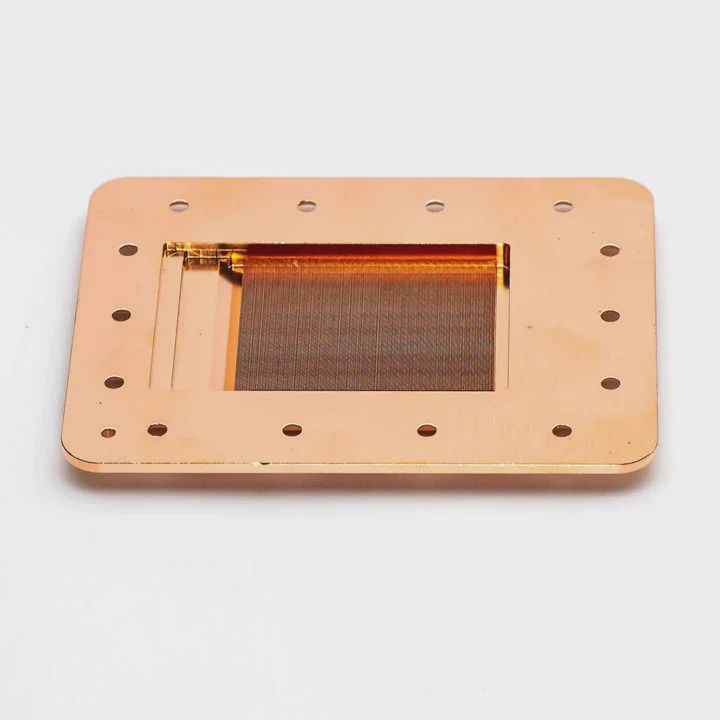
When I first built my workstation, I was amazed at how quietly the liquid cooler handled heavy workloads. But after three years, I noticed the CPU temperature creeping up even during idle time. The fans ran longer, and I could hear a faint gurgling sound from the pump. That was the moment I learned how age affects coolant performance.
Key indicators of degradation
| Sign | Description | What it Means |
|---|---|---|
| Rising temperatures | CPU/GPU heat doesn’t drop even with fans spinning | Coolant losing thermal efficiency |
| Noisy pump | Buzzing or grinding sounds | Bearing or impeller wear |
| Coolant discoloration | Cloudy or brown liquid | Corrosion or algae buildup |
| Leakage | Wet spots around fittings | Seal or tubing deterioration |
Over time, the coolant mixture breaks down. Even sealed systems can lose a small amount of liquid due to evaporation. Tubing materials may harden, leading to micro leaks. When this happens, the loop’s ability to transfer heat efficiently drops sharply.
I always recommend checking the liquid cooling system every six months. Cleaning the radiator, checking fan speed, and listening to the pump can save you from costly replacements later. When problems persist even after cleaning or refilling, it’s a clear signal: it’s time for a new cooler.
What are the signs that a liquid cooling system is failing?
Sudden noise, unstable temperatures, or component throttling are the biggest red flags. Many users think a noisy fan is the only issue, but in reality, pump health and coolant integrity are just as important.
A failing liquid cooling system shows inconsistent cooling performance, unusual sounds, visible leaks, or corrosion in the loop.
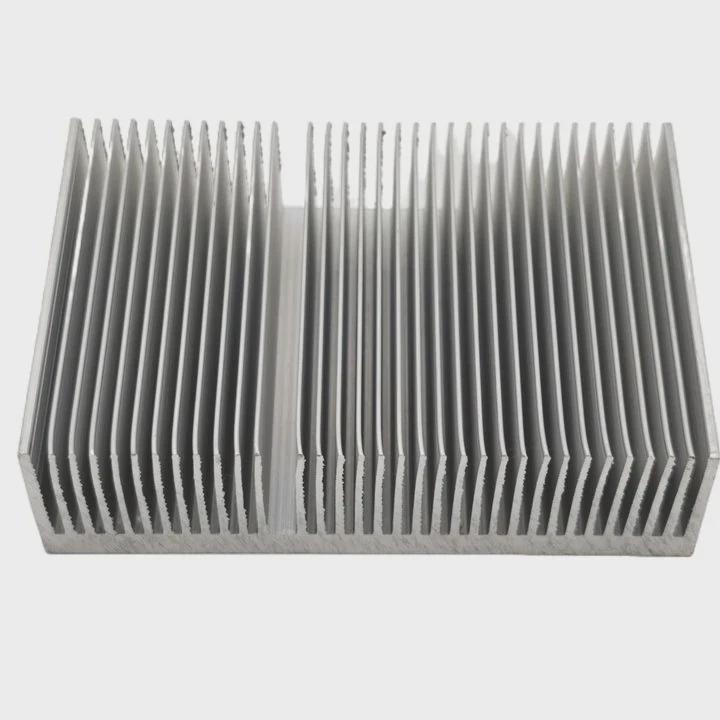
When my system started emitting a whining noise, I first suspected the fans. After removing the side panel, I realized the pump was the culprit. The noise grew louder every day, and soon, the coolant level dropped below the recommended mark. That experience taught me to recognize failure patterns early.
Common failure symptoms
| Failure Type | Early Sign | Impact |
|---|---|---|
| Pump failure | Unusual grinding or silence | Coolant stops circulating |
| Tube degradation | Cracks or stiffness | Leakage and air bubbles |
| Radiator blockage | Hot air output with little cooling | Heat cannot dissipate |
| Air in loop | Gurgling or sloshing sound | Reduced coolant flow |
In most systems, pump lifespan averages around 50,000 hours, but environmental conditions and maintenance habits can shorten it. Heat cycles gradually weaken seals and tubing. Dust accumulation in the radiator also adds pressure, forcing the pump to work harder.
If you experience any of these symptoms, turn off the system immediately. Continuous operation under such stress can damage both CPU and GPU components. I learned that replacing the cooler early is cheaper than replacing an overheated processor.
How often should I replace a liquid cooling system?
Many users believe liquid coolers last forever, but no cooling system is immune to wear. Like any mechanical device, the pump, coolant, and seals degrade over time.
Most liquid cooling systems should be replaced every 3 to 5 years depending on usage, environment, and maintenance quality.
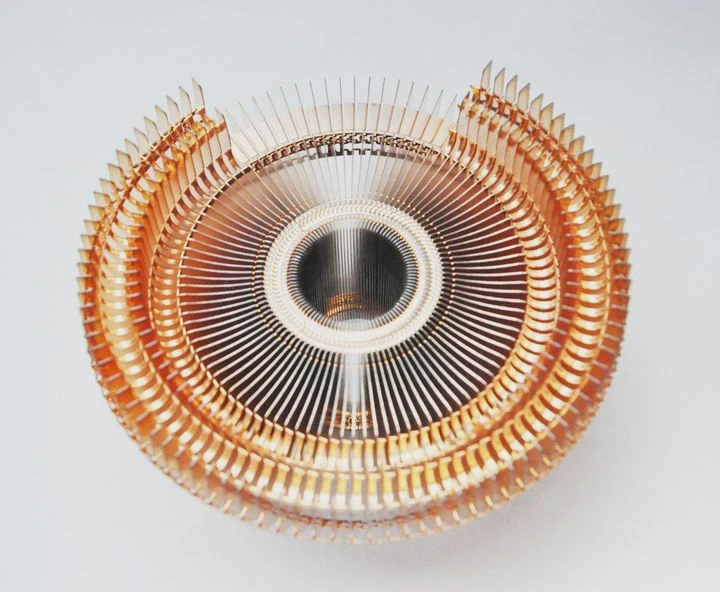
I run my system almost 10 hours a day for engineering work. Under this workload, my first AIO cooler lasted around four years before showing signs of reduced flow. Heavy gamers and workstation users may need replacements sooner, especially in warm climates.
Factors that affect lifespan
1. Usage intensity
Continuous high-load operations heat up the coolant faster. Frequent thermal cycling accelerates degradation of seals and tubing.
2. Environmental conditions
Dust, humidity, and temperature fluctuations impact internal materials. A cooler operating in a clean, air-conditioned room lasts longer than one exposed to constant heat and dust.
3. Build quality
High-end coolers with better pumps and corrosion-resistant materials survive longer. Cheaper models often use lower-grade rubber tubing, which deteriorates quickly.
4. Maintenance habits
Flushing and refilling coolant, cleaning radiators, and ensuring proper airflow extend system life significantly.
Replacing the system within the 3–5-year window ensures stable temperatures and prevents unpredictable failures. Waiting too long can lead to coolant evaporation or pump burnout, risking hardware safety.
What are the future trends in liquid cooling maintenance?
As computing power increases, liquid cooling systems are evolving. The maintenance process is becoming smarter, more automated, and data-driven.
Future liquid cooling maintenance will rely on smart sensors, predictive monitoring, and self-diagnosing systems to prevent failures before they happen.
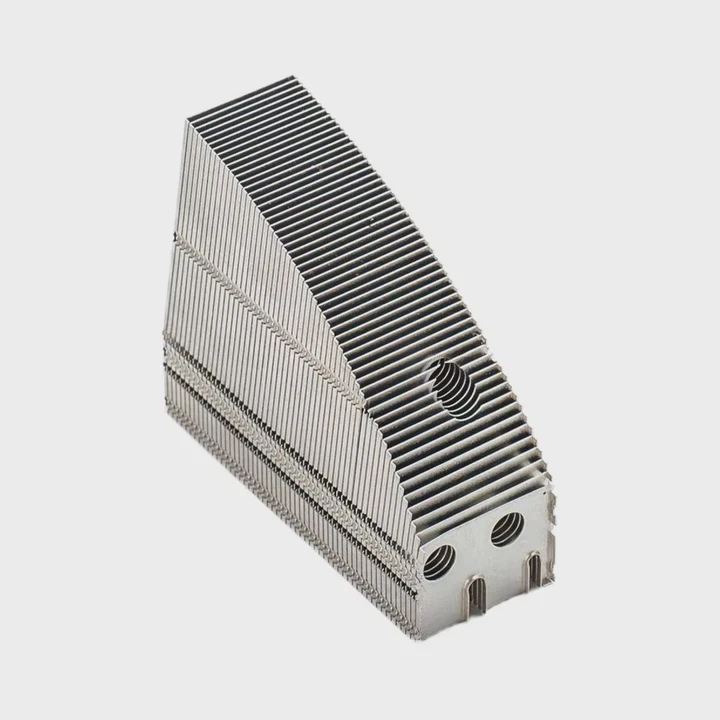
In recent years, I’ve noticed manufacturers integrating IoT sensors into their cooling loops. These sensors measure flow rate, coolant temperature, and even vibration levels. When something changes beyond a set threshold, the software alerts the user instantly.
The shift toward intelligent cooling
1. Predictive diagnostics
Modern cooling systems use AI algorithms to predict wear patterns. This means the system can recommend replacement schedules automatically, reducing human error.
2. Sustainable coolants
Next-generation coolants are non-toxic, biodegradable, and last longer. They reduce environmental impact while maintaining high thermal conductivity.
3. Modular design
Newer AIO and custom cooling systems are easier to maintain. Components like pumps and radiators can be replaced individually instead of swapping the entire unit.
4. Industry adoption
Data centers and EV battery systems are adopting predictive liquid cooling maintenance. These technologies will eventually enter consumer PC markets.
The integration of smart monitoring will change how we approach maintenance. Instead of guessing when to replace a system, users will have precise, data-backed guidance. It’s a future where cooling systems become self-managing, minimizing human intervention.
Conclusion
Replacing a liquid cooling system at the right time prevents damage and ensures stable performance. Watch for rising temperatures, leaks, or noise, and plan replacements every 3–5 years. With future smart systems, maintenance will soon become proactive, not reactive.
TAGS
Latest Articles

Volume discount levels for heat sink orders?
Buyers often ask when heat sink prices start to drop with volume. Many worry they’re overpaying for small orders. This guide explains how B2B volume pricing works for thermal components. Heat sink
21 Dec,2025
Heat sink long-term supply contract options?
Many buyers want stable pricing and reliable delivery for heat sinks. But without a clear contract, risks grow over time. This article explores how to secure better long-term supply deals. Long-term
21 Dec,2025
Tooling cost for new heat sink profiles?
Many engineers struggle to understand why tooling for custom heat sinks costs so much. They worry about budgeting and production timelines. This article breaks down the cost drivers behind tooling.
21 Dec,2025
Heat sink custom sample process steps?
Sometimes, starting a custom heat sink project feels overwhelming—too many steps, too many unknowns, and too many risks. You want a sample, but not endless delays. The process for requesting and
20 Dec,2025
Standard B2B terms for heat sink payments?
When buyers and sellers in B2B heat sink markets talk about payment, many don’t fully understand what’s standard. This can lead to delayed orders, miscommunication, and even lost business
20 Dec,2025
Heat sink pricing factors for large orders?
Heat sinks are vital for many systems. When prices rise, projects stall and budgets break. This problem can hit teams hard without warning. Large order heat sink pricing depends on many factors. You
20 Dec,2025Related Articles
- Which phone has liquid cooling system?
- Why is a Liquid Cooled System Pressurized?
- Why is a liquid cooled system pressurised?
- Why is glass considered a super cooled liquid?
- Heat Sink Manufacturer in Paraguay
- Heat Sink Manufacturer in Jordan
- What’s the Difference Between Air Cooled and Liquid Cooled?
- What is VC liquid cooling?
- What is the difference between liquid cooled and air cooled?
- What is super cooled liquid?
- What is liquid cooling system in mobile?
- What is Liquid Cooling Data Center?
Author
Dr. Emily Chen
Chief AI Researcher
Leading expert in thermal dynamics and AI optimization with over 15 years of experience in data center efficiency research.
Categories
Latest Products






Recommend Categories
- Liquid cooling plate Manufacturer
- Industrial Heat Sink Manufacturer
- Standard Heat Sink Manufacturer
- Aluminum Heat Sink Manufacturer
- Copper Heat Sink Manufacturer
- Anodized Heatsink Manufacturer
- Stamping heat sink Manufacturer
- Die Casting Heatsink Manufacturer
- Soldering heat sink Manufacturer
- CNC Parts Manufacturer
Latest Products
- Wholesale Aluminum Radiator
- Water Cooling Plate Kit
- Water Cooling Heat Sink
- Water Cooling Heat Sink Kit
- Stainless Steel Water Distributor
- Server Water Cooling Plate Kit
- Server Liquid Cooling System
- Server Aluminum Cooling Kit
- S19 Full Cover Cooling Plate
- S19 Cooling Plate Kit
- S19 Aluminum Cooling Plate
Contact Expert
Have questions about this article? Reach out to our experts directly.