Vapor Chamber for industrial robotics cooling?
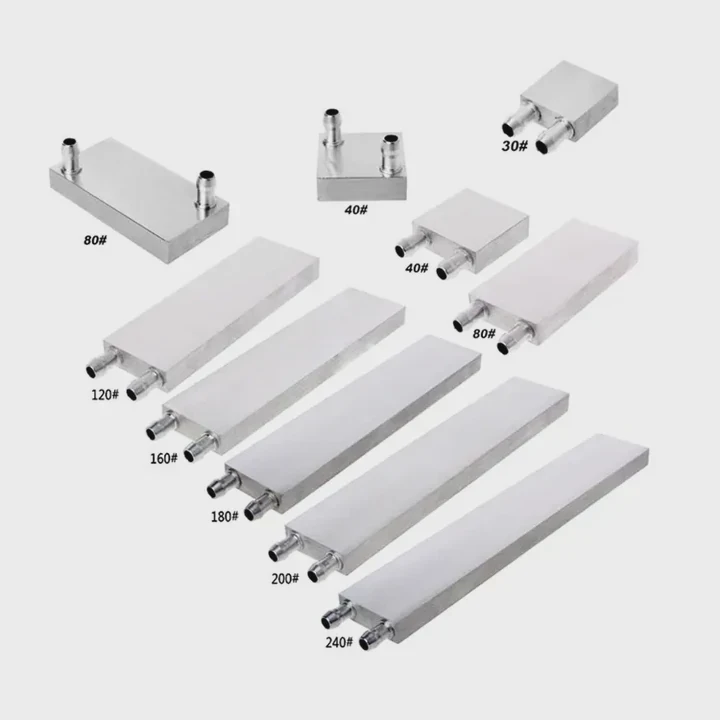
In industrial robotics, cooling isn’t just a nice‑to‑have—it can make or break uptime and precision. Robotics systems push power, duty‑cycles and thermal loads. That’s why using a properly designed and installed vapor chamber can be a major advantage.
Vapor chambers provide efficient heat spreading for industrial robots by reducing hot spots, managing compact layouts, and maintaining thermal reliability under high-frequency duty cycles.
Below I walk through how vapor chambers are used in industrial robotics, what thermal demands robots place on them, whether custom shapes are required and whether they can handle high‑frequency duty cycles.
How are Vapor Chambers used in industrial robotics?
In industrial robotics, many subsystems generate significant heat: servo drives, power electronics, control boards, high‑torque motors, and sometimes heaters or lasers integrated into the robot. The role of a vapor chamber in these systems is to spread the heat away rapidly from hot spots and support integration into tight spaces with limited airflow.
For example:
- A robot’s drive electronics may be mounted in the arm or hand where space is constrained, and airflow is limited. A flat vapor chamber can be placed over the electronic module to spread heat to the housing or a finned sink.
- The arm or joint may include a high‑power motor where heat concentrates near bearings or windings. A vapor chamber between the motor housing and external shell helps maintain structural integrity and thermal uniformity.
- In high‑ambient or enclosed environments, passive cooling (vapor chamber + heat sink) reduces reliance on fans or liquid loops, improving reliability.
Because vapor chambers operate by two‑phase heat transfer (evaporation + condensation), they achieve low thermal resistance over a wide surface area, making them especially useful in robotics modules where heat sources are flat and space is tight.
What thermal demands do robots place on Vapor Chambers?
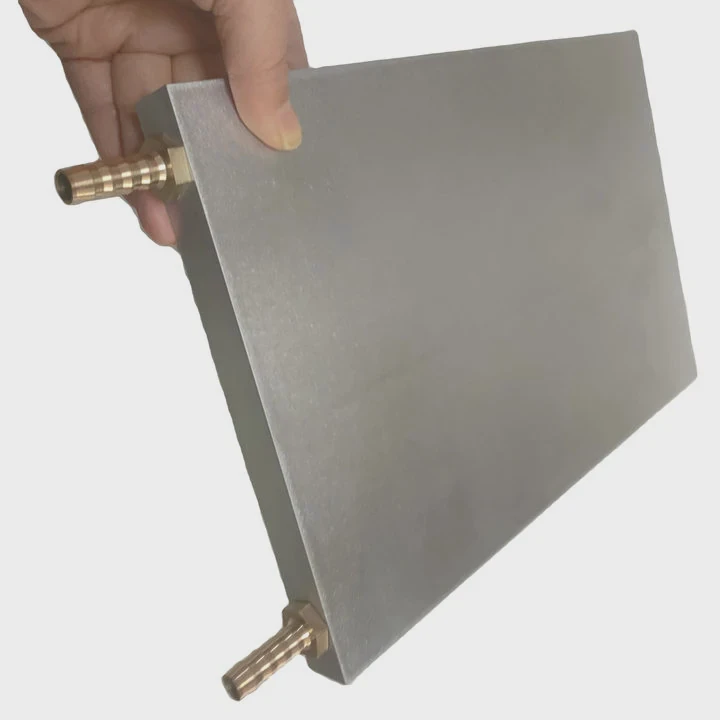
Robotics impose demanding thermal requirements:
Key challenges:
- High heat flux: Small drivers or motors produce concentrated thermal loads.
- Frequent thermal cycles: Repetitive tasks lead to constant heating and cooling.
- Compact mounting: Limited space for thermal modules in arms and joints.
- Elevated ambient temperatures: Near welders, ovens or inside enclosures.
- No forced airflow: Passive cooling often required.
- Precision requirements: Thermal drift can affect positioning and repeatability.
Performance expectations:
| Parameter | Typical Value | Design Implication |
|---|---|---|
| Local power density | 10–100 W/cm² | Vapor chamber must spread heat efficiently |
| Ambient temp range | 35–60°C | Must perform without active cooling |
| Duty cycle frequency | 1–5 Hz or more | Thermal cycling durability is essential |
| Lifespan | >20,000 hours | Requires long-term seal and wick stability |
A vapor chamber must maintain a low temperature rise from source to sink even with intermittent surge loads and survive mechanical stress from robot motion and mounting.
Are custom shapes required for robot cooling solutions?
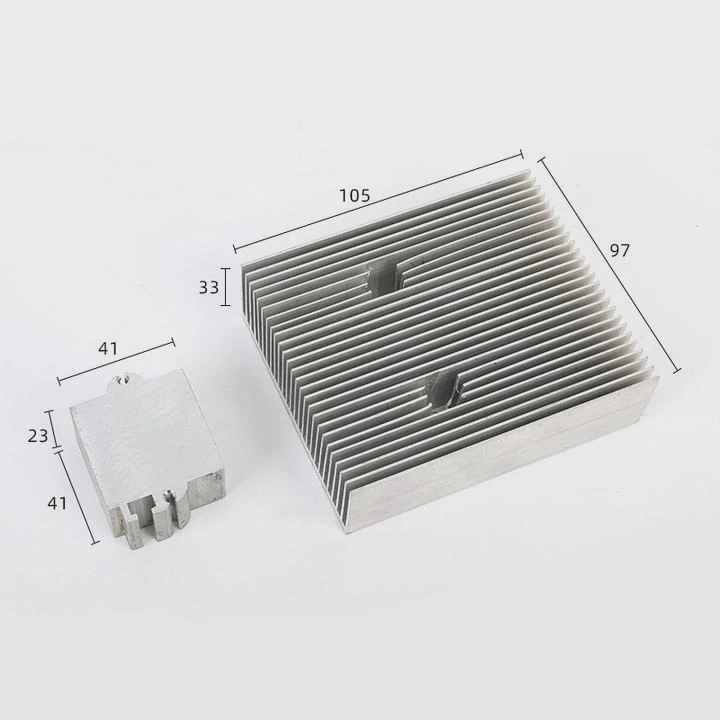
Yes — custom shapes are often required due to the geometry and layout of robot components.
Reasons for custom designs:
- Non-flat surfaces: Joints and arms may require curved or asymmetrical chambers.
- Multiple hotspots: Electronic layouts may demand internal vapor paths to distribute heat.
- Mounting needs: Holes, cutouts, tabs may be needed for integration.
- Weight distribution: Shape affects center of gravity and arm dynamics.
Standard vs Custom:
| Aspect | Standard Vapor Chamber | Custom Vapor Chamber |
|---|---|---|
| Cost | Lower | Higher |
| Lead time | Shorter | Longer |
| Integration | Moderate | Excellent |
| Performance | Adequate | Optimized |
When I work with robotic clients, we often design chambers shaped to fit the control module or actuator housing, with mounting tabs, electrical cutouts, and internal zones tuned for heat sources.
Can Vapor Chambers handle high-frequency duty cycles?
Yes — vapor chambers are capable of handling high-frequency thermal cycling, which is common in robotics.
What to look for:
- Robust wick structure: Ensures liquid return under rapid condensation/evaporation.
- Strong sealing: Maintains vacuum integrity over thousands of thermal cycles.
- Low thermal resistance: Keeps source temperatures stable even during peak loads.
- Vibration resistance: Withstands mechanical shock from moving joints.
Reliability factors:
| Feature | Requirement |
|---|---|
| Thermal cycling tests | 1000+ cycles between 30–80°C |
| Vibration endurance | 5–10g depending on robot class |
| Flatness retention | <50 microns deformation after cycling |
| Mounting pressure | Must stay stable under repeat loads |
For robotics, vapor chambers must handle both static and dynamic loads while keeping temperatures within operating limits. I recommend always testing vapor chambers under real robot motion profiles to verify thermal and mechanical stability.
Conclusion
Vapor chambers offer an efficient, compact, and reliable solution for industrial robotics cooling. They manage concentrated heat, survive dynamic duty cycles, and integrate well into tight robotic spaces. With proper material selection, shape customization, and mounting design, vapor chambers meet the demanding thermal needs of robotic systems—helping them stay precise, fast, and reliable in every cycle.
TAGS
Latest Articles

Volume discount levels for heat sink orders?
Buyers often ask when heat sink prices start to drop with volume. Many worry they’re overpaying for small orders. This guide explains how B2B volume pricing works for thermal components. Heat sink
21 Dec,2025
Heat sink long-term supply contract options?
Many buyers want stable pricing and reliable delivery for heat sinks. But without a clear contract, risks grow over time. This article explores how to secure better long-term supply deals. Long-term
21 Dec,2025
Tooling cost for new heat sink profiles?
Many engineers struggle to understand why tooling for custom heat sinks costs so much. They worry about budgeting and production timelines. This article breaks down the cost drivers behind tooling.
21 Dec,2025
Heat sink custom sample process steps?
Sometimes, starting a custom heat sink project feels overwhelming—too many steps, too many unknowns, and too many risks. You want a sample, but not endless delays. The process for requesting and
20 Dec,2025
Standard B2B terms for heat sink payments?
When buyers and sellers in B2B heat sink markets talk about payment, many don’t fully understand what’s standard. This can lead to delayed orders, miscommunication, and even lost business
20 Dec,2025
Heat sink pricing factors for large orders?
Heat sinks are vital for many systems. When prices rise, projects stall and budgets break. This problem can hit teams hard without warning. Large order heat sink pricing depends on many factors. You
20 Dec,2025Related Articles
- Vapor Chamber performance under vibration?
- Vapor Chamber pressure leak test method?
- Common defects in Vapor Chamber manufacturing?
- Vapor Chamber lifetime expectation?
- Should Vapor Chamber use pure copper?
- Standard thickness of Vapor Chamber copper plate?
- Vapor Chamber recommended brazing method?
- Vapor Chamber Quality Traceability System?
- Vapor Chamber RoHS documentation sample?
- Vapor Chamber REACH SVHC requirements?
- CE marking rules for Vapor Chamber?
- Vapor Chamber shipping restrictions?
Author
Dr. Emily Chen
Chief AI Researcher
Leading expert in thermal dynamics and AI optimization with over 15 years of experience in data center efficiency research.
Categories
Latest Products






Recommend Categories
- Liquid cooling plate Manufacturer
- Industrial Heat Sink Manufacturer
- Standard Heat Sink Manufacturer
- Aluminum Heat Sink Manufacturer
- Copper Heat Sink Manufacturer
- Anodized Heatsink Manufacturer
- Stamping heat sink Manufacturer
- Die Casting Heatsink Manufacturer
- Soldering heat sink Manufacturer
- CNC Parts Manufacturer
Latest Products
- Wholesale Aluminum Radiator
- Water Cooling Plate Kit
- Water Cooling Heat Sink
- Water Cooling Heat Sink Kit
- Stainless Steel Water Distributor
- Server Water Cooling Plate Kit
- Server Liquid Cooling System
- Server Aluminum Cooling Kit
- S19 Full Cover Cooling Plate
- S19 Cooling Plate Kit
- S19 Aluminum Cooling Plate
Contact Expert
Have questions about this article? Reach out to our experts directly.