Vapor Chamber performance under vibration?
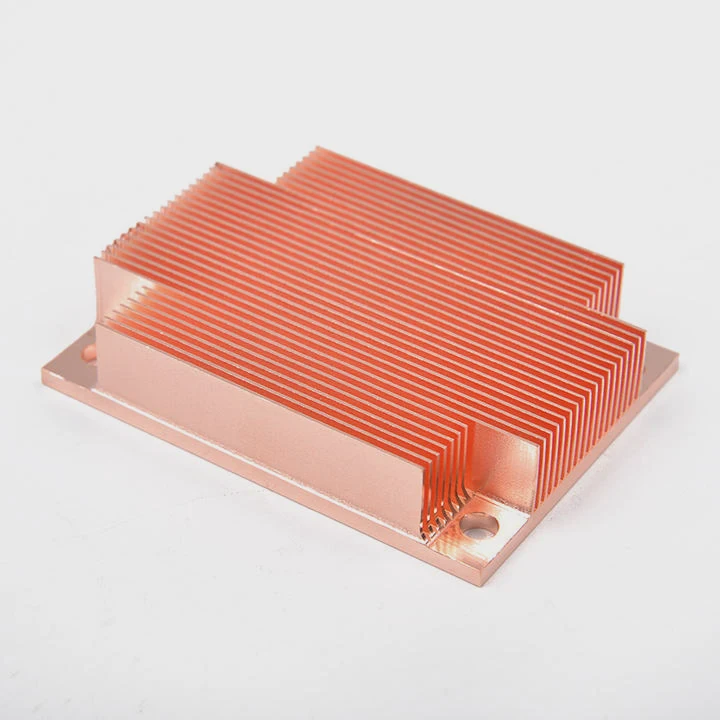
Vibration is a serious reliability challenge for heat-transfer components in demanding applications.
For vapor chambers, vibration can degrade performance by affecting internal fluid dynamics, wick structure, sealing integrity and surface flatness.
Below I walk through how vibration affects vapor chambers, testing practices, internal damage risk and applicable standards.
How does vibration affect Vapor Chamber performance?
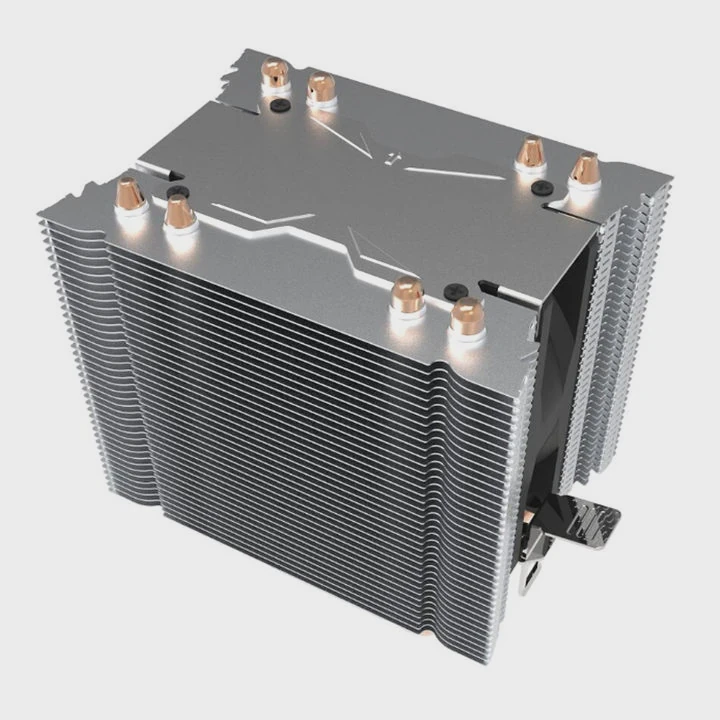
When a vapor chamber is exposed to vibration — such as during transportation, mobile equipment operation, or in aerospace and railway systems — its thermal and structural performance can deteriorate in several ways.
Key impact areas
- Wick and fluid disruption: Vibrations may shift internal working fluid, causing uneven distribution and reducing thermal efficiency.
- Seal fatigue: Repetitive motion stresses brazed or welded seams, increasing risk of micro-leakage and vacuum loss.
- Structure deformation: Vibration can bend or warp the flat chamber, reducing surface contact and spreading effectiveness.
- Mounting interface wear: Friction at mounting points can lead to increased contact resistance, loosening, or misalignment.
Practical impact on thermal systems
- Reduced effective thermal conductivity.
- Increased heat resistance under dynamic loads.
- Higher surface temperatures at load points.
- Shortened lifetime due to fatigue or leaks.
For your business context in high-performance, vibration-prone markets (aerospace, rail, telecom), it’s essential to specify vibration tolerance, ask suppliers for performance stability reports, and include testing in your validation flow.
Are Vapor Chambers tested under simulated vibration loads?
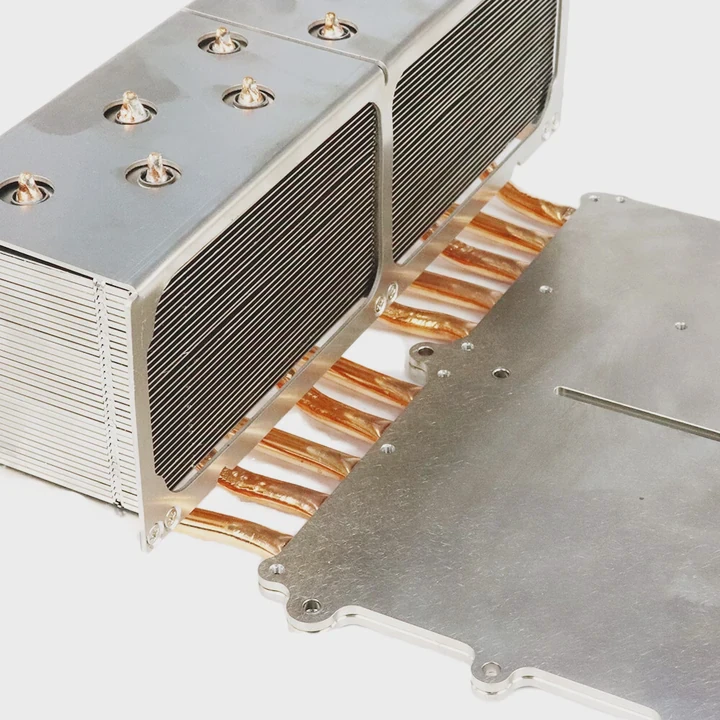
Yes — vapor chambers can be tested using electrodynamic shakers or combined environment chambers to simulate operational vibration.
What these tests involve
- Applying sinusoidal or random vibration over a defined frequency range (e.g., 10–2000 Hz).
- Testing across all axes (X, Y, Z) to simulate real-world conditions.
- Monitoring for physical damage, deformation, and thermal resistance changes post-test.
- Using thermal sensors during or after vibration to detect performance degradation.
Best practices for validation
- Test chambers should represent real mounting positions and loading orientations.
- Thermal test data (before and after vibration) should show resistance variance within accepted limits.
- Combined stress testing (vibration plus thermal cycling) better replicates real conditions.
- Record peak acceleration (g), frequency, duration, and axis of vibration.
For critical industries, it’s best to qualify your vapor chamber with vibration tests early, especially if the component is embedded deep inside thermal modules where later repair is difficult or impossible.
Can vibration cause internal damage to Vapor Chambers?
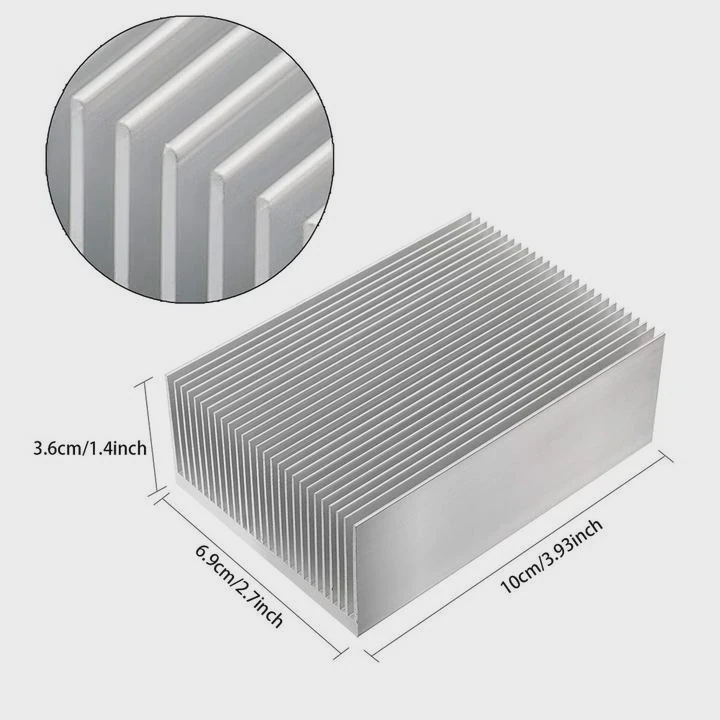
Yes — internal damage from vibration is one of the leading failure modes in poorly designed or under-tested vapor chambers.
Common internal failures
- Wick detachment: Vibration may crack the bond between wick and inner surface, reducing capillary return efficiency.
- Vacuum leaks: Fatigue at welds or seams causes slow loss of pressure, disabling two-phase operation.
- Surface warping: Repeated flexing changes flatness, increasing interface thermal resistance.
- Fluid pooling: Fluid can migrate unevenly, causing dry spots or local overheating under load.
External signs of damage
- Visible deformation or denting.
- Reduced cooling effectiveness.
- Surface discoloration due to overheating.
- Audible internal rattle (in severe cases).
Risk mitigation steps
- Use thicker material or reinforced chamber walls.
- Ensure evenly distributed mounting force.
- Avoid sharp corners or unsupported center areas.
- Specify tested vibration tolerances in supplier drawings.
- Conduct periodic visual and performance inspections if stored or used under mobile conditions.
In high-reliability applications, these risks must be addressed at the design level, not corrected post-failure.
What standards govern Vapor Chamber vibration testing?
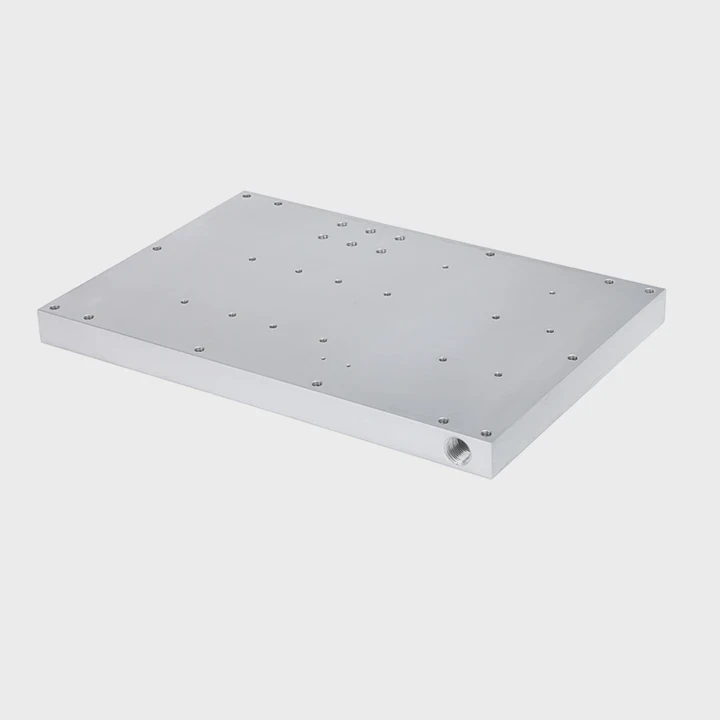
While there are no standards written specifically for vapor chambers, several general vibration test standards are widely used in electronics and mechanical system validation.
Applicable standards
| Standard | Description | Typical Use |
|---|---|---|
| MIL-STD-810 | US military standard for environmental testing | Aerospace, defense modules |
| IEC 60068-2-6 | Sinusoidal vibration testing method | General electronics qualification |
| IEC 60068-2-64 | Random vibration testing | Telecom, transportation equipment |
| RTCA DO-160 | Environmental testing for airborne equipment | Avionics systems |
What to specify in your tests
- Vibration type: sinusoidal or random
- Frequency range: e.g. 10–2000 Hz
- Amplitude/acceleration: e.g. 3–10 g RMS
- Test duration: e.g. 30–60 minutes per axis
- Mounting method: replicate real-use orientation and supports
- Pass criteria: maximum allowable change in flatness, leak rate, or thermal resistance
These standards serve as a reference for building a robust reliability protocol, even if your chamber is part of a larger assembly.
Conclusion
Vapor chambers are susceptible to vibration-related performance loss if not properly designed, tested, or mounted. Vibration can disrupt internal fluid distribution, damage wick structures, deform surfaces, or create leaks — all of which degrade thermal performance. Testing under simulated vibration is essential, especially in aerospace, rail or mobile electronics. By referencing standards like MIL-STD-810 or IEC 60068 and including clear test profiles in your specs, you can ensure reliable chamber operation under real-world vibration stress.
TAGS
Latest Articles

Volume discount levels for heat sink orders?
Buyers often ask when heat sink prices start to drop with volume. Many worry they’re overpaying for small orders. This guide explains how B2B volume pricing works for thermal components. Heat sink
21 Dec,2025
Heat sink long-term supply contract options?
Many buyers want stable pricing and reliable delivery for heat sinks. But without a clear contract, risks grow over time. This article explores how to secure better long-term supply deals. Long-term
21 Dec,2025
Tooling cost for new heat sink profiles?
Many engineers struggle to understand why tooling for custom heat sinks costs so much. They worry about budgeting and production timelines. This article breaks down the cost drivers behind tooling.
21 Dec,2025
Heat sink custom sample process steps?
Sometimes, starting a custom heat sink project feels overwhelming—too many steps, too many unknowns, and too many risks. You want a sample, but not endless delays. The process for requesting and
20 Dec,2025
Standard B2B terms for heat sink payments?
When buyers and sellers in B2B heat sink markets talk about payment, many don’t fully understand what’s standard. This can lead to delayed orders, miscommunication, and even lost business
20 Dec,2025
Heat sink pricing factors for large orders?
Heat sinks are vital for many systems. When prices rise, projects stall and budgets break. This problem can hit teams hard without warning. Large order heat sink pricing depends on many factors. You
20 Dec,2025Related Articles
- Vapor Chamber pressure leak test method?
- Common defects in Vapor Chamber manufacturing?
- Vapor Chamber lifetime expectation?
- Should Vapor Chamber use pure copper?
- Standard thickness of Vapor Chamber copper plate?
- How to choose Vapor Chamber supplier?
- Vapor Chamber for industrial robotics cooling?
- Vapor Chamber recommended brazing method?
- Vapor Chamber Quality Traceability System?
- Vapor Chamber RoHS documentation sample?
- Vapor Chamber REACH SVHC requirements?
- CE marking rules for Vapor Chamber?
Author
Dr. Emily Chen
Chief AI Researcher
Leading expert in thermal dynamics and AI optimization with over 15 years of experience in data center efficiency research.
Categories
Latest Products






Recommend Categories
- Liquid cooling plate Manufacturer
- Industrial Heat Sink Manufacturer
- Standard Heat Sink Manufacturer
- Aluminum Heat Sink Manufacturer
- Copper Heat Sink Manufacturer
- Anodized Heatsink Manufacturer
- Stamping heat sink Manufacturer
- Die Casting Heatsink Manufacturer
- Soldering heat sink Manufacturer
- CNC Parts Manufacturer
Latest Products
- Wholesale Aluminum Radiator
- Water Cooling Plate Kit
- Water Cooling Heat Sink
- Water Cooling Heat Sink Kit
- Stainless Steel Water Distributor
- Server Water Cooling Plate Kit
- Server Liquid Cooling System
- Server Aluminum Cooling Kit
- S19 Full Cover Cooling Plate
- S19 Cooling Plate Kit
- S19 Aluminum Cooling Plate
Contact Expert
Have questions about this article? Reach out to our experts directly.