How much better is liquid cooling vs air cooling?
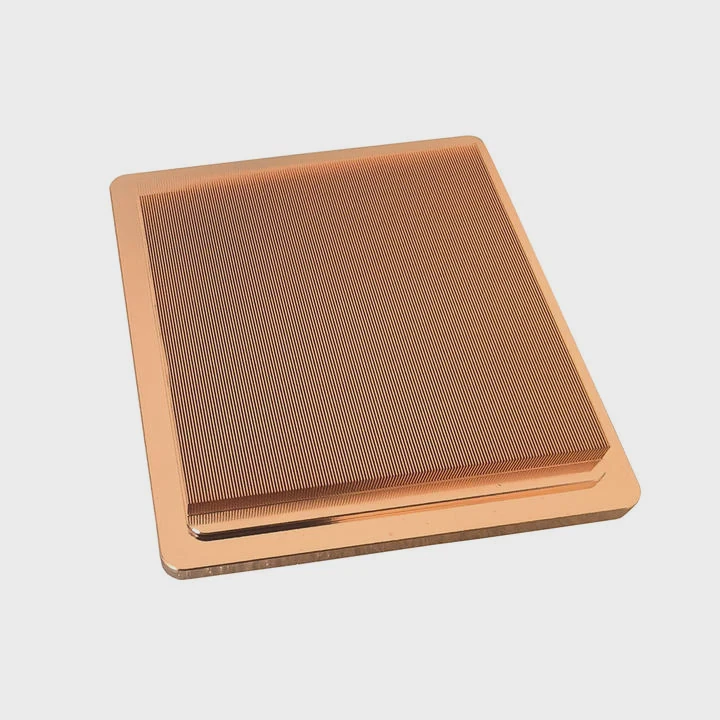
Keeping modern electronics cool is getting harder. Processors, power modules, and energy systems all run hotter in smaller spaces. So people often ask if liquid cooling is really better than traditional air cooling.
Liquid cooling removes heat faster, keeps temperatures more stable, and supports higher power density than air cooling, especially in compact or high-load systems.
I want to walk through the logic behind this, because liquid cooling is not always the only answer. In many projects, air still works. The key is to compare thermal load, space, noise, maintenance, and long-term reliability.
What are the main differences?
Liquid and air cooling follow the same basic law: move heat away from a hot surface and send it to the environment. But the way they move heat is very different.
Air cooling uses fans and heat sinks to push heat into the air, while liquid cooling uses a fluid with higher thermal capacity to move heat to a radiator more efficiently.
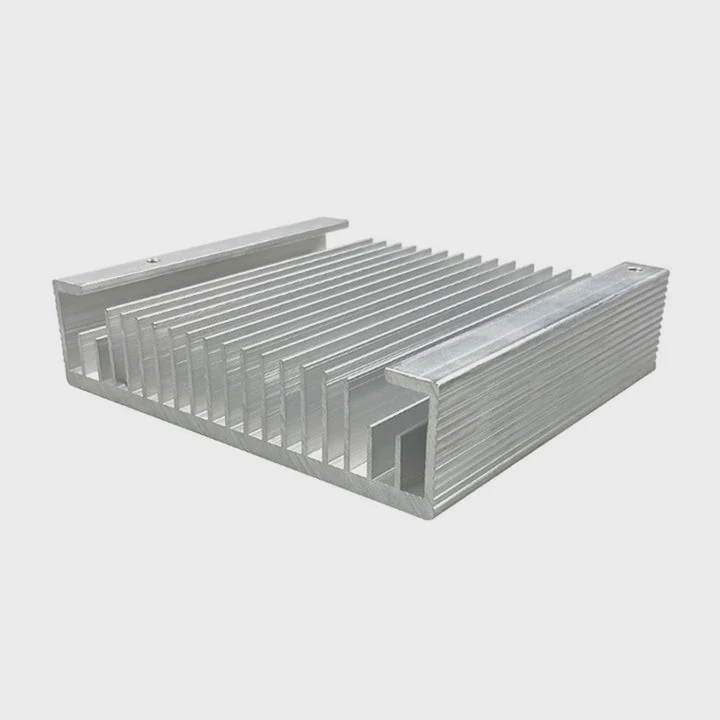
In air cooling, the heat path is simple: device → heat spreader → heat sink → air. A fan increases airflow so that more heat leaves the fins. Air systems are easy to design, easy to maintain, and cheaper. But air has low heat capacity. It cannot carry away a lot of heat from a small area.
Liquid cooling changes the path: device → cold plate or water block → circulating liquid → radiator → air. The ambient air still removes the final heat, but now the liquid transports it first. Because liquids like water or glycol carry heat much better than air, they can take heat from very hot spots and move it somewhere else. This allows flexible layout, like putting the radiator away from the electronics.
Here is a simple comparison:
| Parameter | Air Cooling | Liquid Cooling |
|---|---|---|
| Heat Capacity | Low | High |
| Install Complexity | Low | Medium to High |
| Best For | Low to medium power | Medium to very high power |
| Noise Level | Often higher (more fans) | Can be lower |
| Space Flexibility | Limited near device | Flexible with remote radiator |
So, the key difference is not only “liquid is better,” but “liquid gives more control over where and how to remove heat.” That matters a lot in dense electronics, EV battery packs, laser modules, and high-performance computing.
What are the performance improvements?
When people ask “how much better,” they usually mean: will my device run cooler or more stable if I use liquid cooling?
Liquid cooling can lower core temperature by several to tens of degrees Celsius compared to air cooling under the same thermal load, especially in high-power or high-density equipment.
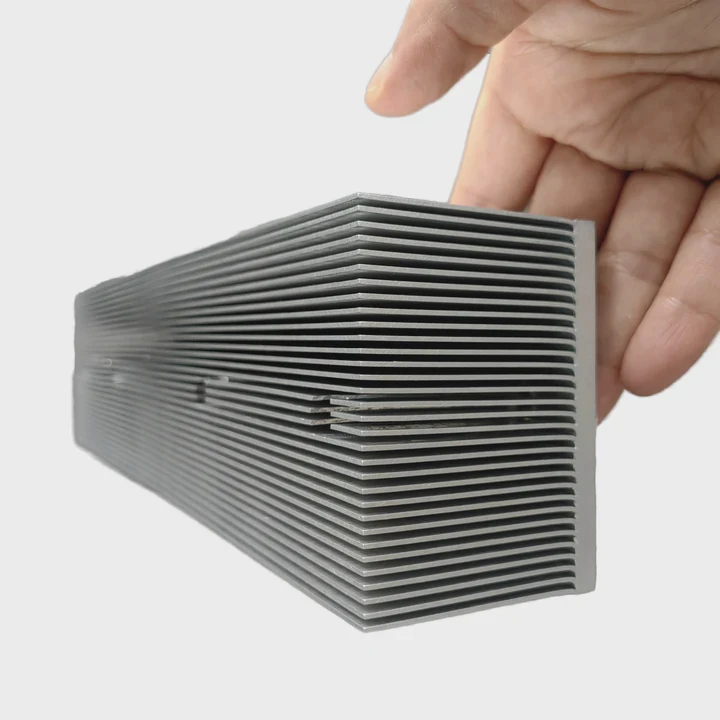
In air-cooled setups, the temperature rise depends on airflow speed and heat sink surface area. When the power goes up, we add bigger heat sinks and stronger fans. But this quickly reaches a limit. You cannot always make the heat sink bigger. You cannot always blast more air in a closed box. And high-speed fans make noise and draw power.
Liquid cooling breaks that limit. Because the coolant absorbs more heat per unit volume, the device temperature stays lower for longer. A well-designed liquid cold plate can spread heat evenly, so there are fewer hot spots. This is important for electronics where even a 5–10°C drop in junction temperature improves reliability and service life.
Why liquid shows better results
- Higher thermal conductivity path – the cold plate is usually aluminum or copper, so heat goes quickly into the liquid.
- Higher specific heat of coolant – water can absorb about 4x more heat than air for the same temperature rise.
- Better temperature uniformity – components cooled in parallel keep closer temperatures, which helps matching and safety.
- Remote heat rejection – the radiator can be large and placed in a cool zone, so it is not limited by the local space.
In real industrial equipment, I often see liquid cooling enabling:
- Higher continuous load instead of derating
- Quieter operation because we do not need high-RPM blowers
- More compact enclosures with sealed designs
So, the performance improvement is not only a number on a chart. It is the ability to run the system at the intended power, in the intended space, without thermal throttling.
How to measure efficiency between both?
When comparing liquid and air cooling, many people only look at temperature. That is important, but it is not the whole story.
You can measure cooling efficiency by looking at temperature rise (ΔT), thermal resistance, power consumption of the cooling system, noise, and stability over time.
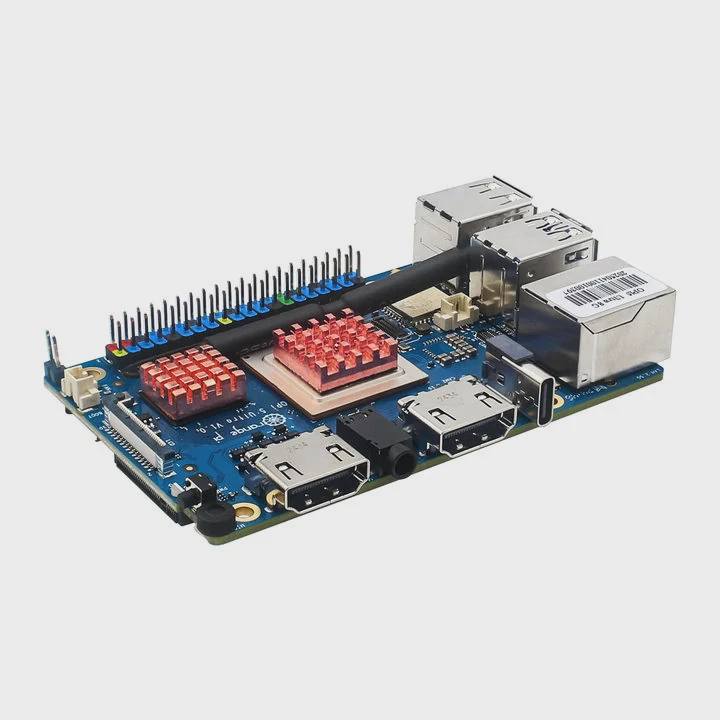
To make a fair comparison, we need to define the same test conditions:
- Same ambient temperature
- Same heat load (for example 500 W from a power module)
- Same enclosure or airflow restrictions
- Same operating time
After that, we track several indicators.
Key indicators to compare
ΔT = T_device − T_ambient
The smaller this value, the better. Liquid systems usually have lower ΔT at high loads.Thermal resistance (°C/W)
This is T_rise divided by power. A liquid cold plate can have much lower °C/W than a finned air heat sink, especially when the surface area is limited.System power consumption
Air systems use fan power. Liquid systems use pump + fans on the radiator. Sometimes liquid uses more, but the cooling effect is also higher. We can calculate W of cooling per W of system power.Noise and vibration
This is often ignored, but in medical, laboratory, and telecom equipment, low noise is a must. Liquid helps by allowing slower, larger fans.Stability over time
Air cooling performance drops when dust clogs the fins. Liquid cooling performance drops when coolant degrades or flow is blocked. So, we must consider maintenance cycles.
Here is a simple way to organize it:
| Metric | Air Cooling Measurement | Liquid Cooling Measurement |
|---|---|---|
| ΔT at 500 W | Higher, sensitive to airflow | Lower, more stable |
| Thermal Resistance | 0.05–0.1°C/W typical | 0.01–0.05°C/W possible |
| System Power | 5–30 W for fans | 10–60 W for pump + fans |
| Noise | Medium to high | Low to medium |
| Maintenance | Dust cleaning | Coolant check/filtering |
When I evaluate a system, I also look at cost per watt of heat removed. Sometimes air is cheaper if the power level is low. But when power keeps growing, liquid soon becomes more economical over the full lifecycle because it prevents thermal failures.
What are the innovations in cooling performance?
Cooling is not standing still. As power density goes up, engineers are inventing ways to make liquid and even air systems smarter.
New innovations include microchannel cold plates, dielectric immersion, two-phase liquid cooling, and intelligent pumps that adjust flow based on real-time temperature.
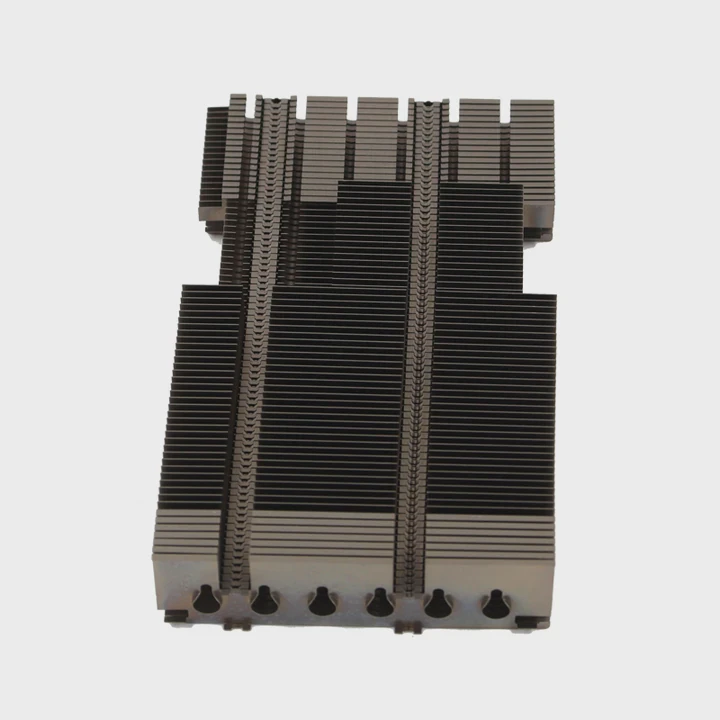
One major trend is microchannel technology. Instead of a simple serpentine liquid path, cold plates are now made with very fine channels. These increase the surface area that touches the fluid. More contact means faster heat transfer. This allows smaller plates to handle higher heat flux, which is common in inverters, laser heads, and battery modules.
Another innovation is two-phase cooling. In this method, the fluid absorbs heat and changes from liquid to vapor. This phase change absorbs a lot of energy. Then it condenses back in a cooler part of the system. This is more complex, but it delivers very powerful cooling in small volumes.
We also see more integrated thermal modules. Instead of separate pump, radiator, and cold plate, manufacturers provide one module with sensors, pressure relief, and control logic. This reduces installation time and ensures proper flow. It also allows automatic alarm if flow drops or temperature spikes.
In air cooling, innovation continues with:
- High-fin-density extrusions
- Vapor chamber + heat sink combos
- Low-noise, high-static-pressure fans
- Better CFD-based fin design to reduce dead zones
But overall, most innovation energy is going into liquid-based solutions because that is where future high-power electronics are heading. Liquid gives more variables to optimize: flow rate, channel geometry, coolant type, radiator size, and even hybrid systems that combine liquid cold plates with phase-change materials for peak shaving.
Conclusion
Liquid cooling is better than air cooling when the system needs high, continuous, or very stable thermal performance in a limited space. Air cooling still wins for simplicity and low cost. To choose well, we should always measure real ΔT, thermal resistance, power consumption, and service needs. Cooling technology is moving toward smarter, more compact, and more efficient liquid systems, so future designs will make this choice even clearer.
TAGS
Latest Articles

Volume discount levels for heat sink orders?
Buyers often ask when heat sink prices start to drop with volume. Many worry they’re overpaying for small orders. This guide explains how B2B volume pricing works for thermal components. Heat sink
21 Dec,2025
Heat sink long-term supply contract options?
Many buyers want stable pricing and reliable delivery for heat sinks. But without a clear contract, risks grow over time. This article explores how to secure better long-term supply deals. Long-term
21 Dec,2025
Tooling cost for new heat sink profiles?
Many engineers struggle to understand why tooling for custom heat sinks costs so much. They worry about budgeting and production timelines. This article breaks down the cost drivers behind tooling.
21 Dec,2025
Heat sink custom sample process steps?
Sometimes, starting a custom heat sink project feels overwhelming—too many steps, too many unknowns, and too many risks. You want a sample, but not endless delays. The process for requesting and
20 Dec,2025
Standard B2B terms for heat sink payments?
When buyers and sellers in B2B heat sink markets talk about payment, many don’t fully understand what’s standard. This can lead to delayed orders, miscommunication, and even lost business
20 Dec,2025
Heat sink pricing factors for large orders?
Heat sinks are vital for many systems. When prices rise, projects stall and budgets break. This problem can hit teams hard without warning. Large order heat sink pricing depends on many factors. You
20 Dec,2025Related Articles
- Do You Need Liquid Cooling to Overclock?
- How to install Cooler Master liquid cooler?
- How to check liquid cooling?
- Do you need thermal paste for liquid cooling CPU?
- How to liquid cool your GPU?
- Where to install liquid cooler for best performance?
- Is Liquid Cooling Worth It for PC?
- How to set up a liquid cooling system?
- Where to buy liquid cooling parts?
- How to make an air-cooled engine liquid-cooled?
- How does liquid cooling CPU work?
- Do AIO coolers ever run out of liquid?
Author
Dr. Emily Chen
Chief AI Researcher
Leading expert in thermal dynamics and AI optimization with over 15 years of experience in data center efficiency research.
Categories
Latest Products






Recommend Categories
- Liquid cooling plate Manufacturer
- Industrial Heat Sink Manufacturer
- Standard Heat Sink Manufacturer
- Aluminum Heat Sink Manufacturer
- Copper Heat Sink Manufacturer
- Anodized Heatsink Manufacturer
- Stamping heat sink Manufacturer
- Die Casting Heatsink Manufacturer
- Soldering heat sink Manufacturer
- CNC Parts Manufacturer
Latest Products
- Wholesale Aluminum Radiator
- Water Cooling Plate Kit
- Water Cooling Heat Sink
- Water Cooling Heat Sink Kit
- Stainless Steel Water Distributor
- Server Water Cooling Plate Kit
- Server Liquid Cooling System
- Server Aluminum Cooling Kit
- S19 Full Cover Cooling Plate
- S19 Cooling Plate Kit
- S19 Aluminum Cooling Plate
Contact Expert
Have questions about this article? Reach out to our experts directly.