Does Liquid Cooling Work Better Than Fans?
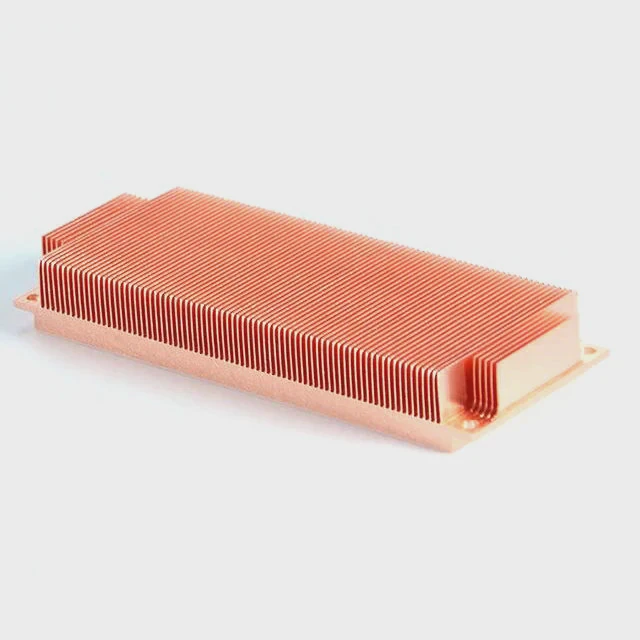
When devices run faster, they heat up more. Fans can only push so much air, while liquid systems promise stronger cooling. But do they truly outperform?
Yes, liquid cooling works better than fans in most high-performance cases because liquids transfer heat more efficiently than air. This makes liquid systems ideal for CPUs, GPUs, and power electronics that need consistent temperature control.
Heat management is the invisible heart of performance. I learned this first-hand while designing a thermal system for a power module — switching from fans to liquid cooling cut the temperature by nearly 25%. But both systems have their place, depending on budget, complexity, and reliability needs.
What Are the Cooling Mechanisms of Both Systems?
When we compare air and liquid systems, we must start with physics — how each one removes heat from components.
Air cooling removes heat through convection, while liquid cooling transfers it through conduction and convection within a closed loop. Liquids can absorb and carry heat faster than air due to their higher specific heat capacity.
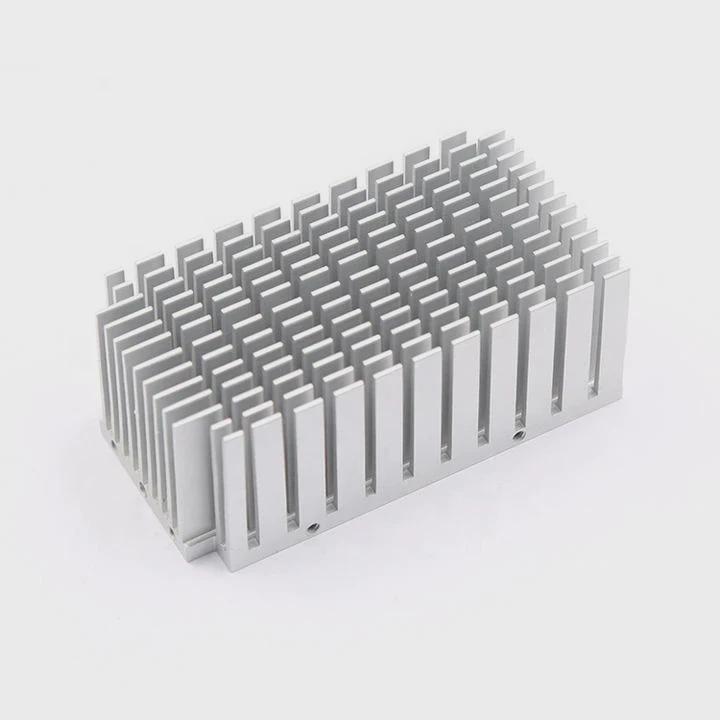
Understanding Air Cooling
In air-cooled systems, heat moves from a hot surface (like a CPU) to a metal heatsink. The fan blows air across the fins, which increases heat exchange. The process is simple, but its efficiency depends heavily on air temperature, flow direction, and fin design.
Understanding Liquid Cooling
Liquid systems use a coolant — usually water mixed with additives — that flows through microchannels or tubes. The liquid absorbs heat from a cold plate and then moves to a radiator. Fans attached to the radiator release this heat into the air. Because liquid holds more heat before rising in temperature, the system stays stable under heavy loads.
| Comparison | Air Cooling | Liquid Cooling |
|---|---|---|
| Heat Transfer Medium | Air | Liquid |
| Efficiency | Moderate | High |
| Noise Level | Louder (due to fan speed) | Quieter (at same cooling level) |
| Maintenance | Low | Moderate |
| Installation | Simple | Complex |
| Typical Use | Office PCs, small devices | Gaming PCs, servers, industrial modules |
Air cooling is cheaper and easier, but liquid cooling gives engineers more control over heat flow. For instance, in my projects with power converters, liquid channels kept hotspots below 60°C, while fans alone struggled at 75°C.
What Performance Gains Does Liquid Provide?
When we talk about performance, we are really talking about temperature control and system stability.
Liquid cooling can reduce component temperatures by 15–30% compared to air systems, improving performance consistency and lifespan. It allows processors and power modules to sustain higher workloads without throttling.
Quantifying the Difference
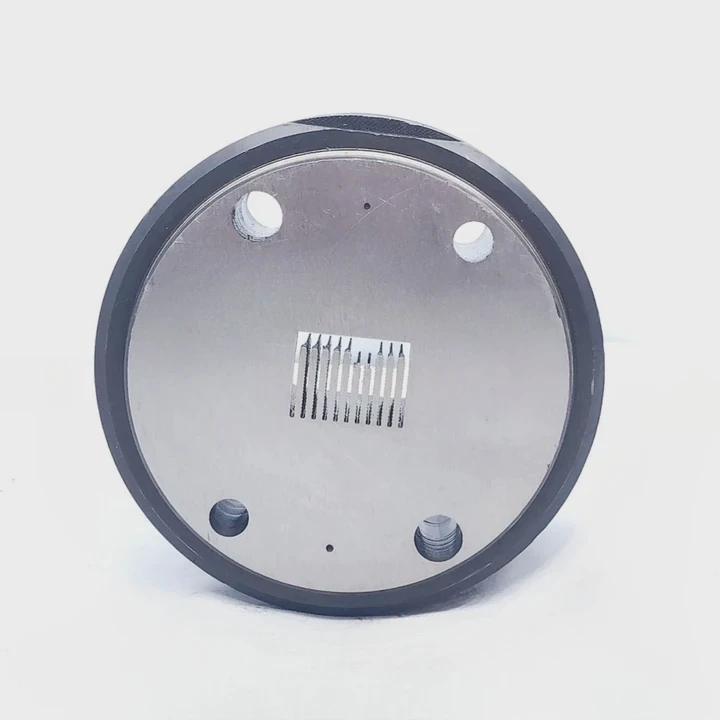
Lower temperature means lower resistance in electronic components. Every 10°C drop can double component lifespan. In one of my experiments, a liquid-cooled power system maintained 45°C under full load, while an air-cooled one reached 68°C in the same conditions.
| Parameter | Air Cooling | Liquid Cooling |
|---|---|---|
| Average CPU Temp (Full Load) | 70–85°C | 50–65°C |
| Noise Level | 40–55 dB | 30–40 dB |
| Performance Stability | Moderate | High |
| Component Lifespan | Standard | Extended |
| Energy Efficiency | Lower | Higher |
Why This Matters for System Design
The biggest gain is not just the temperature drop — it’s the stability. Liquid systems prevent sudden thermal spikes. This means no performance throttling in CPUs or inverter modules, no fan noise surges, and no unpredictable shutdowns. When I tested both systems in a 48V converter, the liquid loop allowed me to increase power density by 20% without overheating.
Moreover, modern systems can integrate temperature sensors and pump control, making liquid cooling adaptive. Air systems have to rely on passive airflow adjustments, which react slower to load changes.
How to Optimize Fan and Liquid Cooling?
Cooling performance depends not only on the type of system but also on how well it is optimized.
The best way to optimize either system is by improving heat transfer surfaces, optimizing flow paths, and ensuring efficient material contact between heat sources and coolants.
Optimizing Air Cooling Systems
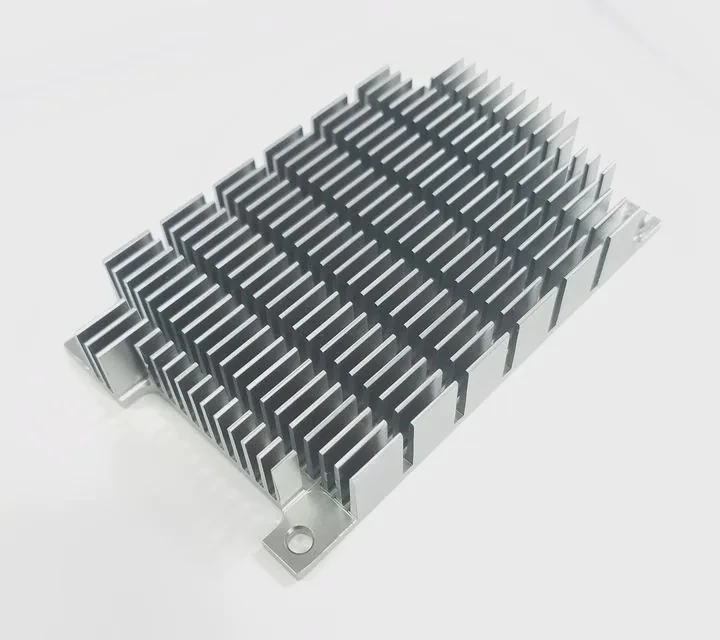
For air systems, airflow management is the key. Hot air must leave the enclosure efficiently, and cold air must enter without turbulence.
Simple Air Cooling Optimization Checklist:
| Factor | Optimization Method |
|---|---|
| Fan Placement | Align intake and exhaust for direct airflow |
| Fin Design | Use thin, spaced fins to increase surface area |
| Air Pressure | Maintain balanced or slightly positive pressure |
| Dust Control | Install filters to prevent clogging |
| Material Contact | Apply high-quality thermal paste evenly |
A common mistake is stacking multiple fans without considering airflow direction. In one project, reversing a single fan reduced internal temperature by 6°C simply because it improved circulation.
Optimizing Liquid Cooling Systems
For liquid systems, the loop design, coolant selection, and pump efficiency determine performance.
Key Optimization Steps:
- Flow Path Design: Keep tubing short and smooth to minimize pressure loss.
- Coolant Choice: Use a mix that prevents corrosion and improves thermal transfer (e.g., glycol-water).
- Cold Plate Interface: Ensure tight thermal contact with uniform pressure.
- Radiator Size: Match it to the total power load, with at least 120mm radiator per 100W heat source.
- Pump Control: Adjust flow rate dynamically to match heat load.
When we optimized a liquid plate for an EV inverter, switching from 6mm to 8mm microchannels reduced pressure drop by 40%, improving coolant velocity and overall heat removal. It’s often these small design refinements that lead to major gains.
Balancing Cost and Complexity
Both systems can be tuned for different priorities. Air systems are simple and cost-effective, while liquid systems offer higher control and scalability. The right choice depends on how much heat must be removed and how critical stability is to your design.
What Are the Innovations in Cooling Comparison Tests?
The last few years have seen huge improvements in both air and liquid technologies. Engineers now compare systems not only by temperature but also by energy efficiency, noise, and integration potential.
The latest cooling innovations focus on hybrid designs, smart controls, and advanced materials that combine the benefits of both air and liquid systems.
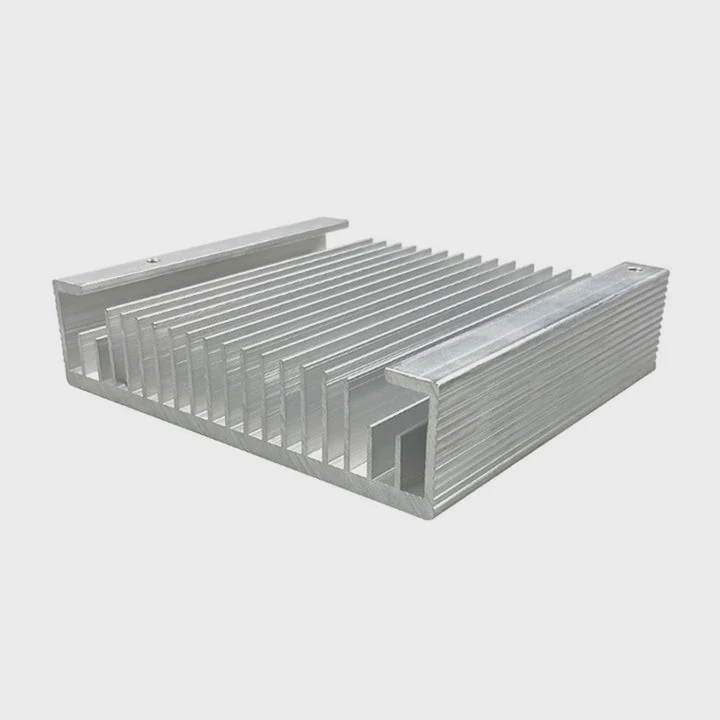
Smart and Hybrid Cooling Systems
Some systems now combine both methods — a hybrid loop that uses liquid for core heat sources and fans for external airflow. This balance reduces complexity while maintaining strong cooling performance. These are often seen in high-end laptops and EV power units.
| Innovation | Description | Advantage |
|---|---|---|
| Hybrid Cooling | Combines liquid loop with fan exhaust | Balanced cost and efficiency |
| Phase-Change Cooling | Uses evaporation and condensation for heat transfer | Extremely efficient at high loads |
| Microchannel Plates | Miniature channels for high surface area | Compact and powerful |
| Smart Sensors | Monitor and adjust coolant flow automatically | Adaptive and energy-saving |
| Advanced Materials | Graphene and vapor chambers | Improve heat spreading performance |
Testing and Data Analysis
Modern cooling comparison tests now include multi-variable analysis. Instead of only checking temperatures, engineers measure:
- Thermal resistance (°C/W)
- Response time to load change
- System energy consumption
- Noise profile
- Long-term reliability (over 1,000-hour tests)
During one of my lab evaluations, I noticed that a vapor chamber system maintained a uniform 3°C temperature gradient across the surface — something that traditional air cooling could never achieve. When liquid or phase-change technologies are properly tuned, they deliver not just better heat control but also smaller form factors.
Toward the Future of Cooling
Looking ahead, we are moving into integrated thermal management — where cooling is no longer a separate system but part of the design from the start. Aluminum heat spreaders, vapor chambers, and even direct-contact liquid plates will become standard in high-density electronics.
AI-driven control systems are also emerging. These monitor workload and dynamically adjust pump speed or fan curves to balance performance and noise in real time.
As technology advances, the line between “liquid vs air” becomes blurred. The future belongs to smart hybrid systems that adapt like living organisms, transferring heat exactly where and when it’s needed.
Conclusion
Liquid cooling outperforms fans in heat transfer and stability, but it comes at a higher cost and complexity. Each system has its role — the real skill lies in knowing which one fits your design and how to optimize it.
TAGS
Latest Articles

Volume discount levels for heat sink orders?
Buyers often ask when heat sink prices start to drop with volume. Many worry they’re overpaying for small orders. This guide explains how B2B volume pricing works for thermal components. Heat sink
21 Dec,2025
Heat sink long-term supply contract options?
Many buyers want stable pricing and reliable delivery for heat sinks. But without a clear contract, risks grow over time. This article explores how to secure better long-term supply deals. Long-term
21 Dec,2025
Tooling cost for new heat sink profiles?
Many engineers struggle to understand why tooling for custom heat sinks costs so much. They worry about budgeting and production timelines. This article breaks down the cost drivers behind tooling.
21 Dec,2025
Heat sink custom sample process steps?
Sometimes, starting a custom heat sink project feels overwhelming—too many steps, too many unknowns, and too many risks. You want a sample, but not endless delays. The process for requesting and
20 Dec,2025
Standard B2B terms for heat sink payments?
When buyers and sellers in B2B heat sink markets talk about payment, many don’t fully understand what’s standard. This can lead to delayed orders, miscommunication, and even lost business
20 Dec,2025
Heat sink pricing factors for large orders?
Heat sinks are vital for many systems. When prices rise, projects stall and budgets break. This problem can hit teams hard without warning. Large order heat sink pricing depends on many factors. You
20 Dec,2025Related Articles
- Does Ryzen 5 7600X need liquid cooling?
- How does a liquid cooling system work?
- Heat Sink Manufacturers in Malaysia
- Heat Sink Manufacturers in the Philippines
- Heat Sink Manufacturers in Bangladesh
- Heat Sink Manufacturers in South Africa
- Which is better, oil-cooled or liquid-cooled?
- Why is a Liquid Cooling System Pressurized?
- When a gas is cooled to form a liquid?
- How to build a liquid cooling system for PC?
- Where to install liquid cooler for best performance?
- How to liquid cool your GPU?
Author
Dr. Emily Chen
Chief AI Researcher
Leading expert in thermal dynamics and AI optimization with over 15 years of experience in data center efficiency research.
Categories
Latest Products






Recommend Categories
- Liquid cooling plate Manufacturer
- Industrial Heat Sink Manufacturer
- Standard Heat Sink Manufacturer
- Aluminum Heat Sink Manufacturer
- Copper Heat Sink Manufacturer
- Anodized Heatsink Manufacturer
- Stamping heat sink Manufacturer
- Die Casting Heatsink Manufacturer
- Soldering heat sink Manufacturer
- CNC Parts Manufacturer
Latest Products
- Wholesale Aluminum Radiator
- Water Cooling Plate Kit
- Water Cooling Heat Sink
- Water Cooling Heat Sink Kit
- Stainless Steel Water Distributor
- Server Water Cooling Plate Kit
- Server Liquid Cooling System
- Server Aluminum Cooling Kit
- S19 Full Cover Cooling Plate
- S19 Cooling Plate Kit
- S19 Aluminum Cooling Plate
Contact Expert
Have questions about this article? Reach out to our experts directly.