Why is a Liquid Cooling System Pressurized?
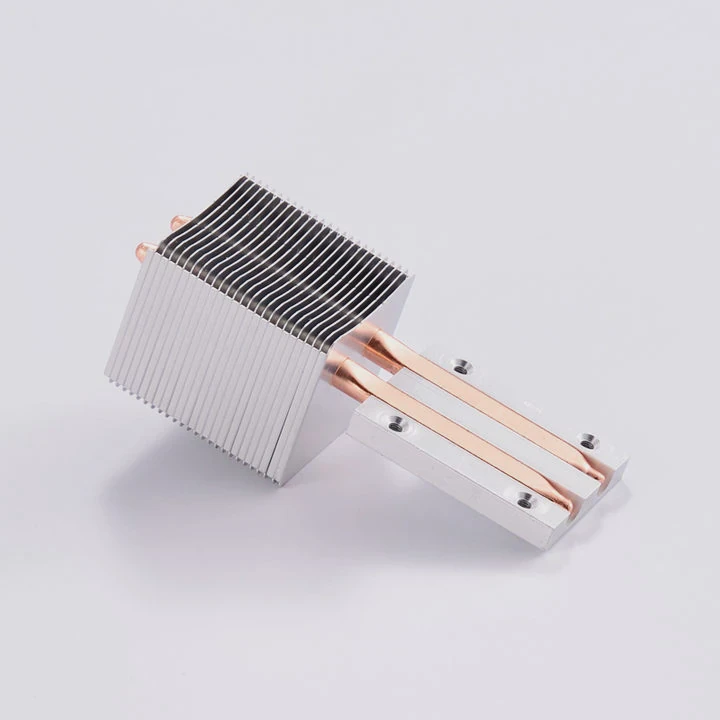
When a cooling system fails to manage heat, performance drops and equipment risks damage. Many engineers wonder: why do we pressurize a liquid cooling system?
A liquid cooling system is pressurized to increase the boiling point of the coolant, prevent vapor formation, and improve system stability under high heat loads.
Without proper pressure control, liquid may vaporize too early, forming bubbles that reduce heat transfer. Pressurization ensures liquid remains stable even at elevated temperatures, keeping devices safe and efficient.
What is System Pressurization?
When we talk about a pressurized cooling system, we mean the deliberate use of a sealed design to increase internal pressure. This allows the liquid to stay in a stable state even when the temperature rises.
System pressurization means maintaining internal coolant pressure above atmospheric level to raise the boiling point and stabilize flow within the system.
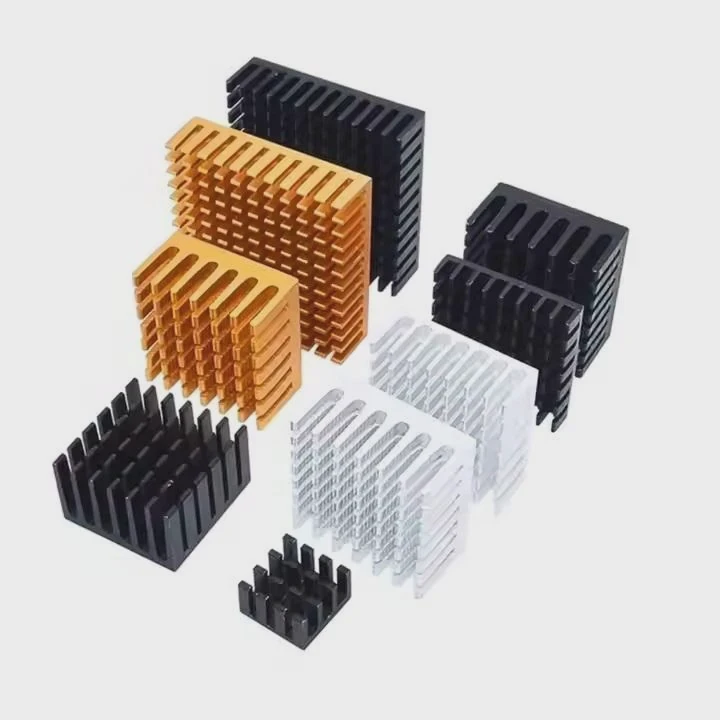
In simple terms, it is similar to how a pressure cooker works — higher pressure keeps the fluid from boiling too soon. In engineering, the principle is used to manage thermal loads more effectively, especially in compact or high-performance systems like EV battery packs, data centers, and semiconductor modules.
Why Pressure Matters in Fluid Systems
Under normal atmospheric pressure, water boils at 100°C. But when pressure rises, the boiling point increases — for instance, at 2 bar it becomes about 120°C. This means the liquid can absorb more heat before vaporizing, enabling a greater thermal safety margin.
The main goals of system pressurization are:
| Purpose | Description |
|---|---|
| Increase boiling point | Allows operation at higher temperatures without vapor lock |
| Prevent cavitation | Avoids bubble formation that damages pumps and blocks flow |
| Improve thermal stability | Keeps the coolant consistent under varying loads |
| Enhance reliability | Reduces stress on seals and mechanical parts |
Key Components of a Pressurized System
- Expansion Tank: Absorbs fluid volume changes during heating and cooling.
- Pressure Cap or Relief Valve: Controls maximum pressure to prevent damage.
- Sealed Circuit: Ensures minimal leakage and maintains constant pressure.
- Sensors: Monitor pressure in real-time for safety and diagnostics.
In industrial environments, system pressurization is often automated using electronic control loops that maintain a precise pressure range. This design approach is especially important for systems operating in fluctuating ambient conditions or under continuous duty cycles.
What Benefits Does It Provide for Cooling?
Without pressurization, even the best cooling designs can face efficiency loss due to vaporization or pump cavitation. The main benefits come from better heat transfer, longer life, and improved reliability.
Pressurization enhances heat transfer, prevents boiling, stabilizes pump operation, and extends component lifespan.
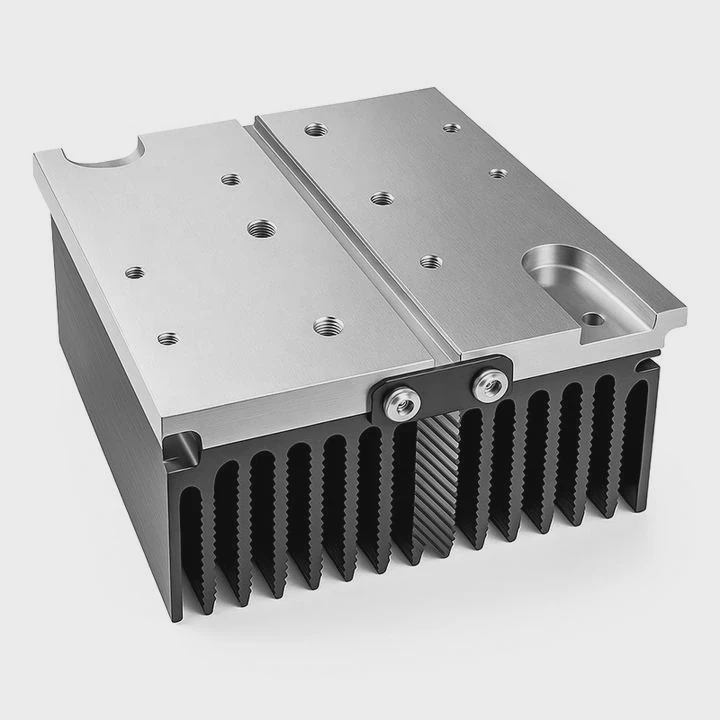
1. Improved Heat Transfer
When the coolant remains in a pure liquid state, it maintains full contact with heat exchange surfaces. This ensures maximum thermal conductivity between the component and the liquid. Once bubbles appear, they create insulating pockets that dramatically reduce heat transfer efficiency.
2. Prevention of Boiling and Cavitation
Boiling and cavitation are two common problems in open systems. Both generate vapor bubbles, which can erode pump impellers and block narrow channels. Pressurization prevents these issues by ensuring the coolant never reaches its vaporization point under normal operation.
3. Increased System Efficiency
A stable coolant phase means predictable performance. This allows engineers to fine-tune flow rates, pump speeds, and radiator dimensions with greater accuracy. The entire thermal system can then run closer to its design limits safely.
4. Reduced Maintenance and Downtime
Because a pressurized system is sealed, it minimizes contamination from dust and air. This slows down corrosion and oxidation, reducing maintenance frequency. In industrial or aerospace systems, this reliability translates directly to cost savings and reduced downtime.
5. Compact System Design
When pressure raises the boiling point, designers can use smaller radiators or reduce coolant volume. This advantage supports the ongoing trend toward miniaturization in electronics, power modules, and high-density computing systems.
Comparison Between Non-Pressurized and Pressurized Systems
| Feature | Non-Pressurized System | Pressurized System |
|---|---|---|
| Boiling Point | ~100°C | 110–130°C (depending on pressure) |
| Risk of Cavitation | High | Very low |
| Maintenance | Frequent refilling, leaks possible | Sealed and stable |
| Efficiency | Variable | Consistent |
| Design Flexibility | Limited by boiling | Extended operating range |
In my experience designing thermal modules for energy storage units, pressurization not only stabilized cooling but also allowed the use of thinner channels and smaller pumps — an essential factor for lightweight and cost-effective systems.
How to Maintain Pressure Stability?
Even a well-designed system can lose pressure over time due to thermal cycling or minor leakage. Maintaining pressure stability is crucial for consistent cooling performance.
Pressure stability is maintained by using expansion tanks, relief valves, sensors, and regular inspection to prevent leaks and manage fluid volume changes.

Understanding Pressure Balance
As temperature rises, the coolant expands. Without space to expand, system pressure could exceed safety limits. The expansion tank compensates for this change by absorbing or releasing fluid volume, keeping pressure within a safe range.
Common Techniques for Stability
1. Use of Expansion Tanks
Expansion tanks are partly filled with gas (usually nitrogen or air) separated by a diaphragm. When coolant expands, it compresses the gas side, balancing system pressure automatically.
2. Pressure Relief Valves
These valves act as a safety measure, releasing small amounts of coolant or gas if pressure exceeds the set threshold. This prevents damage to seals and tubing.
3. Pressure Sensors and Control Loops
In advanced cooling systems — such as those used in EVs or data centers — pressure sensors connect to electronic controllers. These adjust pump speed or valve position to maintain ideal conditions dynamically.
4. Regular Inspection and Maintenance
Checking connections, fittings, and seals for leaks is vital. Even a minor leak can alter system balance, causing pressure drops or air ingress. Using torque-controlled fittings and quality seals ensures long-term reliability.
Practical Maintenance Steps
- Check pressure at ambient temperature monthly.
- Replace coolant according to manufacturer recommendations.
- Inspect relief valves annually.
- Test for micro-leaks with nitrogen or helium gas.
Example: Automotive Battery Cooling
In electric vehicles, battery cooling circuits are pressurized typically between 1.2 and 1.5 bar. The pressure cap regulates this value. If it drops below the minimum level, an onboard sensor alerts the user to prevent overheating or pump cavitation.
Maintaining pressure stability ensures that temperature distribution across modules remains uniform, avoiding hot spots that could shorten component lifespan.
What Are the Engineering Trends in Cooling Systems?
As electronics become denser and power levels climb, traditional air cooling no longer meets the thermal demands of modern applications. Pressurized liquid cooling is becoming the standard across many industries.
Current engineering trends focus on smart pressurization, compact heat exchangers, eco-friendly coolants, and modular thermal management integration.
Trend 1: Smart Pressure Control Systems
Next-generation systems include digital pressure regulation using sensors and microcontrollers. These smart loops adjust pump speed or valve position in real time to maintain stable pressure across varying loads. This approach reduces energy consumption and improves reliability.
Trend 2: Advanced Materials
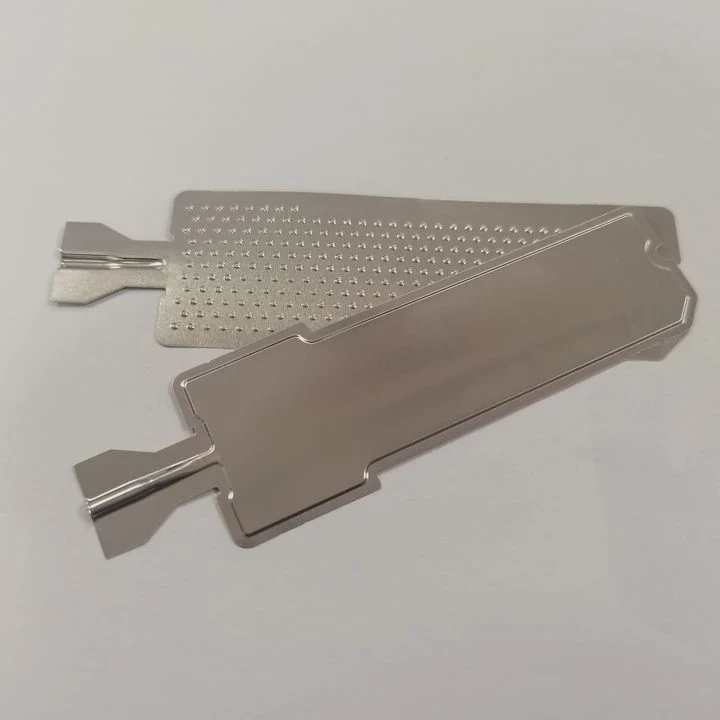
The use of lightweight aluminum alloys, graphene-enhanced surfaces, and microchannel plates allows better heat spreading while keeping weight low. These materials can handle higher internal pressures without deformation.
Trend 3: Eco-Friendly Coolants
New coolant formulations aim to replace traditional glycols with low-toxicity, biodegradable liquids. Some research focuses on dielectric fluids that combine high thermal conductivity with electrical insulation, ideal for direct chip immersion cooling.
Trend 4: Integration with Phase-Change Technologies
Engineers are combining liquid pressurization with phase-change materials (PCMs) or vapor chambers. These hybrid designs improve transient thermal performance, absorbing peak heat loads quickly before the liquid system takes over steady cooling.
Trend 5: Modular and Scalable Design
Industries like aerospace and data centers are adopting modular thermal units that include built-in pressurization. This makes them easier to assemble, maintain, and scale. For example, a modular cold plate can be replaced or upgraded without reconfiguring the whole system.
Trend 6: Predictive Maintenance via AI
Artificial intelligence models now analyze sensor data from pumps and valves to predict when pressure or temperature drift occurs. This enables proactive maintenance instead of reactive repair, minimizing downtime.
Key Innovations Shaping the Future
| Innovation | Description | Benefit |
|---|---|---|
| Digital pressure regulation | Uses sensors and controllers to maintain dynamic balance | Real-time optimization |
| Hybrid liquid-phase systems | Combines PCM and liquid circuits | Handles peak and steady loads |
| Additive manufacturing | Produces custom microchannels with precise flow paths | Enhances cooling density |
| AI diagnostics | Predicts failures before they occur | Increases system lifespan |
Industry Applications
- Aerospace: Pressurized systems withstand high-altitude conditions where external pressure drops.
- EV Batteries: Maintain consistent temperature across thousands of cells.
- Semiconductor Cooling: Enables compact designs without sacrificing power density.
- Medical Lasers: Prevent overheating during continuous operation.
From my engineering experience, the biggest shift is toward closed, intelligent, and data-driven cooling loops. By combining sensors, materials science, and predictive algorithms, we can create systems that maintain optimal pressure automatically, reducing human error and extending service life.
Conclusion
Pressurizing a liquid cooling system is not just about increasing boiling points — it is about ensuring reliability, safety, and efficiency under demanding conditions. By understanding how pressure interacts with temperature and flow, engineers can design systems that perform consistently, last longer, and adapt to modern high-power applications.
TAGS
Latest Articles

Volume discount levels for heat sink orders?
Buyers often ask when heat sink prices start to drop with volume. Many worry they’re overpaying for small orders. This guide explains how B2B volume pricing works for thermal components. Heat sink
21 Dec,2025
Heat sink long-term supply contract options?
Many buyers want stable pricing and reliable delivery for heat sinks. But without a clear contract, risks grow over time. This article explores how to secure better long-term supply deals. Long-term
21 Dec,2025
Tooling cost for new heat sink profiles?
Many engineers struggle to understand why tooling for custom heat sinks costs so much. They worry about budgeting and production timelines. This article breaks down the cost drivers behind tooling.
21 Dec,2025
Heat sink custom sample process steps?
Sometimes, starting a custom heat sink project feels overwhelming—too many steps, too many unknowns, and too many risks. You want a sample, but not endless delays. The process for requesting and
20 Dec,2025
Standard B2B terms for heat sink payments?
When buyers and sellers in B2B heat sink markets talk about payment, many don’t fully understand what’s standard. This can lead to delayed orders, miscommunication, and even lost business
20 Dec,2025
Heat sink pricing factors for large orders?
Heat sinks are vital for many systems. When prices rise, projects stall and budgets break. This problem can hit teams hard without warning. Large order heat sink pricing depends on many factors. You
20 Dec,2025Related Articles
- Which is better, oil-cooled or liquid-cooled?
- Does Liquid Cooling Work Better Than Fans?
- Does Ryzen 5 7600X need liquid cooling?
- How does a liquid cooling system work?
- Heat Sink Manufacturers in Malaysia
- Heat Sink Manufacturers in the Philippines
- When a gas is cooled to form a liquid?
- How to build a liquid cooling system for PC?
- Where to install liquid cooler for best performance?
- How to liquid cool your GPU?
- Do you need thermal paste for liquid cooling CPU?
- How to check liquid cooling?
Author
Dr. Emily Chen
Chief AI Researcher
Leading expert in thermal dynamics and AI optimization with over 15 years of experience in data center efficiency research.
Categories
Latest Products






Recommend Categories
- Liquid cooling plate Manufacturer
- Industrial Heat Sink Manufacturer
- Standard Heat Sink Manufacturer
- Aluminum Heat Sink Manufacturer
- Copper Heat Sink Manufacturer
- Anodized Heatsink Manufacturer
- Stamping heat sink Manufacturer
- Die Casting Heatsink Manufacturer
- Soldering heat sink Manufacturer
- CNC Parts Manufacturer
Latest Products
- Wholesale Aluminum Radiator
- Water Cooling Plate Kit
- Water Cooling Heat Sink
- Water Cooling Heat Sink Kit
- Stainless Steel Water Distributor
- Server Water Cooling Plate Kit
- Server Liquid Cooling System
- Server Aluminum Cooling Kit
- S19 Full Cover Cooling Plate
- S19 Cooling Plate Kit
- S19 Aluminum Cooling Plate
Contact Expert
Have questions about this article? Reach out to our experts directly.