Does Liquid CPU Cooler Need Thermal Paste?
I know many people think a liquid cooler can skip thermal paste. I made this mistake in my early years and paid the price with overheated hardware.
A liquid CPU cooler still needs thermal paste because the paste fills microscopic gaps between the CPU and cold plate, which ensures efficient heat transfer and stable cooling.
I want to show you why the paste matters and how it affects long-term performance.
What Happens If Thermal Paste Is Not Applied?
I saw a friend burn a CPU because he trusted “metal-to-metal contact.” This idea sounds good but fails fast.
If no thermal paste is applied, heat cannot move out of the CPU effectively, which causes high temperature, throttling, system instability, and even permanent CPU damage.
I want to explain how this happens so you can avoid this painful mistake.
Microscopic Gaps Create Big Problems
Even the best cold plate and CPU surface have small gaps.
Air gets trapped inside these gaps.
Air is a very poor heat conductor.
This slows down heat transfer and makes the CPU run hot.
Heat Builds Up Fast
Once the CPU cannot move heat out, temperature spikes.
The system protects itself by lowering performance.
If the load stays high, the chip may shut down.
Long-Term Damage Risk
High temperature causes stress on internal structures.
It shortens CPU life.
It can also create unstable behavior in the system.
Big Picture: Why Paste Saves the CPU
Thermal paste fills all the microscopic gaps.
It replaces trapped air.
It creates a smooth heat path from chip to cooler.
Deep Dive: The Science Behind It
Heat Transfer Path Matters
The CPU generates heat at the silicon layer.
Heat moves through the heat spreader.
It then goes into the cooler.
If one step fails, the whole chain fails.
Contact Quality Is Everything
Even small bumps on metal surfaces act like insulation points.
Paste fills these bumps.
This gives the CPU a fast and clean heat exit.
Thermal Runaway
If temperature rises too fast, the CPU may enter “thermal runaway.”
This is when the chip gets hotter faster than it can cool.
Without paste, this happens very often under load.
Real Example
I once tested two identical systems.
One had paste.
One did not.
The one without paste hit 100°C in seconds.
It then shut down.
This shows why paste is not optional.
Why Do AIO Coolers Still Require Paste?
Many beginners think AIO liquid coolers already “cool enough.”
But I learned that even a strong cooler cannot fix poor contact.
AIO coolers require thermal paste because their cold plates still need a conductive layer to transfer heat from the CPU to the liquid loop efficiently.
I want to show you why this applies to all AIOs, even expensive ones.
Liquid Moves Heat, Not Magic
Liquid removes heat once it reaches the block.
But heat must reach the block first.
The paste helps that transfer.
Cold Plates Are Not Perfectly Smooth
AIO cold plates come from machining and polishing.
They look smooth but are not flat at a microscopic level.
Paste fills these tiny gaps.
Performance Depends on Contact
If the CPU and cold plate do not sit well together, a powerful AIO still cannot push heat out.
So paste ensures full contact across the whole surface.
How AIO Contact Works
The pump pulls heat from the cold plate.
Liquid carries heat to the radiator.
Fans remove heat from the radiator.
Paste sits between the CPU and cold plate.
It supports the entire chain.
Deep Dive: Why Paste Is Part of AIO Design
AIO Cold Plate Materials
Most cold plates use copper or nickel plating.
These metals conduct heat well but need smooth contact.
Mounting Pressure
AIOs use spring-loaded screws.
They apply pressure but not enough to remove all surface gaps.
Paste fills the rest.
Heat Spreading
Thermal paste helps spread heat evenly so the liquid loop receives a uniform load.
This helps the pump work more efficiently.
AIO Longevity
Paste protects against oxidation on metal surfaces.
This keeps contact stable for a long time.
Can Pre-Applied Paste Affect Cooling Results?
I tested dozens of coolers with pre-applied paste.
Sometimes performance changes more than people expect.
Pre-applied thermal paste does affect cooling results because different paste formulas have different conductivities, thickness, and spread patterns that influence overall temperature.
I want to show how these differences impact real performance.
Pre-Applied Paste Is Convenient
Manufacturers use pre-applied paste to help beginners.
It prevents uneven spreading.
It also saves time.
Quality Varies
Some companies use high-quality paste.
Some use cheap formulas to reduce cost.
This changes temperature results.
Thickness Matters
If paste is too thick, heat must cross a thicker layer.
This slows heat transfer.
If paste is too thin, gaps remain.
Spread Pattern Differences
Some pastes are placed in a square.
Some in a cross shape.
Some cover the whole plate.
Spread quality affects cooling performance.
Deep Dive: What Makes Pre-Applied Paste Good or Bad?
Conductivity Rating
Good paste has higher thermal conductivity.
Low-grade paste slows heat movement.
Drying Time
Some pastes dry fast.
Some keep stable for years.
A dry layer loses performance.
Surface Compatibility
Some pastes work better with nickel.
Some with copper.
Ideal Conditions
Good pre-applied paste works well if:
- It is fresh
- It covers the whole surface
- The cooler mounts with good pressure
Table: Common Factors That Affect Pre-Applied Paste
| Factor | Impact on Cooling |
|---|---|
| Paste quality | Big temperature difference |
| Layer thickness | Affects heat transfer speed |
| Age of paste | Old paste performs poorly |
| Mounting pressure | Low pressure reduces contact |
This helps you judge whether you should keep or replace the pre-applied layer.
Is Reapplying Thermal Paste Periodically Necessary?
I learned the importance of reapplying paste when I opened a system after years of use and found the paste dry and cracked.
Reapplying thermal paste is necessary every few years because paste dries out over time, which reduces heat transfer and increases CPU temperature.
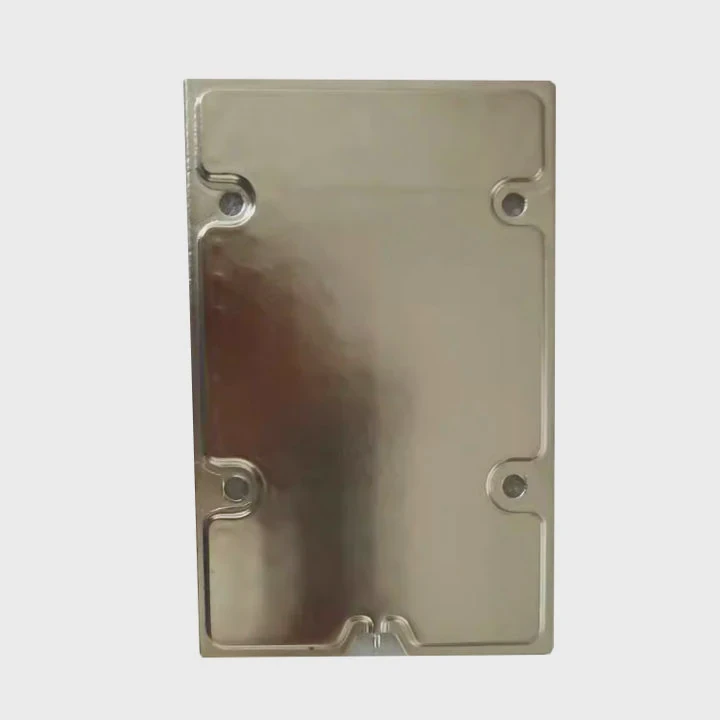
I want to show when and why you should refresh the paste.
Paste Breaks Down Over Time
Heat cycles cause paste to dry.
This reduces its ability to fill gaps.
Temperature rises slowly over time.
Signs You Need New Paste
- Higher temperatures
- CPU fans run faster
- System throttles sooner
- Random shutdowns under load
These signs appear slowly and often go unnoticed.
Different Pastes Age Differently
High-end paste lasts longer.
Cheap paste dries fast.
Pre-applied paste lifespan varies.
When You Should Replace Paste
Most systems need new paste every 2 to 4 years.
High-power systems need it sooner.
If you remove the cooler, you must reapply paste.
Deep Dive: Why Reapplication Helps Stability
Contact Renewal
When paste dries, it cracks.
This creates new air gaps.
New paste restores full coverage.
Better Heat Transfer
Fresh paste spreads evenly.
It creates a smooth heat path again.
You can see temperature drop by 5–15°C in many cases.
Long-Term Hardware Health
Cooler temperatures reduce stress on the CPU.
This helps the chip last longer.
It also keeps system performance stable.
Preventative Maintenance
I always check paste when cleaning dust or replacing fans.
This keeps the system in good condition.
Table: Recommended Paste Replacement Timeline
| System Type | Replacement Interval |
|---|---|
| Low-power desktop | 3–4 years |
| Gaming PC | 2–3 years |
| High-performance workstation | 1–2 years |
| Overclocked system | 1 year |
| AIO liquid cooler after removal | Every time |
This gives a simple guideline for different use cases.
Conclusion
Thermal paste is essential for all cooling systems, including liquid CPU coolers. It fills gaps, improves contact, stabilizes temperature, and protects the CPU. Pre-applied paste works but varies in quality, and reapplication helps maintain strong performance over time.
TAGS
Latest Articles

Volume discount levels for heat sink orders?
Buyers often ask when heat sink prices start to drop with volume. Many worry they’re overpaying for small orders. This guide explains how B2B volume pricing works for thermal components. Heat sink
21 Dec,2025
Heat sink long-term supply contract options?
Many buyers want stable pricing and reliable delivery for heat sinks. But without a clear contract, risks grow over time. This article explores how to secure better long-term supply deals. Long-term
21 Dec,2025
Tooling cost for new heat sink profiles?
Many engineers struggle to understand why tooling for custom heat sinks costs so much. They worry about budgeting and production timelines. This article breaks down the cost drivers behind tooling.
21 Dec,2025
Heat sink custom sample process steps?
Sometimes, starting a custom heat sink project feels overwhelming—too many steps, too many unknowns, and too many risks. You want a sample, but not endless delays. The process for requesting and
20 Dec,2025
Standard B2B terms for heat sink payments?
When buyers and sellers in B2B heat sink markets talk about payment, many don’t fully understand what’s standard. This can lead to delayed orders, miscommunication, and even lost business
20 Dec,2025
Heat sink pricing factors for large orders?
Heat sinks are vital for many systems. When prices rise, projects stall and budgets break. This problem can hit teams hard without warning. Large order heat sink pricing depends on many factors. You
20 Dec,2025Related Articles
- Which Is Better Air Cooled or Liquid Cooled?
- Heat Sink Manufacturer in Senegal
- Heat Sink Manufacturer in San Marino
- Heat Sink Manufacturer in Rwanda
- Heat Sink Manufacturer in Papua New Guinea
- Heat Sink Manufacturer in Panama
- Which electric cars have liquid cooled batteries?
- Is liquid cooled CPU worth it?
- How to connect liquid CPU cooler?
- How does CPU liquid cooler work?
- which is better air cooled or liquid cooled generators?
- what is a liquid cooled engine?
Author
Dr. Emily Chen
Chief AI Researcher
Leading expert in thermal dynamics and AI optimization with over 15 years of experience in data center efficiency research.
Categories
Latest Products






Recommend Categories
- Liquid cooling plate Manufacturer
- Industrial Heat Sink Manufacturer
- Standard Heat Sink Manufacturer
- Aluminum Heat Sink Manufacturer
- Copper Heat Sink Manufacturer
- Anodized Heatsink Manufacturer
- Stamping heat sink Manufacturer
- Die Casting Heatsink Manufacturer
- Soldering heat sink Manufacturer
- CNC Parts Manufacturer
Latest Products
- Wholesale Aluminum Radiator
- Water Cooling Plate Kit
- Water Cooling Heat Sink
- Water Cooling Heat Sink Kit
- Stainless Steel Water Distributor
- Server Water Cooling Plate Kit
- Server Liquid Cooling System
- Server Aluminum Cooling Kit
- S19 Full Cover Cooling Plate
- S19 Cooling Plate Kit
- S19 Aluminum Cooling Plate
Contact Expert
Have questions about this article? Reach out to our experts directly.