How does CPU liquid cooler work?
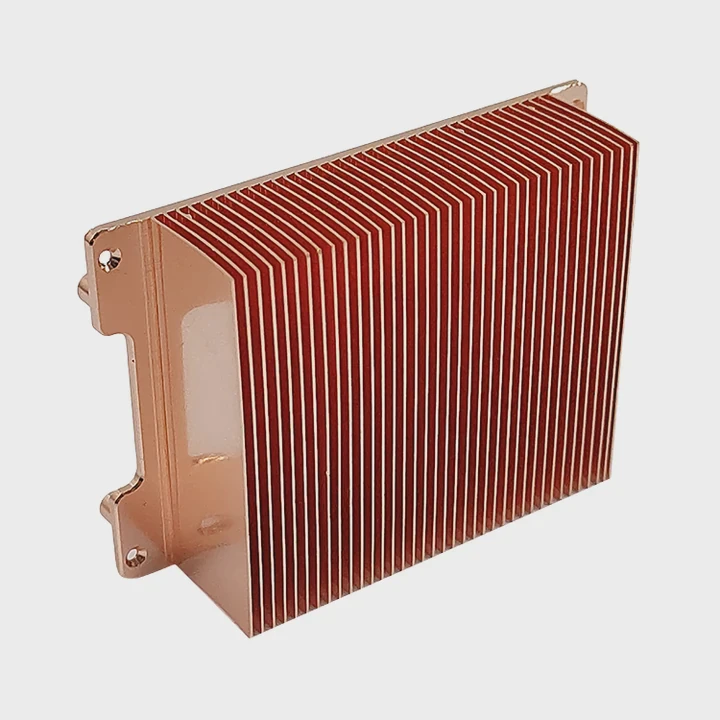
I see many engineers worry about rising CPU temperatures because heat builds fast and hurts system stability.
A CPU liquid cooler works by moving heat away from the CPU through a coolant loop that absorbs heat at the cold plate and releases it at the radiator, where airflow removes it. The pump keeps the coolant moving to maintain steady heat transfer.
I want to explain this in a clear way because many people try to choose a cooler without knowing how it actually works.
What components enable heat transfer in liquid coolers?
Many engineers face sudden thermal throttling because heat spikes happen faster than the system can remove them.
A liquid cooler transfers heat through its cold plate, coolant, pump, tubing, and radiator. These parts work together to pull heat from the CPU and release it into the air through the radiator fins.
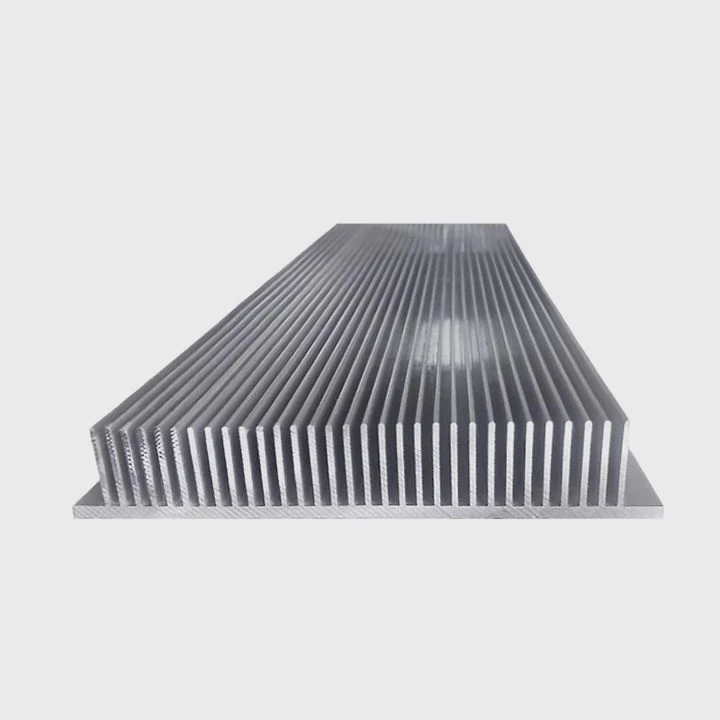
How each component works
I want to break down each part so you can see how heat moves through the system. Each part has a simple job. When the parts work well together, the system runs cooler.
1. Cold plate
The cold plate sits on the CPU. It is usually copper. It has many micro-channels. These channels let coolant pass through at high speed.
The cold plate absorbs heat from the CPU through thermal paste. The heat then moves into the coolant.
2. Coolant
Coolant is usually a water-based fluid. It absorbs heat very well.
The coolant carries heat through the loop. The heat stays inside the liquid until it reaches the radiator.
3. Pump
The pump pushes coolant through the loop. Without flow, heat stays on the CPU.
I will explain the pump later because it plays a very important role.
4. Tubing
The tubing connects all parts. It moves coolant between the CPU block, pump, and radiator.
Good tubing prevents leaks and keeps the loop stable.
5. Radiator
The radiator releases heat into the air. It has thin fins with a large surface area. Fans blow air through the fins to remove heat.
Table: Main Components of a Liquid Cooler
| Component | Main Function | Why It Matters |
|---|---|---|
| Cold plate | Absorb CPU heat | First point of heat transfer |
| Coolant | Carry heat | Moves heat away from CPU |
| Pump | Push coolant | Maintains flow and prevents heat buildup |
| Tubing | Connect loop | Ensures stable circulation |
| Radiator | Release heat | Final stage of heat removal |
Why these components matter together
Each part supports the next. If one part fails, heat transfer slows down.
For example, a strong pump is useless if the radiator is too small. A large radiator is not enough without stable coolant flow. I have seen projects fail because one small detail was ignored.
In my own past work, I tested many liquid cooling modules. I found that even a small change in flow or fin density caused big temperature differences. This is why I always check the full system, not just one part.
Why is the pump crucial for coolant flow?
Many people think the radiator is the most important part. But the real heart of the cooler is the pump.
The pump is crucial because it keeps coolant moving through the loop. Without flow, heat stays in the CPU block, the coolant becomes stagnant, and cooling performance drops fast.
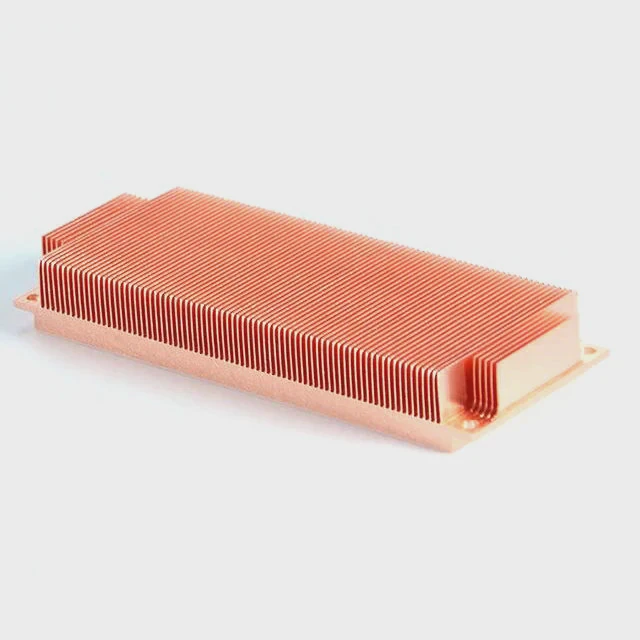
Why the pump matters so much
The pump pushes coolant from the cold plate to the radiator. When the pump runs well, heat moves fast. When the pump slows down, heat piles up.
How the pump keeps the system stable
I want to show the pump’s influence in a simple way.
1. Flow speed
The pump sets the coolant flow rate.
If the flow is stable, the system can remove heat in a continuous cycle.
2. Pressure balance
The pump must maintain pressure in the loop.
Too much pressure causes noise and leaks. Too little pressure causes weak flow.
3. Heat load handling
A strong pump handles more heat.
In heavy loads like gaming or simulation, the pump keeps coolant circulating so the CPU stays safe.
Table: Pump Impact on Cooling Performance
| Pump Condition | Flow Result | Cooling Performance |
|---|---|---|
| Strong pump | Fast, stable flow | Better heat removal |
| Weak pump | Slow flow | Higher CPU temperatures |
| Failing pump | No flow | Immediate overheating |
Why pump failure is serious
I once tested a workstation where the pump failed after months of heavy use. The CPU temperature jumped from safe levels to overheating in less than 20 seconds.
This shows how fast heat builds when coolant does not move.
What a better pump does
A better pump means:
- better pressure
- higher flow rate
- quieter operation
- longer lifespan
I tell many clients that choosing a good pump is more important than adding more fans.
Where does heat exchange occur in the radiator?
Many people think the coolant cools down fast as soon as it enters the radiator, but the process is more detailed.
Heat exchange happens inside the radiator’s thin tubes and fins, where heat leaves the coolant and spreads into the metal fins. The fans then push air through the fins to release that heat into the air.
How the radiator removes heat
The radiator works like a large metal sponge for heat. It has long, narrow channels called tubes. Coolant moves through these tubes. The tubes are attached to thin fins. These fins increase the surface area.
Stages of heat exchange
I want to explain the steps in a simple way.
1. Heat leaves the coolant
Hot coolant enters the radiator.
The heat moves from the coolant into the metal tubes.
2. Heat spreads across fins
The heat spreads across the fins.
The fins have a very large area, so they hold more heat at once.
3. Airflow removes the heat
Fans push air across the fins.
The air carries heat away from the metal.
Why radiator size matters
A larger radiator has:
- more tubes
- more fins
- more surface area
This means it can hold more heat and release it faster.
Many people choose small radiators and wonder why CPU temperatures stay high. The radiator must match the CPU heat load.
Noise and airflow
Some radiators need strong fans to work well.
More airflow means better heat removal, but also more noise.
I always test airflow because the right fan curve can make a big difference.
My experience with radiator design
I worked on several custom cooling systems. I learned that fin spacing and air resistance change temperatures more than most users expect. A 5% change in airflow sometimes caused a 10°C temperature drop. This is why I always check airflow patterns during design.
Can coolant flow rate impact cooling efficiency?
Many people think “faster flow is always better,” but the truth is more balanced.
Coolant flow rate affects cooling efficiency because it decides how fast heat moves through the loop. Too slow flow builds heat at the CPU, while too fast flow reduces the coolant’s time inside the radiator. A balanced flow gives the best results.
Why flow rate matters
Flow rate sets how fast coolant moves through the loop.
Flow rate impacts three things:
- how fast heat leaves the CPU
- how long coolant stays in the radiator
- how stable the loop pressure is
Low flow vs high flow
I will explain it simply.
Low flow
Coolant moves slowly.
It stays longer in the cold plate.
It gets hot fast.
The CPU temperatures rise.
High flow
Coolant moves fast.
It stays in the radiator for a short time.
It may not release enough heat.
The radiator becomes less effective.
Finding the right balance
Most systems run best at a moderate flow rate.
The pump must keep flow steady but not extreme.
Most AIO coolers already set an ideal flow.
Custom loops allow flow tuning.
H3: Flow rate and temperature behavior
Many engineers test different flow rates because the results depend on radiator size, coolant type, tubing layout, and CPU load.
A medium-size loop often works best with medium flow.
A long loop or multi-block loop may need higher flow.
A small loop may overheat with low flow.
Real experience from testing
I tested several liquid cooling modules in my lab. I learned that changing flow by even 10% changed CPU temperature by 2–5°C depending on load. When I doubled the flow, the improvement became smaller because the radiator did not have enough time to release heat.
This is why I always suggest checking two things:
- pump curve
- fan curve
These two settings work together.
Conclusion
A CPU liquid cooler works because each part moves heat in a simple and steady loop. The pump keeps coolant moving, the radiator releases heat, and the flow rate controls how fast heat travels. When all parts match well, the system stays cool and stable.
TAGS
Latest Articles

Volume discount levels for heat sink orders?
Buyers often ask when heat sink prices start to drop with volume. Many worry they’re overpaying for small orders. This guide explains how B2B volume pricing works for thermal components. Heat sink
21 Dec,2025
Heat sink long-term supply contract options?
Many buyers want stable pricing and reliable delivery for heat sinks. But without a clear contract, risks grow over time. This article explores how to secure better long-term supply deals. Long-term
21 Dec,2025
Tooling cost for new heat sink profiles?
Many engineers struggle to understand why tooling for custom heat sinks costs so much. They worry about budgeting and production timelines. This article breaks down the cost drivers behind tooling.
21 Dec,2025
Heat sink custom sample process steps?
Sometimes, starting a custom heat sink project feels overwhelming—too many steps, too many unknowns, and too many risks. You want a sample, but not endless delays. The process for requesting and
20 Dec,2025
Standard B2B terms for heat sink payments?
When buyers and sellers in B2B heat sink markets talk about payment, many don’t fully understand what’s standard. This can lead to delayed orders, miscommunication, and even lost business
20 Dec,2025
Heat sink pricing factors for large orders?
Heat sinks are vital for many systems. When prices rise, projects stall and budgets break. This problem can hit teams hard without warning. Large order heat sink pricing depends on many factors. You
20 Dec,2025Related Articles
- How to connect liquid CPU cooler?
- Is liquid cooled CPU worth it?
- Which electric cars have liquid cooled batteries?
- Does Liquid CPU Cooler Need Thermal Paste?
- Which Is Better Air Cooled or Liquid Cooled?
- Heat Sink Manufacturer in Senegal
- which is better air cooled or liquid cooled generators?
- what is a liquid cooled engine?
- How to Set Up Liquid Cooler?
- Which Is Better Air Cooled or Liquid?
- Does liquid cooler need water?
- Where to install liquid CPU cooler?
Author
Dr. Emily Chen
Chief AI Researcher
Leading expert in thermal dynamics and AI optimization with over 15 years of experience in data center efficiency research.
Categories
Latest Products






Recommend Categories
- Liquid cooling plate Manufacturer
- Industrial Heat Sink Manufacturer
- Standard Heat Sink Manufacturer
- Aluminum Heat Sink Manufacturer
- Copper Heat Sink Manufacturer
- Anodized Heatsink Manufacturer
- Stamping heat sink Manufacturer
- Die Casting Heatsink Manufacturer
- Soldering heat sink Manufacturer
- CNC Parts Manufacturer
Latest Products
- Wholesale Aluminum Radiator
- Water Cooling Plate Kit
- Water Cooling Heat Sink
- Water Cooling Heat Sink Kit
- Stainless Steel Water Distributor
- Server Water Cooling Plate Kit
- Server Liquid Cooling System
- Server Aluminum Cooling Kit
- S19 Full Cover Cooling Plate
- S19 Cooling Plate Kit
- S19 Aluminum Cooling Plate
Contact Expert
Have questions about this article? Reach out to our experts directly.