What is a liquid-cooled engine?
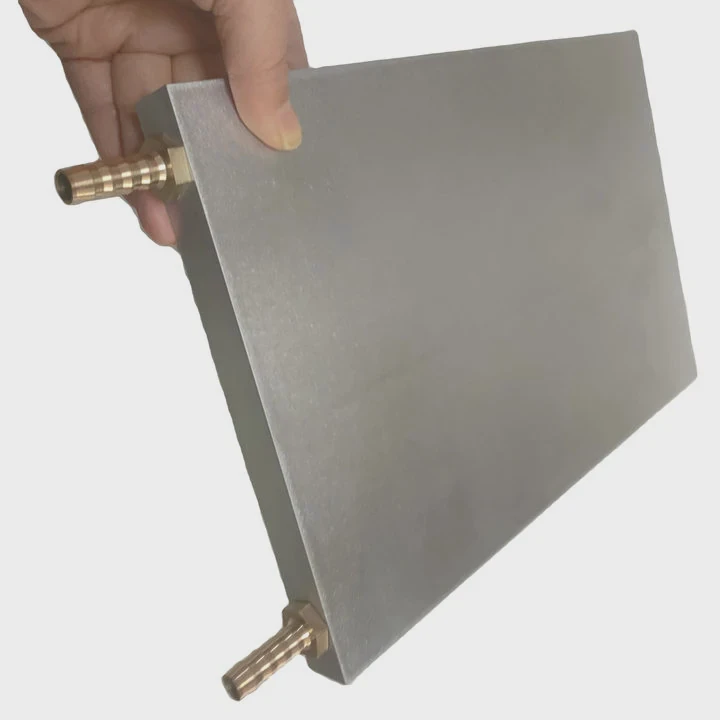
Engines generate massive amounts of heat while operating. Without proper cooling, internal parts can warp, seize, or even fail completely. Cooling systems are, therefore, essential for performance and reliability.
A liquid-cooled engine uses coolant fluid circulating through internal passages to absorb and remove excess heat from the engine block, maintaining stable operating temperatures.
Unlike air-cooled engines that rely on airflow and fins, liquid-cooled designs use engineered fluids and radiators for more precise temperature control.
Liquid cooling has become standard in most modern cars, motorcycles, and industrial machines because it offers consistent cooling even under heavy loads.
How does a liquid-cooled engine work?
The principle behind liquid cooling is simple: transfer heat from the hot engine parts to the surrounding air, but with the help of a coolant. The system uses pumps, hoses, and radiators to move the fluid in a closed loop.
A liquid-cooled engine works by circulating coolant through engine jackets, where it absorbs heat, then passes through a radiator where air removes that heat before recirculating it.
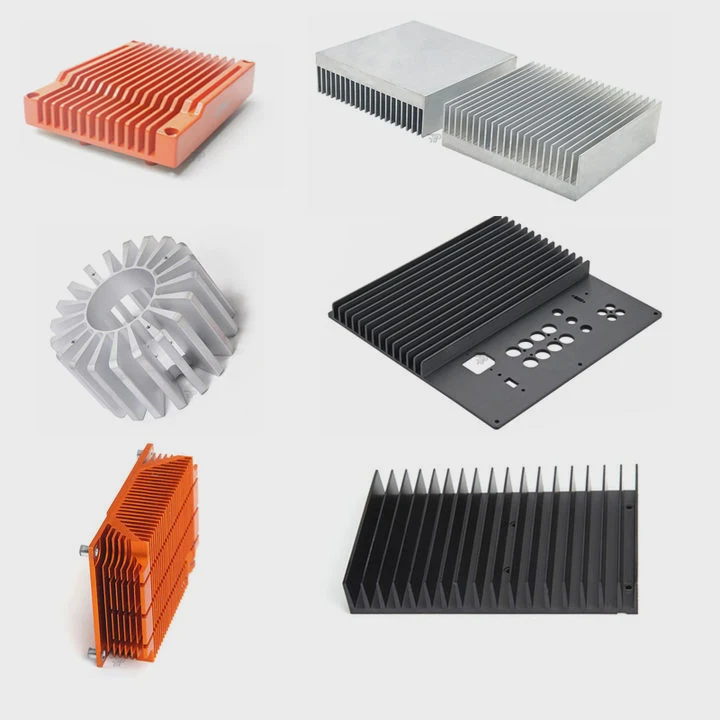
Key Components and Their Functions
| Component | Function | Description |
|---|---|---|
| Coolant | Transfers heat | A mixture of water and antifreeze that absorbs and carries heat |
| Water Pump | Moves coolant | Circulates fluid throughout the system |
| Radiator | Releases heat | Transfers heat from coolant to the outside air |
| Thermostat | Controls temperature | Regulates coolant flow based on engine heat |
| Hoses | Connect components | Carries coolant between engine and radiator |
| Cooling Fan | Supports airflow | Forces air through radiator when vehicle speed is low |
Step-by-Step Process
- Heat Absorption – The coolant flows through channels around the engine cylinders, absorbing heat generated by combustion.
- Heat Transfer – The heated coolant moves through hoses to the radiator.
- Cooling in Radiator – As it passes through thin tubes and fins, air removes the heat from the coolant.
- Recirculation – The cooled liquid returns to the engine, and the cycle repeats.
- Temperature Regulation – The thermostat ensures that the coolant only flows when necessary to keep the engine in its ideal temperature range.
This continuous process allows the engine to run efficiently without overheating, even in extreme driving conditions.
What are its advantages over air-cooled engines?
Air-cooled engines are simpler and lighter, but they cannot always provide consistent cooling under high-performance or variable weather conditions. Liquid cooling offers a more controlled and efficient approach.
Liquid-cooled engines deliver better thermal stability, higher performance, and longer lifespan compared to air-cooled engines.
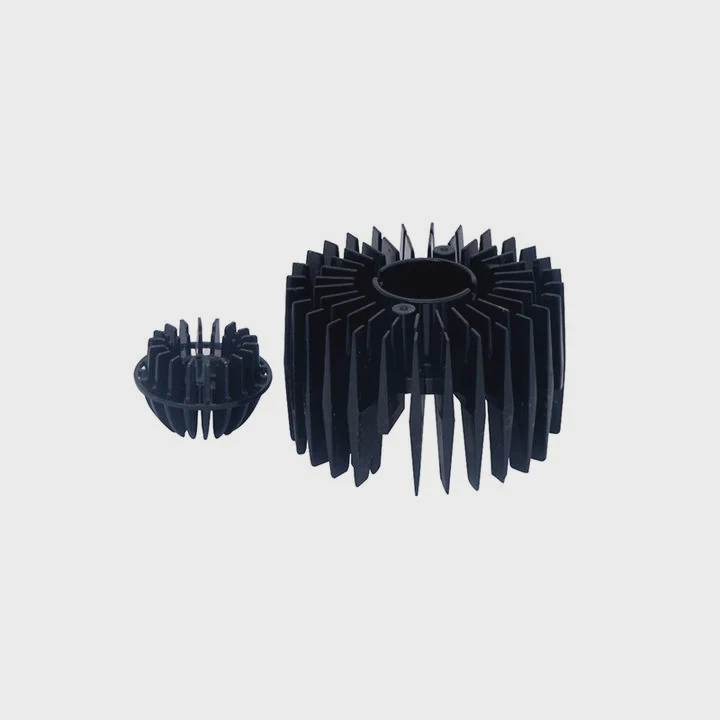
1. Better Temperature Regulation
Liquid systems distribute heat evenly throughout the engine, reducing hot spots that can cause wear or knocking. Air cooling depends heavily on vehicle speed and ambient temperature.
2. Higher Power and Efficiency
Because liquid cooling keeps temperatures consistent, the engine can run at optimal combustion levels, improving fuel efficiency and performance.
3. Quieter Operation
Liquid cooling dampens noise since the engine does not rely on large exposed fins or high-speed fans. It results in smoother and quieter operation.
4. Longer Engine Life
Stable operating temperatures prevent thermal expansion and material stress, extending the life of components like pistons, valves, and gaskets.
5. Better Environmental Performance
Liquid-cooled engines achieve better emission control because they maintain steady combustion conditions.
| Feature | Liquid-Cooled | Air-Cooled |
|---|---|---|
| Cooling Efficiency | High | Moderate |
| Noise Level | Low | High |
| Weight | Heavier | Lighter |
| Maintenance | Moderate | Simple |
| Temperature Stability | Excellent | Variable |
| Performance | High | Limited |
Liquid-cooled systems are more complex but provide superior overall performance, especially for modern, high-output engines.
How to maintain a liquid-cooled engine?
Maintenance is key to keeping a liquid-cooled engine running efficiently. Coolant breakdown or leaks can lead to overheating and costly damage.
To maintain a liquid-cooled engine, check coolant levels regularly, replace coolant on schedule, inspect hoses and radiator, and ensure the thermostat and pump function correctly.
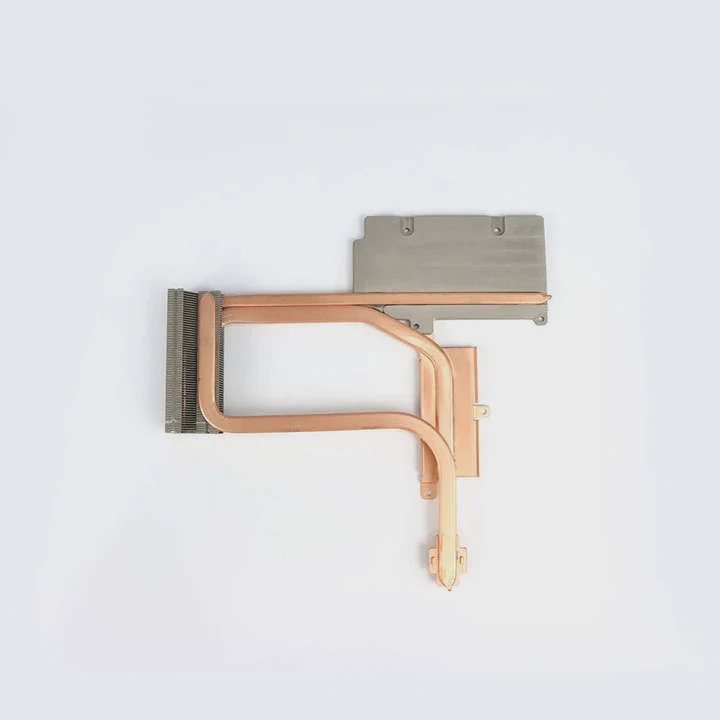
Essential Maintenance Steps
1. Check Coolant Levels
Inspect the coolant reservoir frequently. If levels drop, look for leaks in hoses or the radiator. Never open the radiator cap while the engine is hot.
2. Replace Coolant Periodically
Coolants degrade over time and lose their anti-corrosion properties. Most manufacturers recommend replacement every 2–3 years or around 40,000–60,000 km.
3. Inspect Hoses and Connections
Rubber hoses can crack or become brittle. Replace them if you notice swelling, leaks, or soft spots.
4. Clean the Radiator
Dirt and debris block airflow through the radiator fins. Clean them gently with compressed air or a soft brush.
5. Test the Thermostat and Pump
A stuck thermostat or failing pump can cause overheating. Regular inspections ensure smooth circulation and correct temperature control.
Recommended Maintenance Schedule
| Maintenance Task | Frequency | Purpose |
|---|---|---|
| Coolant Level Check | Monthly | Prevent overheating |
| Coolant Replacement | Every 2–3 years | Maintain efficiency |
| Hose Inspection | Every 6 months | Prevent leaks |
| Radiator Cleaning | Annually | Ensure airflow |
| Thermostat/Pump Check | As needed | Confirm proper function |
Proper maintenance not only prevents breakdowns but also helps maintain performance and fuel efficiency.
What are the trends in engine cooling systems?
As engines become more efficient and emissions standards tighten, cooling technology continues to evolve. Engineers now focus on smart, compact, and environmentally friendly designs.
The latest trends in engine cooling include electric water pumps, active thermal management, integrated cooling modules, and new coolant chemistries for sustainability.
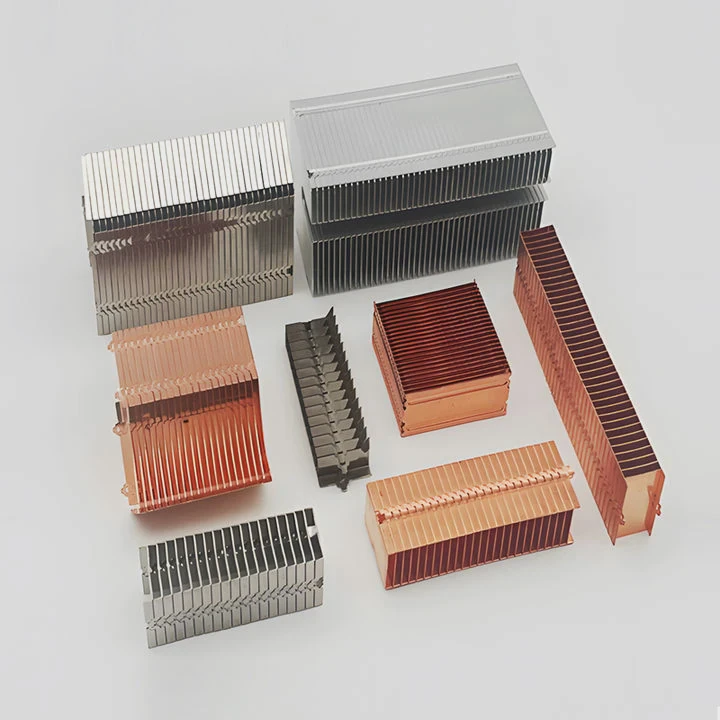
1. Electrically Driven Water Pumps
Unlike traditional belt-driven pumps, electric pumps run independently from engine speed, providing more precise temperature control and reducing energy loss.
2. Active Thermal Management Systems
These systems use sensors and actuators to manage temperature zones dynamically, warming up engines faster and cooling them efficiently when needed.
3. Integrated Cooling Modules
Manufacturers are merging radiators, condensers, and intercoolers into compact modules to save weight and space while improving overall heat exchange efficiency.
4. Advanced Coolants
Next-generation coolants use organic additives, nanofluids, and biodegradable chemicals that improve heat transfer and reduce environmental impact.
5. Hybrid and EV Cooling Innovations
Electric vehicles use liquid-cooled systems not only for motors but also for batteries and inverters. Multi-circuit cooling ensures stable performance across all components.
| Trend | Description | Benefit |
|---|---|---|
| Electric Pumps | Speed-independent flow control | Energy efficiency |
| Thermal Management | Adaptive zone control | Better fuel economy |
| Integrated Modules | Compact multi-function units | Weight reduction |
| Green Coolants | Low-toxicity, high-conductivity | Eco-safety |
| EV Cooling | Battery + motor systems | Broader temperature control |
These innovations are redefining how engines and electric drivetrains handle heat. Future systems will be lighter, smarter, and more sustainable than ever.
Conclusion
A liquid-cooled engine uses circulating coolant to manage heat precisely and efficiently. Compared with air-cooled designs, it offers smoother operation, higher power, and longer life. With advancing materials and intelligent controls, tomorrow’s cooling systems will not only protect engines but also make them cleaner and more efficient.
TAGS
Latest Articles

Volume discount levels for heat sink orders?
Buyers often ask when heat sink prices start to drop with volume. Many worry they’re overpaying for small orders. This guide explains how B2B volume pricing works for thermal components. Heat sink
21 Dec,2025
Heat sink long-term supply contract options?
Many buyers want stable pricing and reliable delivery for heat sinks. But without a clear contract, risks grow over time. This article explores how to secure better long-term supply deals. Long-term
21 Dec,2025
Tooling cost for new heat sink profiles?
Many engineers struggle to understand why tooling for custom heat sinks costs so much. They worry about budgeting and production timelines. This article breaks down the cost drivers behind tooling.
21 Dec,2025
Heat sink custom sample process steps?
Sometimes, starting a custom heat sink project feels overwhelming—too many steps, too many unknowns, and too many risks. You want a sample, but not endless delays. The process for requesting and
20 Dec,2025
Standard B2B terms for heat sink payments?
When buyers and sellers in B2B heat sink markets talk about payment, many don’t fully understand what’s standard. This can lead to delayed orders, miscommunication, and even lost business
20 Dec,2025
Heat sink pricing factors for large orders?
Heat sinks are vital for many systems. When prices rise, projects stall and budgets break. This problem can hit teams hard without warning. Large order heat sink pricing depends on many factors. You
20 Dec,2025Related Articles
- Which is better, air-cooled or liquid-cooled CPU?
- How to remove a liquid cooler from your CPU?
- Does the PS5 have liquid cooling?
- What is the liquid in liquid cooling?
- Who makes liquid cooling systems for data centers?
- What is an all-in-one liquid cooler?
- How much does liquid cooling cost?
- What happens when liquid magma is cooled?
- Which is better, air cooler or liquid cooler?
- What is an AIO liquid cooler?
- Does the i9 9900K need liquid cooling?
- How to maintain liquid cooling?
Author
Dr. Emily Chen
Chief AI Researcher
Leading expert in thermal dynamics and AI optimization with over 15 years of experience in data center efficiency research.
Categories
Latest Products






Recommend Categories
- Liquid cooling plate Manufacturer
- Industrial Heat Sink Manufacturer
- Standard Heat Sink Manufacturer
- Aluminum Heat Sink Manufacturer
- Copper Heat Sink Manufacturer
- Anodized Heatsink Manufacturer
- Stamping heat sink Manufacturer
- Die Casting Heatsink Manufacturer
- Soldering heat sink Manufacturer
- CNC Parts Manufacturer
Latest Products
- Wholesale Aluminum Radiator
- Water Cooling Plate Kit
- Water Cooling Heat Sink
- Water Cooling Heat Sink Kit
- Stainless Steel Water Distributor
- Server Water Cooling Plate Kit
- Server Liquid Cooling System
- Server Aluminum Cooling Kit
- S19 Full Cover Cooling Plate
- S19 Cooling Plate Kit
- S19 Aluminum Cooling Plate
Contact Expert
Have questions about this article? Reach out to our experts directly.