Which electric cars have liquid-cooled batteries?
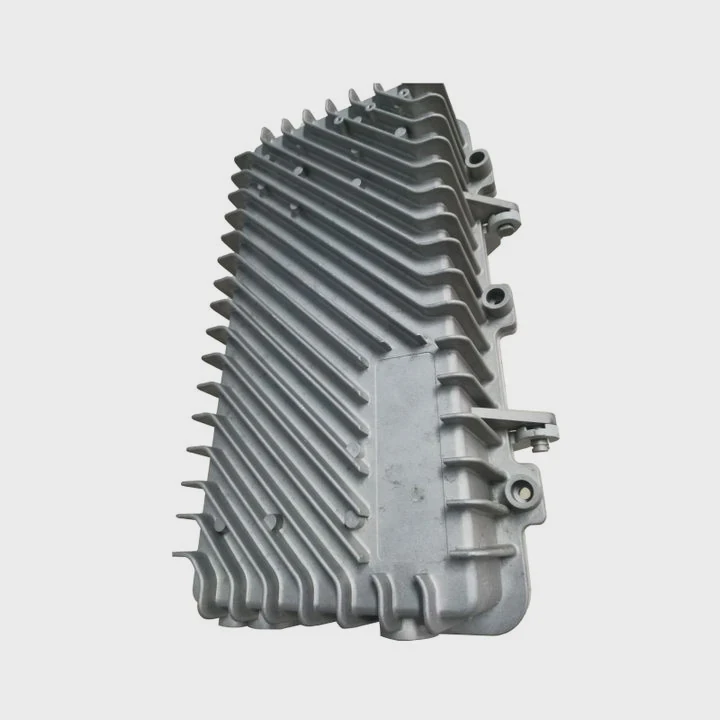
When electric cars drive long distances or charge quickly, heat becomes their biggest challenge.
Most modern electric cars, including Tesla, BMW, Mercedes-Benz, and Hyundai models, use liquid-cooled battery systems to maintain safe temperatures and extend battery life.
Let’s explore what liquid battery cooling is, how it boosts EV performance, which cars use it, and where the technology is heading.
What is liquid battery cooling?
As electric vehicles (EVs) push higher power and faster charging, keeping the battery cool is vital for performance and safety.
Liquid battery cooling uses a network of coolant channels or plates around battery cells to absorb and remove heat efficiently, keeping the battery in its optimal temperature range.
How it works
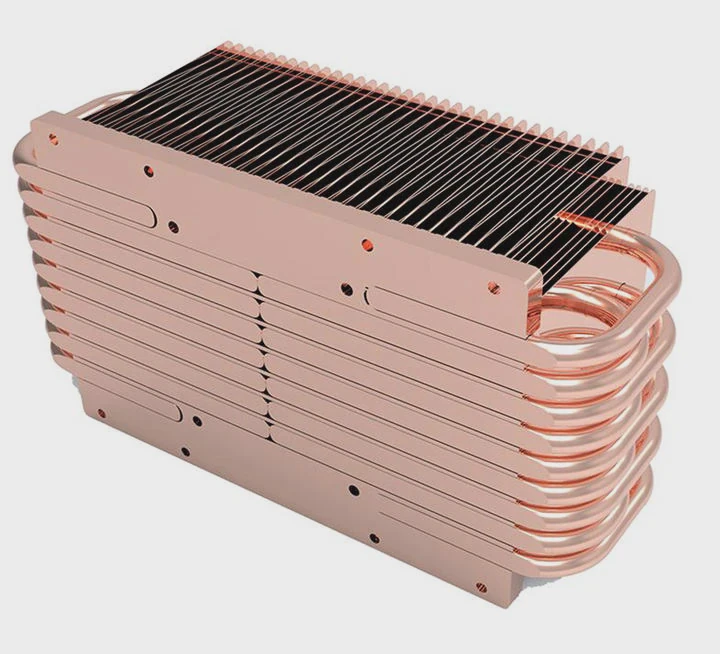
A liquid coolant (usually a glycol-water mixture) circulates through metal plates or pipes located between or beneath battery cells. As the battery generates heat during driving or charging, the coolant absorbs it and transfers it to a radiator. From there, fans release it into the air.
Some systems also work in reverse — they can heat the battery in cold weather by circulating warm coolant, ensuring consistent performance.
Types of liquid cooling systems
| Cooling Type | Description | Common Use |
|---|---|---|
| Direct Cooling | Coolant flows in direct contact with battery modules | High-performance EVs |
| Indirect Cooling | Coolant runs through metal plates or tubes around the modules | Most passenger EVs |
| Immersion Cooling | Entire battery cells are submerged in dielectric fluid | Research and future models |
Compared with air cooling, liquid systems respond faster and handle extreme conditions more effectively.
What are its benefits for EV performance?
Temperature control isn’t just about safety — it directly affects how far, how fast, and how long your car can go.
Liquid-cooled batteries offer better thermal balance, faster charging, longer lifespan, and safer operation compared to air-cooled systems.
1. Faster charging
Batteries heat up during fast charging. A liquid cooling system quickly removes this heat, allowing higher charging currents without overheating. That’s why Teslas can handle 250 kW Supercharging safely.
2. Longer battery life
Stable temperature keeps the chemical reactions inside cells balanced. This slows degradation and preserves capacity for years. Studies show up to 30% longer lifespan compared to air-cooled batteries.
3. Higher efficiency
Batteries perform best between 20°C and 40°C. Liquid systems maintain this range even in extreme climates, improving energy efficiency and reducing power loss.
4. Improved safety
By keeping every cell within a narrow temperature band, the system reduces risks of thermal runaway — a dangerous chain reaction that can cause fires.
5. Better driving consistency
Drivers notice smoother performance because voltage output remains steady. Power delivery doesn’t drop after long drives or fast charging sessions.
Key performance benefits
| Benefit | Impact on EV | Result |
|---|---|---|
| Thermal stability | Maintains optimal range | Prevents overheating |
| Fast charging support | Handles high current safely | Shorter charge time |
| Extended battery health | Reduces cell stress | Longer lifespan |
| System safety | Prevents hot spots | Lowers fire risk |
| Consistent power | Improves drivability | Smooth acceleration |
With these advantages, it’s no surprise that nearly all next-generation EVs have moved to liquid cooling.
How to identify cars with liquid-cooled systems?
If you’re buying an EV, you might want to know whether it uses air or liquid battery cooling.
To identify liquid-cooled EVs, check the manufacturer’s specifications, look for a battery thermal management system (BTMS), or confirm the presence of a coolant reservoir under the hood.
1. Manufacturer specifications
Most automakers list the cooling method in the technical section of their website or brochure. Look for keywords like “liquid thermal management” or “glycol cooling loop.”
2. Visual inspection
Open the front compartment (or rear, depending on the model). If you see a small translucent reservoir with colored coolant, the vehicle likely has a liquid-cooled system.
3. Charging performance
Cars that support ultra-fast charging (100–350 kW) almost always use liquid cooling. Air cooling cannot handle that level of heat dissipation.
4. Vehicle documentation
Check the owner’s manual for mentions of “coolant replacement” or “thermal control system maintenance.” This indicates a liquid-based design.
5. Popular examples
| Brand | Model | Cooling Type |
|---|---|---|
| Tesla | Model 3, Model Y, Model S, Model X | Liquid |
| BMW | i4, iX3, iX | Liquid |
| Hyundai | Ioniq 5, Ioniq 6 | Liquid |
| Mercedes-Benz | EQS, EQE | Liquid |
| Volkswagen | ID.4, ID.7 | Liquid |
| Ford | Mustang Mach-E, F-150 Lightning | Liquid |
| BYD | Han EV, Atto 3 | Liquid |
| Nissan | Ariya | Liquid |
| Rivian | R1T, R1S | Liquid |
If your EV has no visible coolant or supports only slow charging (below 50 kW), it likely uses air cooling — more common in older or budget models.
What are the trends in EV battery cooling?
Battery cooling is evolving fast as automakers race toward faster charging, higher range, and longer durability.
The latest EV cooling trends include immersion cooling, phase-change materials, and smart thermal management systems using AI and predictive control.

Immersion cooling
Some new designs submerge battery cells directly in dielectric fluid — a non-conductive liquid that touches every cell surface. This method removes heat faster and evenly. Companies like Xing Mobility and Geely are experimenting with it for next-gen EVs.
Phase-change cooling
Phase-change materials (PCMs) absorb heat as they melt and release it when they solidify. They can stabilize temperature without pumps or fans, saving energy in compact EVs.
Integrated cooling plates
Manufacturers now build microchannel plates inside battery packs, improving heat flow by shortening the distance between the cells and coolant.
Smart thermal management
Advanced EVs use sensors and AI algorithms to predict when the battery will heat or cool, adjusting coolant flow automatically. This predictive control improves energy use and battery life.
Multi-zone systems
Future EVs may use separate cooling loops for batteries, motors, and inverters. This allows each component to operate at its ideal temperature without affecting others.
Sustainable coolants
New coolants are being developed from bio-based glycols that are biodegradable and less toxic, reducing the environmental footprint of battery manufacturing.
Industry direction
As charging speeds rise and EVs enter extreme markets, efficient liquid cooling will become standard. In the near future, we may even see hybrid cooling, combining liquid and phase-change systems for peak performance.
Conclusion
Liquid-cooled batteries are now the standard for high-performance electric cars. They make EVs safer, faster, and longer-lasting by keeping batteries at the right temperature. From Tesla to BMW and Hyundai, nearly every major brand has adopted this system — and future innovations promise even smarter, greener cooling technologies.
TAGS
Latest Articles

Volume discount levels for heat sink orders?
Buyers often ask when heat sink prices start to drop with volume. Many worry they’re overpaying for small orders. This guide explains how B2B volume pricing works for thermal components. Heat sink
21 Dec,2025
Heat sink long-term supply contract options?
Many buyers want stable pricing and reliable delivery for heat sinks. But without a clear contract, risks grow over time. This article explores how to secure better long-term supply deals. Long-term
21 Dec,2025
Tooling cost for new heat sink profiles?
Many engineers struggle to understand why tooling for custom heat sinks costs so much. They worry about budgeting and production timelines. This article breaks down the cost drivers behind tooling.
21 Dec,2025
Heat sink custom sample process steps?
Sometimes, starting a custom heat sink project feels overwhelming—too many steps, too many unknowns, and too many risks. You want a sample, but not endless delays. The process for requesting and
20 Dec,2025
Standard B2B terms for heat sink payments?
When buyers and sellers in B2B heat sink markets talk about payment, many don’t fully understand what’s standard. This can lead to delayed orders, miscommunication, and even lost business
20 Dec,2025
Heat sink pricing factors for large orders?
Heat sinks are vital for many systems. When prices rise, projects stall and budgets break. This problem can hit teams hard without warning. Large order heat sink pricing depends on many factors. You
20 Dec,2025Related Articles
- Is a liquid cooler worth it?
- Does a liquid cooler need water?
- How AIO liquid cooler works?
- How to install a liquid cooling system?
- What liquid is in water cooling?
- How to replace CPU liquid cooler?
- Are liquid cooling systems worth it?
- Is liquid-cooled CPU worth it?
- What is the liquid in water cooling?
- Which is better, air-cooled or liquid-cooled generators?
- Why does a liquid cool when it evaporates?
- Does Ryzen 5 5600X need liquid cooling?
Author
Dr. Emily Chen
Chief AI Researcher
Leading expert in thermal dynamics and AI optimization with over 15 years of experience in data center efficiency research.
Categories
Latest Products






Recommend Categories
- Liquid cooling plate Manufacturer
- Industrial Heat Sink Manufacturer
- Standard Heat Sink Manufacturer
- Aluminum Heat Sink Manufacturer
- Copper Heat Sink Manufacturer
- Anodized Heatsink Manufacturer
- Stamping heat sink Manufacturer
- Die Casting Heatsink Manufacturer
- Soldering heat sink Manufacturer
- CNC Parts Manufacturer
Latest Products
- Wholesale Aluminum Radiator
- Water Cooling Plate Kit
- Water Cooling Heat Sink
- Water Cooling Heat Sink Kit
- Stainless Steel Water Distributor
- Server Water Cooling Plate Kit
- Server Liquid Cooling System
- Server Aluminum Cooling Kit
- S19 Full Cover Cooling Plate
- S19 Cooling Plate Kit
- S19 Aluminum Cooling Plate
Contact Expert
Have questions about this article? Reach out to our experts directly.