Which is better, air-cooled or liquid-cooled generators?
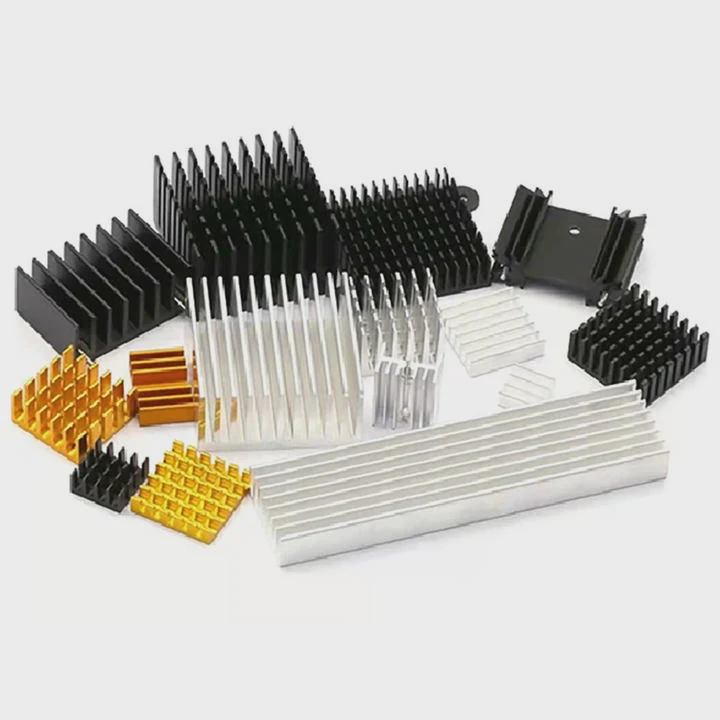
When selecting a generator for home or industrial use, cooling type plays a major role in performance and durability. Many buyers struggle to decide which is better: air-cooled or liquid-cooled.
Air-cooled generators use fans to blow air across engine parts, while liquid-cooled generators circulate coolant through radiators for better temperature control.
The choice depends on your power needs, budget, environment, and how often you run the generator. Let’s explore how each system works and what makes them suitable for different applications.
What are air- and liquid-cooled generator types?
Cooling is essential because generators produce a lot of heat during operation. Without it, efficiency drops and components wear out faster.
Air-cooled generators rely on airflow for cooling, while liquid-cooled generators use coolant and radiators for temperature management.
Air-Cooled Generators
These generators use fans or blowers to push air over the engine surface. The moving air carries heat away, keeping the generator from overheating. Air-cooled units are simple, affordable, and often portable.
| Feature | Air-Cooled Generators |
|---|---|
| Cooling Method | Air circulation using fans or natural airflow |
| Common Use | Portable or standby home generators |
| Power Range | Up to 20 kW (typically) |
| Maintenance | Low, requires cleaning air vents |
| Noise Level | Moderate to loud |
| Size | Compact and lightweight |
| Cost | Lower upfront and running cost |
Liquid-Cooled Generators
These generators work like a car engine. They use a closed-loop system filled with coolant (usually water mixed with antifreeze) that circulates through the engine and a radiator.
| Feature | Liquid-Cooled Generators |
|---|---|
| Cooling Method | Circulating liquid coolant through radiator and pump |
| Common Use | Commercial or industrial generators |
| Power Range | 20 kW and above |
| Maintenance | Requires coolant checks and fluid replacement |
| Noise Level | Quieter operation |
| Size | Larger and heavier |
| Cost | Higher upfront, lower long-term wear |
How Each Type Works
- Air-Cooled: Simple, direct heat removal using airflow. Works best in small enclosures or moderate climates.
- Liquid-Cooled: Controlled cooling via coolant channels and radiators. Ideal for continuous, heavy-duty power applications.
In short, air-cooled systems focus on simplicity, while liquid-cooled systems prioritize efficiency and longevity.
What are the benefits of each cooling method?
Both systems serve specific use cases. The right one depends on the balance between simplicity, cost, and performance.
Air-cooled generators are affordable and easy to maintain, while liquid-cooled generators deliver better heat control, durability, and quiet operation.
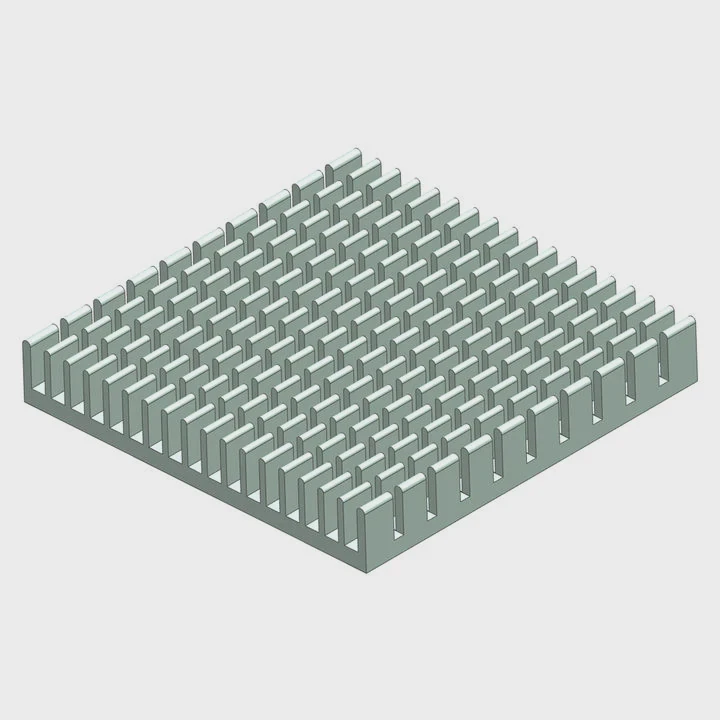
Benefits of Air-Cooled Generators
| Advantage | Description |
|---|---|
| Simple Design | Fewer parts make them easy to install and repair. |
| Lower Cost | Cheaper to buy and maintain for small-scale use. |
| Portability | Lightweight and ideal for mobile or backup setups. |
| Low Maintenance | No coolant to replace or monitor. |
| Quick Start | Heats up and cools down faster, ideal for short runtime. |
Benefits of Liquid-Cooled Generators
| Advantage | Description |
|---|---|
| Superior Heat Control | Maintains stable temperatures even in extreme weather. |
| Quieter Operation | Sound-insulated and smoother performance. |
| Longer Lifespan | Reduces wear on components under continuous use. |
| High Power Output | Supports large homes, factories, or data centers. |
| Better Fuel Efficiency | Consistent temperatures improve engine efficiency. |
Real-World Example
For home backup during short power cuts, a small 10 kW air-cooled generator is ideal—cheap and low maintenance. But for a hospital or data center that must run continuously, a 60 kW liquid-cooled generator ensures stability, silence, and reliability.
Each cooling method has its place, and the best one depends on your operational demands.
How to choose between air and liquid cooling?
Choosing the right cooling system is not just about preference—it’s about your usage pattern, environment, and power requirements.
Select air cooling for light or intermittent use, and liquid cooling for continuous, high-demand applications or large installations.
Key Factors to Consider
| Factor | Air-Cooled Generator | Liquid-Cooled Generator |
|---|---|---|
| Power Output | Up to 20 kW | 20 kW and above |
| Runtime Duration | Short to medium | Long and continuous |
| Operating Temperature | Best for mild climates | Suitable for all climates |
| Noise Level | Louder | Quieter |
| Maintenance | Simple | Requires regular coolant checks |
| Cost | Lower | Higher initial investment |
| Installation Space | Compact | Requires more space |
Step-by-Step Decision Guide
Determine Power Needs
For small homes or workshops (under 20 kW), air-cooled is usually enough. For heavy industrial loads or large estates, liquid cooling is a must.Consider Operating Environment
If your area experiences hot climates or heavy dust, liquid cooling performs more reliably. Air cooling works best in clean, moderate conditions.Evaluate Runtime Requirements
If the generator will run for short outages, choose air-cooled. For continuous backup or 24⁄7 operation, go with liquid-cooled.Noise Sensitivity
If the generator runs near living spaces, a liquid-cooled model is much quieter and more comfortable.Budget and Maintenance
Air-cooled units are budget-friendly upfront. Liquid-cooled units cost more initially but save on long-term repairs and fuel efficiency.
Personal Insight
In my workshop, I first used an air-cooled unit. It worked fine for occasional use but became noisy and overheated during long projects. Switching to a liquid-cooled system made the workspace quieter, cooler, and more productive. The upfront cost was higher, but it paid off within a year.
What are the latest trends in generator cooling?
Cooling systems for generators have evolved to meet stricter energy standards, noise regulations, and environmental goals.
Modern trends include hybrid cooling, smart thermal management, eco-friendly coolants, and compact radiator designs for better performance and sustainability.
Trend 1: Hybrid Air-Liquid Systems
New generator models combine both cooling types. These hybrid systems use air for general operation and activate liquid cooling when load or temperature increases. This smart approach improves efficiency while keeping maintenance low.
Trend 2: AI-Based Temperature Control
AI algorithms now monitor heat levels, load demand, and environmental conditions. The system automatically adjusts fan speed and coolant flow, reducing energy use and extending lifespan.
Trend 3: Eco-Friendly Coolants
Coolant technology is shifting toward biodegradable and non-toxic fluids. These new liquids prevent corrosion, resist freezing, and meet global environmental standards.
Trend 4: Compact Radiator Designs
Radiators are becoming thinner and more efficient thanks to micro-channel technology, which increases heat transfer while reducing space. This allows smaller generator housings without losing performance.
Trend 5: Smart Maintenance Monitoring
Sensors now track coolant levels, temperature, and pump health in real time. The data syncs with mobile apps or control panels, allowing predictive maintenance before a failure occurs.
Trend 6: Quieter Operation
Noise reduction remains a big focus. Advanced fan designs, vibration damping, and acoustic insulation have reduced sound levels by 30–40% in modern models. This makes generators suitable even for residential zones.
Trend 7: Modular Cooling Units
Manufacturers now design modular cooling systems that can be replaced independently. This simplifies repair, reduces downtime, and allows easy upgrades when newer cooling technologies arrive.
Looking Ahead
By 2026, expect smart hybrid systems that automatically balance between air and liquid cooling based on performance needs. These will combine the low cost of air cooling with the stability and silence of liquid systems, creating the most efficient generators yet.
Conclusion
Both air-cooled and liquid-cooled generators have strong advantages. Air-cooled models are affordable, compact, and simple to maintain—perfect for small or occasional use. Liquid-cooled generators excel in heavy-duty, long-duration, or noise-sensitive environments. The best choice depends on your power needs, budget, and location. With new trends like hybrid and AI-driven cooling, the gap between the two technologies is closing, giving users smarter, quieter, and more efficient options.
TAGS
Latest Articles

Volume discount levels for heat sink orders?
Buyers often ask when heat sink prices start to drop with volume. Many worry they’re overpaying for small orders. This guide explains how B2B volume pricing works for thermal components. Heat sink
21 Dec,2025
Heat sink long-term supply contract options?
Many buyers want stable pricing and reliable delivery for heat sinks. But without a clear contract, risks grow over time. This article explores how to secure better long-term supply deals. Long-term
21 Dec,2025
Tooling cost for new heat sink profiles?
Many engineers struggle to understand why tooling for custom heat sinks costs so much. They worry about budgeting and production timelines. This article breaks down the cost drivers behind tooling.
21 Dec,2025
Heat sink custom sample process steps?
Sometimes, starting a custom heat sink project feels overwhelming—too many steps, too many unknowns, and too many risks. You want a sample, but not endless delays. The process for requesting and
20 Dec,2025
Standard B2B terms for heat sink payments?
When buyers and sellers in B2B heat sink markets talk about payment, many don’t fully understand what’s standard. This can lead to delayed orders, miscommunication, and even lost business
20 Dec,2025
Heat sink pricing factors for large orders?
Heat sinks are vital for many systems. When prices rise, projects stall and budgets break. This problem can hit teams hard without warning. Large order heat sink pricing depends on many factors. You
20 Dec,2025Related Articles
- What is the liquid in water cooling?
- Is liquid-cooled CPU worth it?
- Are liquid cooling systems worth it?
- Which electric cars have liquid-cooled batteries?
- Is a liquid cooler worth it?
- Does a liquid cooler need water?
- Why does a liquid cool when it evaporates?
- Does Ryzen 5 5600X need liquid cooling?
- How safe is liquid cooling?
- How to connect a liquid CPU cooler?
- What is liquid cooling in data center?
- Does Ryzen 9 5900X need liquid cooling?
Author
Dr. Emily Chen
Chief AI Researcher
Leading expert in thermal dynamics and AI optimization with over 15 years of experience in data center efficiency research.
Categories
Latest Products






Recommend Categories
- Liquid cooling plate Manufacturer
- Industrial Heat Sink Manufacturer
- Standard Heat Sink Manufacturer
- Aluminum Heat Sink Manufacturer
- Copper Heat Sink Manufacturer
- Anodized Heatsink Manufacturer
- Stamping heat sink Manufacturer
- Die Casting Heatsink Manufacturer
- Soldering heat sink Manufacturer
- CNC Parts Manufacturer
Latest Products
- Wholesale Aluminum Radiator
- Water Cooling Plate Kit
- Water Cooling Heat Sink
- Water Cooling Heat Sink Kit
- Stainless Steel Water Distributor
- Server Water Cooling Plate Kit
- Server Liquid Cooling System
- Server Aluminum Cooling Kit
- S19 Full Cover Cooling Plate
- S19 Cooling Plate Kit
- S19 Aluminum Cooling Plate
Contact Expert
Have questions about this article? Reach out to our experts directly.