Is liquid-cooled CPU worth it?
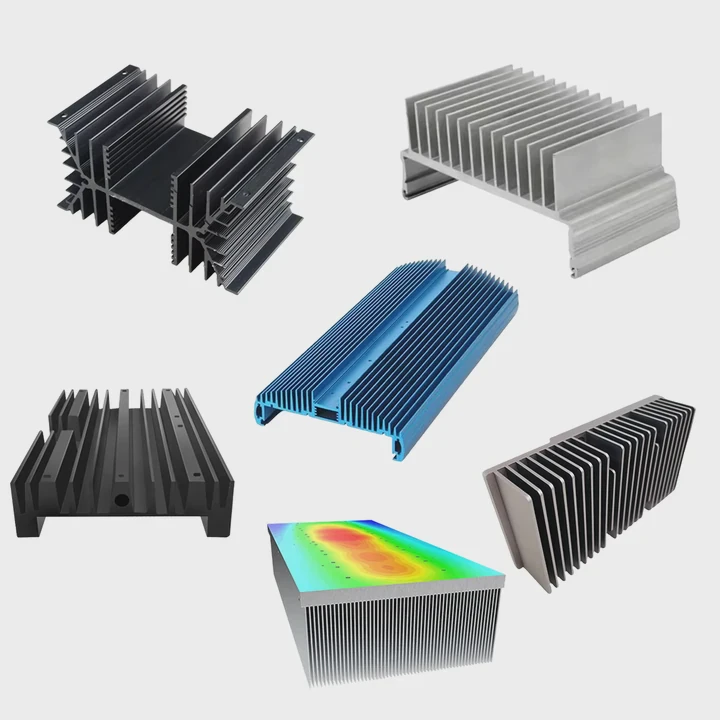
When your computer runs hot under gaming or design workloads, you might wonder whether switching to liquid cooling is really worth the cost and effort.
A liquid-cooled CPU is worth it for users who need better thermal performance, lower noise, and overclocking headroom—especially in high-performance or compact systems.
Understanding how liquid cooling works and where it shines helps you decide whether it fits your build and budget.
What is CPU liquid cooling?
Traditional air cooling uses a heatsink and fan, which can struggle under sustained heavy loads or limited airflow environments.
CPU liquid cooling uses a closed-loop or custom liquid system to move heat from the processor to a radiator, where fans release it into the air efficiently.
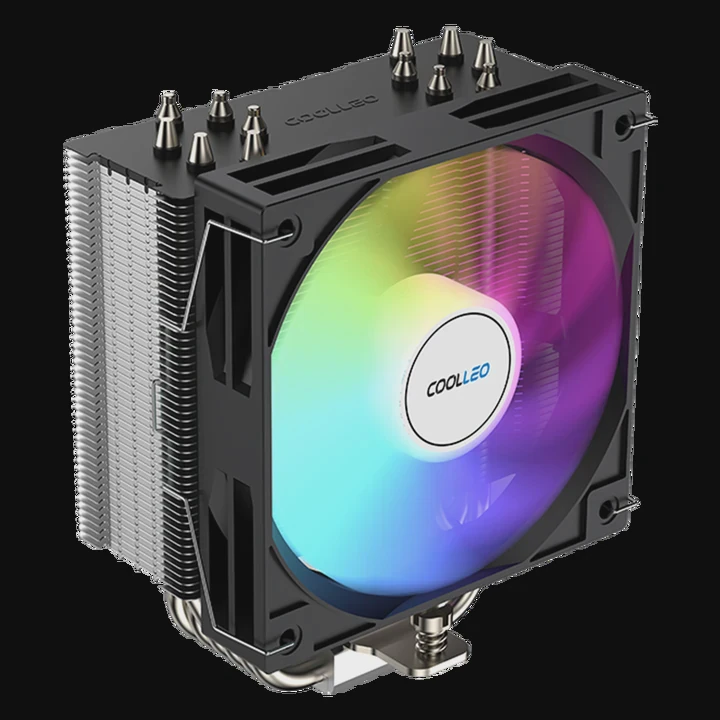
The process begins at the cold plate, which sits directly on the CPU. It absorbs heat and transfers it into circulating liquid coolant. The liquid then flows through tubes to a radiator, where fans dissipate heat before the cooled liquid returns to the CPU block.
Key components of a liquid cooling system
| Component | Function | Description |
|---|---|---|
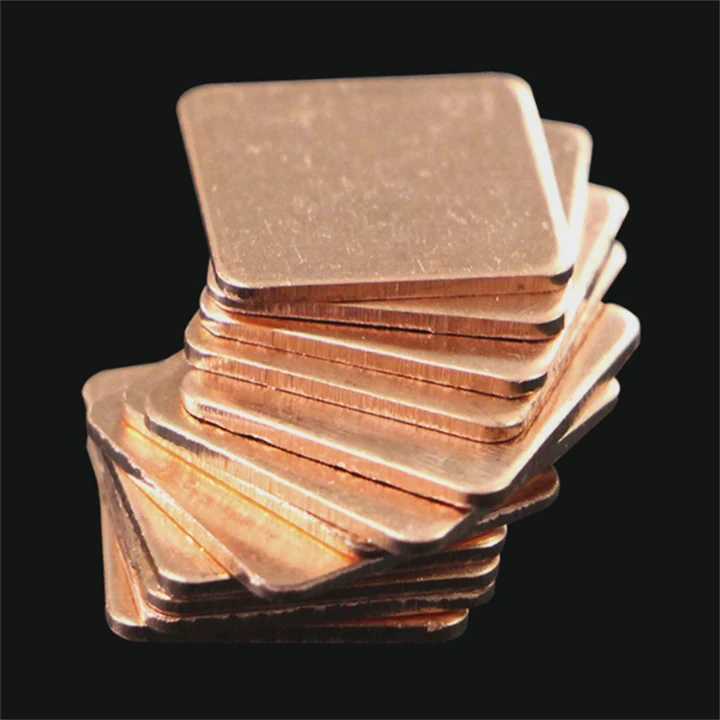
| Cold plate | Transfers heat from CPU | Usually copper for high conductivity |
| Pump | Moves coolant through loop | Built into CPU block or separate unit |
| Tubes | Carry coolant between parts | Sealed and flexible |
| Radiator | Releases heat via fans | Mounted on case walls |
| Coolant | Absorbs and transports heat | Water or glycol-based fluid |
This continuous loop maintains low CPU temperatures and keeps system noise down, even during demanding operations.
What are the benefits compared to air cooling?
Air coolers are simple and reliable, but they have limits when performance demands rise. Liquid cooling provides higher efficiency and more consistent results.
Compared to air cooling, liquid-cooled CPUs deliver better heat transfer, quieter operation, higher overclocking potential, and a cleaner overall build layout.
1. Superior thermal performance
Liquid coolants can carry heat much faster than air. This results in lower CPU temperatures under sustained load, improving stability and performance consistency.
2. Lower noise levels
Because liquid cooling spreads heat more efficiently, fans do not need to spin as fast. This reduces noise compared to large air coolers running at full speed.
3. Better overclocking support
For users pushing CPUs beyond stock settings, liquid cooling provides extra headroom by maintaining safe thermal limits under extreme loads.
4. Space efficiency
Radiators can be mounted in different case locations, freeing space around the CPU socket and improving overall airflow.
5. Aesthetic appeal
Liquid coolers often feature sleek designs with customizable RGB lighting, giving PC builds a modern, professional look.
| Feature | Air Cooling | Liquid Cooling |
|---|---|---|
| Cooling efficiency | Moderate | High |
| Noise level | Medium–High | Low |
| Maintenance | Minimal | Low–Moderate |
| Installation | Easy | Moderate |
| Cost | Low | Higher |
| Overclocking support | Limited | Excellent |
For gamers, engineers, and creators, liquid cooling can transform both performance and user experience.
How to choose if liquid cooling is right for your CPU?
Not every system requires liquid cooling. The right choice depends on your CPU’s thermal design power (TDP), workload, and noise tolerance.
Choose liquid cooling if your CPU runs hot under load, your environment restricts airflow, or you need stable performance for heavy tasks like rendering or gaming.
Step-by-step decision guide
| Consideration | Air Cooling | Liquid Cooling |
|---|---|---|
| Light use (office, browsing) | ✅ Ideal | ❌ Not needed |
| Gaming / creative workloads | ⚠️ Moderate | ✅ Recommended |
| Overclocking | ❌ Limited | ✅ Best option |
| Compact or small cases | ⚠️ Depends on airflow | ✅ Space-saving |
| Noise sensitivity | ⚠️ Moderate | ✅ Quieter |
| Budget-conscious build | ✅ Cost-effective | ⚠️ Higher price |
Practical examples
- Casual user: If you use your PC mainly for web, office, or light media tasks, air cooling is enough.
- Gamer or designer: For systems running at high power for long sessions, an AIO cooler keeps temps stable and noise low.
- Overclocker or workstation user: Custom liquid cooling or high-end AIO is ideal for pushing limits safely.
Before upgrading, always check radiator support in your case and CPU socket compatibility. A properly installed AIO cooler can last several years with little upkeep.
What are the future trends in CPU cooling?
Cooling technology continues to evolve alongside rising processor power density and compact PC designs.
Future CPU cooling trends focus on smart control systems, eco-friendly fluids, and hybrid cooling architectures that blend liquid and phase-change technologies.
1. Smart and AI-assisted cooling
Next-generation coolers include built-in sensors and AI algorithms that adjust pump and fan speeds based on thermal data. These systems reduce noise and optimize energy use dynamically.
2. Hybrid cooling designs
Manufacturers are developing hybrid coolers that combine liquid cooling with vapor chamber technology for even heat distribution in ultra-thin devices.
3. Improved coolant chemistry
Eco-friendly coolants now replace toxic or short-lived fluids. They resist oxidation, reduce corrosion, and maintain efficiency longer.
4. Advanced materials
High-conductivity alloys and graphene-based cold plates enhance heat transfer and lower system weight.
5. Modular and maintenance-free systems
Future AIOs aim to be refillable yet sealed, using long-life pumps and self-regulating valves for simplified upkeep.
6. Integration with system software
New platforms will synchronize CPU cooling with GPU and motherboard thermal profiles, creating unified smart cooling environments.
Looking forward
As CPUs grow more powerful and compact, thermal management becomes central to performance. The line between air and liquid cooling will continue to blur as both systems adopt smarter, more sustainable designs.
Conclusion
A liquid-cooled CPU is absolutely worth it for demanding users seeking quiet, efficient, and reliable cooling. With modern AIO systems and smart controls, liquid cooling offers performance that meets the future of computing head-on.
TAGS
Latest Articles

Volume discount levels for heat sink orders?
Buyers often ask when heat sink prices start to drop with volume. Many worry they’re overpaying for small orders. This guide explains how B2B volume pricing works for thermal components. Heat sink
21 Dec,2025
Heat sink long-term supply contract options?
Many buyers want stable pricing and reliable delivery for heat sinks. But without a clear contract, risks grow over time. This article explores how to secure better long-term supply deals. Long-term
21 Dec,2025
Tooling cost for new heat sink profiles?
Many engineers struggle to understand why tooling for custom heat sinks costs so much. They worry about budgeting and production timelines. This article breaks down the cost drivers behind tooling.
21 Dec,2025
Heat sink custom sample process steps?
Sometimes, starting a custom heat sink project feels overwhelming—too many steps, too many unknowns, and too many risks. You want a sample, but not endless delays. The process for requesting and
20 Dec,2025
Standard B2B terms for heat sink payments?
When buyers and sellers in B2B heat sink markets talk about payment, many don’t fully understand what’s standard. This can lead to delayed orders, miscommunication, and even lost business
20 Dec,2025
Heat sink pricing factors for large orders?
Heat sinks are vital for many systems. When prices rise, projects stall and budgets break. This problem can hit teams hard without warning. Large order heat sink pricing depends on many factors. You
20 Dec,2025Related Articles
- Are liquid cooling systems worth it?
- Which electric cars have liquid-cooled batteries?
- Is a liquid cooler worth it?
- Does a liquid cooler need water?
- How AIO liquid cooler works?
- How to install a liquid cooling system?
- What is the liquid in water cooling?
- Which is better, air-cooled or liquid-cooled generators?
- Why does a liquid cool when it evaporates?
- Does Ryzen 5 5600X need liquid cooling?
- How safe is liquid cooling?
- How to connect a liquid CPU cooler?
Author
Dr. Emily Chen
Chief AI Researcher
Leading expert in thermal dynamics and AI optimization with over 15 years of experience in data center efficiency research.
Categories
Latest Products






Recommend Categories
- Liquid cooling plate Manufacturer
- Industrial Heat Sink Manufacturer
- Standard Heat Sink Manufacturer
- Aluminum Heat Sink Manufacturer
- Copper Heat Sink Manufacturer
- Anodized Heatsink Manufacturer
- Stamping heat sink Manufacturer
- Die Casting Heatsink Manufacturer
- Soldering heat sink Manufacturer
- CNC Parts Manufacturer
Latest Products
- Wholesale Aluminum Radiator
- Water Cooling Plate Kit
- Water Cooling Heat Sink
- Water Cooling Heat Sink Kit
- Stainless Steel Water Distributor
- Server Water Cooling Plate Kit
- Server Liquid Cooling System
- Server Aluminum Cooling Kit
- S19 Full Cover Cooling Plate
- S19 Cooling Plate Kit
- S19 Aluminum Cooling Plate
Contact Expert
Have questions about this article? Reach out to our experts directly.