Requirements for custom heat sink extrusion dies?
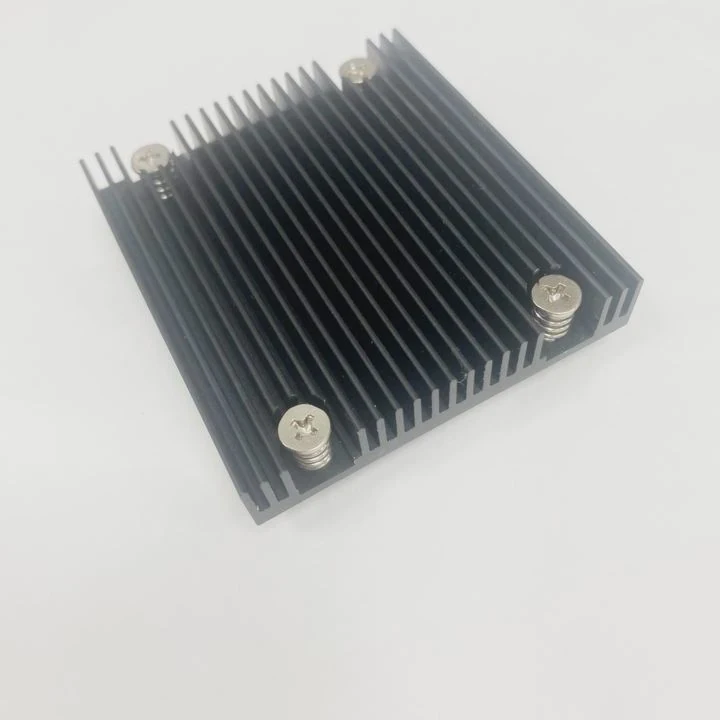
When making custom heat sink extrusion dies, many people face real problems. They fear poor quality or long delays.
Custom extrusion dies set the base for every part quality. The die choice decides shape, tolerance, and performance of final heat sinks. A good die design saves cost and time in production.
Understanding these requirements keeps projects on track and avoids costly mistakes.
What materials are used to make extrusion dies?
Choosing the right die material matters a lot for cost, wear life, and output quality.
Steel variants like H13 and P20 are common because they offer good strength and heat resistance needed for extrusion dies under heavy load.
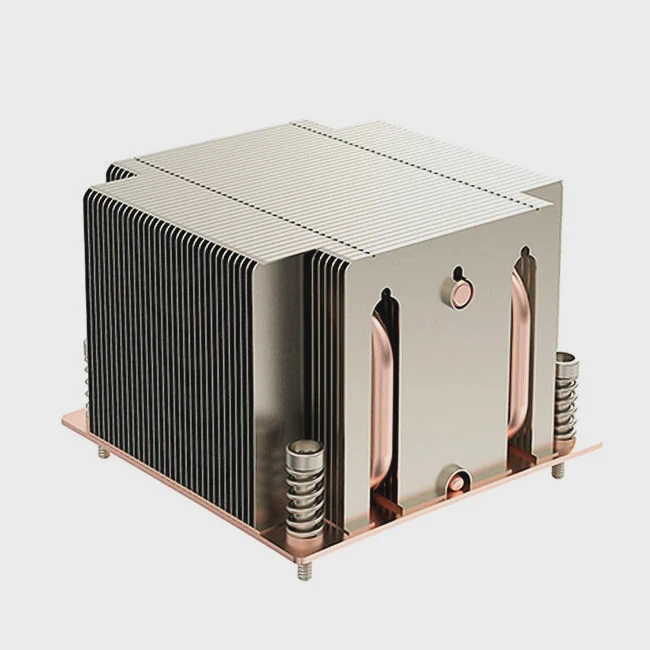
Most extrusion dies are made from hardened steel. These steels must handle high pressure, friction, and heat from aluminum extrusion. The wrong material wears out fast. This leads to poor profile quality and higher costs.
Common die materials for heat sink extrusion
| Material | Hardness | Typical Use |
|---|---|---|
| H13 Tool Steel | ~50-55 HRC | Heavy duty dies for long runs |
| P20 Steel | ~28-32 HRC | Less demanding dies or small runs |
| D2 Steel | ~55-60 HRC | Wear resistant but more brittle |
| Stainless Tool Steel | ~48-54 HRC | Corrosion resistance in some cases |
The table above shows typical options. H13 is most used. It has high toughness and resists heat well. P20 is easier to machine but wears faster. D2 is very wear resistant but can crack under heavy load.
Why hardness matters
Hardness defines wear resistance. Hard dies last longer but are tough to shape. Very hard steels take more machining time and cost more. Yet they pay back with longer life and fewer die changes.
Heat resistance and thermal stability
During extrusion, aluminum and die heat up a lot. Materials with stable hardness at high temperature help keep die shape. If the die material softens under heat, the profile can distort, leading to quality issues.
Surface finish and tooling life
Fine surface finish of die land helps aluminum flow better. Better finishes reduce friction. This minimizes die wear and extends life.
Summary of material choice
In short, choose die materials based on:
- Expected production volume
- Extrusion force and temperature
- Cost and machining time
- Wear and corrosion conditions
This choice balances upfront tool cost against long-term production savings.
How does die design impact final profile quality?
Bad design means poor final parts. The die must match profile shape and heat sink performance needs.
Die geometry affects final section shape, flatness, straightness, and dimensions. A well-tuned die helps metal flow smoothly and reduces defects like warping or surface marks.
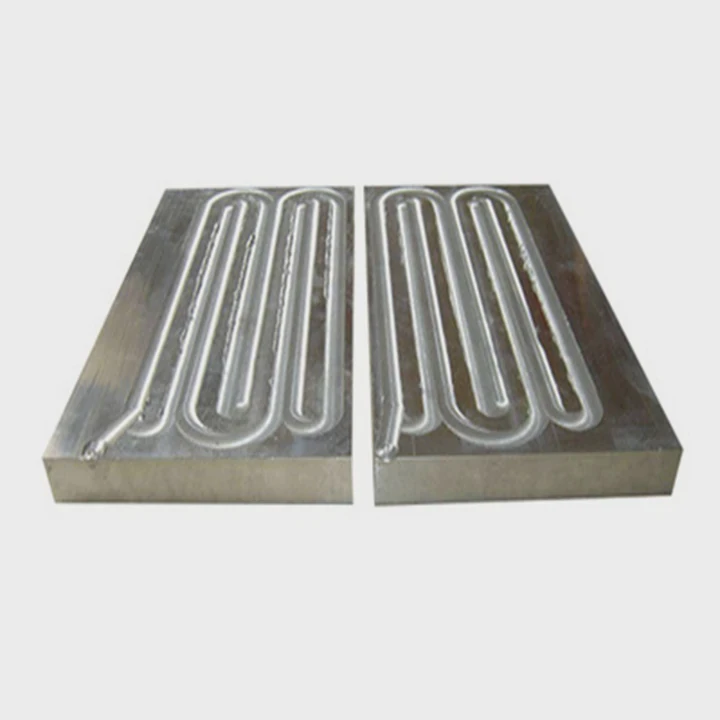
Good die design goes beyond shape. It must consider metal flow, speed, temperature, and press force. Even small design changes change how aluminum fills the die and how the part cools.
Metal flow and die geometry
How aluminum flows through the die affects profile quality. Uneven flow causes:
- Internal stresses
- Surface marks
- Distortion
- Poor dimensional control
Die designers use flow analysis to ensure the metal moves evenly. They add features like:
- Streamlined entry ports
- Balanced land lengths
- Feed chambers sized to reduce pressure spikes
Feed chamber design
The feed chamber is where aluminum enters the die. Its size and shape control speed and distribution of metal. Too small leads to high velocity and defects. Too big reduces precision.
Balanced feed chambers help uniform flow and reduce stress.
Land length and bearing design
The land is where final shaping occurs. Its length and profile affect dimensional precision. Longer lands improve control but increase friction and force needed. Shorter lands reduce force but might lose control.
Design must balance control and force.
Cooling and thermal design
Heating and cooling of die impacts final shape. Uneven die temperature causes:
- Warping
- Uneven surface
- Non‑flat fins
Cooling features in the die help maintain stable temperature. Designers place cooling lines to even out temperature differences.
Tolerance and feature accuracy
Heat sinks often have thin fins and tight tolerances. Die design must control these features. Complex fins need precise land design and matched tooling.
Engineers use CAD and simulation tools to predict final outcomes before cutting steel.
How design affects production speed
Better design also allows faster extrusion. If metal flows easily and evenly, the press can run at higher speed without defects. This boosts productivity and reduces cost per part.
Case example of bad vs good design
A poor design might let metal flow too fast in one area. The resulting fins might be bent or uneven. A good design balances flow and temperature, producing straight and uniform fins with correct spacing.
Die design steps
- Define profile shape and tolerances.
- Analyze geometry with simulation.
- Adjust feed and land design for balanced flow.
- Add cooling and thermal management features.
- Validate design digitally before machining.
Good design shortens trial runs and reduces die trials.
Can one die support multiple heat sink types?
Many customers ask if a single die can make several profiles. The short answer is sometimes, but with limits.
One die can support similar profiles with small differences if geometry allows it, but very different heat sink designs usually need separate custom dies.
This depends on how different the heat sink shapes are. If profiles share overall width and fin style, one die might work with inserts or small adjustments.
When one die works for multiple profiles
Some heat sink families share key dimensions. Dies can be designed with:
- Modular insert blocks
- Adjustable lands
- Replaceable tips
This lets you switch between similar profiles without full die remake.
Example of shared die
If two heat sinks differ only in minor fin spacing or number of small features, a modular die can adjust those features. The base die holds main cavity, while inserts shape outer features.
Limits to die sharing
If profiles differ in:
- Overall width
- Section complexity
- Number of fins
- Wall thickness patterns
Then one die no longer works well. Trying to use one die for very different shapes leads to:
- Poor dimensional control
- Reduced metal flow balance
- Uneven cooling
- Higher scrap rate
Economic trade‑offs
Using one die for many profiles seems cheaper at first. But if quality suffers and scrap rises, costs go up. Also changing inserts takes time and increases setup errors.
Often the best solution is to design a die family. Each base die handles a group of similar profiles. This keeps quality high and allows flexibility.
Die modularity and change parts
Modern die systems can have:
- Main body
- Changeable inserts
- Replaceable lands
This design reduces cost when profiles change frequently but still keeps quality.
Example table of die reuse scenarios
| Profile Similarity | Die Strategy | Quality Impact |
|---|---|---|
| Very similar | Shared die with inserts | High quality |
| Moderate difference | Partial change parts | Good quality |
| Very different | Separate custom dies | Best quality |
When profiles are very different, a shared die is not recommended. The final parts may not meet shape or tolerance needs.
Decision factors
To decide if die reuse is possible:
- Compare profile width and shape
- Check load‑bearing areas
- Assess tolerance needs
- Estimate production volume per profile
If volumes are low and shapes vary widely, separate dies are the better choice.
What lead time is typical for die production?
Lead time matters in planning. Many people underestimate how long die making takes.
Typical custom extrusion die lead times range from 4 to 12 weeks, depending on design complexity, material, and machine availability.
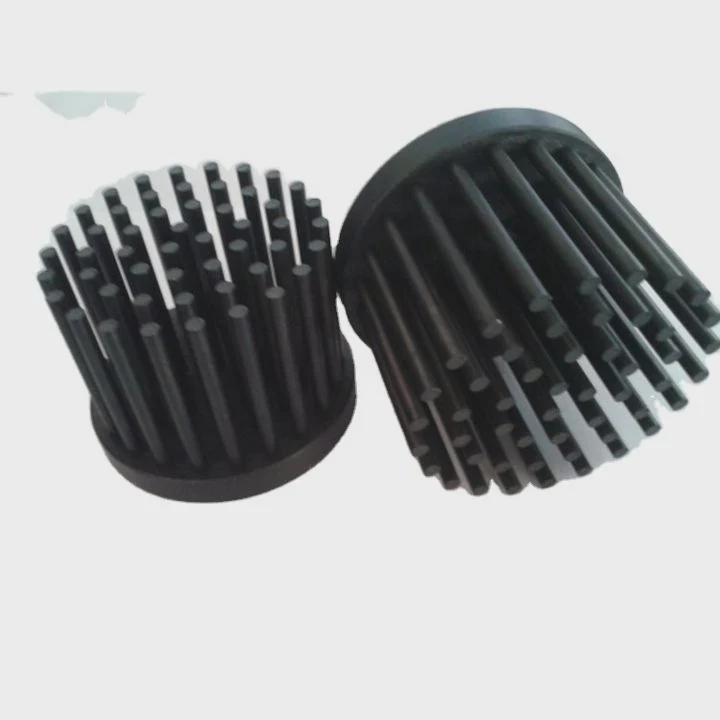
This is a general range. Simple dies for basic profiles finish faster. Complex dies with tight tolerances, cooling channels, or modular parts take longer.
Steps in die production
Die making follows clear steps. Each adds time:
- Design and review. Engineers create 3D models and validate flow. This takes days to weeks.
- Material procurement. Ordering steel and inserts adds lead time.
- Machining. Roughing and finishing of die blocks takes many hours.
- Heat treatment. Steels need hardening for wear resistance.
- Grinding and polishing. Final surface finish and precision lands.
- Assembly and inspection. Parts are assembled and measured.
- Trial extrusion. First press runs check quality and feed back adjustments.
Typical lead time factors
| Factor | Effect on Lead Time |
|---|---|
| Die complexity | High complexity adds weeks |
| Material availability | Long lead time for rare steels |
| Machine workload | Busy shops delay starts |
| Design revisions | Each revision adds days |
| Heat treatment scheduling | Backlog increases time |
Example timeline
A simple die:
- Design: 3–5 days
- Machining: 10–14 days
- Heat treat: 3–5 days
- Finish: 5–7 days
- Inspection: 1–2 days
Total: ~4–6 weeks
A complex die:
- Design: 2–3 weeks
- Machining: 3–4 weeks
- Heat treat: 1 week
- Finish: 2–3 weeks
- Trial and fixes: 1–2 weeks
Total: ~10–12+ weeks
Ways to shorten lead time
To reduce lead time:
- Provide clear profile and dimensions early
- Share expected tolerances and surface finish needs
- Approve design quickly
- Choose materials in stock
- Use advanced machining technology
Why rush can hurt quality
Speed is good, but not at the cost of quality. If design or machining is rushed:
- Dies may fail early
- Parts may not meet tolerance
- Production delays appear later
Good planning beats fast fixes.
Communication and checkpoints
Regular updates between customer and die maker help avoid delays. Early design approval and quick feedback are key. This ensures the timeline stays on track.
Conclusion
Custom extrusion dies need careful material choice, strong design, and realistic timing. The right die design improves profile quality and consistency. Some dies can support multiple profiles with modular design, but very different profiles need separate dies. Lead time varies with complexity, but planning early and clear communication help hit deadlines.
TAGS
Latest Articles

Volume discount levels for heat sink orders?
Buyers often ask when heat sink prices start to drop with volume. Many worry they’re overpaying for small orders. This guide explains how B2B volume pricing works for thermal components. Heat sink
21 Dec,2025
Heat sink long-term supply contract options?
Many buyers want stable pricing and reliable delivery for heat sinks. But without a clear contract, risks grow over time. This article explores how to secure better long-term supply deals. Long-term
21 Dec,2025
Tooling cost for new heat sink profiles?
Many engineers struggle to understand why tooling for custom heat sinks costs so much. They worry about budgeting and production timelines. This article breaks down the cost drivers behind tooling.
21 Dec,2025
Heat sink custom sample process steps?
Sometimes, starting a custom heat sink project feels overwhelming—too many steps, too many unknowns, and too many risks. You want a sample, but not endless delays. The process for requesting and
20 Dec,2025
Standard B2B terms for heat sink payments?
When buyers and sellers in B2B heat sink markets talk about payment, many don’t fully understand what’s standard. This can lead to delayed orders, miscommunication, and even lost business
20 Dec,2025
Heat sink pricing factors for large orders?
Heat sinks are vital for many systems. When prices rise, projects stall and budgets break. This problem can hit teams hard without warning. Large order heat sink pricing depends on many factors. You
20 Dec,2025Related Articles
- Heat sink export packaging requirements?
- Dimensional inspection methods for heat sink?
- Bonding methods to improve heat sink transfer?
- Heat sink machining standards for precision parts?
- what is the best CNC plasma cutter?
- How heat sink extrusion is manufactured?
- Heat sink coating durability testing methods?
- Mechanical strength standards for heat sink?
- Heat sink RoHS compliance details?
- REACH document needs for heat sink?
- UL Certification Options for Heat Sink Products?
- Heat Sink Environmental Compliance for EU Markets?
Author
Dr. Emily Chen
Chief AI Researcher
Leading expert in thermal dynamics and AI optimization with over 15 years of experience in data center efficiency research.
Categories
Latest Products






Recommend Categories
- Liquid cooling plate Manufacturer
- Industrial Heat Sink Manufacturer
- Standard Heat Sink Manufacturer
- Aluminum Heat Sink Manufacturer
- Copper Heat Sink Manufacturer
- Anodized Heatsink Manufacturer
- Stamping heat sink Manufacturer
- Die Casting Heatsink Manufacturer
- Soldering heat sink Manufacturer
- CNC Parts Manufacturer
Latest Products
- Wholesale Aluminum Radiator
- Water Cooling Plate Kit
- Water Cooling Heat Sink
- Water Cooling Heat Sink Kit
- Stainless Steel Water Distributor
- Server Water Cooling Plate Kit
- Server Liquid Cooling System
- Server Aluminum Cooling Kit
- S19 Full Cover Cooling Plate
- S19 Cooling Plate Kit
- S19 Aluminum Cooling Plate
Contact Expert
Have questions about this article? Reach out to our experts directly.