How does liquid cooling work in a motorcycle?
When you ride a high-performance motorcycle, heat builds up fast. Air alone cannot handle that much heat. That’s when liquid cooling steps in to keep the engine cool, efficient, and long-lasting.
Liquid cooling in motorcycles works by circulating coolant through channels around the engine, absorbing heat, and transferring it to a radiator where it is cooled by air.
This system allows the bike to perform better, even under heavy load or hot weather. Let’s explore how it works, what benefits it offers, and where the technology is going next.
What is liquid cooling in motorcycles and how does it work?
Every internal combustion engine generates heat. If that heat is not removed, the engine can seize, wear faster, or lose efficiency. Air cooling can only handle a certain amount, while liquid cooling manages temperature more precisely.
Liquid cooling in motorcycles uses a closed-loop system of coolant, pump, and radiator to regulate engine temperature by transferring heat away from the combustion chamber.
When I first switched from an air-cooled bike to a liquid-cooled one, the difference in smoothness was immediate. The engine ran quieter, started easier in traffic, and stayed consistent even on long highway rides.
How the System Works
Let’s break down the process step by step:
- Coolant circulation: A liquid coolant (usually a mix of water and antifreeze) flows through narrow passages built into the engine block and cylinder head.
- Heat absorption: As the coolant moves around hot areas of the engine, it absorbs the heat generated during combustion.
- Pumping action: A small mechanical or electric pump pushes the heated coolant out of the engine and into the radiator.
- Heat exchange in the radiator: The radiator has thin metal fins that increase surface area. As the bike moves, air passes through these fins and cools the liquid.
- Return cycle: The cooled liquid returns to the engine to repeat the process.
Components of the System
| Component | Function |
|---|---|
| Radiator | Releases heat from coolant to air |
| Coolant | Transfers heat through circulation |
| Water pump | Moves coolant through the system |
| Thermostat | Regulates coolant temperature |
| Hoses | Carry coolant between parts |
| Overflow tank | Stores excess coolant |
The system works like a miniature version of a car’s cooling system, designed to fit within the compact structure of a motorcycle.
Temperature Regulation
Most systems include a thermostat that opens only when the coolant reaches a certain temperature (usually around 80–90°C). This ensures the engine warms up quickly and maintains a stable operating temperature.
This constant temperature control gives liquid-cooled engines smoother power delivery, longer life, and better efficiency.
What are the benefits of liquid cooling for motorcycles?
Heat is an engine’s biggest enemy. Controlling it effectively leads to better performance and reliability. This is where liquid cooling shows its strength over air cooling.
The main benefits of liquid cooling for motorcycles are better temperature control, higher performance, longer engine life, and reduced noise.
I once owned two bikes of similar size — one air-cooled, one liquid-cooled. The liquid-cooled engine always ran stronger and smoother, especially on hot days or in traffic jams.
Key Benefits Explained
| Benefit | Description |
|---|---|
| Consistent temperature | The engine stays at an optimal temperature in all conditions. |
| Higher performance | Allows higher compression ratios and power output. |
| Longer engine life | Reduces wear from overheating or metal expansion. |
| Quieter operation | Coolant and casing dampen engine noise. |
| Better emissions control | Stable temperature improves combustion efficiency. |
| More comfort | Less heat radiates toward the rider, especially in traffic. |
Technical Advantages
- Improved fuel efficiency: With consistent combustion temperature, fuel burns more completely.
- Tighter engineering tolerances: Manufacturers can design engines with closer-fitting parts since temperature fluctuations are smaller.
- Compact design flexibility: The radiator placement allows creative frame layouts and improved aerodynamics.
- Electronic integration: Modern ECUs (engine control units) adjust ignition and fuel mapping based on coolant temperature for better performance.
When It Matters Most
In cities or during summer rides, air-cooled engines tend to overheat during idling. Liquid cooling eliminates that issue. It’s also crucial for high-revving sports bikes or long-distance touring bikes, where stable heat management ensures reliability.
How do you maintain a liquid cooling system in a bike?
Even though liquid cooling is efficient, it needs regular maintenance to stay reliable. Ignoring the system can lead to leaks, corrosion, or overheating.
To maintain a liquid cooling system in a motorcycle, you must check coolant levels, inspect hoses and radiator for leaks, replace coolant periodically, and clean debris from the radiator fins.
When I neglected coolant maintenance once, my bike started running hotter. A quick flush and refill solved the issue instantly. Simple habits can make a huge difference.
Basic Maintenance Steps
- Check coolant level: Inspect the overflow tank and top it up if it’s below the “MIN” mark. Use the manufacturer-recommended coolant only.
- Inspect hoses and joints: Look for cracks, leaks, or discoloration. Replace worn hoses immediately.
- Clean the radiator: Bugs and dirt clog the fins. Use a soft brush or low-pressure water spray to clean them.
- Coolant replacement: Change coolant every 1–2 years or as per your bike’s manual. Over time, coolant loses its corrosion inhibitors.
- Inspect radiator cap: Make sure it seals properly. A weak cap can reduce system pressure and cause overheating.
- Check thermostat operation: If the bike overheats too quickly, the thermostat might be stuck closed.
Maintenance Frequency Table
| Task | Frequency |
|---|---|
| Check coolant level | Every 500–1000 km |
| Radiator cleaning | Every 3 months |
| Hose inspection | Every 6 months |
| Coolant replacement | Every 1–2 years |
| Cap and thermostat check | Annually |
Pro Tips
- Always check coolant levels when the engine is cold.
- Never mix different coolant brands; it may cause chemical reactions or clogs.
- Use a 50⁄50 mix of distilled water and antifreeze unless the manufacturer specifies otherwise.
- Keep a small coolant bottle in your toolkit during long trips.
Regular maintenance keeps your system healthy and ensures long engine life.
What are the future trends in motorcycle liquid cooling systems?
Technology in motorcycles is changing fast. As engines become more powerful and emission standards stricter, cooling systems are evolving too.
Future trends in motorcycle liquid cooling include smart temperature control, electric pumps, eco-friendly coolants, integrated system design, and compact radiators for better efficiency.
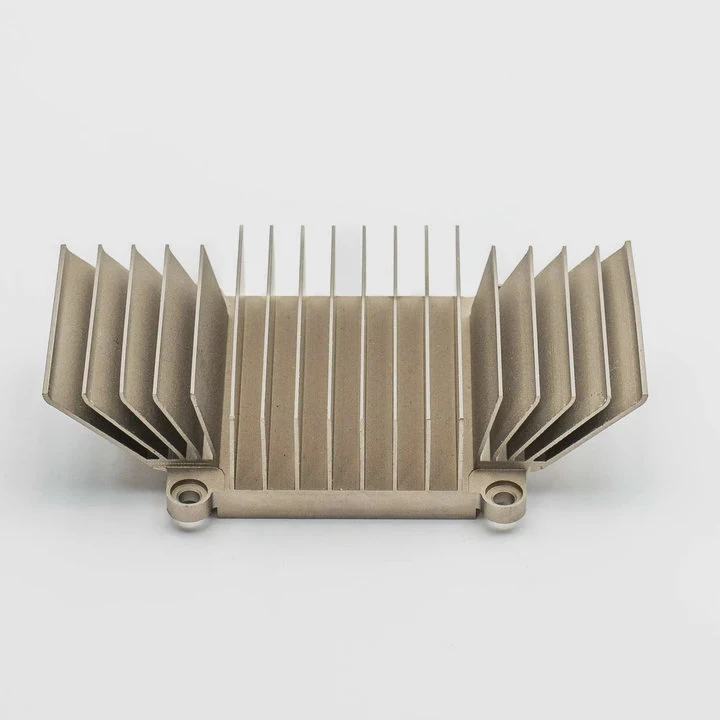
When I look at how far liquid cooling has come, it’s clear that the next stage will make motorcycles not just faster, but also smarter and greener.
1. Smart Temperature Control
Modern systems already use sensors, but upcoming bikes will use digital thermostats that communicate with the ECU. The ECU will adjust coolant flow and fan speed automatically based on riding style, speed, and ambient temperature.
This means smoother rides and more fuel efficiency without any manual control.
2. Electric Coolant Pumps
Instead of using engine-driven mechanical pumps, future models will use electric pumps. These can run even when the engine is off, helping cool the system faster after a hot ride. Electric pumps also reduce mechanical load on the engine, improving efficiency.
3. Eco-Friendly Coolants
Manufacturers are experimenting with biodegradable and non-toxic coolants. These are safer for the environment and provide better corrosion resistance. Some even have nano-additives that improve heat transfer.
4. Compact Radiator Designs
As bike frames get smaller, radiators will become more compact but more efficient. Expect to see folded fin or liquid microchannel radiators that cool faster with less airflow.
These designs will help sport and electric bikes stay lightweight while keeping powerful engines cool.
5. Integrated Thermal Systems
In hybrid or electric motorcycles, battery packs and motors also generate heat. Future cooling systems will integrate engine and battery cooling in a single loop, optimizing temperature for both.
6. Predictive Cooling via AI
Some manufacturers are testing AI-based cooling systems that analyze riding habits, weather, and road conditions to predict heat buildup and pre-adjust coolant flow.
7. Design and Aesthetics
Cooling systems are becoming part of a bike’s visual identity. Transparent coolant tubes, RGB fans, and anodized radiators are trends that merge engineering with design appeal.
Example of Future Integration
| Innovation | Description | Benefit |
|---|---|---|
| Smart sensors | ECU-controlled flow | Dynamic cooling |
| Electric pumps | Independent from engine | Better control |
| Nano coolants | Enhanced heat transfer | Higher efficiency |
| Dual-loop systems | Shared cooling for engine & battery | Lightweight integration |
As liquid cooling becomes more advanced, motorcycles will not only perform better but also last longer and meet global sustainability standards.
Conclusion
Liquid cooling in motorcycles represents the perfect balance between performance and reliability. It allows engines to run cooler, quieter, and longer, even under extreme conditions. With regular maintenance and emerging technologies like smart pumps and eco-coolants, the future of motorcycle cooling looks cleaner, smarter, and more efficient than ever before.
TAGS
Latest Articles

Volume discount levels for heat sink orders?
Buyers often ask when heat sink prices start to drop with volume. Many worry they’re overpaying for small orders. This guide explains how B2B volume pricing works for thermal components. Heat sink
21 Dec,2025
Heat sink long-term supply contract options?
Many buyers want stable pricing and reliable delivery for heat sinks. But without a clear contract, risks grow over time. This article explores how to secure better long-term supply deals. Long-term
21 Dec,2025
Tooling cost for new heat sink profiles?
Many engineers struggle to understand why tooling for custom heat sinks costs so much. They worry about budgeting and production timelines. This article breaks down the cost drivers behind tooling.
21 Dec,2025
Heat sink custom sample process steps?
Sometimes, starting a custom heat sink project feels overwhelming—too many steps, too many unknowns, and too many risks. You want a sample, but not endless delays. The process for requesting and
20 Dec,2025
Standard B2B terms for heat sink payments?
When buyers and sellers in B2B heat sink markets talk about payment, many don’t fully understand what’s standard. This can lead to delayed orders, miscommunication, and even lost business
20 Dec,2025
Heat sink pricing factors for large orders?
Heat sinks are vital for many systems. When prices rise, projects stall and budgets break. This problem can hit teams hard without warning. Large order heat sink pricing depends on many factors. You
20 Dec,2025Related Articles
- How liquid cooling system works?
- How is coolant circulated in a liquid cooled eTorque system?
- How does liquid cooled engine work?
- How does a liquid cooled computer work?
- How to liquid cool GPU?
- How to make an air cooled engine liquid cooled?
- How to check liquid cooling system?
- Does Xbox One X have liquid cooling?
- Heat Sink Manufacturer in Haiti
- Heat Sink Manufacturer in Iceland
- Heat Sink Manufacturer in Kazakhstan
- Heat Sink Manufacturer in Kyrgyzstan
Author
Dr. Emily Chen
Chief AI Researcher
Leading expert in thermal dynamics and AI optimization with over 15 years of experience in data center efficiency research.
Categories
Latest Products
Recommend Categories
- Liquid cooling plate Manufacturer
- Industrial Heat Sink Manufacturer
- Standard Heat Sink Manufacturer
- Aluminum Heat Sink Manufacturer
- Copper Heat Sink Manufacturer
- Anodized Heatsink Manufacturer
- Stamping heat sink Manufacturer
- Die Casting Heatsink Manufacturer
- Soldering heat sink Manufacturer
- CNC Parts Manufacturer
Latest Products
- Wholesale Aluminum Radiator
- Water Cooling Plate Kit
- Water Cooling Heat Sink
- Water Cooling Heat Sink Kit
- Stainless Steel Water Distributor
- Server Water Cooling Plate Kit
- Server Liquid Cooling System
- Server Aluminum Cooling Kit
- S19 Full Cover Cooling Plate
- S19 Cooling Plate Kit
- S19 Aluminum Cooling Plate
Contact Expert
Have questions about this article? Reach out to our experts directly.