How liquid cooling system works?
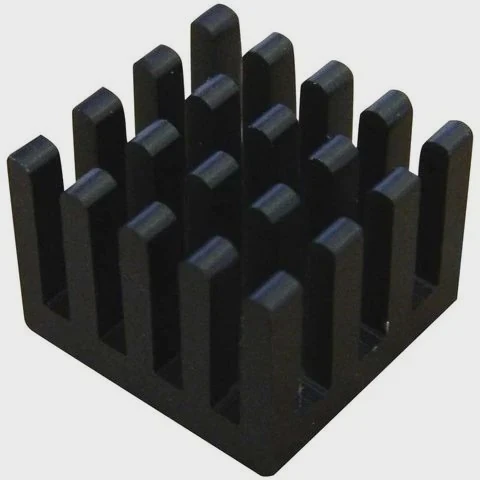
Overheating can destroy expensive hardware or sensitive equipment fast. When air cooling no longer keeps up, many industries and engineers turn to liquid cooling.
Liquid cooling uses a fluid to absorb, transfer, and dissipate heat from components more efficiently than air cooling.
It sounds complex, but the principle is simple: liquid removes heat better than air because it has higher thermal capacity and conductivity. Once you know how it flows through a system, the process becomes clear.
What is liquid cooling and how does it work?
Liquid cooling looks advanced, but it is based on basic physics: moving heat from hot areas to cooler ones.
Liquid cooling works by circulating coolant through a closed loop that absorbs heat from components and releases it through a radiator.
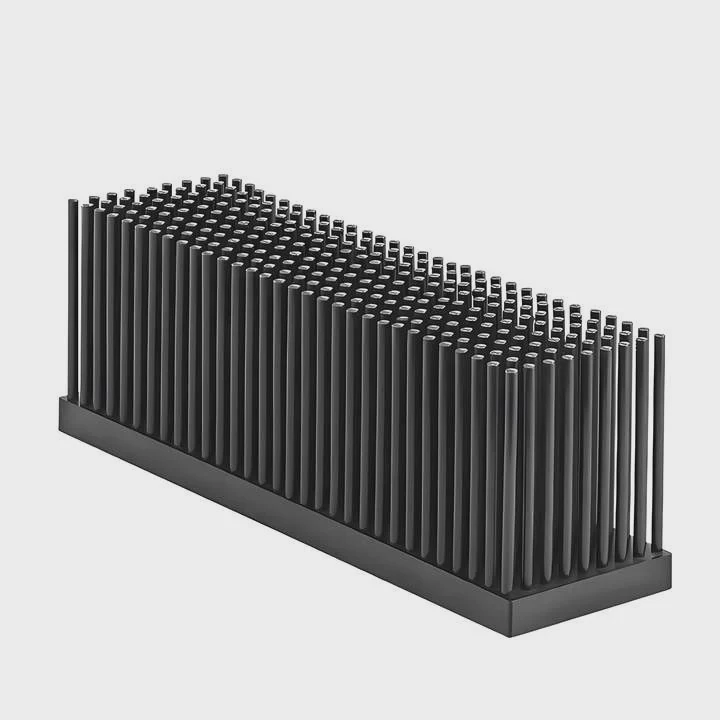
In a typical system, there are several key parts: a cold plate, a pump, tubing, and a radiator. The coolant flows through the cold plate attached to a heat source—such as a CPU, inverter, or power module. As the liquid passes through, it absorbs heat and carries it away through the tubes.
At the other end, the coolant reaches the radiator. Fans move air across the radiator fins, transferring the heat from the coolant into the air. The liquid cools down and returns to the cold plate to repeat the cycle.
Core components overview
| Component | Function | Description |
|---|---|---|
| Cold plate | Absorbs heat | Contact surface with the heat source |
| Pump | Moves coolant | Maintains constant circulation |
| Tubing | Connects system | Guides liquid between components |
| Radiator | Releases heat | Transfers heat from liquid to air |
| Reservoir | Stores coolant | Balances liquid volume and pressure |
Every part has to work together in balance. If one part fails, the whole system loses efficiency. Pumps keep the flow steady; radiators manage the final heat rejection; tubing and fittings must stay sealed to avoid leaks.
This circulation process keeps the temperature of critical parts within safe limits. In industries like power electronics, aerospace, or data centers, it allows systems to run continuously without thermal throttling or failure.
What are the benefits of liquid cooling?
Liquid cooling is not just for high-end computers or experimental systems. It provides clear advantages across industrial and engineering applications.
Liquid cooling offers higher efficiency, lower noise, and better thermal stability than air cooling, especially for dense or high-power systems.
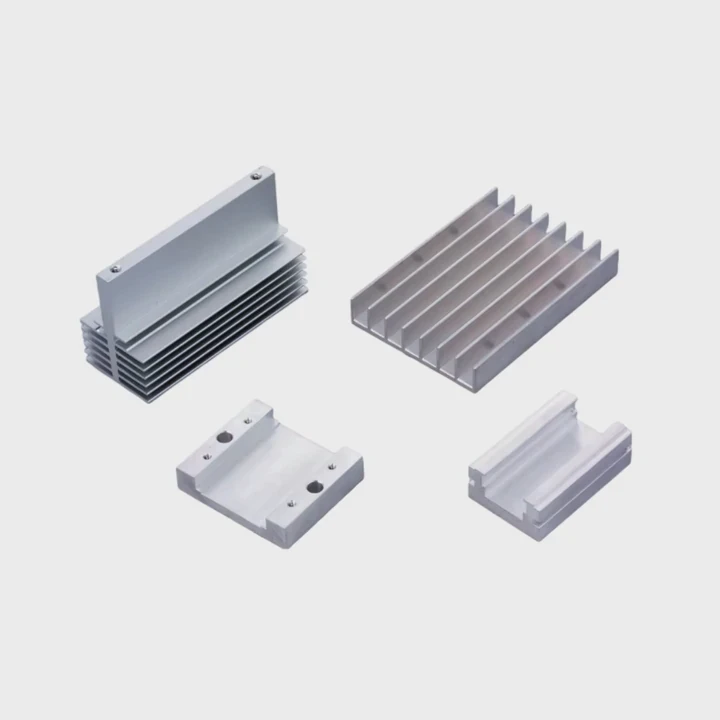
When I first worked with liquid cooling systems, the difference was immediately noticeable. Fans ran slower, noise dropped, and components stayed cooler even under full load. The temperature remained stable for hours, which was impossible with air cooling alone.
Main benefits at a glance
| Benefit | Description |
|---|---|
| Higher heat transfer | Liquids carry heat faster than air |
| Compact design | Smaller radiators replace large heat sinks |
| Silent operation | Less fan noise due to efficient transfer |
| Longer component life | Lower temperature stress and better stability |
| Energy efficiency | Reduces fan power and cooling overhead |
Detailed explanation
Liquid has a much higher thermal capacity than air. That means it can carry more heat per volume. When heat sources generate hundreds of watts or more, air cannot remove it fast enough. Liquid systems maintain narrow temperature margins and prevent thermal peaks.
Another major benefit is uniform cooling. Air coolers often leave some areas hotter due to uneven airflow. Liquid cooling spreads heat evenly through the coolant, avoiding hot spots.
It is also ideal for enclosed or sealed systems where airflow is limited. In such cases, liquid can carry heat to a remote radiator or external cooling unit. This flexibility is one reason why modern electric vehicles and servers increasingly use liquid systems.
How does liquid cooling compare to other cooling methods?
There are many cooling technologies, from air and vapor chambers to phase-change systems. Each has its own role depending on design goals.
Liquid cooling outperforms air cooling in heat transfer and stability, but costs more and requires more maintenance.
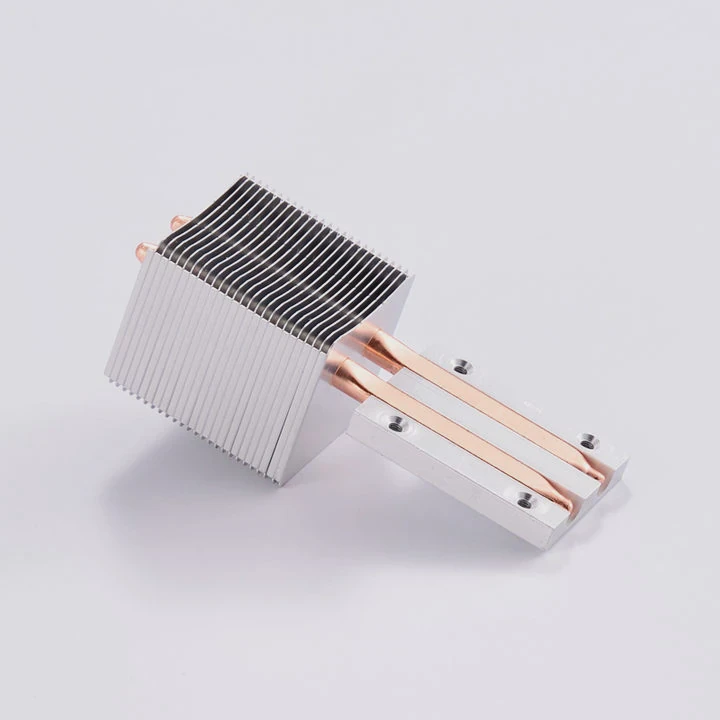
When comparing systems, it’s best to focus on thermal performance, cost, complexity, and reliability. Air cooling is simple and inexpensive but limited by airflow and ambient temperature. Liquid cooling offers better control but involves pumps, coolant, and sealing components.
Cooling method comparison
| Feature | Air Cooling | Liquid Cooling | Phase-Change Cooling |
|---|---|---|---|
| Heat transfer rate | Low | High | Very high |
| Noise level | Moderate | Low | Low |
| Maintenance | Low | Medium | High |
| Cost | Low | Medium | High |
| Application | Standard devices | High-performance or industrial | Specialized systems |
In-depth comparison
In air cooling, fans move air over fins to carry heat away. But as power density increases, air cannot transfer heat fast enough. The difference between the component temperature and ambient air becomes too large.
Liquid systems solve this by moving heat through dense coolant, allowing smaller temperature gradients and consistent control. However, they require sealing, filling, and regular checks to prevent leaks or corrosion.
Phase-change cooling, such as using refrigerants or vapor chambers, provides even better performance but adds mechanical complexity and higher cost. For most industrial or computing applications, liquid cooling strikes the right balance between performance and reliability.
Use-case examples
I once worked on a 5G communication module where air cooling caused overheating under full transmission load. Switching to a liquid cooling loop dropped the temperature by 25°C, enabling continuous operation without throttling. In contrast, using air cooling would have required large fans and more space—something we could not afford in compact designs.
What are the future trends in liquid cooling technology?
Liquid cooling is evolving quickly as systems become more powerful and compact.
Future liquid cooling will focus on smart control, advanced materials, and energy-efficient designs for sustainable, high-density systems.
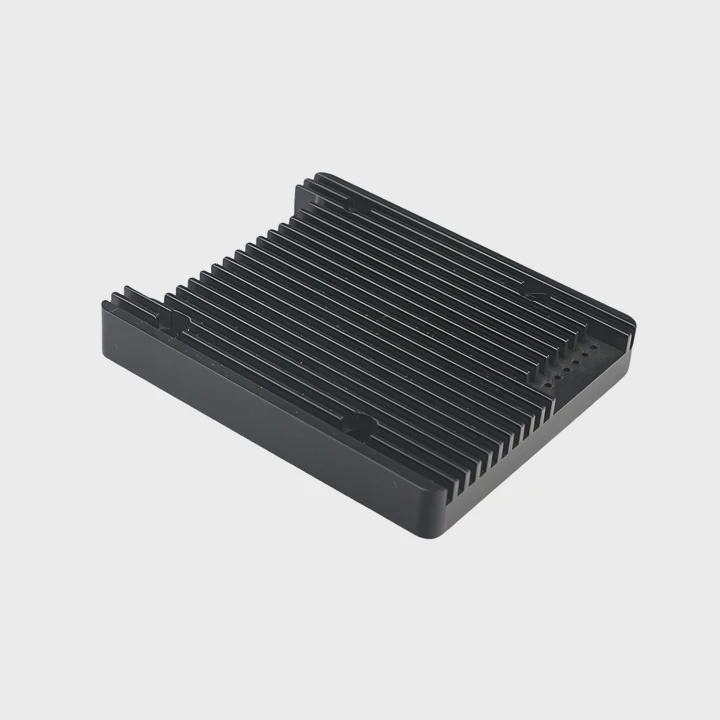
When I look at the direction of the industry, one thing is clear: systems are getting smarter. Cooling is no longer just a passive process. It is becoming part of the active management of power and performance.
Upcoming innovations
| Trend | Description | Impact |
|---|---|---|
| Microchannel cold plates | Fine structures improve heat transfer | Higher efficiency for compact devices |
| Dielectric fluids | Non-conductive liquids enable direct immersion | Simplifies design and prevents short circuits |
| AI-driven control | Real-time monitoring and flow adjustment | Predictive and adaptive cooling |
| Modular designs | Easy integration into different systems | Lower design and maintenance cost |
| Sustainable coolants | Eco-friendly, non-toxic fluids | Meets environmental regulations |
Smart monitoring and automation
Modern systems now integrate sensors that track temperature, pressure, and flow rate. Software analyzes these parameters and adjusts the pump speed or fan curve automatically. This keeps performance stable while saving energy.
Some manufacturers already use AI-based predictive maintenance. The system learns normal temperature and flow patterns, then warns users before problems occur. It prevents downtime and reduces manual inspection needs.
Material and design evolution
Materials are also changing. New cold plates use microchannel structures that increase the surface area in contact with coolant. This boosts efficiency without needing more liquid flow.
In the data center and electric vehicle industries, dielectric immersion cooling is gaining attention. In this method, entire components are submerged in a non-conductive fluid. It removes heat evenly and eliminates the need for complex tubing.
Environmental focus
Sustainability is becoming a top priority. Many traditional coolants contain glycols or additives that are not environmentally friendly. Future systems will use biodegradable or recyclable fluids. This shift supports both environmental goals and long-term material compatibility.
The next frontier
In the future, I expect liquid cooling systems to become modular and intelligent. They will adapt automatically to workload and temperature. Maintenance will be minimal, and system efficiency will approach physical limits of heat transfer.
As power density continues to increase in sectors like semiconductors, aerospace, and renewable energy, liquid cooling will move from optional to essential.
Conclusion
Liquid cooling works by transferring heat through circulating fluids, delivering better efficiency, lower noise, and longer component life than air cooling. With smart sensors, advanced materials, and sustainable coolants, the future of liquid cooling promises even greater reliability and energy efficiency.
TAGS
Latest Articles

Volume discount levels for heat sink orders?
Buyers often ask when heat sink prices start to drop with volume. Many worry they’re overpaying for small orders. This guide explains how B2B volume pricing works for thermal components. Heat sink
21 Dec,2025
Heat sink long-term supply contract options?
Many buyers want stable pricing and reliable delivery for heat sinks. But without a clear contract, risks grow over time. This article explores how to secure better long-term supply deals. Long-term
21 Dec,2025
Tooling cost for new heat sink profiles?
Many engineers struggle to understand why tooling for custom heat sinks costs so much. They worry about budgeting and production timelines. This article breaks down the cost drivers behind tooling.
21 Dec,2025
Heat sink custom sample process steps?
Sometimes, starting a custom heat sink project feels overwhelming—too many steps, too many unknowns, and too many risks. You want a sample, but not endless delays. The process for requesting and
20 Dec,2025
Standard B2B terms for heat sink payments?
When buyers and sellers in B2B heat sink markets talk about payment, many don’t fully understand what’s standard. This can lead to delayed orders, miscommunication, and even lost business
20 Dec,2025
Heat sink pricing factors for large orders?
Heat sinks are vital for many systems. When prices rise, projects stall and budgets break. This problem can hit teams hard without warning. Large order heat sink pricing depends on many factors. You
20 Dec,2025Related Articles
- How is coolant circulated in a liquid cooled eTorque system?
- How does liquid cooled engine work?
- How does a liquid cooled computer work?
- How to liquid cool GPU?
- How to make an air cooled engine liquid cooled?
- How to replace liquid cooling system?
- How does liquid cooling work in a motorcycle?
- How to check liquid cooling system?
- Does Xbox One X have liquid cooling?
- Heat Sink Manufacturer in Haiti
- Heat Sink Manufacturer in Iceland
- Heat Sink Manufacturer in Kazakhstan
Author
Dr. Emily Chen
Chief AI Researcher
Leading expert in thermal dynamics and AI optimization with over 15 years of experience in data center efficiency research.
Categories
Latest Products






Recommend Categories
- Liquid cooling plate Manufacturer
- Industrial Heat Sink Manufacturer
- Standard Heat Sink Manufacturer
- Aluminum Heat Sink Manufacturer
- Copper Heat Sink Manufacturer
- Anodized Heatsink Manufacturer
- Stamping heat sink Manufacturer
- Die Casting Heatsink Manufacturer
- Soldering heat sink Manufacturer
- CNC Parts Manufacturer
Latest Products
- Wholesale Aluminum Radiator
- Water Cooling Plate Kit
- Water Cooling Heat Sink
- Water Cooling Heat Sink Kit
- Stainless Steel Water Distributor
- Server Water Cooling Plate Kit
- Server Liquid Cooling System
- Server Aluminum Cooling Kit
- S19 Full Cover Cooling Plate
- S19 Cooling Plate Kit
- S19 Aluminum Cooling Plate
Contact Expert
Have questions about this article? Reach out to our experts directly.