How does liquid cooled engine work?
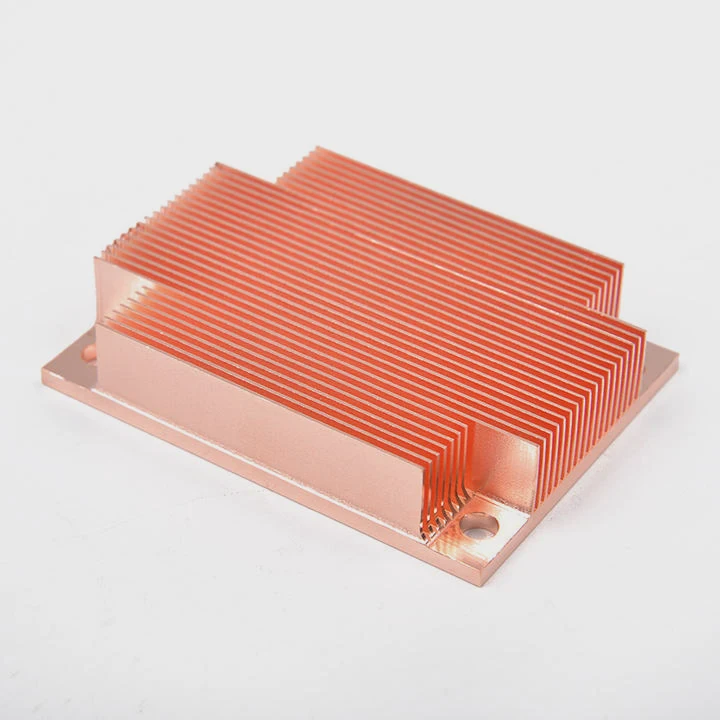
Engines generate huge amounts of heat when they run. Without proper cooling, they can seize or fail. So, how does a liquid cooled engine handle all that heat?
A liquid cooled engine works by circulating coolant through channels around the engine block, absorbing heat, and releasing it through a radiator.
The system keeps temperature stable, prevents damage, and improves performance. Let’s dive deeper into how this process works and why it matters.
What is a liquid cooled engine and how does it work?
Every combustion engine converts fuel into motion — and heat. Managing that heat is critical to keep the engine safe and efficient.
A liquid cooled engine uses a closed-loop coolant system to carry heat from the engine block to the radiator, where air flow cools the liquid before it cycles back again.
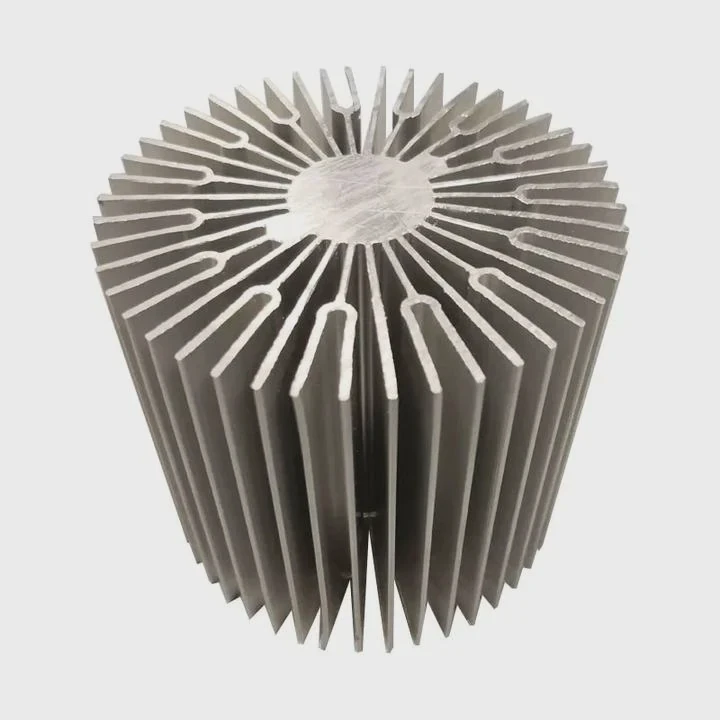
Key components of a liquid cooling system
| Component | Function |
|---|---|
| Radiator | Transfers heat from coolant to the air |
| Coolant | Fluid that absorbs and carries heat |
| Water pump | Moves coolant through the system |
| Thermostat | Controls coolant flow based on temperature |
| Hoses and passages | Guide coolant through engine and radiator |
The coolant (usually a mix of water and antifreeze) flows through the engine block and cylinder head, where it absorbs heat from combustion. It then travels to the radiator, where passing air cools it down before returning to repeat the cycle.
Step-by-step process
- The engine generates heat during combustion.
- Coolant absorbs heat and becomes warm.
- The pump pushes hot coolant to the radiator.
- The radiator cools the liquid as air passes through.
- The thermostat adjusts flow to keep temperature stable.
- Coolant returns to the engine, ready to absorb heat again.
This loop runs continuously, keeping the engine temperature steady between 85°C and 105°C — the ideal range for performance and durability.
What are the benefits of liquid cooling in engines?
Engines run smoother and last longer when they stay cool. Air cooling can work for small engines, but for cars, motorcycles, or industrial equipment, liquid cooling performs much better.
Liquid cooling provides more stable temperatures, higher efficiency, quieter operation, and longer engine life compared to air cooling.
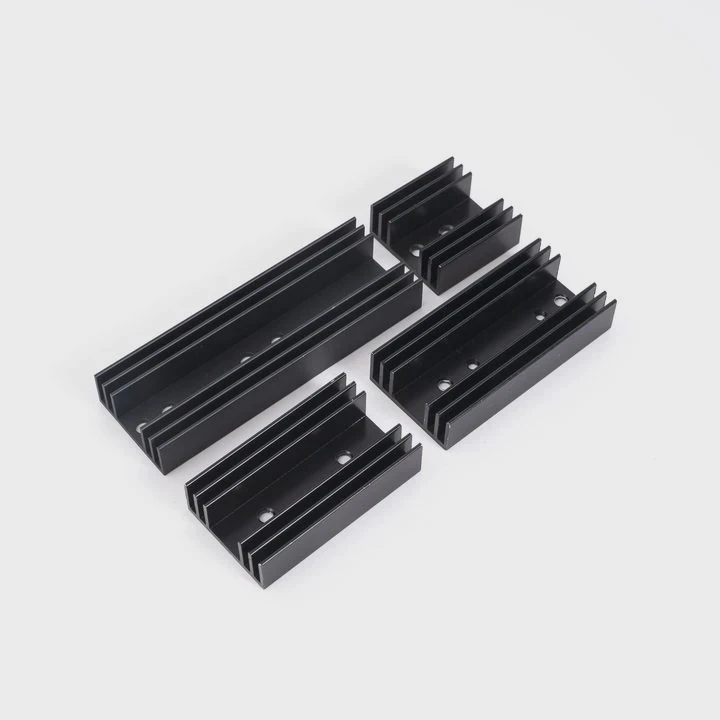
Main benefits of liquid cooling
| Benefit | Description |
|---|---|
| Better temperature control | Keeps consistent engine temperature under all conditions |
| Higher performance | Reduces power loss due to overheating |
| Quieter operation | Eliminates noisy air-cooled fins or fans |
| Longer engine life | Prevents heat stress and metal fatigue |
| Compact design | Allows smaller, more efficient engines |
Why liquid cooling matters
When an engine overheats, oil breaks down and parts expand unevenly. This can cause friction, power loss, or even engine failure. Liquid cooling prevents these issues by controlling temperature across all engine areas evenly.
It also supports higher compression ratios and turbocharging, allowing modern engines to produce more power while staying safe. That’s why nearly all automotive and industrial engines today rely on liquid cooling systems.
How do you maintain a liquid cooled engine?
Like any system, a liquid cooled engine works best when maintained properly. Without care, coolant can degrade, and corrosion or blockages may occur inside the system.
You maintain a liquid cooled engine by checking coolant levels, inspecting hoses, flushing the system regularly, and replacing coolant according to the manufacturer’s schedule.
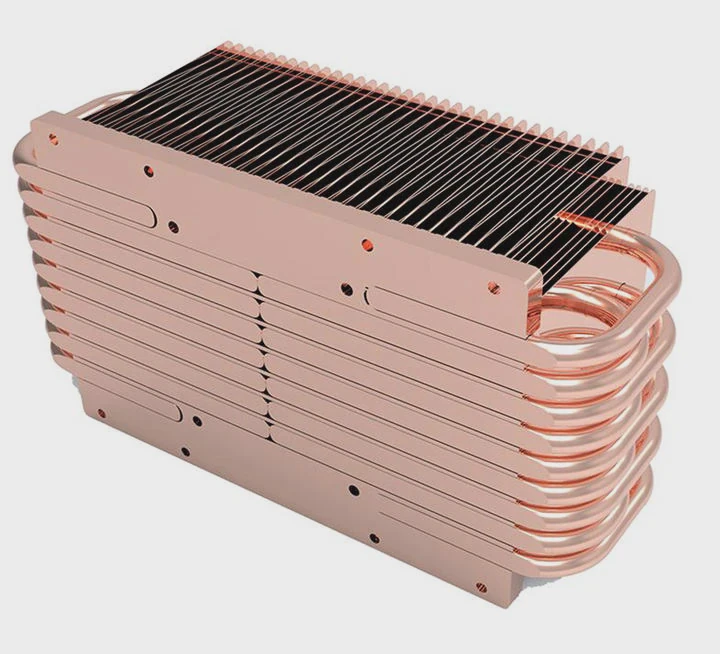
Routine maintenance checklist
| Task | Frequency | Purpose |
|---|---|---|
| Check coolant level | Monthly | Prevent overheating |
| Inspect hoses and clamps | Every 6 months | Avoid leaks |
| Replace coolant | Every 2 years | Prevent corrosion |
| Flush cooling system | Every 3–4 years | Remove buildup and scale |
| Inspect water pump | When replacing belts | Ensure reliable circulation |
Signs your cooling system needs attention
- Temperature gauge running higher than normal
- Coolant leaks under the vehicle
- White smoke or steam from the hood
- Rust-colored or dirty coolant in reservoir
- Strange noises from water pump area
Keeping the cooling system clean and filled with the right coolant prevents damage to the radiator, pump, and engine. Always use coolant recommended by the engine manufacturer, as different engines need specific antifreeze formulas and corrosion inhibitors.
What are the future trends in liquid cooled engine technology?
As engines evolve toward higher efficiency and lower emissions, liquid cooling systems are also advancing. The focus is now on smarter, lighter, and more sustainable solutions.
Future liquid cooled engines will use advanced materials, smart temperature controls, and integrated thermal systems to enhance efficiency and reduce environmental impact.
Trend 1: Smart temperature management
Modern vehicles and industrial engines now integrate electronic thermostats and sensor-based cooling control. These systems adjust coolant flow dynamically to optimize engine temperature in real time, improving both performance and fuel efficiency.
Trend 2: Lightweight and compact cooling systems
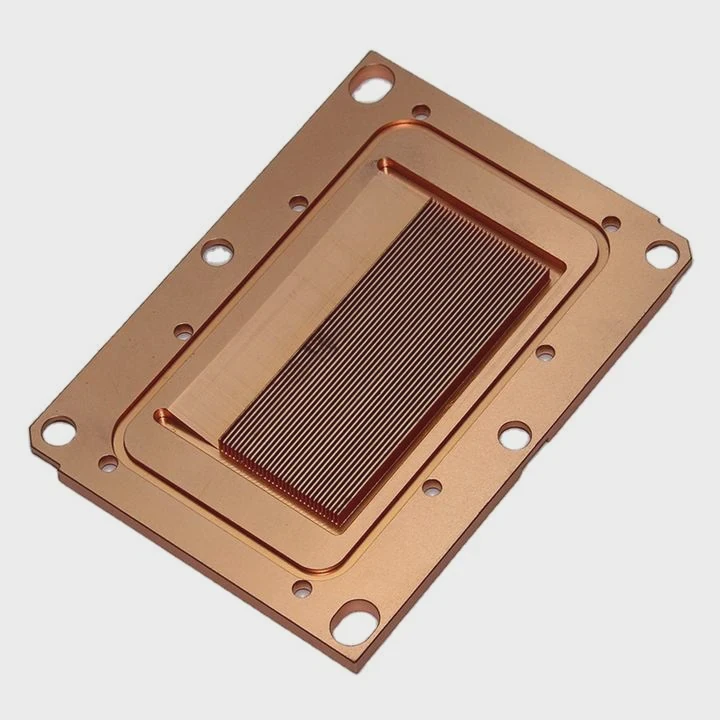
Manufacturers are developing lightweight aluminum radiators and high-efficiency microchannel heat exchangers. These designs reduce system weight and improve heat transfer while taking up less space.
Trend 3: Eco-friendly coolants
Traditional antifreeze contains ethylene glycol, which is toxic. The industry is shifting toward biodegradable coolants with better heat transfer and less environmental harm.
Trend 4: Integrated thermal systems
Future vehicles — especially electric and hybrid models — will integrate engine cooling with battery and power electronics cooling. This creates a single, unified thermal management system that balances temperature across all major components.
Trend 5: Predictive maintenance with AI
AI-driven diagnostics can predict when coolant needs replacing or when a pump may fail. Smart sensors monitor flow rate, temperature, and pressure continuously, reducing downtime and maintenance costs.
The future of liquid cooled engines lies in efficiency, intelligence, and sustainability — keeping engines cooler, cleaner, and greener than ever before.
Conclusion
A liquid cooled engine works by circulating coolant through the engine to absorb and remove heat. This system ensures stable performance, protects components, and extends engine life. With smart controls and new materials, the next generation of cooling systems will be even more efficient and sustainable.
TAGS
Latest Articles

Volume discount levels for heat sink orders?
Buyers often ask when heat sink prices start to drop with volume. Many worry they’re overpaying for small orders. This guide explains how B2B volume pricing works for thermal components. Heat sink
21 Dec,2025
Heat sink long-term supply contract options?
Many buyers want stable pricing and reliable delivery for heat sinks. But without a clear contract, risks grow over time. This article explores how to secure better long-term supply deals. Long-term
21 Dec,2025
Tooling cost for new heat sink profiles?
Many engineers struggle to understand why tooling for custom heat sinks costs so much. They worry about budgeting and production timelines. This article breaks down the cost drivers behind tooling.
21 Dec,2025
Heat sink custom sample process steps?
Sometimes, starting a custom heat sink project feels overwhelming—too many steps, too many unknowns, and too many risks. You want a sample, but not endless delays. The process for requesting and
20 Dec,2025
Standard B2B terms for heat sink payments?
When buyers and sellers in B2B heat sink markets talk about payment, many don’t fully understand what’s standard. This can lead to delayed orders, miscommunication, and even lost business
20 Dec,2025
Heat sink pricing factors for large orders?
Heat sinks are vital for many systems. When prices rise, projects stall and budgets break. This problem can hit teams hard without warning. Large order heat sink pricing depends on many factors. You
20 Dec,2025Related Articles
- How does a liquid cooled computer work?
- How to liquid cool GPU?
- How to make an air cooled engine liquid cooled?
- How to replace liquid cooling system?
- How to screw in processor liquid cooler?
- How to set up liquid cooling for your CPU?
- How is coolant circulated in a liquid cooled eTorque system?
- How liquid cooling system works?
- How does liquid cooling work in a motorcycle?
- How to check liquid cooling system?
- Does Xbox One X have liquid cooling?
- Heat Sink Manufacturer in Haiti
Author
Dr. Emily Chen
Chief AI Researcher
Leading expert in thermal dynamics and AI optimization with over 15 years of experience in data center efficiency research.
Categories
Latest Products






Recommend Categories
- Liquid cooling plate Manufacturer
- Industrial Heat Sink Manufacturer
- Standard Heat Sink Manufacturer
- Aluminum Heat Sink Manufacturer
- Copper Heat Sink Manufacturer
- Anodized Heatsink Manufacturer
- Stamping heat sink Manufacturer
- Die Casting Heatsink Manufacturer
- Soldering heat sink Manufacturer
- CNC Parts Manufacturer
Latest Products
- Wholesale Aluminum Radiator
- Water Cooling Plate Kit
- Water Cooling Heat Sink
- Water Cooling Heat Sink Kit
- Stainless Steel Water Distributor
- Server Water Cooling Plate Kit
- Server Liquid Cooling System
- Server Aluminum Cooling Kit
- S19 Full Cover Cooling Plate
- S19 Cooling Plate Kit
- S19 Aluminum Cooling Plate
Contact Expert
Have questions about this article? Reach out to our experts directly.