How is coolant circulated in a liquid-cooled eTorque system?
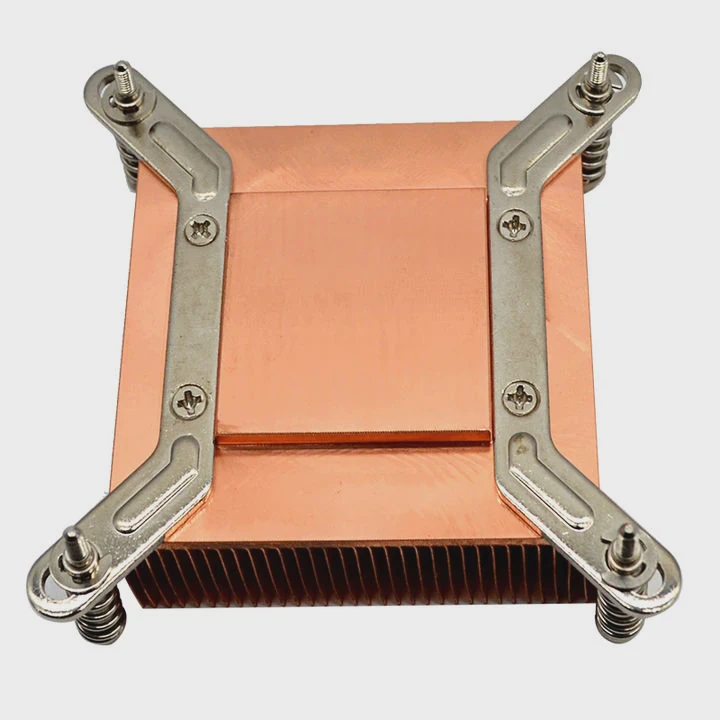
Keeping an eTorque system cool is a challenge for engineers, especially as vehicles become more compact and power-dense.
Coolant in a liquid-cooled eTorque system circulates through pumps, channels, and heat exchangers to absorb heat from electrical components and maintain safe operating temperatures.
This system ensures efficiency, stability, and longer component life — key goals for hybrid and electric vehicles.
What is a liquid-cooled eTorque system?
A liquid-cooled eTorque system is a hybrid power-assist module used in vehicles to enhance performance and fuel efficiency.
It combines a motor generator unit (MGU) with a liquid cooling circuit that manages the heat generated during energy transfer.
Understanding the concept
| Component | Function | Cooling Role |
|---|---|---|
| Motor Generator Unit | Provides torque assist and energy recovery | Main heat source |
| Battery Pack | Stores recovered electrical energy | Secondary heat source |
| Inverter | Converts DC to AC and vice versa | Generates switching heat |
| Liquid Cooling Circuit | Transfers heat to the radiator | Removes heat from all components |
In traditional belt-driven starter-generator systems, heat management relies on airflow. However, as electrical loads grow, air alone is not enough. Liquid cooling enables precise temperature control, which keeps the MGU and electronics at optimal efficiency even under load.
The eTorque module, often mounted at the front of the engine, uses coolant loops connected to the vehicle’s main radiator. By circulating coolant through internal channels around the stator and inverter, the system dissipates heat effectively, ensuring smooth hybrid operation.
Why this matters
Without efficient cooling, eTorque units can overheat, reducing regenerative braking efficiency and damaging sensitive electronics. Liquid cooling stabilizes performance, allowing continuous torque delivery during acceleration and smoother start-stop operation.
What are the benefits of coolant circulation?
Coolant circulation is the heart of thermal management in any electric-assist system.
It removes heat from high-power components, maintains stable temperatures, and improves energy conversion efficiency.
Key advantages
| Benefit | Description |
|---|---|
| Temperature Control | Keeps eTorque module and inverter at safe levels |
| Energy Efficiency | Reduces power loss due to overheating |
| Longevity | Extends lifespan of electronic parts |
| Noise Reduction | Allows quieter operation by minimizing fan use |
| Compact Design | Enables tighter packaging and smaller radiators |
A closer look
In my experience developing hybrid thermal systems, the biggest gain came from liquid-cooling’s ability to even out temperature gradients. Without it, one side of the motor might run hotter than the other, causing uneven wear or failure.
Liquid cooling ensures uniform temperature across the motor housing, which helps maintain magnetic balance and electrical efficiency. It also allows engineers to downsize auxiliary components like fans and ducts, making the engine bay quieter and more streamlined.
Moreover, the coolant system can be integrated with the vehicle’s main cooling loop, sharing the radiator with the engine. This integration reduces weight and improves thermal coordination between the combustion and electric systems.
How does coolant move through the system?
Coolant movement in a liquid-cooled eTorque setup follows a closed-loop circulation path that connects all heat-producing components.
Coolant is pumped from the reservoir through the MGU and inverter, then to the radiator where heat is released to the air before returning to the loop.
Coolant circulation path
| Step | Flow Stage | Description |
|---|---|---|
| 1 | Pump Activation | The electric coolant pump begins circulating fluid |
| 2 | Heat Absorption | Coolant flows through the MGU and inverter housings |
| 3 | Temperature Regulation | Sensors adjust flow rate based on component temperature |
| 4 | Heat Exchange | Warm coolant reaches the radiator to release heat |
| 5 | Recirculation | Cooled fluid returns to the reservoir to repeat the cycle |
System details
The process starts with an electric water pump, which is controlled by the vehicle’s electronic control unit (ECU). As soon as the eTorque system engages, the pump activates to maintain steady flow. The coolant channels are often designed as spiral or serpentine grooves inside the aluminum housing, ensuring close contact with heat sources.
Once heated, the fluid moves to the liquid-to-air radiator, where heat is expelled through airflow. In colder conditions, valves or thermostats may reroute coolant to keep temperatures within an efficient range, preventing thermal shock.
Some advanced systems include dual cooling loops — one for the inverter and one for the MGU — with different temperature targets. This dual-loop design optimizes both electronic and mechanical efficiency.
Flow control innovations
Modern systems use variable-speed pumps and intelligent valves. The ECU adjusts flow dynamically based on load, temperature, and vehicle mode. For example, during regenerative braking, the MGU produces heat quickly, and the pump responds instantly by increasing flow rate.
What are the automotive cooling innovations?
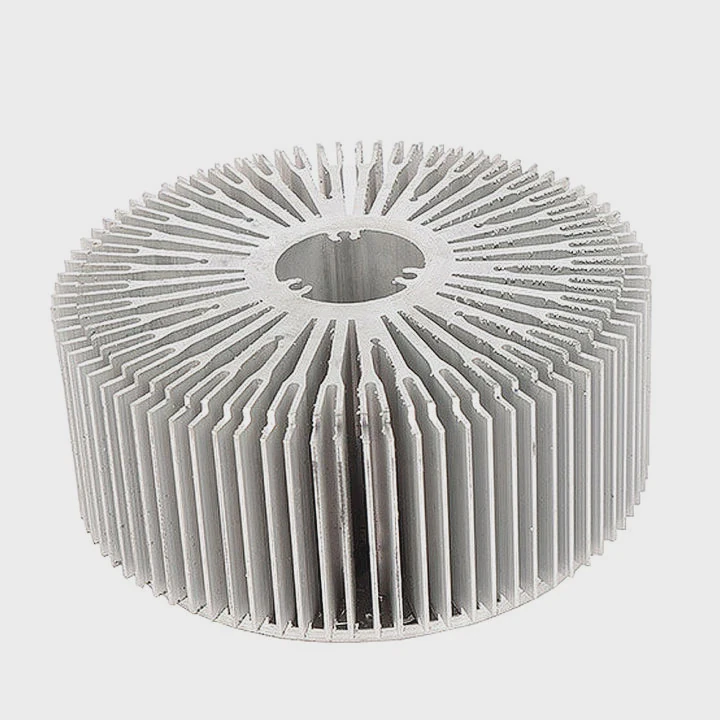
Cooling systems in modern vehicles are evolving to handle the growing power demands of hybrid and electric technologies.
Automotive cooling innovations now focus on higher efficiency, compact design, and integration with energy recovery systems.
Emerging technologies
- Microchannel Heat Exchangers – These compact radiators use tiny channels that increase surface area and improve heat transfer by up to 40%.
- Vapor Chamber Cooling – Phase-change plates spread heat evenly across modules, often replacing heavy copper structures.
- Active Thermal Control – AI-driven control units monitor multiple temperature points and adjust coolant flow automatically.
- Smart Coolant Formulations – New glycol-water mixtures improve corrosion resistance and heat capacity, extending maintenance intervals.
- Integrated Thermal Modules – Combining battery, inverter, and motor cooling into a single compact system to save space and weight.
Looking forward
The future of vehicle cooling is about efficiency and integration. Engineers are now designing systems where a single pump manages both the eTorque circuit and the main engine loop, balancing performance across hybrid modules. Some designs even use electric-driven heat pumps that can both cool and warm components depending on driving conditions.
As vehicles move toward full electrification, thermal management will become a key differentiator. Brands investing in lightweight, high-conductivity materials and smart control systems will lead the next generation of hybrid and electric powertrains.
Conclusion
Coolant circulation in a liquid-cooled eTorque system keeps electrical and mechanical parts within safe limits while boosting efficiency. By moving heat through precise channels and radiators, it stabilizes performance and extends lifespan. As innovation continues, integrated, smart, and compact cooling designs will shape the future of hybrid mobility.
TAGS
Latest Articles

Volume discount levels for heat sink orders?
Buyers often ask when heat sink prices start to drop with volume. Many worry they’re overpaying for small orders. This guide explains how B2B volume pricing works for thermal components. Heat sink
21 Dec,2025
Heat sink long-term supply contract options?
Many buyers want stable pricing and reliable delivery for heat sinks. But without a clear contract, risks grow over time. This article explores how to secure better long-term supply deals. Long-term
21 Dec,2025
Tooling cost for new heat sink profiles?
Many engineers struggle to understand why tooling for custom heat sinks costs so much. They worry about budgeting and production timelines. This article breaks down the cost drivers behind tooling.
21 Dec,2025
Heat sink custom sample process steps?
Sometimes, starting a custom heat sink project feels overwhelming—too many steps, too many unknowns, and too many risks. You want a sample, but not endless delays. The process for requesting and
20 Dec,2025
Standard B2B terms for heat sink payments?
When buyers and sellers in B2B heat sink markets talk about payment, many don’t fully understand what’s standard. This can lead to delayed orders, miscommunication, and even lost business
20 Dec,2025
Heat sink pricing factors for large orders?
Heat sinks are vital for many systems. When prices rise, projects stall and budgets break. This problem can hit teams hard without warning. Large order heat sink pricing depends on many factors. You
20 Dec,2025Related Articles
- How to know if your liquid cooling is working?
- Does liquid cooling use water?
- Is liquid cooling expensive?
- Is liquid cooling better than fans?
- Is liquid cooler better?
- How long does a liquid CPU cooler last?
- Is BMW i3 battery liquid cooled?
- How to install Corsair liquid CPU cooler?
- What is a liquid-cooled generator?
- How to know if your liquid cooler is working?
- How does AIO liquid cooling work?
- Does i7 need liquid cooling?
Author
Dr. Emily Chen
Chief AI Researcher
Leading expert in thermal dynamics and AI optimization with over 15 years of experience in data center efficiency research.
Categories
Latest Products






Recommend Categories
- Liquid cooling plate Manufacturer
- Industrial Heat Sink Manufacturer
- Standard Heat Sink Manufacturer
- Aluminum Heat Sink Manufacturer
- Copper Heat Sink Manufacturer
- Anodized Heatsink Manufacturer
- Stamping heat sink Manufacturer
- Die Casting Heatsink Manufacturer
- Soldering heat sink Manufacturer
- CNC Parts Manufacturer
Latest Products
- Wholesale Aluminum Radiator
- Water Cooling Plate Kit
- Water Cooling Heat Sink
- Water Cooling Heat Sink Kit
- Stainless Steel Water Distributor
- Server Water Cooling Plate Kit
- Server Liquid Cooling System
- Server Aluminum Cooling Kit
- S19 Full Cover Cooling Plate
- S19 Cooling Plate Kit
- S19 Aluminum Cooling Plate
Contact Expert
Have questions about this article? Reach out to our experts directly.