How Does Liquid Cooling Work in Phones?
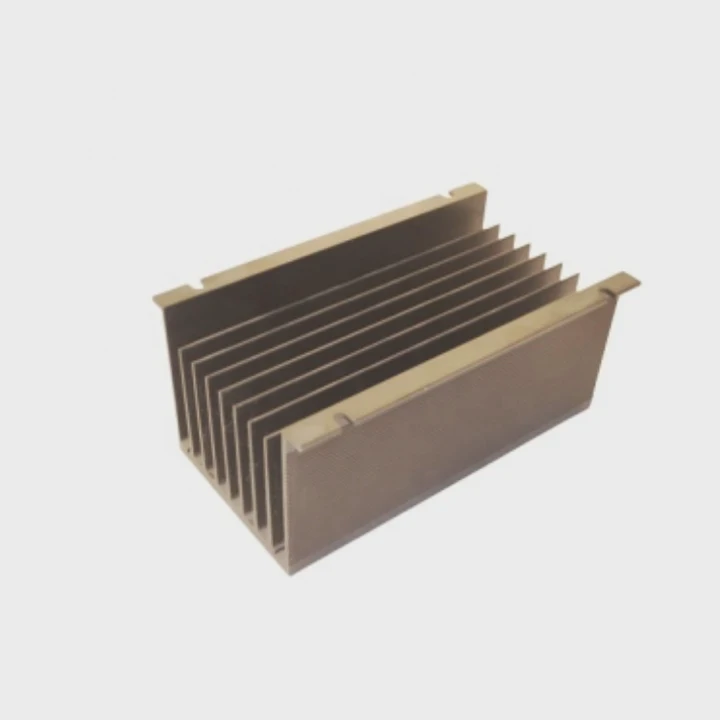
Liquid cooling in phones is becoming increasingly popular, but how exactly does it function? In this article, we’ll explore the workings of mobile liquid cooling systems and how they improve phone performance.
Mobile liquid cooling uses liquid coolant to absorb heat from the phone’s components, ensuring that the device remains cool even during heavy use.
When using high-performance apps, playing graphics-heavy games, or multitasking, smartphones tend to heat up. This article will break down how liquid cooling helps mitigate heat, the benefits it offers, and the latest innovations in mobile hardware cooling.
What Is Mobile Liquid Cooling?
Mobile liquid cooling is a technology that uses a liquid coolant to remove heat from a phone’s processor and other components. This heat is then dissipated through a heat exchanger, such as a radiator, to maintain optimal device temperature.
Mobile liquid cooling systems work by circulating coolant through a closed-loop system inside the phone to absorb and dissipate heat, preventing overheating during intense use.
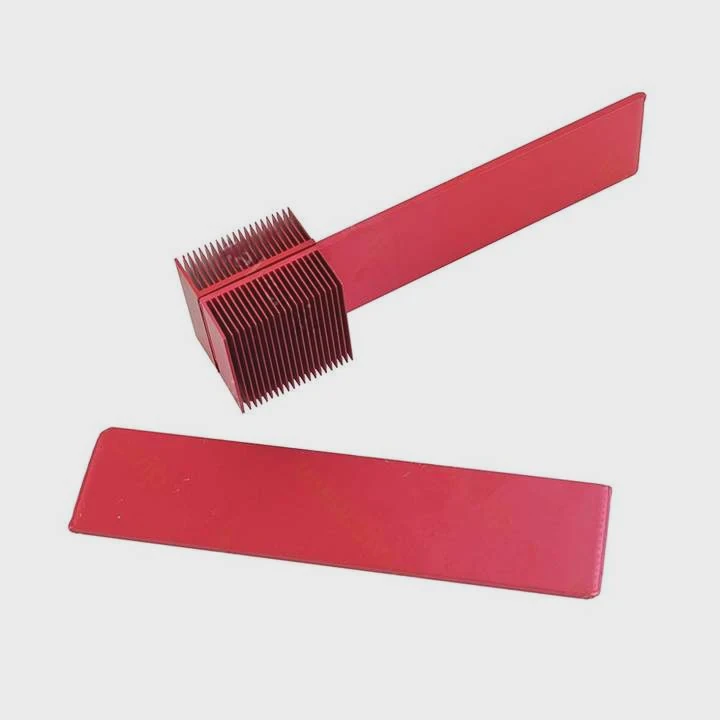
These systems are especially useful in high-performance smartphones, which can generate considerable heat during gaming or running multiple processes simultaneously. With liquid cooling, heat is efficiently moved away from the components that generate the most heat, ensuring consistent performance.
Components of Mobile Liquid Cooling Systems
A mobile liquid cooling system typically consists of the following components:
- Heat Pipe/Chamber: A special metal pipe or chamber that allows the liquid coolant to move efficiently.
- Coolant: A liquid (often a combination of water and other compounds) that absorbs heat and helps to cool the phone’s components.
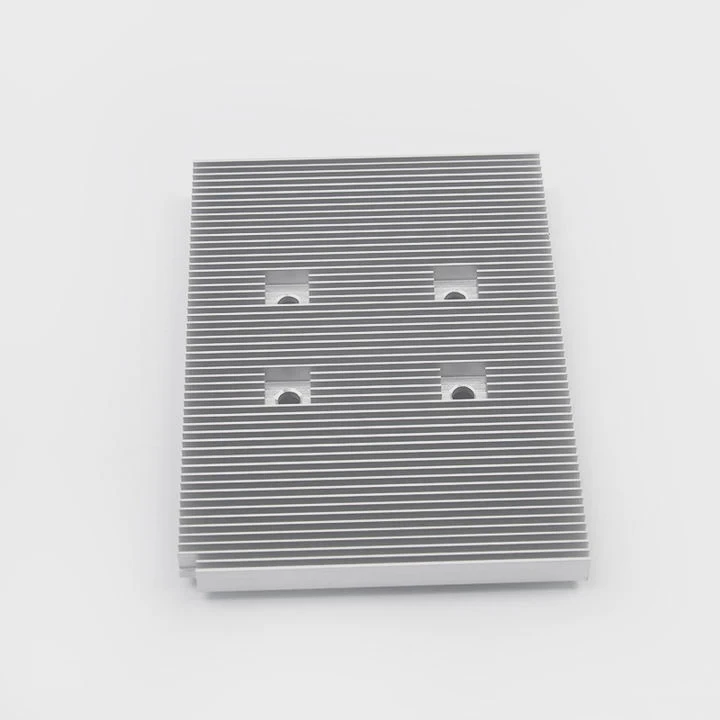
- Radiator: A structure that dissipates the heat absorbed by the coolant, usually through fins or air vents.
- Pumps and Fans: In some designs, a pump helps to circulate the coolant, while small fans may help with heat dissipation.
By efficiently distributing heat, these systems allow for smooth, uninterrupted use of mobile phones, even when processing-intensive tasks like gaming or video editing are involved.
What Benefits Does Liquid Cooling Offer for Gaming and Performance?
Liquid cooling in mobile phones provides numerous advantages, especially when it comes to gaming and high-performance tasks.
Liquid cooling systems are ideal for gamers and power users who demand consistent performance, as they keep the device cooler and help prevent thermal throttling.
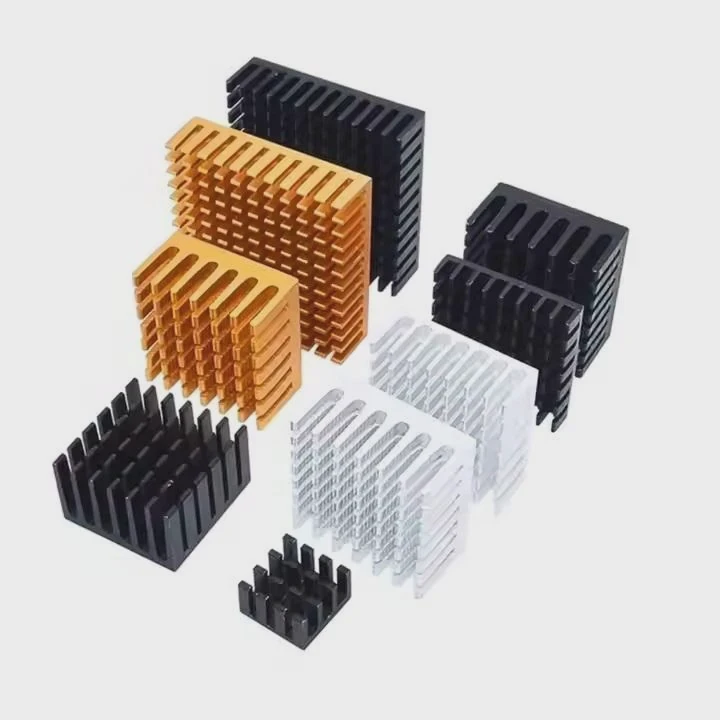
1. Prevents Overheating
Gaming, streaming, and multitasking can cause phones to heat up rapidly. If the device reaches too high a temperature, the CPU or GPU may throttle its performance to prevent damage, which can result in lag or stuttering. Liquid cooling helps regulate temperature, ensuring that the phone runs smoothly even during extended gaming sessions.
2. Enhanced Gaming Experience
With mobile gaming becoming more demanding, high-performance smartphones need effective cooling systems to provide an immersive experience. Liquid cooling allows the phone to sustain higher frame rates without heating up, offering smoother gameplay with minimal interruptions.
3. Longer Battery Life
Excessive heat can also affect a phone’s battery life, causing it to degrade faster. Liquid cooling systems help regulate temperature, preventing excessive heat that can drain the battery more quickly, thus extending its lifespan.
4. Better Multitasking and App Performance
For heavy multitasking and running resource-intensive apps, liquid cooling helps the phone manage heat while maintaining optimal performance. Whether you’re running multiple apps or streaming high-definition video, the cooling system ensures the device doesn’t slow down or overheat.
Table 1: Benefits of Mobile Liquid Cooling
| Benefit | Description |
|---|---|
| Prevents Overheating | Keeps phone cool under heavy usage, preventing thermal throttling. |
| Enhanced Gaming Experience | Ensures smooth gameplay by managing heat during intense gaming. |
| Longer Battery Life | Protects the battery from excessive heat, extending its lifespan. |
| Better Multitasking Performance | Maintains optimal performance during high-load apps or multitasking. |
How Does Heat Transfer Through the Cooling Chamber?
Heat transfer is a crucial aspect of mobile liquid cooling. The coolant absorbs heat from the phone’s components, and this heat needs to be dissipated effectively to maintain a safe temperature.
Heat transfer in the cooling chamber occurs through a process called thermal conduction, where heat moves from the hotter components to the cooler coolant.
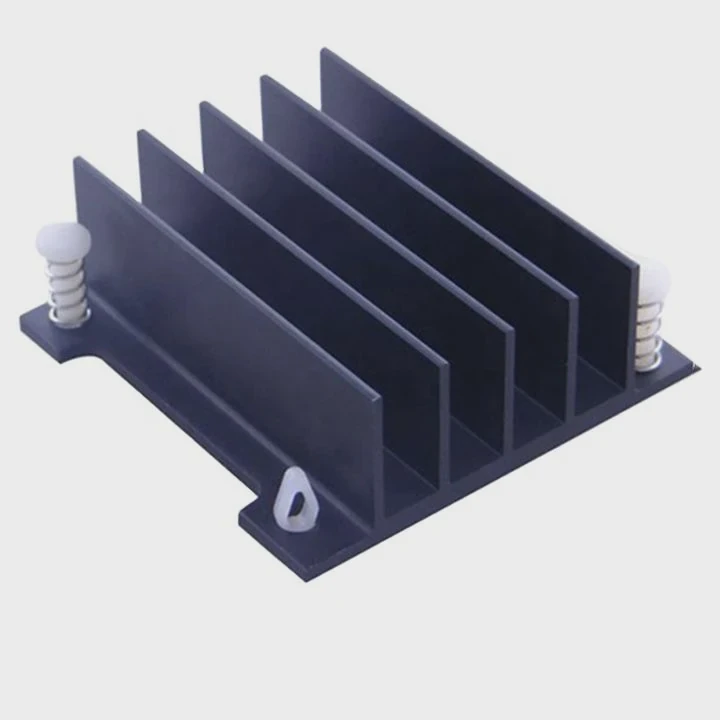
1. Heat Absorption by the Coolant
The heat transfer process begins when heat is generated by the phone’s processor (CPU), GPU, or battery during heavy usage. This heat is conducted through the materials surrounding these components and into the coolant within the cooling chamber.
2. Moving Heat to the Heat Pipe
Once the coolant absorbs the heat, it moves through a heat pipe or heat chamber in the phone. This chamber is designed to maximize the contact area with the heat-generating components to efficiently transfer heat to the coolant.
3. Heat Dissipation Through the Radiator
The coolant then moves to a radiator-like structure that helps dissipate the heat. In the radiator, the heat is released into the surrounding environment, either through small vents or other cooling mechanisms like fans or heat sinks.
4. Recirculating the Coolant
After the coolant loses its heat, it flows back into the phone’s cooling system to start the process again. This closed-loop system ensures that the phone maintains a consistent temperature, preventing overheating during heavy tasks.
Table 2: Heat Transfer Process
| Step | Description |
|---|---|
| Heat Absorption | Coolant absorbs heat from the processor, GPU, and battery. |
| Moving Heat to the Heat Pipe | Heat moves through the cooling chamber to the heat pipe. |
| Heat Dissipation | Heat is released from the coolant via the radiator or vents. |
| Recirculating the Coolant | The coolant returns to absorb more heat and the cycle repeats. |
What Are the Mobile Hardware Cooling Innovations?
As smartphones become more powerful and capable, cooling technology continues to evolve. Manufacturers are developing innovative ways to keep devices cooler while maintaining performance.
Recent innovations in mobile hardware cooling systems aim to improve efficiency, reduce size, and integrate seamlessly with smartphone designs.
1. Vapor Chambers
Vapor chambers are an advanced cooling solution used in high-end smartphones. These chambers use the phase change of liquid to vapor to absorb and spread heat evenly across the entire device. Vapor chambers are effective because they cover a larger surface area than traditional heat pipes, allowing for better heat distribution.
2. Graphene and Other Advanced Materials
Graphene, a one-atom-thick layer of carbon, has become an exciting material for cooling systems. It is an excellent conductor of heat and can dissipate heat rapidly. Some smartphones are integrating graphene sheets into their cooling systems to improve efficiency and reduce the need for bulky cooling hardware.
3. Micro Heat Pipes
Micro heat pipes are being designed for smaller form factors in smartphones. These tiny pipes can carry heat away from the processor to a radiator or heat sink, improving cooling efficiency in tight spaces. This technology is especially beneficial for thin, lightweight smartphones.
4. Active Cooling Systems
Some high-performance smartphones now include active cooling systems, such as small fans integrated into the device’s design. These systems work by forcing air through the cooling chambers to accelerate the heat dissipation process. While these solutions add some bulk, they offer a significant performance boost during gaming or video rendering.
5. Liquid Cooling with Improved Coolants
Manufacturers are experimenting with advanced cooling fluids that offer better thermal conductivity and longer-lasting performance. These fluids are designed to work more efficiently with the heat pipes, ensuring that the cooling system maintains optimal performance for extended periods.
Conclusion
Mobile liquid cooling is a powerful tool for ensuring that smartphones maintain performance under heavy loads, preventing overheating, and prolonging the life of the device. With innovations like vapor chambers, graphene integration, and active cooling systems, the future of mobile hardware cooling looks promising.
TAGS
Latest Articles

Volume discount levels for heat sink orders?
Buyers often ask when heat sink prices start to drop with volume. Many worry they’re overpaying for small orders. This guide explains how B2B volume pricing works for thermal components. Heat sink
21 Dec,2025
Heat sink long-term supply contract options?
Many buyers want stable pricing and reliable delivery for heat sinks. But without a clear contract, risks grow over time. This article explores how to secure better long-term supply deals. Long-term
21 Dec,2025
Tooling cost for new heat sink profiles?
Many engineers struggle to understand why tooling for custom heat sinks costs so much. They worry about budgeting and production timelines. This article breaks down the cost drivers behind tooling.
21 Dec,2025
Heat sink custom sample process steps?
Sometimes, starting a custom heat sink project feels overwhelming—too many steps, too many unknowns, and too many risks. You want a sample, but not endless delays. The process for requesting and
20 Dec,2025
Standard B2B terms for heat sink payments?
When buyers and sellers in B2B heat sink markets talk about payment, many don’t fully understand what’s standard. This can lead to delayed orders, miscommunication, and even lost business
20 Dec,2025
Heat sink pricing factors for large orders?
Heat sinks are vital for many systems. When prices rise, projects stall and budgets break. This problem can hit teams hard without warning. Large order heat sink pricing depends on many factors. You
20 Dec,2025Related Articles
- What is Liquid Cooling in Data Centers?
- How to Connect Liquid Cooling to a Motherboard?
- How Does Liquid Cooling Work in Bikes?
- Does RTX 3080 Need Liquid Cooling?
- How Tight to Tighten Liquid Cooler on CPU?
- Does Liquid Cooling Evaporate?
- Do You Need to Add Water to Liquid Cooling?
- What is Liquid Cooling for CPU?
- Heat Sink Manufacturer in Hungary
- Heat Sink Manufacturer in Morocco
- Heat Sink Manufacturer in Ecuador
- Heat Sink Manufacturer in Puerto Rico
Author
Dr. Emily Chen
Chief AI Researcher
Leading expert in thermal dynamics and AI optimization with over 15 years of experience in data center efficiency research.
Categories
Latest Products






Recommend Categories
- Liquid cooling plate Manufacturer
- Industrial Heat Sink Manufacturer
- Standard Heat Sink Manufacturer
- Aluminum Heat Sink Manufacturer
- Copper Heat Sink Manufacturer
- Anodized Heatsink Manufacturer
- Stamping heat sink Manufacturer
- Die Casting Heatsink Manufacturer
- Soldering heat sink Manufacturer
- CNC Parts Manufacturer
Latest Products
- Wholesale Aluminum Radiator
- Water Cooling Plate Kit
- Water Cooling Heat Sink
- Water Cooling Heat Sink Kit
- Stainless Steel Water Distributor
- Server Water Cooling Plate Kit
- Server Liquid Cooling System
- Server Aluminum Cooling Kit
- S19 Full Cover Cooling Plate
- S19 Cooling Plate Kit
- S19 Aluminum Cooling Plate
Contact Expert
Have questions about this article? Reach out to our experts directly.