How Does Liquid Cooling Work in Bikes?
Liquid cooling systems are essential in many high-performance motorcycles, but how do they actually work? Let’s take a deep dive into motorcycle liquid cooling and why it’s so important.
Motorcycle liquid cooling helps keep the engine temperature within the optimal range by circulating coolant through the engine, absorbing heat, and releasing it through the radiator.
When you push your bike to its limits, maintaining a stable engine temperature is crucial for performance and longevity. In this article, we’ll explain how liquid cooling works, its benefits, and the latest innovations in the field.
What Is Motorcycle Liquid Cooling?
Motorcycle liquid cooling is a system that uses coolant to remove heat from the engine, circulating it through various components like pipes, radiators, and pumps to maintain proper engine temperature.
Liquid cooling in motorcycles involves using a coolant mixture to absorb heat from the engine, circulate through pipes, and then dissipate heat through the radiator.
In essence, the coolant flows from the engine, through a water pump, into the radiator where it is cooled by airflow, and then returns to the engine. This continuous cycle keeps the engine within an ideal temperature range.
Components of a Motorcycle Liquid Cooling System
The main components of a liquid cooling system in motorcycles include:
- Water Pump: Circulates coolant through the engine and radiator.
- Radiator: A heat exchanger that releases absorbed heat into the surrounding air.
- Thermostat: Regulates the flow of coolant depending on the engine temperature.
- Coolant Reservoir: Holds extra coolant and allows it to expand and contract as the engine heats and cools.
- Hoses and Pipes: Connect the components and transport coolant between them.
This setup works efficiently in modern motorcycles, where engines are often under high stress and generate significant heat.
What Are the Benefits for Engine Performance?
Liquid cooling in motorcycles offers many benefits, especially when it comes to performance, efficiency, and engine lifespan.
Motorcycle liquid cooling improves engine performance by maintaining a consistent operating temperature, reducing wear and tear, and enhancing overall efficiency.
1. Maintaining Optimal Engine Temperature
The most important benefit of liquid cooling is that it maintains the engine within an optimal operating temperature. When engines get too hot, components can warp, expand, or even seize, leading to catastrophic damage. By keeping the engine cool, liquid cooling prevents these issues, allowing your bike to perform consistently.
2. Better Performance in Extreme Conditions
Motorcycles used in hot climates or under heavy riding conditions need reliable cooling. Liquid cooling ensures the engine doesn’t overheat in such situations, which can otherwise lead to reduced power output and even engine failure. With liquid cooling, the engine stays at a consistent temperature, no matter how hot the weather gets.
3. Improved Fuel Efficiency and Power
Engines that run at optimal temperatures perform better in terms of fuel efficiency and power delivery. Liquid cooling helps keep the engine running smoothly by preventing power loss due to overheating. It also improves the combustion process, resulting in better fuel efficiency and more responsive throttle control.
4. Prolongs Engine Life
By managing engine temperature, liquid cooling reduces thermal stress on the components. Over time, this helps to prevent overheating, which can degrade the engine and its components. With regular liquid cooling maintenance, the engine lasts longer and performs better over its lifetime.
Table 1: Benefits of Motorcycle Liquid Cooling
| Benefit | Description |
|---|---|
| Maintains Optimal Temperature | Keeps engine running at an efficient temperature, reducing risk of overheating. |
| Better Performance in Extreme Conditions | Prevents overheating in high-speed or high-heat environments. |
| Improved Fuel Efficiency | Enhances fuel economy and throttle response. |
| Prolonged Engine Life | Reduces engine wear caused by high temperatures. |
How Does Coolant Flow in the System?
Understanding how coolant circulates within the motorcycle’s cooling system will help explain how it works to maintain the engine’s temperature.
Coolant flows in a closed-loop system, moving from the engine to the radiator and back, continuously absorbing and releasing heat. Here’s a breakdown of how the coolant flows in the system.
1. Coolant Absorbs Heat in the Engine
The process starts when coolant enters the engine, where it absorbs heat produced by combustion. The coolant is then drawn into the water pump, which circulates the liquid throughout the system.
2. Coolant Flows Through the Radiator
From the water pump, the coolant flows through hoses or pipes to the radiator, a key component of the cooling system. In the radiator, the coolant releases the absorbed heat into the surrounding air. The radiator typically uses fins to maximize surface area and improve heat dissipation. A fan or airflow through the front of the bike helps facilitate the cooling process.
3. Thermostat Regulates the Flow
The thermostat plays a critical role in regulating coolant flow. When the engine reaches a set temperature, the thermostat opens to allow coolant to flow freely through the radiator. If the engine is still cold, the thermostat stays closed to keep the coolant within the engine, allowing it to warm up faster.
4. Coolant Returns to the Engine
Once the coolant has cooled in the radiator, it returns to the engine to absorb more heat. This cycle continues, with the coolant circulating in a closed loop to maintain the engine temperature.
This process allows the engine to stay within the optimal operating temperature range, preventing overheating or extreme fluctuations that could damage the engine.
Table 2: Coolant Flow Process
| Step | Description |
|---|---|
| Coolant Absorbs Heat | Coolant absorbs heat from the engine and begins circulating. |
| Coolant Flows to the Radiator | Heat is released from the coolant into the surrounding air via the radiator. |
| Thermostat Regulates Flow | The thermostat adjusts the flow of coolant depending on engine temperature. |
| Coolant Returns to Engine | Coolant returns to the engine to start the cycle again. |
What Are the Innovations in Motorcycle Cooling?
As motorcycle engines continue to evolve, so do the cooling technologies that keep them performing optimally. Manufacturers are constantly developing new methods to make cooling systems more efficient, compact, and cost-effective.
Recent innovations in motorcycle cooling focus on improving efficiency, reducing weight, and minimizing maintenance.
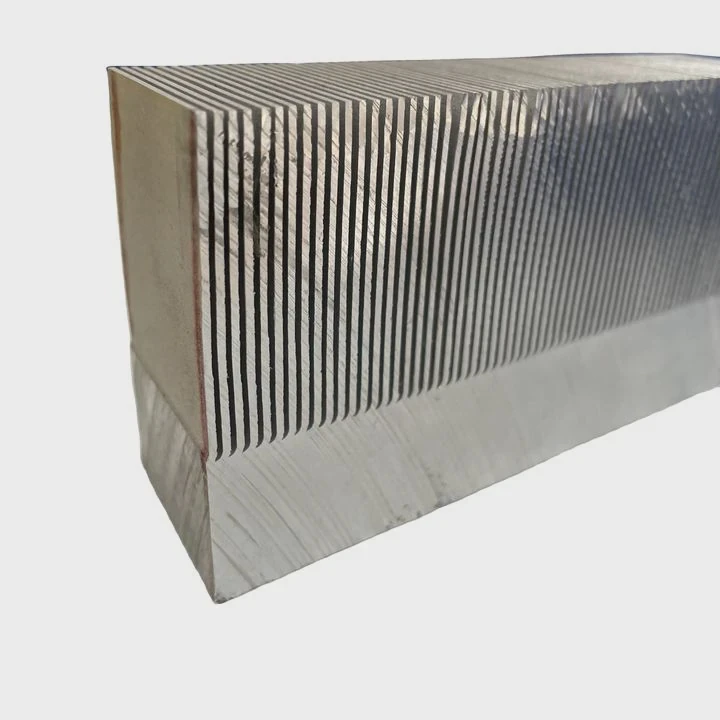
1. Advanced Radiator Designs
Modern motorcycles often feature high-efficiency radiators made from materials like lightweight aluminum. These radiators are designed with advanced fin shapes that maximize airflow and heat dissipation. The compact size and better heat dissipation capabilities of these radiators reduce overall weight, making them ideal for high-performance bikes.
2. Variable Valve Timing (VVT) and Cooling Integration
Some of the latest motorcycles are integrating Variable Valve Timing (VVT) with liquid cooling systems. VVT allows for better control of engine combustion, and when combined with liquid cooling, it helps manage temperature fluctuations more effectively. This integration optimizes engine performance across a wider range of RPMs, which is especially useful in performance motorcycles.
3. Electric Water Pumps
Electric water pumps are becoming more common in modern motorcycles. These pumps offer better control over the coolant flow compared to traditional mechanical pumps. They can be activated only when necessary, which saves energy and improves overall system efficiency. These pumps also help in maintaining a consistent flow of coolant, especially under high-performance riding conditions.
4. Radiator Fan Technology
Some motorcycles now feature electric radiator fans that can be controlled automatically or manually. These fans help cool the coolant more efficiently, especially in slow-moving traffic or when the bike is idling for extended periods. By automatically adjusting to engine temperature, these fans ensure that the engine stays within the optimal temperature range.
5. Longer Lifespan Coolants
With advances in coolant technology, newer coolants are designed to last longer, resist degradation, and offer better heat dissipation. Many modern coolants are also made with additives that prevent corrosion, rust, and buildup of contaminants, which helps maintain the overall efficiency of the cooling system.
Conclusion
Liquid cooling plays a key role in ensuring the engine operates efficiently by maintaining a consistent temperature. With innovations in pump systems, radiator designs, and coolant technology, motorcycle cooling is continually evolving to provide better performance, longer engine life, and enhanced rider experience.
TAGS
Latest Articles

Volume discount levels for heat sink orders?
Buyers often ask when heat sink prices start to drop with volume. Many worry they’re overpaying for small orders. This guide explains how B2B volume pricing works for thermal components. Heat sink
21 Dec,2025
Heat sink long-term supply contract options?
Many buyers want stable pricing and reliable delivery for heat sinks. But without a clear contract, risks grow over time. This article explores how to secure better long-term supply deals. Long-term
21 Dec,2025
Tooling cost for new heat sink profiles?
Many engineers struggle to understand why tooling for custom heat sinks costs so much. They worry about budgeting and production timelines. This article breaks down the cost drivers behind tooling.
21 Dec,2025
Heat sink custom sample process steps?
Sometimes, starting a custom heat sink project feels overwhelming—too many steps, too many unknowns, and too many risks. You want a sample, but not endless delays. The process for requesting and
20 Dec,2025
Standard B2B terms for heat sink payments?
When buyers and sellers in B2B heat sink markets talk about payment, many don’t fully understand what’s standard. This can lead to delayed orders, miscommunication, and even lost business
20 Dec,2025
Heat sink pricing factors for large orders?
Heat sinks are vital for many systems. When prices rise, projects stall and budgets break. This problem can hit teams hard without warning. Large order heat sink pricing depends on many factors. You
20 Dec,2025Related Articles
- Does RTX 3080 Need Liquid Cooling?
- How Tight to Tighten Liquid Cooler on CPU?
- Does Liquid Cooling Evaporate?
- What is Liquid Cooled?
- How Does a Liquid-Cooled Engine Work?
- Which Liquid Cools the Fastest?
- How to Connect Liquid Cooling to a Motherboard?
- What is Liquid Cooling in Data Centers?
- How Does Liquid Cooling Work in Phones?
- Do You Need to Add Water to Liquid Cooling?
- What is Liquid Cooling for CPU?
- Heat Sink Manufacturer in Hungary
Author
Dr. Emily Chen
Chief AI Researcher
Leading expert in thermal dynamics and AI optimization with over 15 years of experience in data center efficiency research.
Categories
Latest Products






Recommend Categories
- Liquid cooling plate Manufacturer
- Industrial Heat Sink Manufacturer
- Standard Heat Sink Manufacturer
- Aluminum Heat Sink Manufacturer
- Copper Heat Sink Manufacturer
- Anodized Heatsink Manufacturer
- Stamping heat sink Manufacturer
- Die Casting Heatsink Manufacturer
- Soldering heat sink Manufacturer
- CNC Parts Manufacturer
Latest Products
- Wholesale Aluminum Radiator
- Water Cooling Plate Kit
- Water Cooling Heat Sink
- Water Cooling Heat Sink Kit
- Stainless Steel Water Distributor
- Server Water Cooling Plate Kit
- Server Liquid Cooling System
- Server Aluminum Cooling Kit
- S19 Full Cover Cooling Plate
- S19 Cooling Plate Kit
- S19 Aluminum Cooling Plate
Contact Expert
Have questions about this article? Reach out to our experts directly.