how to fire heatsinks in elite dangerous?
Players in Elite Dangerous often feel nervous when heat rises quickly during combat, fuel scooping, or silent running. A quick heatsink launch can save the ship, but many pilots do not know the exact method.
To fire heatsinks in Elite Dangerous, you must equip a heatsink launcher, bind the correct deployment key, watch your heat level, and trigger the launcher when temperatures spike. Clear keybinds and good timing keep your ship safe.
Some pilots press random buttons or rely on default binds. This leads to slow reactions when heat rises. A correct setup makes heatsink use simple and reliable.
Why heat levels trigger sink use?
Heat rises fast when ships boost, fire weapons, or operate near a star. When heat hits dangerous levels, modules start to malfunction. Pilots must fire a heatsink before reaching these dangerous points.
Heat levels trigger sink use because overheating damages modules, reduces stealth, and creates risk of explosion. A heatsink drops temperature instantly, giving the pilot time to recover.
Heat builds quickly in high-power situations
High-output weapons such as lasers and railguns generate large heat spikes. Boosting thrusters also warms up the ship. Some ships warm up faster due to core design. Without active cooling, temperature climbs quickly.
Heat affects module performance
When heat rises above safe limits, modules suffer. Weapons misfire, scanners take longer, and shield modules weaken. Extreme heat even disables some functions. Pilots must avoid these penalties during combat or travel.
Silent running is a major heat source
Silent running turns off radiators. Heat no longer vents. This causes rapid buildup. A heatsink becomes essential for long silent runs or stealth approaches.
Effects of star proximity
When fuel scooping or jumping near dense star types, heat increases. A heatsink helps maintain control and avoid emergency drops.
Table: Typical heat danger ranges
| Heat Level | Effect | Risk |
|---|---|---|
| 40–60% | Normal operation | Safe |
| 70–90% | Modules begin weakening | Moderate |
| 100%+ | Damage and alarms | High |
| 150%+ | Critical damage | Severe |
Pilots fire heatsinks because they want to avoid reaching the high danger zones.
Which buttons deploy heatsinks?
Many players forget the default buttons or never change them. Without knowing the key, pilots cannot react fast enough when heat spikes suddenly.
Heatsinks deploy using the bound “Fire Chaff / Heatsink / ECM” control or the dedicated heatsink launcher trigger. This depends on your ship setup and keybind arrangement.
Default bindings vary by platform
Each platform—PC, Xbox, PlayStation—uses different default keys. Some keyboard layouts use multi-function triggers. Players must check the bindings menu to confirm their button.
Fire group assignment is required
A heatsink launcher must be placed inside a fire group, usually in a secondary slot. When the pilot presses the assigned trigger, the heatsink fires. Without assigning the launcher, nothing happens.
Fire group confusion
Some players mix their heatsink launcher with weapons. This causes accidental use during combat. A dedicated fire group avoids waste and gives better control.
HUD indicators help confirm the bind
The HUD shows when a heatsink is ready, used, or empty. When pilots press the right button, the HUD confirms the deployment through icons and audible cues.
Table: Common button setups
| Control Type | Typical Binding | Notes |
|---|---|---|
| Keyboard | Secondary fire or special function key | Needs fire group setup |
| Joystick/HOTAS | Thumb button or hat switch | Easy mid-combat access |
| Gamepad | Left bumper + face button combo | Depends on layout |
Knowing which button deploys the heatsink eliminates panic when heat levels spike.
Can keybinds be customized?
Every pilot flies differently. Some want fast-access binds, others prefer shared reactions between weapons, chaff, and heatsinks. Customizing binds makes heatsink deployment more natural.
Keybinds can be fully customized in the controls menu. Pilots can assign any button or HOTAS input to heatsink use, giving quick access during high-stress situations.
Why custom binds help
Combat gets chaotic. Pilots need instant access to heat controls. Custom binds allow you to use the same finger movements every time. This builds muscle memory.
Aim for simple physical motions
Best results come from placing the heatsink button near triggers or movement controls. This avoids hand shifting or reaching across the keyboard.
HOTAS and joystick players benefit most
HOTAS pilots often assign heatsinks to a thumb switch. This keeps the right hand free for weapons and the left hand for throttle. The result is fast, clean control.
Avoid multi-function conflicts
Some binds overlap with chaff, ECM, or special triggers. If these share a button, the ship may deploy the wrong countermeasure. Assigning heatsinks to a dedicated bind prevents confusion.
Customization examples
- Keyboard players use “V” or “C” as quick-access keys
- Gamepad players use a bumper + button combination
- HOTAS players assign a thumb switch for instant response
Custom keybinds ensure pilots never struggle to fire heatsinks at the right moment.
Do modules affect cooldown rate?
Pilots often ask why heatsinks take time before they can be used again. The cooldown depends on module design, ship build, and power distribution behavior.
Modules affect heatsink cooldown because each launcher has an internal timer, a limited ammo supply, and heat-handling behavior that links to ship power. Ship modules do not speed up cooldown, but power systems and engineering influence performance.
Heatsink launchers have fixed cooldowns
Each heatsink launcher has a built-in delay between uses. This timer prevents continuous spam. The ship must wait before firing the next sink.
Ammo capacity limits rapid use
Heatsinks come in cartridges. Each launcher holds limited ammo. When ammo runs out, cooldown no longer matters. Pilots must restock at stations.
Engineering modifies heat behavior
Engineering upgrades affect core temperature and heat buildup. These upgrades do not change heatsink cooldown but reduce the need to fire them as often.
Silent running amplifies cooldown impact
During silent running, heat rises faster. Even with heatsinks, the cooldown may feel long because the ship overheats again quickly. Pilots must time sinks carefully.
Power distribution changes heat flow
Powering high-output modules increases heat. Switching power priorities reduces buildup. While this does not change the cooldown, it lowers overall heat pressure.
Table: Factors that affect heatsink use
| Factor | Affects cooldown? | Notes |
|---|---|---|
| Launcher design | Yes | Defines cooldown time |
| Ammo supply | Indirect | Limits usage frequency |
| Engineering upgrades | No | Affects heat, not cooldown |
| Power management | No | Reduces heat demand |
| Silent running | No | Makes cooldown feel longer |
Cooldowns depend on launcher limits, not on other modules.
Conclusion
Firing heatsinks in Elite Dangerous requires correct equipment, keybinds, and timing. Heat levels trigger the need for sinks, buttons deploy them, custom binds improve control, and cooldown behavior depends on launcher mechanics. With a clean setup, you can manage heat safely and avoid damage during combat, travel, or silent running.
TAGS
Latest Articles

Volume discount levels for heat sink orders?
Buyers often ask when heat sink prices start to drop with volume. Many worry they’re overpaying for small orders. This guide explains how B2B volume pricing works for thermal components. Heat sink
21 Dec,2025
Heat sink long-term supply contract options?
Many buyers want stable pricing and reliable delivery for heat sinks. But without a clear contract, risks grow over time. This article explores how to secure better long-term supply deals. Long-term
21 Dec,2025
Tooling cost for new heat sink profiles?
Many engineers struggle to understand why tooling for custom heat sinks costs so much. They worry about budgeting and production timelines. This article breaks down the cost drivers behind tooling.
21 Dec,2025
Heat sink custom sample process steps?
Sometimes, starting a custom heat sink project feels overwhelming—too many steps, too many unknowns, and too many risks. You want a sample, but not endless delays. The process for requesting and
20 Dec,2025
Standard B2B terms for heat sink payments?
When buyers and sellers in B2B heat sink markets talk about payment, many don’t fully understand what’s standard. This can lead to delayed orders, miscommunication, and even lost business
20 Dec,2025
Heat sink pricing factors for large orders?
Heat sinks are vital for many systems. When prices rise, projects stall and budgets break. This problem can hit teams hard without warning. Large order heat sink pricing depends on many factors. You
20 Dec,2025Related Articles
- where to get legendary sandevistan heatsink?
- how to install an amd 3700x heatsink?
- how to install raspberry pi 4 heatsink?
- can a cpu run without a heatsink?
- do you need a heatsink for m 2?
- does the ssd need a heatsink?
- what should heatsinks be made of?
- do you need a heatsink for m.2 ssd for pc?
- how to make a water cooling heatsink?
- how to stick heatsink to chip?
- is heatsink necessary for m.2?
- can't find sandevistan heatsink?
Author
Dr. Emily Chen
Chief AI Researcher
Leading expert in thermal dynamics and AI optimization with over 15 years of experience in data center efficiency research.
Categories
Latest Products
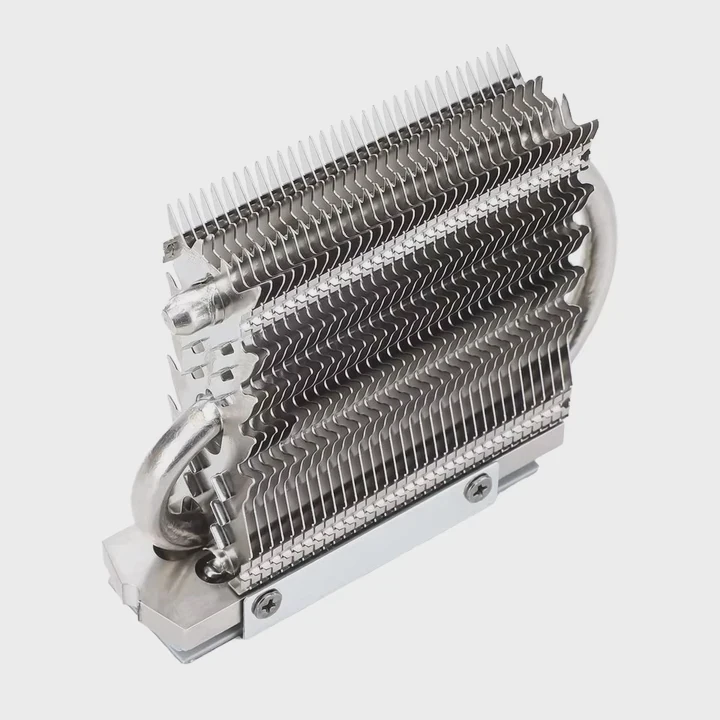
M.2 Heatpipe Heatsink With Dual Fans For Pc Case
19 Mar,2026
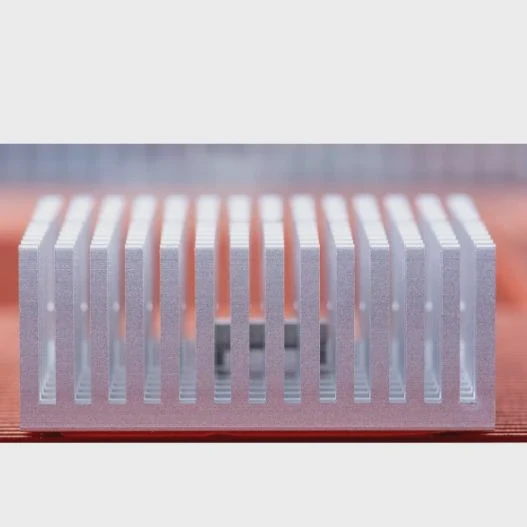
Heavy-Duty Aluminum Heat Sink Custom
19 Mar,2026
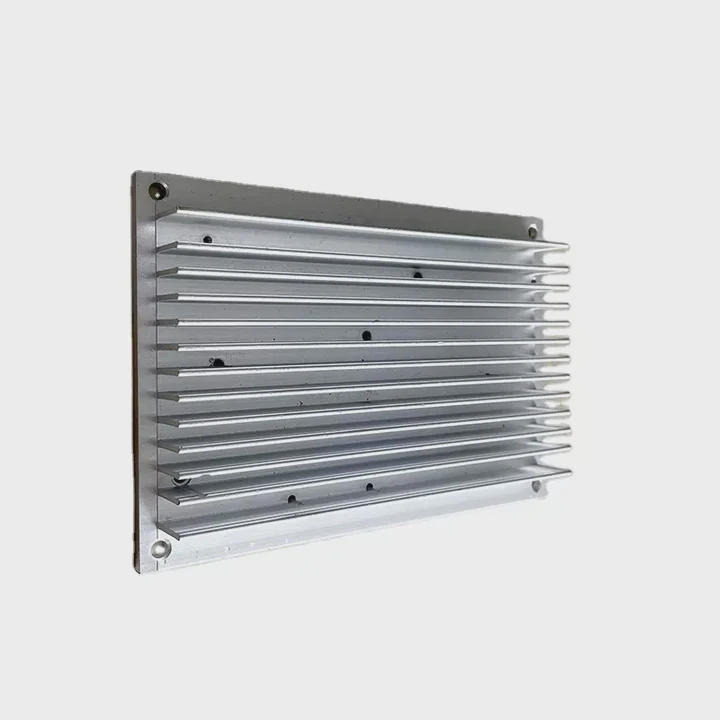
Oem Skived Fin Heatsink Aluminum Radiator For Plants
19 Mar,2026
Water Cooled Cnc Aluminum Heat Sink For Medical
19 Mar,2026
High Density 6000 Series Aluminum Heat Sink Profile
19 Mar,2026
High-Density Extruded Aluminum & Bonded-Fin Heat Sink Profile
19 Mar,2026
Recommend Categories
- Liquid cooling plate Manufacturer
- Industrial Heat Sink Manufacturer
- Standard Heat Sink Manufacturer
- Aluminum Heat Sink Manufacturer
- Copper Heat Sink Manufacturer
- Anodized Heatsink Manufacturer
- Stamping heat sink Manufacturer
- Die Casting Heatsink Manufacturer
- Soldering heat sink Manufacturer
- CNC Parts Manufacturer
Latest Products
- M.2 Heatpipe Heatsink With Dual Fans For Pc Case
- Heavy-Duty Aluminum Heat Sink Custom
- Oem Skived Fin Heatsink Aluminum Radiator For Plants
- Water Cooled Cnc Aluminum Heat Sink For Medical
- High Density 6000 Series Aluminum Heat Sink Profile
- High-Density Extruded Aluminum & Bonded-Fin Heat Sink Profile
- Dongguan Cnc Aluminum Heat Sink For Led & Brass Parts
- Wholesale Cnc Aluminum Heat Sink - Custom Extruded
- Led Cnc Round Heat Sink With Screw Holes
- Copper Pin-Fin Heat-Sink Large-Area For Photoled Cooling
- Telecom Heatsink Zipper Fin Wcopper Tubes Oem
Contact Expert
Have questions about this article? Reach out to our experts directly.