how to lower vapor pressure in a chamber?
I face vapor pressure issues in many thermal projects, and I know the stress it brings when the chamber does not stay stable. I want to show simple ideas that help solve this.
You can lower vapor pressure in a chamber when you control heat, remove vapor sources, improve sealing, and guide the vapor to a safe exit. These steps keep the chamber more stable and easier to work with.
I want to share methods that work for me in real projects. These ideas give you a clear path, so you can understand why your chamber reacts the way it does.
What methods reduce vapor pressure?
I see many chambers lose control because vapor fills the space too fast. This makes the system unstable and hard to read.
You can reduce vapor pressure by cooling the chamber, improving dryness, adding absorbent materials, increasing ventilation paths, or using mechanical pumps that pull vapor out. These steps give more control and keep pressure within your target range.
I want to go deeper into this topic because many engineers ask me why vapor pressure gets high even when they think the chamber is sealed or clean. I learned that vapor pressure rises when molecules escape from a liquid or solid surface. When they enter the chamber air, they push outward and raise the pressure. I realized that the best way to reduce this is not to fight the vapor directly but to control the conditions that create it.
Key ideas that shape vapor behavior
One idea is cooling. When I cool the surface or the chamber walls, the molecules slow down. They escape slower, and this lowers vapor pressure. Cooling can be passive, like a chilled plate, or active, like a cold loop.
Another idea is dryness. I often place desiccants, porous media, or drying cartridges near the vapor sources. These materials hold the vapor, so less enters the air. This step keeps the pressure lower for longer.
A third idea is movement. When I add airflow or a pumping path, the vapor leaves the chamber. A slow and steady extraction works better than short and strong bursts. The constant flow keeps the vapor from building up.
A fourth idea is surface area. When I reduce the exposed area of a liquid, the vapor drops. Many people forget this. If a test fluid sits in a wide tray, vapor rises fast. If it sits in a narrow tube or a covered container, much less escapes.
Practical comparison table
Below is a simple table that shows methods and what they help with:
| Method | Primary Benefit | Notes |
|---|---|---|
| Cooling surfaces | Lower evaporation rate | Works best with stable temperature control |
| Desiccants | Trap moisture or vapor | Needs replacement after saturation |
| Pumping paths | Remove vapor from chamber | Flow rate must match vapor generation |
| Smaller liquid area | Reduce vapor release | Simple but often overlooked |
Why these methods matter
When I use these steps in real tests, the chamber stays calm. I get less noise in the data. The pressure curve looks smoother. The chamber also responds faster when I make adjustments. This gives me more trust in the system. I feel confident that the chamber will not drift out of range during long experiments.
How does temperature affect pressure?
Many people ask me why vapor pressure rises when the chamber warms up. I see this pattern in almost every test.
Temperature affects vapor pressure because heat gives more energy to the molecules. As temperature rises, more molecules escape into the air, and the vapor pressure goes up. When temperature drops, the vapor pressure goes down.
I want to show how temperature acts like a simple switch for vapor behavior. When the surface warms, the molecules move faster. They break free and fill the air. They push against the chamber walls and raise the pressure. When the surface cools, the molecules slow down. They escape slower and sit closer to the liquid or solid. This change is predictable and easy to see in tests.
The link between heat and vapor
When I test a sample fluid, I often record pressure and temperature at the same time. I see a pattern. Every time the temperature jumps by a few degrees, the vapor jumps too. This link helps me adjust the chamber. If I want stability, I keep the temperature steady. If I want fast release, I warm the surface in a controlled way.
A simple cause–effect table
| Temperature Change | Vapor Behavior | Result |
|---|---|---|
| Higher temperature | Faster escape | Higher vapor pressure |
| Lower temperature | Slower escape | Lower vapor pressure |
Why this matters in chamber work
I learned that temperature control is the first tool I use. If I keep a stable heat level, the chamber stays predictable. When temperature drifts, the vapor pressure follows. This makes the readings noisy. When I fix the thermal path, the pressure curve becomes smooth. This helps when I test materials, coat surfaces, or condition small components inside the chamber.
Why adjust pressure for stability?
Many chambers are used for tests that need a safe and stable environment. I saw that small pressure shifts can ruin sensitive steps.
You adjust pressure for stability because stable pressure protects the materials, keeps the process consistent, and prevents failures in long tests. A steady pressure also gives more accurate data.
I want to explain why stability is so important. When pressure changes too fast, some materials warp. Some films lift. Some sensors drift. This leads to bad results. When I keep the pressure constant, the chamber becomes predictable. My results stay clean.
Stability and material behavior
Materials behave in simple ways when pressure stays steady. A film does not bend. A fluid does not boil. A sensor does not drift. All these small effects matter when I run a precise test. If the pressure jumps, the system becomes noisy.
H3: How unstable pressure harms the process
When pressure swings up or down, the chamber needs time to settle. During this delay, the process slows. Heat may shift. Vapor may spike. This can change the result. If I want to remove human error, I lock the pressure in a narrow band. This way, the chamber behaves the same every day.
Table: Reasons to keep stable pressure
| Reason | Impact |
|---|---|
| Protect materials | Stops warp or boil |
| Clean measurements | Reduces noise |
| Repeatable results | Same behavior each run |
Working with steady pressure
When I tune the chamber, I first measure the leak paths. I fix small leaks. Then I tune the pumping rate. Then I set temperature control. This step-by-step path keeps the pressure flat. I check the readings after 30 minutes. If the curve looks smooth, I know the system is ready.
Can vacuum systems help regulation?
Many engineers I meet wonder if a vacuum pump can solve all their pressure issues. I tell them that a pump helps, but it is not the only answer.
Vacuum systems help regulate vapor pressure because they remove air and vapor from the chamber, lower the partial pressure, and keep the conditions steady. But they work best when combined with cooling and dryness control.
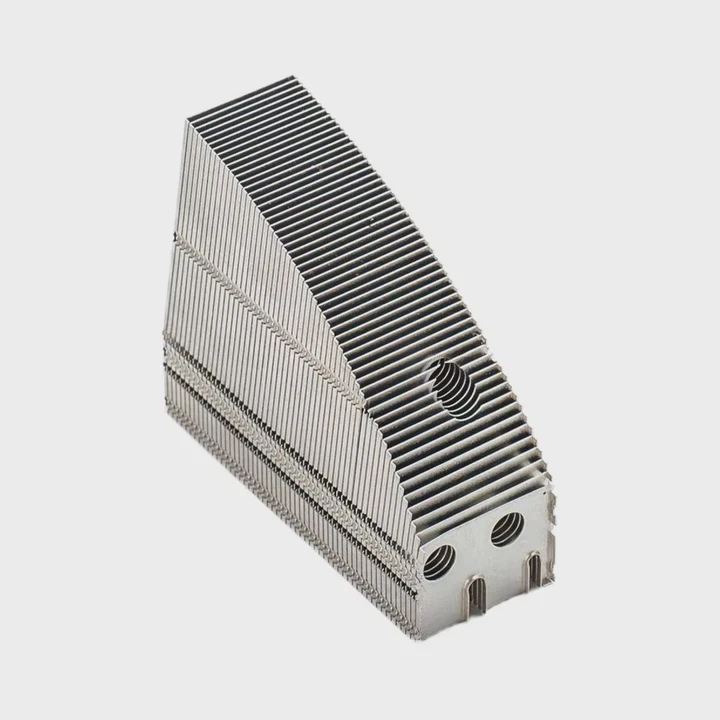
I want to show how a vacuum system fits into the bigger picture. A pump pulls air out. When the air leaves, the vapor leaves too. This lowers the partial pressure. When the partial pressure drops, the chamber becomes a low-energy space. This slows the rise of vapor. But if the chamber is hot or wet, the pump must work harder. This is why I pair the pump with cooling and drying steps.
H3: How pumps work inside a chamber system
A pump creates a flow path. Molecules move from the chamber to the pump. The flow rate depends on the pump size, path size, and leak level. If leaks are large, the pump must run fast. If leaks are small, the pump runs slow. I always measure the leak rate before I pick a pump. A good pump should match the task, not overpower it.
H3: Why pumps alone are not enough
A pump does not fix heat problems. A pump does not fix wet surfaces. A pump only moves molecules. If the chamber keeps generating vapor, the pump must run nonstop. This can add noise or heat. I found that the best setup uses cooling to slow vapor, drying to trap vapor, and a pump to remove the rest. When these parts work together, the chamber stays stable.
The system in practice
When I build a chamber setup, I start with a clean seal. Then I add the pump and set the base pressure. Then I add a cold surface to collect vapor. This reduces the load on the pump. Then I add a flow control valve. This helps me tune the pressure. When all parts work in balance, the chamber stays stable even in long tests. I can run the system for hours without drift. This is one of the best signs of a well-set chamber.
Conclusion
Stable vapor pressure makes the chamber easier to use. When I manage heat, dryness, airflow, and pump control, the system stays predictable and safe. These steps keep the chamber steady for long tests and clean measurements.
TAGS
Latest Articles

Volume discount levels for heat sink orders?
Buyers often ask when heat sink prices start to drop with volume. Many worry they’re overpaying for small orders. This guide explains how B2B volume pricing works for thermal components. Heat sink
21 Dec,2025
Heat sink long-term supply contract options?
Many buyers want stable pricing and reliable delivery for heat sinks. But without a clear contract, risks grow over time. This article explores how to secure better long-term supply deals. Long-term
21 Dec,2025
Tooling cost for new heat sink profiles?
Many engineers struggle to understand why tooling for custom heat sinks costs so much. They worry about budgeting and production timelines. This article breaks down the cost drivers behind tooling.
21 Dec,2025
Heat sink custom sample process steps?
Sometimes, starting a custom heat sink project feels overwhelming—too many steps, too many unknowns, and too many risks. You want a sample, but not endless delays. The process for requesting and
20 Dec,2025
Standard B2B terms for heat sink payments?
When buyers and sellers in B2B heat sink markets talk about payment, many don’t fully understand what’s standard. This can lead to delayed orders, miscommunication, and even lost business
20 Dec,2025
Heat sink pricing factors for large orders?
Heat sinks are vital for many systems. When prices rise, projects stall and budgets break. This problem can hit teams hard without warning. Large order heat sink pricing depends on many factors. You
20 Dec,2025Related Articles
- how to clean wax vaporizer chamber?
- how to clean vaporizer chamber?
- how to clean trippy stix vapor chamber?
- how to clean a breathing vaporizer chamber?
- how to calculate capillary limit in vapor chamber?
- How does Xbox One X vapor chamber work?
- how to make a vapor chamber?
- how to make a vapor deposition chamber?
- how to make chemical vapor deposition chamber?
- How to make vapor chamber?
- is it ok to leave cartridge in vapor chamber?
- is-vc45 vapor chambe?
Author
Dr. Emily Chen
Chief AI Researcher
Leading expert in thermal dynamics and AI optimization with over 15 years of experience in data center efficiency research.
Categories
Latest Products






Recommend Categories
- Liquid cooling plate Manufacturer
- Industrial Heat Sink Manufacturer
- Standard Heat Sink Manufacturer
- Aluminum Heat Sink Manufacturer
- Copper Heat Sink Manufacturer
- Anodized Heatsink Manufacturer
- Stamping heat sink Manufacturer
- Die Casting Heatsink Manufacturer
- Soldering heat sink Manufacturer
- CNC Parts Manufacturer
Latest Products
- Wholesale Aluminum Radiator
- Water Cooling Plate Kit
- Water Cooling Heat Sink
- Water Cooling Heat Sink Kit
- Stainless Steel Water Distributor
- Server Water Cooling Plate Kit
- Server Liquid Cooling System
- Server Aluminum Cooling Kit
- S19 Full Cover Cooling Plate
- S19 Cooling Plate Kit
- S19 Aluminum Cooling Plate
Contact Expert
Have questions about this article? Reach out to our experts directly.