how to clean trippy stix vapor chamber?
I know the vapor chamber on a Trippy Stix can get dirty fast. I also know many users feel stressed when flavor drops and airflow feels blocked. I want to show a simple way to fix this.
You clean a Trippy Stix chamber by removing the mouthpiece, soaking the chamber in warm isopropyl alcohol, wiping the residue, and letting all parts dry. This process restores airflow and flavor and keeps the device stable.
I want to guide you step by step. I want you to feel safe and confident when you maintain your device. I also want you to understand why each step matters.
What steps clean a Trippy Stix chamber?
I know many people wait too long before cleaning. They start when the device tastes burnt or sticky. This delay makes the process harder. I want you to see why fast action helps you avoid this stress.
You clean the chamber by taking it apart, soaking the inner chamber in warm alcohol, brushing off residue, wiping all parts, and letting them dry. Each step removes oil buildup and restores consistent vapor quality.
I want to explain each step slowly, because many users skip small actions that matter. When I started using vapor devices years ago, I made the same mistakes. I rushed. I used cold alcohol. I blew into the device without removing the seal. These small mistakes caused slow heating and weak vapor. Over time, I learned how each step protects the chamber, coil, and airflow.
Step-by-Step Breakdown
Step 1: Remove the mouthpiece
I hold the mouthpiece gently. I twist it. I pull it off slowly. This avoids breaking small seals. These seals keep vapor tight and stable.
Step 2: Take out the chamber
I lift the vapor chamber. I check if any oil leaks. Thick oil can hide under small edges. I try to see them clearly.
Step 3: Soak in warm alcohol
I fill a small container with warm isopropyl alcohol. I place the chamber inside. Warm alcohol lifts sticky residue. Cold alcohol works slower. Hot alcohol evaporates too fast. Warm is the balance point.
Step 4: Brush soft residue
I use a cotton swab. I use a soft brush. I move slowly. I do not press hard. Hard pressure can bend the inner structure.
Step 5: Dry completely
I leave the parts on a towel. I wait until all liquid evaporates. Even small drops can block heating. Dry parts protect the coil and the electronics.
Why These Steps Matter
I want to show the structure behind this:
| Cleaning Step | Main Purpose | User Benefit |
|---|---|---|
| Remove mouthpiece | Expose inner chamber | Easier cleaning |
| Alcohol soak | Break down oils | Less residue |
| Soft brushing | Protect chamber walls | Longer device life |
| Full drying | Avoid liquid damage | Stable heating |
I see many people rush the drying step. They think surface dryness is enough. But liquids hide in corners. When the coil heats wet residue, it burns. This smell is sharp and unpleasant. Full drying prevents this.
What I Learned Over Time
When I cleaned too fast, I damaged two chambers in one year. When I used warm alcohol correctly, I did not damage any. This simple change saved money and improved flavor. I share this because many users feel the same pain I felt before.
How do you prevent coil damage?
Many users clean the chamber but still harm the coil. I did this too when I first started. I thought the coil was strong. I thought scrubbing it made sense. But pressure destroys its shape.
You prevent coil damage by avoiding harsh scrubbing, keeping liquids away from the coil base, controlling heat cycles, and removing residue before it burns. Gentle care keeps the coil stable and prevents early failure.
When I started repairing vapor devices as a hobby, I noticed that most broken coils did not fail from age. They failed from cleaning mistakes. I want to explain these errors so you do not repeat them.
Common Causes of Coil Damage
Too much pressure
Hard tools bend the coil. Even small bends change how it heats.
Wrong cleaning liquids
Strong chemicals break the coating. Only isopropyl alcohol is safe.
Heating a dirty coil
Residue burns. Burnt residue forms a hard shell. This forces the coil to overheat.
Safe Cleaning Rules
I want to break them into a simple list:
| Wrong Action | Result | Safe Replacement |
|---|---|---|
| Scrubbing with metal tools | Coil bends | Use soft cotton |
| Using water | Rust or shorts | Use isopropyl alcohol |
| Cleaning while hot | Weakens coil | Wait for cooldown |
| Running device while wet | Electrical damage | Air dry for hours |
My Personal Experience
I remember a day when I cleaned a coil right after a long session. The metal was still hot. The cotton melted. It stuck to the coil. The coil burned unevenly after that. I had to replace the entire chamber. From that moment, I slowed down. I started to wait for the device to cool. This habit saved many coils.
Why warm alcohol helps cleaning?
Many people ask why warm alcohol matters. Some think it is optional. I used to think the same. But warm alcohol works better because oil softens under heat.
Warm alcohol helps cleaning because heat loosens thick oils, increases solvent action, and allows residue to dissolve faster. This makes the chamber easier to wipe and reduces the need for force.
I want to show the physics behind it but in simple words.
How Warm Alcohol Works
It softens residue
Thick oil becomes runny when warm. This makes it easy to lift away.
It evaporates faster
Warm alcohol dries faster. This shortens the waiting time.
It reduces friction
Soft residue needs less pressure. Less pressure protects the parts.
Temperature Guide
I learned to warm alcohol safely by placing the bottle in warm water. I never heat it directly. Direct heat can cause fumes. Warm water keeps it safe.
Here is a simple guide:
| Temperature | Effect | Notes |
|---|---|---|
| Cold | Slower cleaning | Use more soaking time |
| Warm (ideal) | Fast residue removal | Easiest and safest |
| Hot | Too fast evaporation | Not recommended |
Why This Helped Me
The first time I used warm alcohol, the difference surprised me. Thick oil slid off with no effort. Before this, I spent too much time scrubbing. Scrubbing caused scratches. Scratches trapped more oil. Warm alcohol broke this cycle.
I want you to avoid this early mistake. When residue does not come off easily, you do not need force. You only need warmth.
Can regular cleaning extend lifespan?
Many users think cleaning is optional. They clean only when airflow becomes bad. But I saw many devices fail early because of this delay. Regular cleaning is like simple maintenance for a car or computer.
Regular cleaning extends lifespan by preventing burnt residue, reducing coil stress, keeping airflow open, and avoiding overheating. A clean chamber heats evenly and lasts longer.
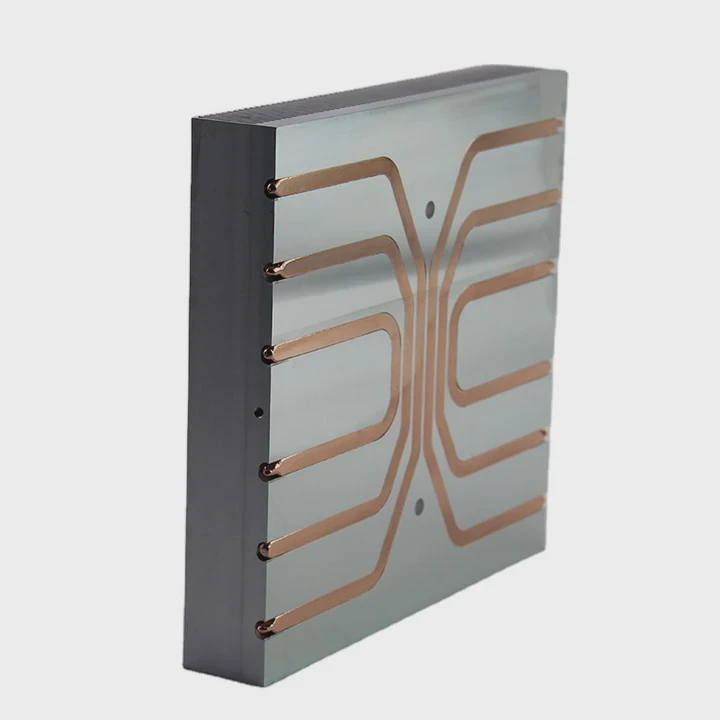
I want to show how small actions protect big parts.
Why Regular Cleaning Matters
It prevents buildup
Small residues grow into thick layers. Thick layers trap heat. Heat damages coils.
It protects airflow
Airflow holes are small. Even tiny residue affects them.
It prevents overheating
A dirty chamber forces the coil to work harder. Hard work shortens lifespan.
Cleaning Frequency Guide
| Usage Type | Cleaning Frequency | Lifespan Impact |
|---|---|---|
| Light | Every 3–4 days | Stable |
| Medium | Every 1–2 days | Longer device life |
| Heavy | Daily | Best protection |
What I Learned Over Years
I used to clean only when flavor changed. This was too late. The coil already suffered. When I switched to regular cleaning, I noticed smoother vapor. I also replaced fewer parts. This change saved time and money. It also reduced stress. Clean devices feel better to use.
I want you to feel the same improvement. Regular cleaning keeps the device simple and predictable. You do not need to repair it often. You do not worry about weak flavor or hot airflow. You enjoy a stable experience.
Conclusion
Regular cleaning of a Trippy Stix chamber keeps flavor strong, protects the coil, and avoids early damage. Warm alcohol, gentle tools, and slow care make the process safe and effective.
TAGS
Latest Articles

Volume discount levels for heat sink orders?
Buyers often ask when heat sink prices start to drop with volume. Many worry they’re overpaying for small orders. This guide explains how B2B volume pricing works for thermal components. Heat sink
21 Dec,2025
Heat sink long-term supply contract options?
Many buyers want stable pricing and reliable delivery for heat sinks. But without a clear contract, risks grow over time. This article explores how to secure better long-term supply deals. Long-term
21 Dec,2025
Tooling cost for new heat sink profiles?
Many engineers struggle to understand why tooling for custom heat sinks costs so much. They worry about budgeting and production timelines. This article breaks down the cost drivers behind tooling.
21 Dec,2025
Heat sink custom sample process steps?
Sometimes, starting a custom heat sink project feels overwhelming—too many steps, too many unknowns, and too many risks. You want a sample, but not endless delays. The process for requesting and
20 Dec,2025
Standard B2B terms for heat sink payments?
When buyers and sellers in B2B heat sink markets talk about payment, many don’t fully understand what’s standard. This can lead to delayed orders, miscommunication, and even lost business
20 Dec,2025
Heat sink pricing factors for large orders?
Heat sinks are vital for many systems. When prices rise, projects stall and budgets break. This problem can hit teams hard without warning. Large order heat sink pricing depends on many factors. You
20 Dec,2025Related Articles
- how to clean a breathing vaporizer chamber?
- how to calculate capillary limit in vapor chamber?
- How does Xbox One X vapor chamber work?
- how does xbox one x vapor chamber cooling work?
- how does vapor chamber cpu coolers work?
- how does vapor chamber cooling work on laptop?
- how to clean vaporizer chamber?
- how to clean wax vaporizer chamber?
- how to lower vapor pressure in a chamber?
- how to make a vapor chamber?
- how to make a vapor deposition chamber?
- how to make chemical vapor deposition chamber?
Author
Dr. Emily Chen
Chief AI Researcher
Leading expert in thermal dynamics and AI optimization with over 15 years of experience in data center efficiency research.
Categories
Latest Products






Recommend Categories
- Liquid cooling plate Manufacturer
- Industrial Heat Sink Manufacturer
- Standard Heat Sink Manufacturer
- Aluminum Heat Sink Manufacturer
- Copper Heat Sink Manufacturer
- Anodized Heatsink Manufacturer
- Stamping heat sink Manufacturer
- Die Casting Heatsink Manufacturer
- Soldering heat sink Manufacturer
- CNC Parts Manufacturer
Latest Products
- Wholesale Aluminum Radiator
- Water Cooling Plate Kit
- Water Cooling Heat Sink
- Water Cooling Heat Sink Kit
- Stainless Steel Water Distributor
- Server Water Cooling Plate Kit
- Server Liquid Cooling System
- Server Aluminum Cooling Kit
- S19 Full Cover Cooling Plate
- S19 Cooling Plate Kit
- S19 Aluminum Cooling Plate
Contact Expert
Have questions about this article? Reach out to our experts directly.