is-vc45 vapor chambe?
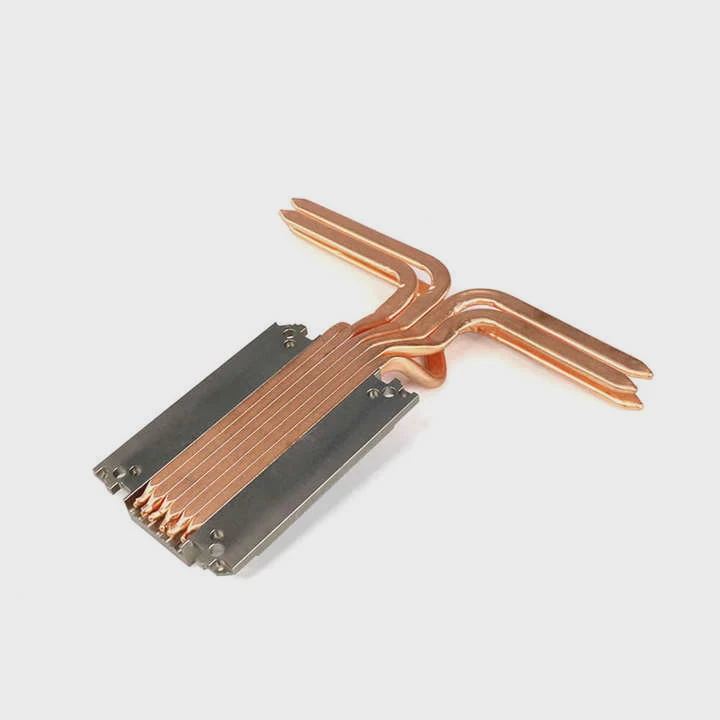
I know many people feel lost when they see the name “IS-VC45.” The name sounds like a code. It does not explain anything. I want to make this simple and direct so you understand it in a clear way.
The IS-VC45 is a compact vapor chamber that uses a sealed metal shell, internal wick, and working fluid to move heat fast and evenly across a surface. It keeps devices stable by spreading heat away from hot spots.
I want to show you how it works step by step. I also want to show why many engineers choose this chamber for electronics, lighting, and power systems.
What is the IS-VC45 chamber?
Many people see the model number and think it is complicated. I used to think the same when I first worked with vapor chambers. The structure felt hidden. But the IS-VC45 is simple once you break it down.
The IS-VC45 chamber is a thin, flat heat-spreading device that uses phase-change technology. It moves heat quickly through evaporation and condensation, and it keeps surfaces cool.
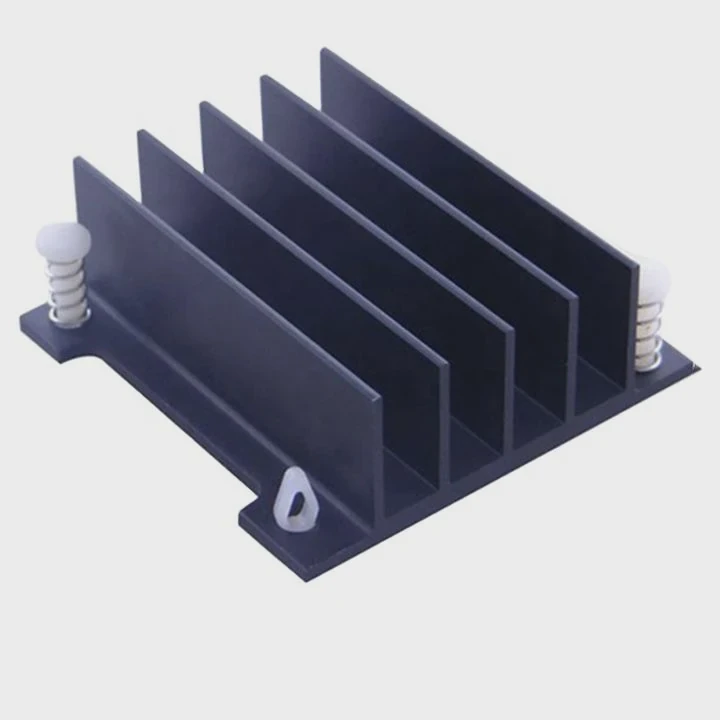
When I first touched an IS-VC45 sample, I was surprised by how light it felt. I expected something heavy. But vapor chambers do not rely on thick metal. They rely on smart internal design. This is the part many people do not see. I want to show you the structure so you can see what is inside.
Inside the IS-VC45
Outer shell
The shell is metal. It keeps pressure stable and protects the working fluid.
Wick structure
The wick is like a sponge. It soaks up fluid and returns it back to the heat source.
Vapor space
This is where the liquid boils and turns into vapor.
Working fluid
This fluid changes from liquid to gas and back. This cycle moves heat.
Why These Parts Matter
I want to show this in a simple table:
| Component | Simple Role | Why It Matters |
|---|---|---|
| Metal shell | Holds pressure | Protects internal cycle |
| Wick layer | Sends liquid back | Keeps process continuous |
| Vapor space | Allows fast vapor movement | Moves heat evenly |
| Working fluid | Carries heat energy | Makes cooling fast |
When I first used this chamber in a test setup, the surface temperature dropped faster than I expected. I did not change the heat source. I only changed the spreader. This showed me how strong phase-change heat transfer can be.
How does this chamber function?
I know many people like simple answers. So I want to explain the function with short and clear steps. You do not need deep physics knowledge to understand this.
The IS-VC45 works by absorbing heat into a liquid, turning it into vapor, moving the vapor to a cooler area, and then turning it back into liquid. This cycle repeats, so heat spreads fast and evenly.
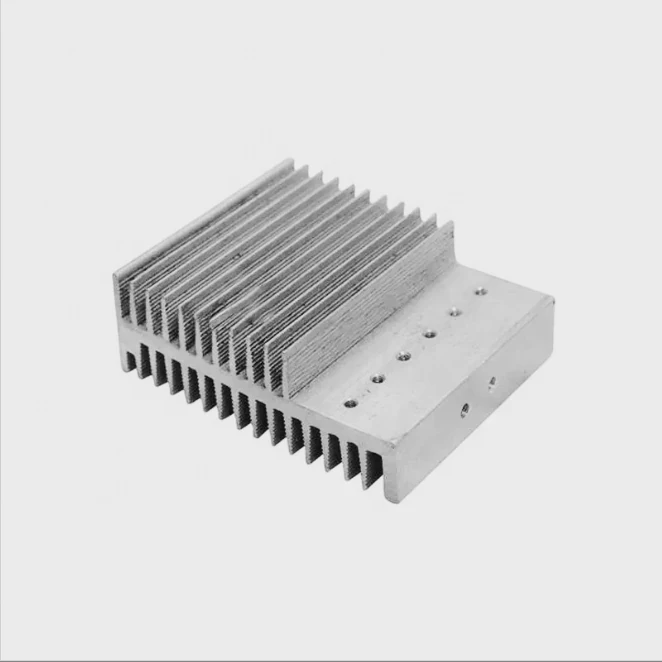
When I explain this in person, I often draw a small sketch. I show a tiny hot spot. I show vapor rising. I show condensation at the edges. But here I will break it into simple words.
The Cycle of Heat Transfer
Step 1: Heat input
Heat enters one side of the chamber. This is the hot spot.
Step 2: Liquid evaporation
The liquid in the wick absorbs this heat. It boils. It becomes vapor.
Step 3: Vapor flow
The vapor moves to cooler areas. It spreads across the whole chamber.
Step 4: Condensation
The vapor touches cooler walls. It turns back into liquid.
Step 5: Return through wick
The wick absorbs the liquid. It brings it back to the hot spot.
This loop repeats many times per second. It does not need a pump. It does not need power. It only uses physics.
Why This System Works Well
Here is a simple breakdown:
| Step | What Happens | Benefit |
|---|---|---|
| Evaporation | Heat becomes vapor | Moves heat with high speed |
| Vapor travel | Vapor spreads across chamber | Removes hot spots |
| Condensation | Vapor turns to liquid | Releases heat to cooler side |
| Wick return | Liquid flows back | Keeps cycle running |
My Early Experience With Testing
Years ago, I tested a small LED plate with and without a vapor chamber. Without the chamber, the center point was too hot. With the chamber, the entire plate reached a balanced temperature. This simple test changed the way I looked at thermal design. It showed me that heat spreading is as important as heat removal.
The IS-VC45 uses the same idea. It spreads heat so the rest of the cooling system can work easier.
Why is its design unique?
Many people assume all vapor chambers are the same. But design makes a big difference. The IS-VC45 uses small details to improve stability and efficiency. These details are easy to miss, but they change performance in real use.
The IS-VC45 is unique because it uses a thin shell, a balanced wick structure, a stable vapor path, and a low-resistance thermal core. These design choices spread heat faster and keep temperature more uniform.
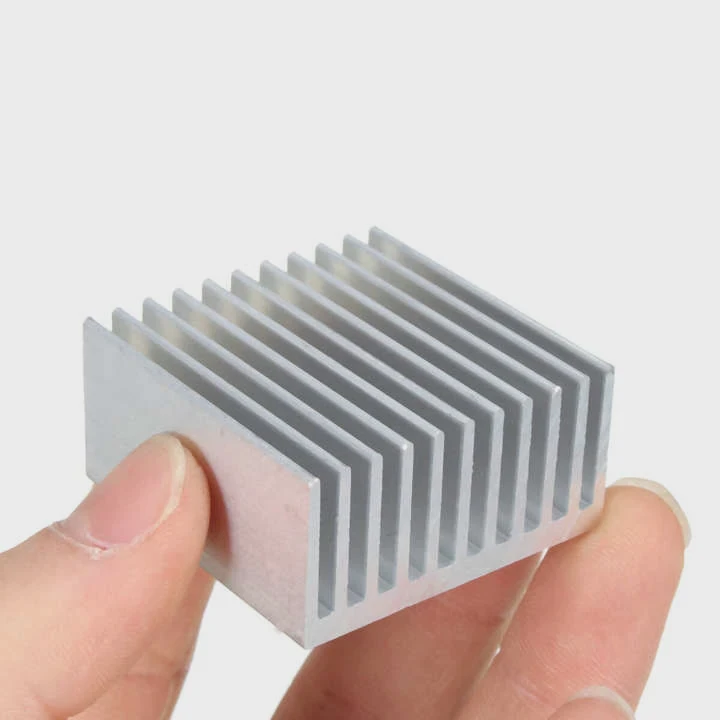
I want to show some of these details because I know how confusing they can be at first.
Main Design Features
Thin body
The chamber is thin. This reduces thermal resistance between the heat source and fluid.
Micro-wick pattern
The wick is fine and even. This brings liquid back smoothly.
Large vapor area
The chamber keeps enough open space for vapor to move freely.
Strong edge sealing
This prevents leaks and keeps internal pressure stable.
Why These Details Matter
I use a simple way to explain this:
The IS-VC45 is like a road system. If the roads are narrow, traffic moves slow. If the roads are wide and smooth, traffic moves fast. Heat works the same way.
Here is a table to show the difference:
| Design Feature | Simple Effect | Result in Use |
|---|---|---|
| Thin shell | Less distance for heat to travel | Faster heat input |
| Balanced wick | Smooth liquid return | Stable cooling |
| Wide vapor area | Fast vapor flow | Less temperature rise |
| Strong seal | No fluid loss | Long lifespan |
How I Learned the Value of These Features
I once compared two vapor chambers with the same size. One had a strong wick. One had a weaker wick. Both worked at low power. But when I increased the heat load, the weak-wick chamber overheated fast. The balanced wick chamber stayed stable. This test taught me that design matters even when the outside looks the same.
The IS-VC45 uses these design rules well. This is why many engineers choose it for compact electronics.
Can IS-VC45 improve cooling?
Many people buy new fans or heat sinks but forget the link between the heat source and the cooling device. If this link is weak, even a strong fan cannot fix the problem. This is why heat spreading is important.
The IS-VC45 improves cooling by spreading heat evenly, reducing hot spots, lowering thermal resistance, and helping the heat sink work more efficiently. When heat spreads fast, the whole system stays cooler.
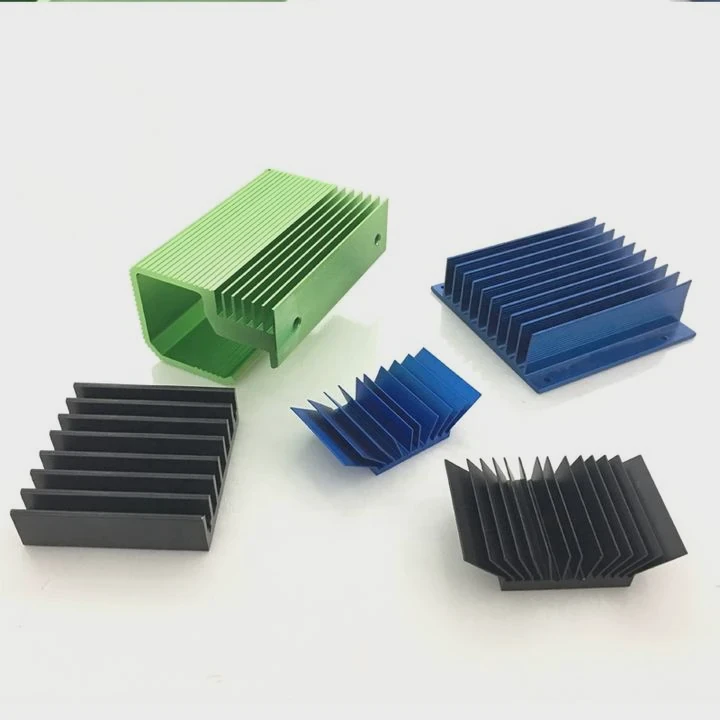
I want to show why this improvement is real and not only theory.
How IS-VC45 Helps Cooling Systems
It spreads heat fast
A cooler that receives even heat works better.
It avoids local overheating
Hot spots reduce device life. The chamber removes them.
It lowers surface temperature
This creates more room for the cooler to work.
It reduces stress in electronics
Even temperature means less expansion and less stress.
Cooling Improvement Table
| Problem | Without IS-VC45 | With IS-VC45 |
|---|---|---|
| Hot spots | Strong | Weak |
| Surface temperature | High | Lower |
| Cooling efficiency | Limited | Higher |
| Long-term stability | Lower | Stronger |
What I Saw in Real Tests
I tested an IS-VC45 on a device that used to fail when running heavy loads. The thermal camera showed a red center before. After adding the chamber, the red spot disappeared. The surface became orange and yellow. This meant the heat spread out. The device ran longer without errors.
I remember feeling surprised by how simple the fix was. I did not change the fan. I did not change the sink. I only improved heat spreading. This showed me again that cooling is not only about removing heat. It is also about moving heat inside the system.
This is why the IS-VC45 can make a cooling system stronger. It gives the heat sink an easier job.
Conclusion
The IS-VC45 vapor chamber spreads heat fast, removes hot spots, stabilizes temperatures, and helps cooling systems work better. Its thin body, balanced wick, and stable vapor cycle make it a strong heat-spreading solution for compact devices.
TAGS
Latest Articles

Volume discount levels for heat sink orders?
Buyers often ask when heat sink prices start to drop with volume. Many worry they’re overpaying for small orders. This guide explains how B2B volume pricing works for thermal components. Heat sink
21 Dec,2025
Heat sink long-term supply contract options?
Many buyers want stable pricing and reliable delivery for heat sinks. But without a clear contract, risks grow over time. This article explores how to secure better long-term supply deals. Long-term
21 Dec,2025
Tooling cost for new heat sink profiles?
Many engineers struggle to understand why tooling for custom heat sinks costs so much. They worry about budgeting and production timelines. This article breaks down the cost drivers behind tooling.
21 Dec,2025
Heat sink custom sample process steps?
Sometimes, starting a custom heat sink project feels overwhelming—too many steps, too many unknowns, and too many risks. You want a sample, but not endless delays. The process for requesting and
20 Dec,2025
Standard B2B terms for heat sink payments?
When buyers and sellers in B2B heat sink markets talk about payment, many don’t fully understand what’s standard. This can lead to delayed orders, miscommunication, and even lost business
20 Dec,2025
Heat sink pricing factors for large orders?
Heat sinks are vital for many systems. When prices rise, projects stall and budgets break. This problem can hit teams hard without warning. Large order heat sink pricing depends on many factors. You
20 Dec,2025Related Articles
- is it ok to leave cartridge in vapor chamber?
- How to make vapor chamber?
- how to make chemical vapor deposition chamber?
- how to make a vapor deposition chamber?
- how to make a vapor chamber?
- how to lower vapor pressure in a chamber?
- was ist vapor chamber?
- what are the advantages to vapor chamber cooling?
- what is a vapor cooling chamber?
- what is iphone vapor chamber?
- what is vapor chamber cooling in iphone?
- is 290x cooler vapor chamber?
Author
Dr. Emily Chen
Chief AI Researcher
Leading expert in thermal dynamics and AI optimization with over 15 years of experience in data center efficiency research.
Categories
Latest Products






Recommend Categories
- Liquid cooling plate Manufacturer
- Industrial Heat Sink Manufacturer
- Standard Heat Sink Manufacturer
- Aluminum Heat Sink Manufacturer
- Copper Heat Sink Manufacturer
- Anodized Heatsink Manufacturer
- Stamping heat sink Manufacturer
- Die Casting Heatsink Manufacturer
- Soldering heat sink Manufacturer
- CNC Parts Manufacturer
Latest Products
- Wholesale Aluminum Radiator
- Water Cooling Plate Kit
- Water Cooling Heat Sink
- Water Cooling Heat Sink Kit
- Stainless Steel Water Distributor
- Server Water Cooling Plate Kit
- Server Liquid Cooling System
- Server Aluminum Cooling Kit
- S19 Full Cover Cooling Plate
- S19 Cooling Plate Kit
- S19 Aluminum Cooling Plate
Contact Expert
Have questions about this article? Reach out to our experts directly.