how to clean vaporizer chamber?
I see many users worry about stubborn residue inside a vaporizer chamber. I understand this fear because I had the same trouble when I started. This article helps you stop that worry.
The safest way to clean a vaporizer chamber is to let the device cool, take it apart, and use simple alcohol wipes or warm water with gentle tools. This method keeps the chamber safe and keeps the device working well.
I want to show you why this process matters and why it is easy. I will also share practical steps that I learned from my own experience. You will see that a clean chamber keeps your device fresh, smooth, and safe.
What is the safest cleaning method?
I know many people feel confused when they read many mixed tips online. This confusion grows when you fear that the wrong method may damage the chamber.
The safest cleaning method is to cool the vaporizer, remove loose parts, and use isopropyl alcohol wipes or warm water with a soft brush. These simple tools clean residue without damaging heat-sensitive surfaces.
When I first cleaned my own device, I used a metal pick. I learned quickly that this was not a good idea because it made tiny marks inside the chamber. Later, I tried gentle tools, and the chamber stayed smooth. That day taught me that simple tools work better than sharp ones.
Why gentle cleaning matters
A vaporizer chamber is often made of ceramic, stainless steel, or aluminum alloy. These parts do not like strong force. This is why simple wipes work better. They lift old oil without scratching the walls.
Basic safe cleaning materials
Here is a simple table showing what is safe and what is not safe for cleaning:
| Item | Safe to Use | Reason |
|---|---|---|
| Isopropyl alcohol wipes | Yes | Removes residue without scraping |
| Warm water | Yes | Good for light cleaning |
| Soft cotton swabs | Yes | No scratches |
| Metal tools | No | Can scratch or bend chamber |
| Harsh chemicals | No | Can damage finish |
Step-by-step gentle method
- Turn off the device.
- Let it cool.
- Remove the mouthpiece and screen.
- Tap the chamber gently to remove loose dust.
- Use a soft swab with alcohol wipe.
- Let the chamber dry fully.
- Reassemble.
I use this method every week. I do not rush. I keep my movements soft and slow. When I do that, the chamber stays clean and the heat stays even. A clean chamber lasts longer and gives a smooth taste.
How do you disassemble the chamber?
I remember the first time I tried to take apart a vaporizer. I did not know where to start. I worried that I might break the screen or bend a seal.
You can disassemble the chamber by cooling the device, removing the mouthpiece, sliding out the screen, and opening the chamber housing according to the device’s manual. Each part comes out in a simple sequence when you follow gentle steps.
I want to show you how easy this process can be. I also want to explain the logic behind each step. When you know why each step matters, the process feels slow, simple, and safe.
Understanding chamber design
Most vaporizers have:
- A mouthpiece
- A screen
- A heating chamber
- A base or body
These parts fit together in a small space. Many users force them apart, but gentle pulling works better.
Common disassembly sequence
Here is a table that shows a simple sequence most vaporizers follow:
| Step | Part to Remove | Action |
|---|---|---|
| 1 | Mouthpiece | Twist or pull |
| 2 | Screen | Lift with soft tool |
| 3 | Chamber insert | Slide upward |
| 4 | Base | If needed, release latch |
A deeper walk-through
When I remove my own device parts, I first check the temperature. I wait until it feels neutral. If it feels warm, I wait longer. Warm parts bend easily, and this can cause loose seals later.
After the device cools, I press the mouthpiece lock and pull it out. Some models twist instead. I move slowly because fast pulling can tilt the piece. Then I check the screen. I lift it with a wooden stick or a soft tool. I avoid metal tools because they may scratch the edge. Once the screen is out, the chamber sits open. At this point, I can clean inside or remove the insert if my device has one.
I follow the order every time. I put each part in a small tray. This helps me not lose anything. I learned this after losing a small screen clip years ago. It took weeks to find a replacement.
In the end, disassembly becomes easy. Once you practice a few times, your hands remember the order. You no longer feel stressed, and you clean faster and safer.
Why remove buildup frequently?
When I started using vaporizers, I did not clean often. Over time, I saw dark buildup inside. I also felt the vapor get hotter and the taste get dull. That made me realize the problem.
Frequent removal of buildup prevents residue from hardening, protects the heating surface, improves airflow, and keeps the device from overheating. Regular cleaning helps the vaporizer last longer and work more safely.
When residue sits for too long, it turns sticky. Later, it turns into a solid brown crust. This crust traps heat inside the chamber. When heat cannot move out, the device gets too hot. This is why old buildup can cause early wear.
What buildup does inside the chamber
Buildup acts like a blanket. It can:
- Block airflow
- Trap heat
- Reduce chamber space
- Make vapor harsh
I once ignored cleaning for more than three weeks. At that time, the vapor felt sharp and had a burnt smell. When I opened the chamber, the residue looked like a dark patch on the wall. After I cleaned it, the vapor felt smooth again. That experience taught me that buildup does not stay soft forever.
How frequently should you clean?
For light users: clean once a week.
For daily users: clean every two or three days.
For heavy users: clean after each long session.
Long-term effects of regular cleaning
When I clean often, I see three clear benefits:
- The chamber stays bright and smooth.
- The device reaches target heat faster.
- The taste stays clean.
Inside the chamber, heat moves through direct contact. When residue blocks that contact, heat spreads slowly and unevenly. This means the device must work harder. When you remove residue often, you keep the heat path clean. This simple habit helps the heater last longer.
I keep a small cleaning kit beside my desk. It has cotton swabs, wipes, and a tiny brush. This keeps the process fast. I clean for less than two minutes each time. In the long run, this saves me time and keeps every session comfortable.
Can cleaning improve vapor quality?
Many people ask me if cleaning improves flavor. I used to ask the same question. After many tests, I learned the answer from my own daily use.
Yes, cleaning improves vapor quality because residue can change airflow, heat spread, and taste. A clean chamber lets the material heat evenly, so the vapor feels smoother and more consistent.
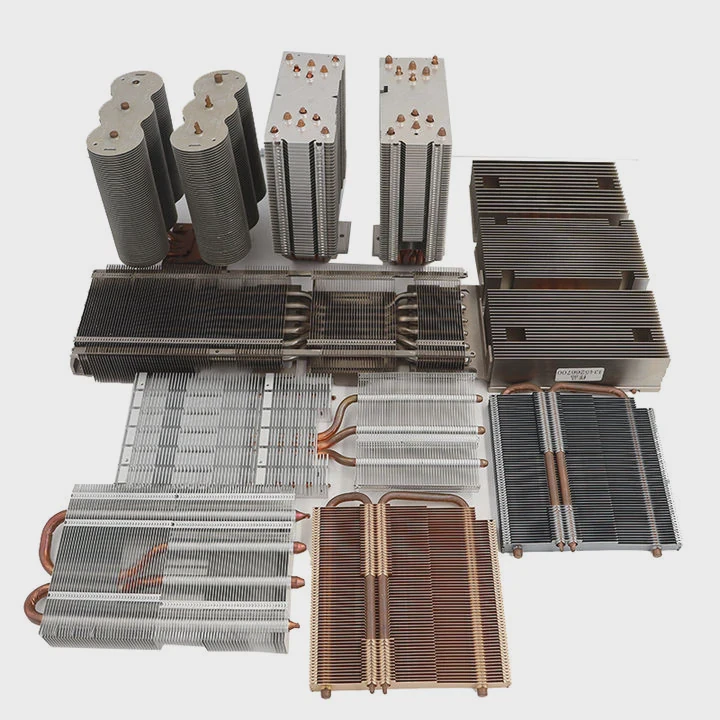
When a chamber is clean, air moves freely. This makes each draw feel smooth. When residue builds up, airflow becomes tight. You need more force, and the vapor feels harsh.
How cleanliness affects taste
Heat carries flavor. When old residue sits inside the chamber, it reacts with new heat. This reaction can make the vapor taste burnt. When the walls are clean, heat moves evenly and the flavor stays pure.
Three factors that change vapor quality
Here are the key elements that respond well to cleaning:
1. Airflow
A dirty chamber restricts airflow. This raises resistance. Clean walls keep air moving fast and even.
2. Heat spread
A residue layer blocks heat transfer. This causes hot spots. Clean walls spread heat evenly.
3. Material contact
Material sits better in a smooth chamber. This helps it heat in a controlled way. The vapor stays mild and stable.
I noticed the biggest difference after a deep clean. My vapor felt light and smooth again. The taste also felt clear. Before the clean, the vapor had a strong burnt tone. After the clean, it tasted like new material.
Why this happens
Heat moves best when it touches clean surfaces. When residue gets thick, it acts like a barrier. This forces the heater to reach higher temperatures to achieve the same effect. These higher temperatures may burn the residue and damage taste.
Once you clean the chamber, the heater works at the right temperature again. This is why the vapor feels cool, smooth, and easy on the throat.
Cleaning also improves safety. When heat spreads well, the device stays stable. The battery works less, and the heater stays within its normal range. I noticed my device stays cooler on the outside when the chamber is clean.
Over time, I learned to judge vapor quality by airflow alone. When airflow feels tight, I clean. When airflow feels smooth, I know the chamber is open and ready.
Conclusion
Regular cleaning keeps the chamber safe, smooth, and steady. It protects airflow, improves taste, and helps the device last longer. A clean chamber always gives a better and safer vapor experience.
TAGS
Latest Articles

Volume discount levels for heat sink orders?
Buyers often ask when heat sink prices start to drop with volume. Many worry they’re overpaying for small orders. This guide explains how B2B volume pricing works for thermal components. Heat sink
21 Dec,2025
Heat sink long-term supply contract options?
Many buyers want stable pricing and reliable delivery for heat sinks. But without a clear contract, risks grow over time. This article explores how to secure better long-term supply deals. Long-term
21 Dec,2025
Tooling cost for new heat sink profiles?
Many engineers struggle to understand why tooling for custom heat sinks costs so much. They worry about budgeting and production timelines. This article breaks down the cost drivers behind tooling.
21 Dec,2025
Heat sink custom sample process steps?
Sometimes, starting a custom heat sink project feels overwhelming—too many steps, too many unknowns, and too many risks. You want a sample, but not endless delays. The process for requesting and
20 Dec,2025
Standard B2B terms for heat sink payments?
When buyers and sellers in B2B heat sink markets talk about payment, many don’t fully understand what’s standard. This can lead to delayed orders, miscommunication, and even lost business
20 Dec,2025
Heat sink pricing factors for large orders?
Heat sinks are vital for many systems. When prices rise, projects stall and budgets break. This problem can hit teams hard without warning. Large order heat sink pricing depends on many factors. You
20 Dec,2025Related Articles
- how to clean trippy stix vapor chamber?
- how to clean a breathing vaporizer chamber?
- how to calculate capillary limit in vapor chamber?
- How does Xbox One X vapor chamber work?
- how does xbox one x vapor chamber cooling work?
- how does vapor chamber cpu coolers work?
- how to clean wax vaporizer chamber?
- how to lower vapor pressure in a chamber?
- how to make a vapor chamber?
- how to make a vapor deposition chamber?
- how to make chemical vapor deposition chamber?
- How to make vapor chamber?
Author
Dr. Emily Chen
Chief AI Researcher
Leading expert in thermal dynamics and AI optimization with over 15 years of experience in data center efficiency research.
Categories
Latest Products






Recommend Categories
- Liquid cooling plate Manufacturer
- Industrial Heat Sink Manufacturer
- Standard Heat Sink Manufacturer
- Aluminum Heat Sink Manufacturer
- Copper Heat Sink Manufacturer
- Anodized Heatsink Manufacturer
- Stamping heat sink Manufacturer
- Die Casting Heatsink Manufacturer
- Soldering heat sink Manufacturer
- CNC Parts Manufacturer
Latest Products
- Wholesale Aluminum Radiator
- Water Cooling Plate Kit
- Water Cooling Heat Sink
- Water Cooling Heat Sink Kit
- Stainless Steel Water Distributor
- Server Water Cooling Plate Kit
- Server Liquid Cooling System
- Server Aluminum Cooling Kit
- S19 Full Cover Cooling Plate
- S19 Cooling Plate Kit
- S19 Aluminum Cooling Plate
Contact Expert
Have questions about this article? Reach out to our experts directly.